
Is a Stand Mixer Worth It? 7 Practical Benefits and Downsides to Know Before You Buy
If you bake or cook often, a stand mixer’s worth is clear: it saves time, cuts physical effort, and gives consistent, repeatable mixes for better bakes. It handles heavy doughs and large batches while you multitask, though it needs counter space, upkeep, and a decent budget. Occasional bakers or minimalists may prefer handheld tools. Consider motor power, bowl size, and attachments to match your needs, and keep going to see practical pros, cons, and buying tips.
Quick Verdict: Who Should Buy a Stand Mixer?
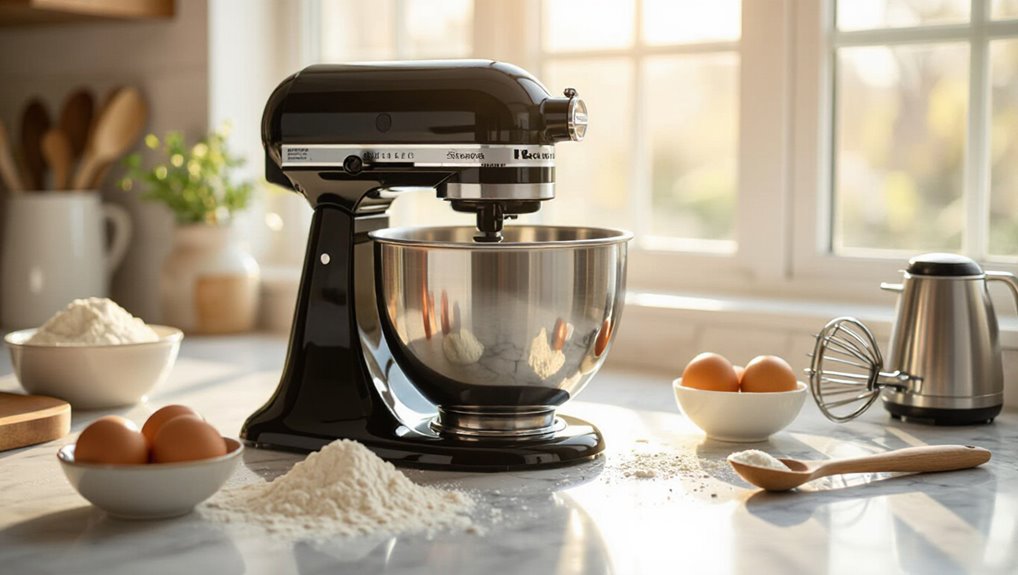
Who should buy a stand mixer? You should if you bake or cook frequently, tackle doughs, make large batches, or want consistent mixing results without manual effort.
You’ll benefit if counter space and budget allow, and if attachments (pasta, grinder) match your needs.
Skip it if you rarely mix, prefer minimal appliances, or need ultra-compact solutions.
Save Time and Effort With a Stand Mixer
A stand mixer frees your hands so you can prep other ingredients or clean while it runs.
It speeds up batch work by mixing consistently and at higher speeds than you can by hand.
You’ll also spare your arms from tiring, especially when handling heavy doughs.
Hands-Free Mixing
When you set ingredients into a stand mixer and turn it on, you free up hands and minutes for prep, cleanup, or multitasking; the mixer keeps a steady speed and thorough motion so you don’t have to babysit the bowl.
You can monitor textures, prep add-ins, or wash pans while it runs.
- Measure ingredients confidently
- Adjust speed without stirring
- Tend other tasks simultaneously
Faster Batch Prep
If you’re prepping large batches, a stand mixer lets you finish tasks far faster than hand tools could, handling heavy doughs, whipped creams, or multiple cookie batters without tiring you out.
You’ll move through recipes quicker by mixing consistently at set speeds, switching attachments for different jobs, and running continuous cycles while you prep other ingredients, so overall production time drops noticeably.
Less Physical Effort
Because a stand mixer handles the heavy lifting, you’ll cut down on sore wrists and tired arms while still getting consistent results—just lock in the speed, attach the right tool, and let it run while you prep or rest.
You’ll finish recipes faster, maintain even textures, and avoid repetitive strain, freeing you to focus on timing and flavor.
- Less manual mixing
- Faster cleanup
- More consistent results
How a Stand Mixer Improves Consistency and Results
Consistency matters in baking, and a stand mixer gives you exact, repeatable mixing that cuts down on guesswork.
You’ll reproduce dough textures, whipped creams, and batters by using consistent speeds and timed mixing. That predictability reduces overmixing or undermixing, improves rise and crumb, and helps you refine recipes faster so your results stay reliable from batch to batch.
Cost vs. Value: Is a Stand Mixer a Good Investment?

You’ll weigh the upfront purchase price against how much you’ll save over time by cooking more efficiently and avoiding disposable tools.
Think about durability and resale—well-built mixers can last years and retain value if you sell.
That balance will tell you whether a stand mixer is a smart buy for your kitchen.
Upfront Purchase Price
Though a quality stand mixer can cost several hundred dollars, you’ll get more than a single appliance for that price: durability, powerful motors, and versatile attachments that replace multiple tools.
You should weigh upfront cost against how often you’ll use it and whether features match your cooking habits.
- Consider frequency of use
- Match features to recipes
- Compare warranties and build quality
Long-Term Cost Savings
When you bake or cook regularly, a stand mixer can pay for itself over time by replacing single-use tools, cutting prep time, and reducing replacements for cheap hand mixers.
Factor in longevity, repairability, and resale value to judge true cost versus upfront price. You’ll save on ingredients wasted from inconsistent mixing, lower labor hours, and fewer accessory purchases, making it cost-effective if you use it often.
Resale And Durability
If you plan to keep a mixer for years, resale value and durability determine whether its sticker price becomes a smart investment or an expensive impulse buy.
You’ll want metal gears, a solid motor, and a brand known for support; those hold value and lower long-term cost. Consider repairs versus replacement when choosing.
- Durable materials boost resale
- Service availability matters
- Higher upfront often means longer life
Space, Storage, and Maintenance for Home Kitchens
Because stand mixers take up counter or cabinet space and often come with bulky attachments, you’ll want to plan where it lives before you buy one. Clean after each use, dry attachments, and check seals to prevent odors. Store heavy tools low. Consider portability for occasional use.
| Storage | Maintenance |
|---|---|
| Countertop spot | Wipe bowl, attachments |
| Lower cabinet | Lubricate per manual |
When a Stand Mixer Isn’t Worth It for You
Although a stand mixer can revolutionize baking, it isn’t worth it if you rarely bake, have very limited space, or can’t justify the cost and upkeep; in those cases a hand mixer or simple tools will serve you better.
If you rarely bake, lack space, or can’t justify the cost, skip the stand mixer and use simpler tools.
You should skip one if you don’t need heavy mixing, want minimal cleanup, or prefer portable gear.
- Infrequent bakers
- Tiny kitchens
- Budget constraints
What to Buy: Power, Capacity, Attachments, and Budget Trade-Offs
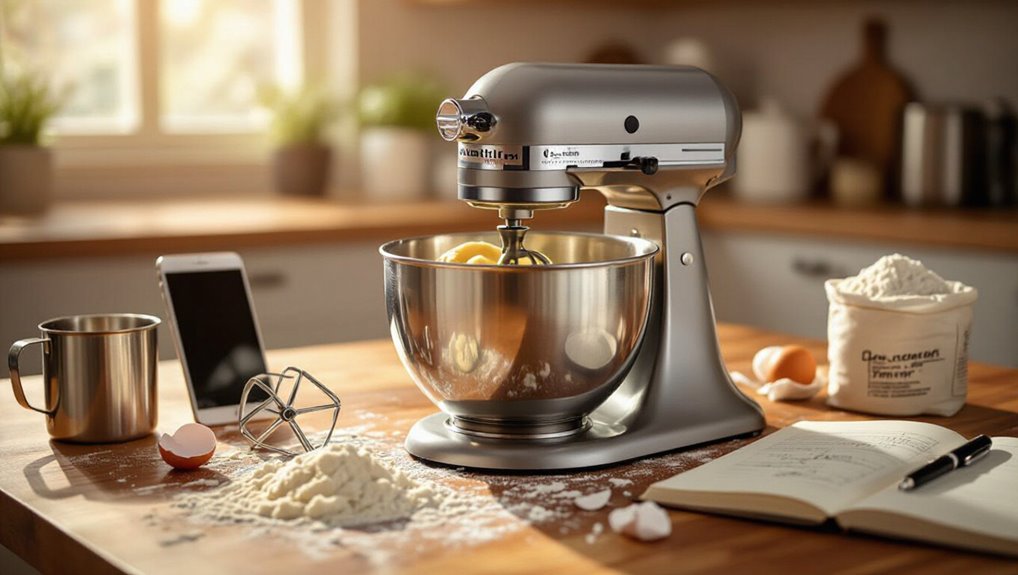
Now that you’ve decided whether a stand mixer fits your habits and space, pick one that matches the work you’ll actually do.
Choose 300–600W for occasional baking, 600–1000W for heavy doughs.
Match bowl size to batch size: 4–5 quarts for families, 6+ for bakers.
Prioritize metal attachments and a planetary head.
Balance features with price—buy the best you’ll use.
Frequently Asked Questions
Can You Use a Stand Mixer for Non-Food Tasks Like Crafting or Hobby Projects?
Yes — you can use a stand mixer for crafting tasks like mixing clay, resin, paint, or plaster, but you’ll want a dedicated attachment set, thorough cleaning, and caution with abrasive or toxic materials to avoid damage or contamination.
Are Commercial-Grade Mixers Worth It for Heavy Home Baking?
Yes — you’ll get durability, power, and larger capacity that handle frequent heavy batches, tougher doughs, and continuous use; you’ll pay more upfront, need space, and might sacrifice some countertop convenience for pro performance.
Do Stand Mixers Significantly Increase Electricity Bills?
No, stand mixers won’t considerably raise your electricity bill; they use modest power for short periods, so unless you run one constantly every day, you’ll barely notice the cost increase and can enjoy efficient, faster mixing.
Can I Attach Third-Party or DIY Attachments Safely?
Yes — you can use some third-party or DIY attachments, but you’ll want compatible fittings, sturdy materials, and cautious testing; manufacturers’ warranties may void, so weigh safety, torque limits, and legal risks before attaching nonOEM parts.
How Long Do Replacement Parts and Accessories Typically Last?
Replacement parts and accessories typically last several years to a decade, depending on use and care. You’ll get longer life with gentle use, regular cleaning, and OEM parts; heavy daily use shortens lifespan considerably.
Conclusion
If you bake or cook regularly, a stand mixer’s time savings, hands-free mixing, and consistent results can be worth the investment; it’s especially helpful for bread, cakes, and large batches. If you live in a tiny kitchen, rarely bake, or only need occasional whisking, a hand mixer or a few good tools will do. Weigh power, capacity, attachments, and budget—buy one if it’ll actually get used and make your cooking easier.

