
A clogged kitchen sink drain is a common household annoyance. So, how do you unclog a kitchen sink drain fast? You can typically unclog a kitchen sink drain fast using household items like baking soda and vinegar, a plunger, or a manual drain snake.
Dealing with a blocked sink can be frustrating, especially when you need to use your kitchen for cooking and cleaning. Fortunately, you don’t always need to call a plumber to tackle a stubborn drain clog. Many effective methods exist to clear your kitchen sink drain quickly and efficiently. This guide will walk you through various techniques, from simple DIY solutions to slightly more involved approaches, ensuring you can get your sink flowing freely again in no time. We’ll cover everything from how to use a kitchen sink plunger effectively to natural drain cleaning methods.
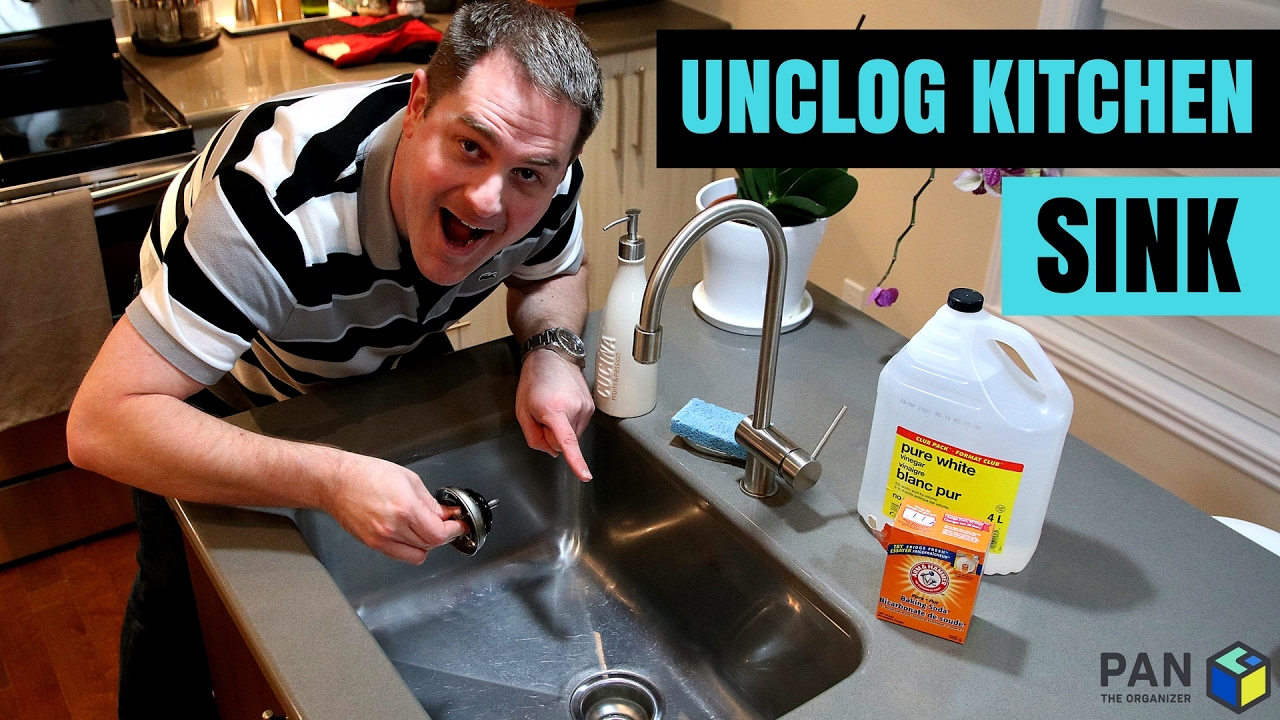
Image Source: i.ytimg.com
Simple Solutions for a Blocked Sink
When your kitchen sink drain is sluggish or completely blocked, several easy solutions can often solve the problem. These methods are usually the first line of defense and often require only common household items.
The Power of Boiling Water
This is often the simplest and quickest way to try and clear minor blockages, especially those caused by grease and soap scum.
Steps:
- Boil Water: Fill a kettle or pot with water and bring it to a rolling boil.
- Pour Slowly: Carefully pour the boiling water directly down the drain opening. Pour in stages, allowing a few seconds between each pour.
- Check Drainage: Wait a few minutes to see if the water level in the sink goes down.
- Repeat if Necessary: If the clog persists but seems to be clearing, you can repeat this process a couple more times.
Why it works: The hot water can melt away grease, soap scum, and other soft blockages that are constricting the pipe.
Using a Kitchen Sink Plunger
A kitchen sink plunger is a surprisingly effective tool for dislodging many types of drain clogs. The key is to create a good seal and use the right technique.
How to Use a Kitchen Sink Plunger:
- Remove Standing Water: If there’s a lot of water in the sink, bail out enough so the plunger cup can be submerged. You want the cup to be covered by about an inch or two of water to create a seal.
- Cover the Overflow (if applicable): Some sinks have an overflow opening near the top. To ensure the plunger works effectively, cover this opening with a wet rag. This prevents air and water from escaping through the overflow, directing all the pressure down the drain.
- Position the Plunger: Place the plunger cup firmly over the drain opening. Ensure it creates a complete seal around the edges.
- Plunge Vigorously: Push down and pull up with a steady, forceful motion. Aim for about 6-10 strong plunges. The upstroke is often more important than the downstroke, as it pulls the blockage back.
- Check for Drainage: After several plunges, lift the plunger quickly. See if the water drains. If it’s still blocked, repeat the plunging process.
- Flush with Hot Water: Once you see water draining, flush the drain with hot water for a few minutes to clear any remaining debris.
What to Avoid: Don’t use a plunger on a drain where you’ve just used chemical drain cleaners, as splashing can occur.
Baking Soda and Vinegar: A Natural Drain Cleaner
This classic combination is a popular choice for drain cleaning because it’s non-toxic and effective against grease and grime. The reaction between baking soda and vinegar creates fizzing that can help loosen minor clogs.
Steps for Baking Soda and Vinegar Drain Cleaner:
- Remove Standing Water: Bail out any standing water from the sink.
- Pour Baking Soda: Pour about 1/2 cup to 1 cup of baking soda directly into the drain. Try to get as much as possible to go down the opening.
- Add Vinegar: Immediately pour about 1 cup of white vinegar into the drain.
- Cover the Drain: Quickly cover the drain opening with a stopper or a damp cloth. This helps to trap the fizzing action within the pipes.
- Wait and Observe: Let the mixture sit for at least 30 minutes, or even longer (up to an hour) for tougher clogs. You should hear fizzing and bubbling.
- Flush with Hot Water: After the waiting period, remove the stopper and pour a kettle of boiling water down the drain to flush away the loosened debris.
- Repeat if Needed: For persistent clogs, you can repeat this process.
Why it works: Baking soda (a base) reacts with vinegar (an acid) to produce carbon dioxide gas. This effervescence can help break apart soap scum, grease, and other soft obstructions.
Salt and Baking Soda Boost
You can enhance the baking soda and vinegar method by adding salt. Salt acts as a mild abrasive.
Steps:
- Mix 1/2 cup of baking soda with 1/2 cup of salt.
- Pour this mixture down the drain.
- Follow with 1 cup of vinegar.
- Cover and wait as described above, then flush with boiling water.
Tackling Stubborn Clogs with Mechanical Tools
When simple methods don’t cut it, you might need to employ more direct mechanical approaches to remove a drain clog.
Introducing the Manual Drain Snake (or Auger)
A manual drain snake, also known as a drain auger, is a flexible coil of wire with a handle. It’s designed to reach deeper into pipes and physically break up or pull out blockages. This is a crucial tool for many drain cleaning tasks.
How to Use a Manual Drain Snake:
- Access the Drain: Remove the sink stopper or drain cover. If the clog is severe, you might need to disconnect the P-trap (the U-shaped pipe under the sink), but try to avoid this unless absolutely necessary.
- Insert the Snake: Feed the end of the drain snake into the drain opening.
- Advance the Snake: Gently push the snake further into the pipe. You’ll feel resistance when you reach the clog.
- Crank the Handle: Once you encounter resistance, lock the cable and start turning the handle clockwise. This action allows the auger head to bore into the clog, break it up, or snag it.
- Work Through the Clog: Continue cranking and gently pushing the snake forward until you feel it pass through the blockage. You might feel the clog break apart.
- Retrieve the Snake: Slowly pull the snake back out. Be prepared for debris to come out with it. Clean the auger head as you pull it out.
- Flush with Water: Once the snake is removed, run hot water down the drain for several minutes to clear any remaining residue and ensure the pipe is clear.
Important Considerations:
- Be Gentle: Avoid forcing the snake, as you could damage your pipes.
- Listen and Feel: Pay attention to the sensations you feel as you push and turn the snake. This helps you navigate the pipe and locate the clog.
- Different Types: Manual drain snakes come in various lengths and styles. Choose one appropriate for sink drains.
The P-Trap: A Common Culprit
The P-trap is the U-shaped pipe located directly beneath your sink. It’s designed to hold water and prevent sewer gases from entering your home. However, it’s also a common place for food particles, grease, and other debris to accumulate, leading to a blocked sink.
Steps to Clean the P-Trap:
- Prepare for Mess: Place a bucket or large bowl directly underneath the P-trap to catch any water and debris that will spill out.
- Loosen the Slip Nuts: The P-trap is typically connected to the sink drain and the wall pipe with slip nuts. These are usually hand-tightened or can be loosened with a pair of pliers or a pipe wrench. Loosen both nuts.
- Remove the P-Trap: Gently pull the P-trap away from the pipes. Be careful, as it will likely be full of water and gunk.
- Clean the P-Trap: Empty the contents into the bucket. Use a brush (an old toothbrush or a bottle brush works well) or a cloth to clean out any buildup inside the P-trap. Rinse it thoroughly.
- Check Connecting Pipes: While the P-trap is off, you can also use a flashlight to look into the pipes it was connected to. If you see visible debris, you might be able to carefully remove it with pliers or by using your manual drain snake.
- Reassemble: Carefully reattach the P-trap, ensuring the rubber washers or seals are in place. Hand-tighten the slip nuts, then use pliers or a wrench for a final snug tightening. Don’t overtighten.
- Test for Leaks: Run water into the sink and check for any leaks around the slip nuts. If you see a leak, try tightening the nuts a little more.
Advanced Drain Cleaning Methods (Use with Caution)
While the previous methods are generally safe and effective, sometimes more aggressive solutions might be considered. However, these should be used with caution to avoid damaging your plumbing.
Chemical Drain Cleaners: A Last Resort
Chemical drain cleaners can be effective but come with significant risks. They are corrosive and can damage pipes, especially older ones, and can cause severe burns if they come into contact with skin or eyes.
When to Consider Chemical Drain Cleaners:
- Only if other methods fail.
- For specific types of clogs (e.g., hair, if recommended by the product).
How to Use Chemical Drain Cleaners Safely:
- Read Instructions Carefully: Always follow the product’s instructions precisely.
- Ventilation is Key: Ensure the area is well-ventilated. Open windows and turn on exhaust fans.
- Protective Gear: Wear rubber gloves, eye protection (goggles), and old clothing.
- Pour Slowly: Pour the recommended amount of cleaner slowly into the drain. Avoid splashing.
- Wait the Specified Time: Do not leave the cleaner in the pipes longer than recommended, as this can cause damage.
- Flush Thoroughly: Flush the drain with cold water. Using hot water can sometimes intensify the chemical reaction and create dangerous fumes or splashes.
- Never Mix Chemicals: Never mix different drain cleaning chemicals, as this can create toxic gases.
- Never Plunge After Using Chemicals: The splashing can be extremely hazardous.
Types of Chemical Drain Cleaners:
- Caustic Cleaners: Contain lye (sodium hydroxide or potassium hydroxide). They work by dissolving grease and organic matter.
- Acidic Cleaners: Contain strong acids. These are very aggressive and should be avoided in most residential settings due to the high risk of pipe damage.
- Oxidizing Cleaners: Contain bleach or hydrogen peroxide. They break down organic matter.
Important Warning: Many plumbers advise against using chemical drain cleaners due to the potential for pipe damage and safety hazards. If you choose to use them, proceed with extreme caution.
Enzymatic Drain Cleaners
These are a much gentler and safer alternative to harsh chemical cleaners. They use natural enzymes and bacteria to break down organic waste like grease, food particles, and soap scum over time.
How to Use Enzymatic Drain Cleaners:
- Typically, you pour a measured amount down the drain, usually at night when the sink won’t be used.
- The enzymes then work slowly to digest the clog.
- Multiple applications may be needed for stubborn clogs.
- They are also excellent for regular drain maintenance.
Preventing Future Clogs
Once you’ve successfully cleared your drain, it’s essential to take steps to prevent future blockages and maintain good drain cleaning habits.
What NOT to Put Down the Kitchen Sink Drain
- Grease, Oils, and Fats: These solidify in pipes and are a primary cause of clogs. Wipe greasy pans with paper towels before washing.
- Coffee Grounds: Even small amounts can accumulate and create a dense blockage. Compost them instead.
- Eggshells: The membrane on eggshells can stick to pipes, and the shells themselves can be abrasive and contribute to buildup.
- Fibrous Foods: Celery, corn husks, artichokes, and similar items can wrap around other debris and create a mat.
- Pasta and Rice: These expand when wet and can swell into a sticky mass in your pipes.
- Starchy Foods: Potatoes and similar foods can turn into a paste.
- Food Scraps: Use a sink strainer to catch larger particles and dispose of them in the trash or compost bin.
- Hard Objects: Fruit pits, bones, or bits of plastic will not break down and can cause obstructions.
Regular Maintenance Tips
- Use a Sink Strainer: A good quality sink strainer will catch most food particles and debris, preventing them from entering the drain. Empty it regularly into the trash.
- Run Hot Water Regularly: After using the sink, run hot water for about 30 seconds to help flush away any residual grease or soap.
- Baking Soda and Vinegar Flush: Once a month, pour about 1/2 cup of baking soda down the drain, followed by 1 cup of vinegar. Let it fizz for 30 minutes, then flush with hot water. This is a great preventative measure.
- Enzymatic Drain Cleaners: Using an enzymatic drain cleaner periodically (e.g., once a month) can keep your pipes clean and prevent buildup.
- Clean Your Garbage Disposal: If you have a garbage disposal, run cold water while using it, and periodically grind up ice cubes or citrus peels to help clean the blades and pipes. Avoid putting fibrous or starchy materials down the disposal.
- Wipe Down Surfaces: Clean up spills and food debris around the sink promptly.
When to Call a Professional Plumber
While most kitchen sink clogs can be handled with DIY methods, there are times when you should call a professional plumber.
Signs You Need Professional Help
- Multiple Drains are Slow or Clogged: If you notice other drains in your house (bathroom sink, shower, toilet) are also backing up, it indicates a larger issue in your main sewer line.
- Persistent Clogs: If you’ve tried multiple methods and the sink remains clogged, the blockage might be too severe or located too far down the pipe for DIY tools.
- Foul Odors: Persistent foul odors that don’t go away even after flushing could indicate a serious issue, like a blockage in the main sewer line or a problem with your vent system.
- Water Backing Up: If water is backing up into your sink or tub when you flush a toilet or run another fixture, this is a sign of a main sewer line blockage.
- You’ve Used Chemical Drain Cleaners Without Success: If chemicals haven’t worked, the clog is likely very dense. Continuing to use chemicals can be dangerous and damage your pipes further.
- Visible Pipe Damage: If you suspect damage to your pipes, it’s best to call a professional.
A plumber has specialized tools and expertise to diagnose and fix more complex plumbing problems safely and effectively.
Frequently Asked Questions (FAQ)
Q1: How often should I use baking soda and vinegar to clean my kitchen sink drain?
A: For preventative maintenance, using the baking soda and vinegar method once a month is generally recommended. If your sink is starting to drain slowly, you can use it more frequently.
Q2: Can I use a wire coat hanger to unclog my sink?
A: While a wire coat hanger might seem like a good alternative to a drain snake, it’s generally not recommended. Coat hangers are less flexible and can easily scratch or damage your pipes. They can also snag in the pipes and be difficult to remove, potentially making the clog worse. A manual drain snake is a much safer and more effective tool.
Q3: My kitchen sink is clogged, but my dishwasher isn’t draining either. What does this mean?
A: This typically indicates a more significant issue, likely a clog in the main drain line that connects your sink and dishwasher to the sewer system. In this case, it’s best to call a professional plumber.
Q4: How do I prevent my garbage disposal from causing clogs?
A: Always run cold water before, during, and after using the garbage disposal. Avoid putting fibrous materials (like celery or corn husks), starchy foods (like potato peels), coffee grounds, eggshells, grease, or large bones down the disposal. Grinding up a few ice cubes occasionally can help clean the blades and pipes.
Q5: Is it safe to use chemical drain cleaners regularly?
A: No, it is not safe or advisable to use chemical drain cleaners regularly. They are harsh chemicals that can damage your pipes over time, weaken seals, and are harmful to the environment. Enzymatic cleaners or regular mechanical cleaning methods are much better for long-term drain health.
Q6: My sink is completely blocked, and I can’t see any standing water. What should I do?
A: If there’s no standing water, the clog might be further down the pipe or a complete blockage that prevents any water from passing. Try using a manual drain snake. If that doesn’t work, or if you suspect a more serious issue, it’s time to call a plumber.
By following these steps and tips, you can effectively manage and prevent common kitchen sink drain clogs, keeping your kitchen running smoothly. Remember to always prioritize safety and choose the least aggressive method that effectively solves the problem.