
A clogged kitchen sink can be a real nuisance, but luckily, you can often clear a blocked sink quickly and easily yourself! The most common causes of a blocked sink are grease, food particles, and soap scum buildup. Fortunately, you don’t always need a professional plumber to resolve this common household issue.
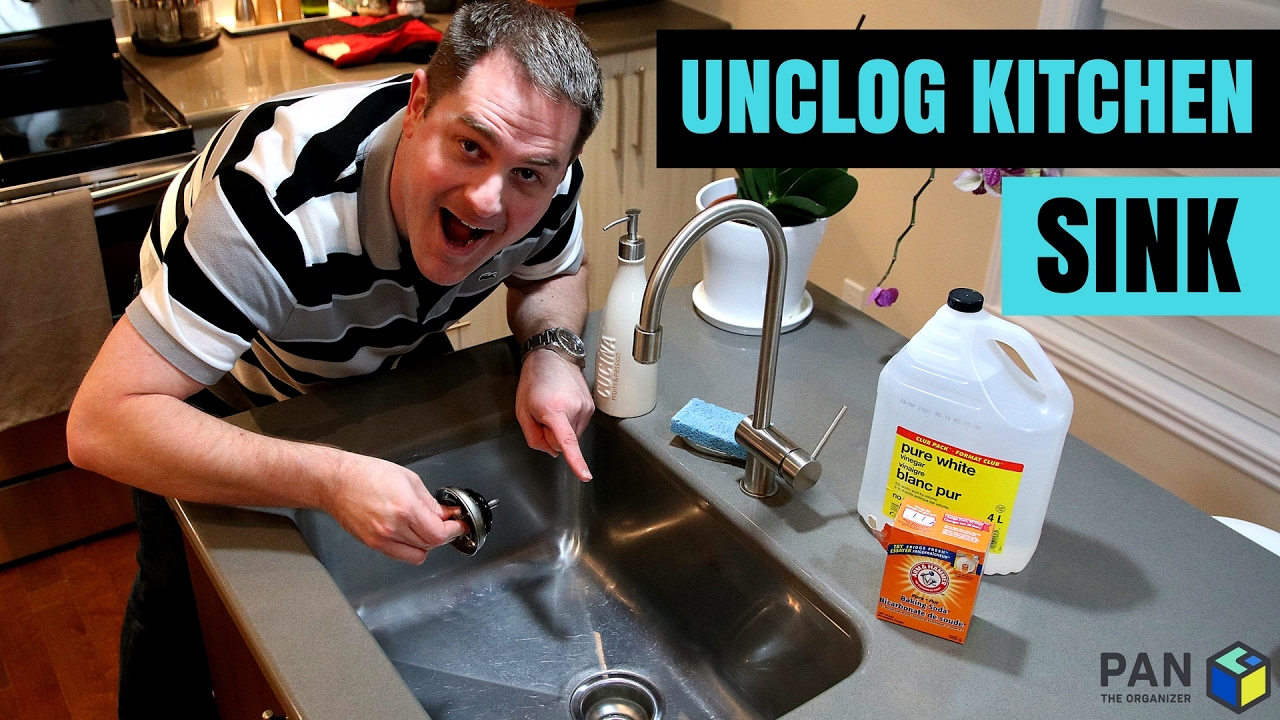
Image Source: i.ytimg.com
Tackling Your Blocked Sink: Simple Steps to Success
A blocked sink is an annoying problem that can disrupt your kitchen routine. Knowing how to clear a sink is a valuable skill that can save you time and money. Whether it’s a slow drain or a complete blockage, there are several effective methods you can try at home before calling for a plumbing service.
1. The Power of Hot Water
Often, a simple clog is just a buildup of grease and soap residue that can be dissolved with heat. This is one of the simplest and fastest methods for a less severe blockage.
How to Use Hot Water:
- Boil Water: Fill a kettle or a large pot with water and bring it to a rolling boil.
- Pour Carefully: Slowly and carefully pour the boiling water directly down the drain. Be cautious to avoid splashing yourself.
- Observe: Wait a few minutes to see if the hot water has loosened the clog. You might hear some gurgling or see the water level decrease.
- Repeat if Necessary: For stubborn clogs, you might need to repeat this process a couple of times.
Important Note: Avoid using boiling water if you have PVC pipes, as excessive heat can damage them. In such cases, very hot tap water is a safer alternative.
2. The Baking Soda and Vinegar Method
This classic DIY drain cleaning technique is effective for many common kitchen sink clogs. The chemical reaction between baking soda and vinegar creates a fizzy foam that can help break down grease and grime.
Steps for Baking Soda and Vinegar:
- Remove Standing Water: If there’s standing water in your sink, try to bail out as much as possible using a cup or bowl. This allows the baking soda and vinegar to work more directly on the clog.
- Add Baking Soda: Pour about half a cup to a full cup of baking soda directly into the drain.
- Add Vinegar: Immediately follow with an equal amount of white vinegar.
- Cover the Drain: Place a stopper or a wet cloth over the drain opening to contain the fizzing reaction and direct the foam downwards.
- Wait: Let the mixture sit for at least 30 minutes, or even longer for tougher clogs (up to an hour).
- Flush with Hot Water: After the waiting period, flush the drain with a kettle of hot water.
This method is a gentle yet effective drain opener and a good first step for many blocked sink issues.
3. Employing the Kitchen Sink Plunger
A kitchen sink plunger is a simple yet powerful tool for clearing clogs. It works by creating suction and pressure to dislodge blockages.
How to Use a Kitchen Sink Plunger:
- Ensure a Seal: Make sure there’s enough water in the sink to cover the rubber cup of the plunger. This helps create a tight seal. If there isn’t enough water, add some.
- Block the Overflow (if applicable): If your sink has an overflow hole (usually near the rim), block it with a wet rag. This prevents air from escaping, which is crucial for effective plunging.
- Position the Plunger: Place the plunger cup directly over the drain opening, ensuring a good seal.
- Plunge Vigorously: Push down and pull up on the plunger handle sharply and rhythmically. Aim for about 15-20 forceful plunges.
- Check the Drain: After plunging, lift the plunger. If the water starts to drain, you’ve likely succeeded.
- Repeat if Needed: You may need to repeat the plunging process several times to fully clear the blockage.
Using a plunger correctly is key to its effectiveness. A good seal is your best friend here.
4. Introducing the Drain Snake (Auger)
For more stubborn or deeper clogs, a drain snake, also known as a drain auger, is an excellent tool. This flexible metal cable can be fed into the pipe to physically break up or pull out the obstruction.
Steps for Using a Drain Snake:
- Insert the Snake: Feed the end of the drain snake into the drain opening.
- Advance the Cable: Push the snake further into the pipe, turning the handle clockwise as you go. You might feel resistance when you hit the clog.
- Engage the Clog: Once you feel resistance, continue turning the handle. The snake’s end is designed to either break apart the clog or snag it. You might need to push and pull slightly while turning.
- Retract the Snake: Carefully pull the snake back out of the drain, hopefully bringing the clog with it.
- Dispose and Flush: Dispose of any debris removed. Then, run hot water down the drain to flush away any remaining particles.
A drain snake is a more direct approach to drain cleaning for those times when simpler methods fail.
5. When to Consider a Drain Opener Product
If the above methods don’t work, you might consider using a commercial drain opener. These products contain chemicals designed to dissolve common drain blockages.
Using Commercial Drain Openers Safely:
- Read Instructions Carefully: Always follow the manufacturer’s instructions precisely. Different products have different application methods and waiting times.
- Ventilation: Ensure good ventilation in your kitchen, as these products can release fumes.
- Protective Gear: Wear rubber gloves and eye protection to avoid skin or eye contact.
- Never Mix Chemicals: Do not mix different drain opener products, as this can create dangerous chemical reactions.
- Use Sparingly: These products can be harsh on pipes, so use them as a last resort and only as directed.
Choosing the right drain opener is important. Look for products specifically designed for kitchen sink clogs.
6. Dish Soap as an Unexpected Helper
Sometimes, the culprit is a thick buildup of grease that even hot water can’t fully tackle on its own. Dish soap, particularly brands known for their grease-cutting abilities, can help.
How to Use Dish Soap:
- Pour Dish Soap: Squirt a generous amount of liquid dish soap (about half a cup) down the drain.
- Let it Sit: Allow the soap to sit in the drain for about 20-30 minutes. The soap helps to lubricate the grease, making it easier to break down.
- Flush with Hot Water: Follow with a kettle of hot (not necessarily boiling) water.
This method is particularly effective if you suspect a greasy buildup is the cause of your blocked sink.
7. Salt and Hot Water: Another Natural Approach
Salt, when combined with hot water, can also help break down grease and grime in your pipes. It acts as a mild abrasive and can help dislodge buildup.
Steps for Salt and Hot Water:
- Pour Salt: Pour about half a cup of table salt down the drain.
- Add Hot Water: Pour a kettle of hot water down the drain.
- Wait: Let it sit for about 15-20 minutes.
- Flush Again: Flush with more hot water.
This is another gentle, natural option for drain cleaning that can be effective for minor clogs.
Preventing Future Kitchen Sink Clogs
The best way to deal with a blocked sink is to prevent it from happening in the first place. Implementing a few good habits can significantly reduce your chances of encountering this problem.
What to Avoid Putting Down Your Kitchen Sink:
- Grease and Cooking Oil: This is the number one culprit. Never pour liquid grease, fats, or oils down the drain. They solidify in the pipes and create stubborn blockages. Wipe greasy pans with paper towels before washing them.
- Coffee Grounds: While they might seem small, coffee grounds can accumulate and form dense clogs.
- Eggshells: The sticky membrane inside eggshells can adhere to pipes and trap other debris.
- Starchy Foods: Pasta, rice, and potato peels can expand when wet and contribute to clogs.
- Fibrous Vegetables: Celery, corn husks, and asparagus peels can tangle and create blockages.
- Food Scraps: Even small pieces of food can add up over time. Use your garbage disposal effectively or compost food scraps.
- Harsh Chemicals: Avoid pouring harsh chemicals or bleach down the drain, as they can damage pipes and are not always effective at clearing organic clogs.
Good Habits for a Free-Flowing Sink:
- Use a Sink Strainer: A simple sink strainer will catch food particles and other debris before they enter the drain. Empty it regularly into the trash.
- Run Cold Water with Disposal: If you have a garbage disposal, always run cold water for at least 20-30 seconds before and after using it. Cold water helps solidify any grease, allowing the disposal to chop it up more effectively.
- Regular Hot Water Flush: Periodically flush your sink drain with hot water, especially after washing greasy dishes. This helps prevent grease from solidifying.
- Baking Soda and Vinegar Maintenance: Once a month, pour some baking soda followed by vinegar down the drain and let it sit for 30 minutes before flushing with hot water. This can help prevent minor buildup.
When to Call a Professional Plumbing Service
While most kitchen sink clogs can be resolved with DIY methods, there are times when professional help is necessary. If you’ve tried several of the above methods and the sink remains blocked, or if you suspect a more serious issue, it’s time to contact a plumber.
Signs You Need Professional Help:
- Recurring Blockages: If your sink clogs frequently despite your efforts, there might be a larger issue within your plumbing system, such as a buildup in the main drain line or a problem with pipe slope.
- Multiple Fixtures Affected: If you notice other drains in your house (toilets, showers) are also backing up or draining slowly, this indicates a more widespread blockage in your main sewer line.
- Foul Odors: Persistent foul odors emanating from the drain could signal a serious blockage or a problem with your P-trap.
- No Water Flow at All: If absolutely no water drains, even after trying multiple methods, the clog might be very dense or located far down the pipe.
- Lack of Confidence or Tools: If you’re uncomfortable performing drain cleaning or lack the necessary tools like a more powerful drain snake, it’s safer and more effective to call a professional.
A qualified plumber has specialized tools and expertise to diagnose and resolve complex plumbing issues efficiently and safely, ensuring no further damage is done to your pipes.
Common Kitchen Sink Clog Culprits
Fathoming the exact cause of a blocked sink is the first step to a successful unclogging. Here’s a breakdown of the most frequent offenders:
| Culprit | How it Causes Clogs | Prevention Tips |
|---|---|---|
| Grease & Oil | Solidifies in pipes, trapping other debris and creating a sticky, hard-to-remove mass. | Never pour grease down the drain. Wipe greasy pans with paper towels. Use hot water to wash greasy dishes. |
| Food Particles | Small pieces accumulate, especially starchy or fibrous items, forming dense blockages. | Use a sink strainer. Scrape plates into the trash before rinsing. Avoid putting coffee grounds or eggshells down. |
| Soap Scum | Builds up over time, narrowing pipe diameter and catching other particles. | Regular hot water flushes can help dissolve soap residue. |
| Hair | While more common in bathroom drains, hair can end up in kitchen sinks too. | Ensure sink strainers are effective. |
| Foreign Objects | Small items like bottle caps, twist ties, or even jewelry can cause complete blockages. | Be mindful of what goes down the drain. |
Frequently Asked Questions About Kitchen Sink Clogs
Here are some common questions people have when facing a blocked kitchen sink:
Q1: Can I use bleach to unclog my kitchen sink?
A1: It’s generally not recommended to use bleach for unclogging sinks. While it can kill bacteria, it’s not very effective at breaking down grease and food particles, which are common causes of kitchen clogs. Furthermore, mixing bleach with other cleaning products or acidic substances like vinegar can create dangerous toxic fumes.
Q2: How often should I use the baking soda and vinegar method?
A2: For preventative maintenance, using the baking soda and vinegar method once a month can help keep your drains clear. If you’re dealing with a slow drain, you might use it more frequently until the issue is resolved.
Q3: My garbage disposal is running but not draining. What should I do?
A3: If your garbage disposal is running but the sink isn’t draining, the clog is likely after the disposal unit. Try using a kitchen sink plunger or a drain snake to clear the blockage in the pipe connecting the disposal to your main drain. Always ensure the disposal is turned OFF before attempting to clear a clog.
Q4: How deep do drain snakes typically reach?
A4: Standard drain snakes, especially those you buy for home use, can typically reach anywhere from 15 to 50 feet or more into your plumbing. For deeper or more extensive clogs, professional plumbers use specialized, longer augers.
Q5: Is it safe to use a drain opener if I have a septic system?
A5: Many commercial drain openers are not suitable for septic systems as their harsh chemicals can harm the beneficial bacteria that break down waste in the tank. Always check the product label to ensure it’s septic-safe or opt for enzyme-based drain cleaners, which are generally a better choice for septic systems.
By understanding the causes of kitchen sink clogs and employing these effective, easy methods, you can quickly restore your sink to its full functionality and keep your kitchen running smoothly. Remember that consistent preventative maintenance is your best bet against future drain woes.