
Can you fix a clogged kitchen sink yourself? Yes, you absolutely can! Many common kitchen sink drain issues are manageable with basic tools and a little know-how, saving you the cost of a professional plumber. This guide will walk you through diagnosing and fixing those frustrating blockages and leaks.
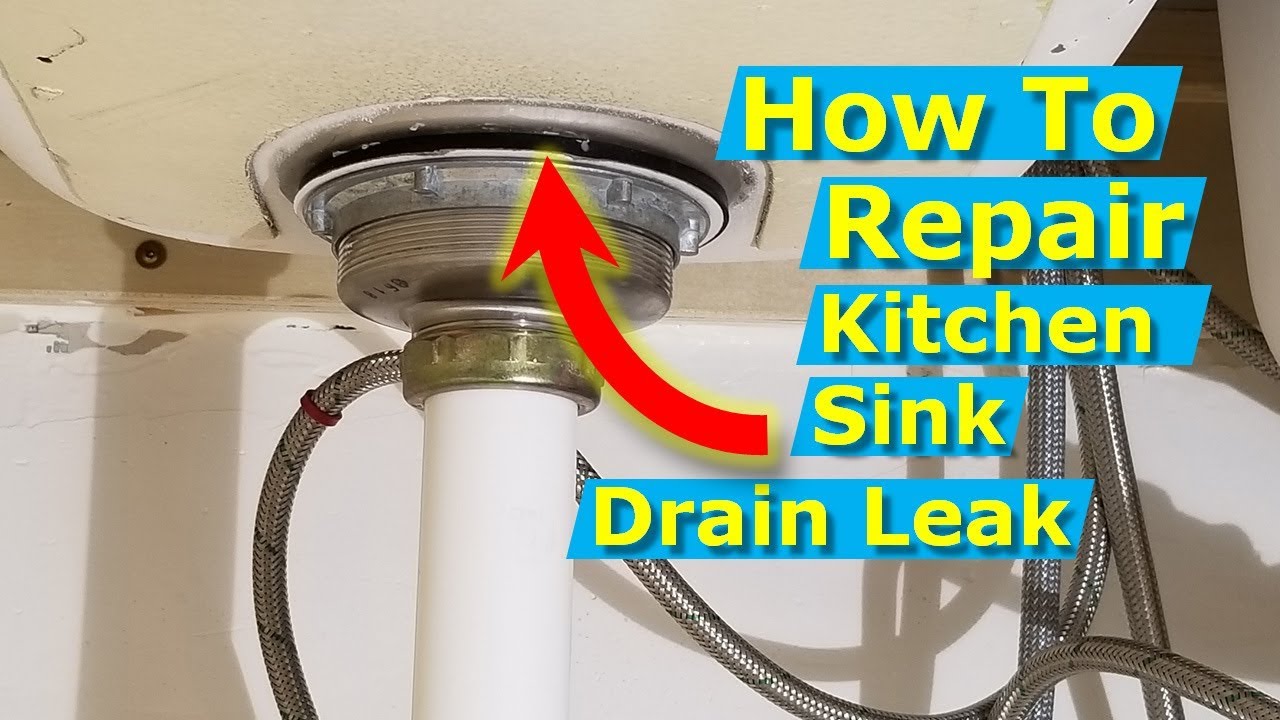
Image Source: i.ytimg.com
Signs of a Kitchen Sink Drain Problem
A slow-draining sink is the most obvious sign, but there are other clues that your kitchen sink drain needs attention.
Common Indicators
- Slow Drainage: Water backs up in the sink and takes a long time to go down.
- Gurgling Sounds: Strange noises coming from the drain, especially when water is running or flushing.
- Foul Odors: Unpleasant smells emanating from the sink or drain area.
- Standing Water: Water that doesn’t drain at all, leaving a pool in the sink.
- Leaky Pipes: Visible water around the pipes under the sink.
Troubleshooting Common Sink Drain Issues
Let’s dive into the most frequent problems and how to tackle them.
1. Dealing with a Clogged Kitchen Sink
A clogged kitchen sink is a homeowner’s nightmare. Food scraps, grease, and soap scum are the usual culprits.
Methods for Drain Cleaning
There are several effective methods for drain cleaning without resorting to harsh chemicals.
Plunger Power
A cup plunger is your first line of defense.
How to Use a Plunger:
- Seal the Overflow: If your sink has an overflow hole, block it with a wet rag. This ensures the suction is directed into the drain.
- Create a Seal: Fill the sink with a few inches of water. Place the plunger over the drain opening, ensuring a tight seal.
- Plunge Vigorously: Push and pull the plunger up and down sharply for about 20-30 seconds.
- Check Drainage: Remove the plunger and see if the water drains. Repeat if necessary.
The Baking Soda and Vinegar Method
This natural drain unclogging method can be surprisingly effective for minor clogs.
Steps:
- Pour about 1/2 cup of baking soda down the drain.
- Follow with 1/2 cup of white vinegar.
- Immediately cover the drain with a stopper or rag. You’ll hear fizzing.
- Let it sit for at least 30 minutes, or preferably overnight.
- Flush the drain with hot water.
Using a Drain Snake (Auger)
For tougher blockages, a drain snake, also known as a plumbing auger, is an invaluable tool.
How to Use a Drain Snake:
- Insert the Snake: Feed the end of the snake into the drain opening.
- Feed and Crank: As you push the snake further, crank the handle to rotate the cable. This helps it grab onto the clog.
- Break or Retrieve: You’ll feel resistance when you hit the clog. Continue cranking to break it up or hook it.
- Withdraw Slowly: Carefully pull the snake back out, bringing the clog with it.
- Flush: Run hot water down the drain to clear any remaining debris.
Checking the P-Trap
The P-trap is the U-shaped pipe under your sink. It’s designed to catch debris and prevent sewer gases from entering your home. It’s also a common spot for clogs.
Steps to Clear the P-Trap:
- Prepare: Place a bucket or bowl directly underneath the P-trap to catch any water and debris.
- Loosen the Slip Nuts: Use a pipe wrench or channel-lock pliers to loosen the slip nuts on either side of the P-trap. Turn them counter-clockwise.
- Remove the Trap: Once the nuts are loose, carefully remove the P-trap.
- Clean Out Debris: Empty the contents into the bucket and clean the inside of the P-trap with a brush and hot, soapy water.
- Reassemble: Reattach the P-trap, ensuring the washers are properly seated. Tighten the slip nuts securely by hand first, then a quarter turn with pliers. Avoid over-tightening, which can crack the plastic.
- Test for Leaks: Run water down the drain and check for any leaks around the slip nuts.
2. Addressing Sink Disposal Issues
The garbage disposal can be a convenient kitchen feature, but it’s also prone to problems.
Common Garbage Disposal Problems
- Humming but Not Grinding: This usually means something is jamming the grinding plate.
- Leaking: Leaks can occur from the housing, drain connections, or dishwasher connection.
- Clogging: Food waste can build up and cause a blockage.
Fixing Disposal Jams
Safety First: Always turn off the power to the disposal at the breaker box before attempting any repairs.
Steps to Unjam a Disposal:
- Turn off Power: Locate and switch off the circuit breaker that controls your garbage disposal.
- Look from Above: Use a flashlight to look into the disposal drain opening. If you see a visible jam, try to remove it with pliers or tongs. Never use your hands.
- Use the Allen Wrench: Most disposals come with a small Allen wrench. There’s usually a hexagonal socket on the bottom center of the disposal unit. Insert the Allen wrench and rotate it back and forth to manually dislodge the jam.
- Reset Button: After clearing the jam, locate the reset button on the bottom or side of the disposal unit. Press it firmly.
- Restore Power: Turn the power back on at the breaker box.
- Test: Run cold water and then briefly turn on the disposal to ensure it’s working properly.
What to Do if the Disposal is Leaking
- Check Connections: Ensure all plumbing connections, especially the drain pipe and dishwasher hose, are secure. Tighten any loose clamps or nuts.
- Inspect the Housing: If the leak appears to be coming from the disposal unit itself, it might be a sign of a crack or internal seal failure. In this case, replacement is often the best option.
3. Fixing a Leaky Faucet
While not directly a drain issue, a leaky faucet wastes water and can be annoying. It’s a common household plumbing fix.
Identifying the Cause of a Faucet Leak
Most faucet leaks are caused by worn-out washers, O-rings, or cartridges.
Repairing a Leaky Faucet
- Turn off Water Supply: Locate the shut-off valves under the sink and turn them clockwise to stop the water flow.
- Disassemble the Faucet: Carefully remove the handle and spout components. This often involves unscrewing decorative caps and then loosening set screws.
- Replace Worn Parts: Identify the faulty washer, O-ring, or cartridge and replace it with an identical new part. You can take the old part to a hardware store to find a match.
- Reassemble: Put the faucet back together in reverse order.
- Turn Water Back On: Slowly turn the shut-off valves counter-clockwise and check for leaks.
Preventive Plumbing Maintenance
Regular plumbing maintenance can prevent many costly repairs and keep your kitchen sink functioning smoothly.
Tips for Upkeep
- Avoid Pouring Grease Down the Drain: Collect grease in a container and dispose of it in the trash.
- Scrape Plates Before Rinsing: Remove food scraps into the trash or compost bin.
- Use a Sink Strainer: This catches larger debris before it enters the drain.
- Regularly Flush with Hot Water: Once a week, pour hot water down the drain to help melt away any grease or soap residue.
- Avoid Harsh Chemicals: While they can clear clogs, they can also damage pipes over time. Opt for natural methods or a drain snake when possible.
When to Call a Professional Plumber
While many household plumbing solutions can be DIY, some problems are best left to the experts.
Situations Requiring Professional Help
- Persistent Clogs: If you’ve tried multiple methods and the clog remains, there might be a more significant issue further down the line.
- Multiple Fixtures Affected: If several drains in your home are slow or clogged, it could indicate a main sewer line blockage.
- Major Leaks or Pipe Damage: Significant water leaks, burst pipes, or corroded pipes require professional attention.
- Lack of Confidence or Tools: If you’re uncomfortable with a repair or don’t have the right tools, calling a plumber is the safest bet.
Frequently Asked Questions (FAQ)
Here are some common questions about kitchen sink drain repair.
What is the best way to unclog a kitchen sink?
The best method depends on the severity of the clog. For minor clogs, try a plunger or the baking soda and vinegar method. For tougher blockages, a drain snake is very effective.
Can I pour boiling water down my drain to clear it?
Yes, pouring boiling water down the drain can help melt grease and soap scum, especially for minor clogs. However, be cautious with PVC pipes, as repeated exposure to boiling water can soften them over time. Moderately hot water is often sufficient and safer.
How often should I clean my kitchen sink drain?
It’s a good idea to perform preventative plumbing maintenance by flushing your drain with hot water weekly. A more thorough cleaning, perhaps with baking soda and vinegar, can be done monthly or as needed if you notice slow drainage or odors.
What causes a kitchen sink to drain slowly?
Slow drainage is usually caused by a buildup of grease, food particles, soap scum, or hair (though less common in kitchen sinks than bathroom sinks). These substances accumulate over time and restrict water flow.
My garbage disposal is humming but not grinding. What should I do?
This typically means the disposal is jammed. First, turn off the power at the breaker box. Then, use the Allen wrench (usually provided with the disposal) inserted into the bottom center of the unit to manually rotate the grinding plate and dislodge the obstruction. After clearing the jam, press the reset button and restore power.
What is a P-trap and why does it clog?
The P-trap is the U-shaped pipe beneath your sink. Its shape is designed to hold a small amount of water, which creates a seal to prevent sewer gases from entering your home. It often clogs because it’s a natural collection point for debris, grease, and food particles.
By following these steps and tips, you can confidently tackle many common kitchen sink drain problems and maintain a healthy plumbing system.