
Image Source: i.ytimg.com
How To Install A Backsplash In The Kitchen: DIY Guide
Can I install a kitchen backsplash myself? Yes, with the right tools, materials, and a little patience, you can absolutely install a beautiful backsplash in your kitchen as a DIY project. What is a backsplash? A backsplash is the material that covers the wall surface between your countertop and the upper cabinets in your kitchen. It protects your walls from splashes and stains from cooking and provides a decorative element to your kitchen’s design. This guide will walk you through the entire process of a kitchen backsplash DIY, from choosing your materials to the final grout lines.
Planning Your Kitchen Renovation Backsplash Project
Before you even think about touching a tile, careful planning is crucial for a successful tile backsplash installation. This is where you map out your vision and ensure you have everything you need.
Making Accurate Backsplash Measurements
The first step is to get your backsplash measurements just right. You don’t want to end up with too much or too little tile.
- Measure the Height: Measure from the top of your countertop to the bottom of your upper cabinets. Do this in several places across the length of your counter, as walls aren’t always perfectly level.
- Measure the Width: Measure the total length of the area you want to cover. Again, measure in a few spots to account for any unevenness.
- Measure Around Obstacles: Don’t forget to measure any areas around windows, outlets, or switches. You’ll need to account for cuts in these areas.
- Add for Waste: Always add an extra 10-15% to your total square footage for cuts, mistakes, and future repairs. It’s better to have a little extra than to run out mid-project.
Choosing Your Backsplash Material
The world of kitchen backsplashes is vast! From classic to contemporary, there’s a style for every taste and budget.
- Ceramic Tile: A popular and versatile choice, ceramic tile backsplash options are endless in terms of color, shape, and pattern. It’s durable, easy to clean, and generally affordable.
- Subway Tile: A timeless classic, subway tile backsplash offers a clean, sophisticated look. Available in ceramic, porcelain, and even glass, it’s a go-to for many kitchen designs.
- Porcelain Tile: Even more durable and less porous than ceramic, porcelain is an excellent choice for high-traffic areas. It can mimic the look of natural stone beautifully.
- Glass Tile: Adds a touch of sparkle and modern flair. Glass tiles can be found in a wide range of colors and finishes, from sleek and solid to iridescent and mosaic.
- Natural Stone: Such as marble, granite, or travertine, offers a luxurious and unique look. However, natural stone can be more expensive and requires sealing to protect it from stains.
- Peel-and-Stick Backsplashes: For a quick and easy upgrade, peel-and-stick options are available in various designs. While not as durable as traditional tile, they are a budget-friendly and temporary solution.
Essential Tools and Materials for Tile Backsplash Installation
Gathering all your supplies before you start will save you a lot of frustration.
- Tiles: Your chosen backsplash material.
- Backsplash Adhesive: The sticky stuff that holds your tiles to the wall. Ensure it’s appropriate for your tile type and wall surface.
- Grout: The material that fills the spaces between tiles. Choose a color that complements your tiles. For most kitchen backsplashes, sanded grout is recommended.
- Tile Spacers: These little plastic pieces ensure uniform backsplash spacing between your tiles, creating a professional look.
- Notched Trowel: Used to spread the backsplash adhesive evenly. The notch size will depend on your tile size.
- Grout Float: A rubber-faced tool used to apply grout and press it into the spaces between tiles.
- Tile Cutter: For making straight cuts. A tile cutter is essential for pieces that need to fit around outlets or edges. For more intricate cuts (like around outlets), a wet saw or tile nippers might be needed.
- Level: To ensure your tile rows are straight.
- Tape Measure: For your backsplash measurements.
- Pencil: For marking cut lines.
- Utility Knife: To score and cut certain materials.
- Sponge: For cleaning excess grout.
- Buckets: For water and grout mixing.
- Safety Glasses: To protect your eyes from flying debris.
- Gloves: To protect your hands.
- Drop Cloths or Plastic Sheeting: To protect your countertops and floors.
- Painter’s Tape: To mask off areas and protect surfaces.
Step-by-Step Guide to Installing Your Kitchen Backsplash
Now that you’ve planned and gathered your supplies, it’s time to get to work!
Preparing the Wall Surface
A clean, smooth surface is key for good adhesion.
- Clear the Area: Remove everything from your countertops and the wall area you’ll be tiling.
- Clean the Wall: Wash the wall thoroughly with a mild detergent and water. Remove any grease, grime, or loose paint. Let it dry completely.
- Repair Imperfections: Fill any holes or cracks with spackle or joint compound. Sand them smooth once dry.
- Remove Outlet Covers: Unscrew and remove all outlet and switch plate covers. You might want to turn off the power to these outlets at your breaker box for safety.
- Mark Your Starting Line: Using a level and pencil, draw a horizontal chalk line on the wall, starting from one end of your countertop. This line will be the guide for your first row of tiles. Make sure it’s perfectly level. If your countertop is perfectly level, you can often start directly on it. If not, start a few inches above the countertop to create a level starting point.
Applying the Backsplash Adhesive
This is where the tiles start to stick!
- Mix the Adhesive (if needed): If you’re using a powdered thin-set mortar, mix it according to the manufacturer’s instructions in a clean bucket. It should have the consistency of peanut butter. If you’re using pre-mixed mastic, stir it well.
- Spread the Adhesive: Using the flat side of your notched trowel, spread a thin, even layer of backsplash adhesive onto a small section of the wall (about 2-3 square feet at a time). You don’t want the adhesive to dry before you can place the tiles.
- Trowel the Adhesive: Hold the trowel at a 45-degree angle to the wall and use the notched side to comb the adhesive. This creates ridges that help the tiles bond securely.
Laying the First Row of Tiles
This is the most critical row, as it sets the tone for the entire backsplash.
- Start at the Starting Line: Begin placing your first tile along your marked horizontal line, pressing it firmly into the adhesive with a slight twist.
- Insert Spacers: Place tile spacers between the first tile and the wall, and between the first tile and any adjacent tiles you place. This ensures consistent backsplash spacing.
- Continue Laying Tiles: Work your way across the first row, pressing each tile into the adhesive and inserting spacers. Use your level to ensure the row remains straight.
- Make Cuts as Needed: For tiles that need to be cut to fit at the ends or around obstacles, use your tile cutter. Measure carefully, mark your cut line with a pencil, and score the tile. Then, snap it cleanly. For outlet openings, you might need to use a wet saw or tile nippers for more precise cuts.
- Clean Excess Adhesive: As you work, use a damp sponge or cloth to wipe away any adhesive that squeezes up between the tiles or onto the tile faces.
Laying Subsequent Rows
Building on your success from the first row.
- Staggering the Pattern (for Subway Tile): If you’re installing a subway tile backsplash, you’ll typically stagger the tiles to create a running bond pattern. This means the grout lines of one row are offset from the grout lines of the row below. A common pattern is a 50/50 offset.
- Continue Tiling Upwards: Apply adhesive to the next section of the wall and continue laying tiles, row by row. Always use spacers to maintain consistent backsplash spacing.
- Work Around Outlets and Windows: Carefully measure and cut tiles to fit around electrical boxes and window frames. You can use a tile nipper for smaller curves or a wet saw for more complex shapes.
- Check as You Go: Periodically step back and check your work with a level to ensure everything is straight and aligned.
Letting the Adhesive Cure
Patience is key before moving to the next stage.
- Curing Time: Allow the backsplash adhesive to cure completely according to the manufacturer’s instructions. This typically takes 24-48 hours. Do not disturb the tiles during this time.
Grouting Your Tile Backsplash
This step fills the gaps and makes your backsplash truly come to life.
- Remove Spacers: Once the adhesive has cured, carefully remove all the tile spacers.
- Mix the Grout: In a clean bucket, mix your chosen grout for tile with water according to the manufacturer’s instructions. Aim for a thick, paste-like consistency that holds its shape but is spreadable.
- Apply the Grout: Using a grout float, scoop some grout onto the float and spread it across the tiles. Hold the float at a 45-degree angle and work it diagonally across the tiles, forcing the grout into all the spaces between them. Ensure all the gaps are filled completely.
- Wipe Away Excess Grout: After you’ve covered a section of tiles, use the grout float held at a 90-degree angle to scrape off as much excess grout as possible from the tile faces. Work diagonally across the tiles to avoid pulling grout out of the joints.
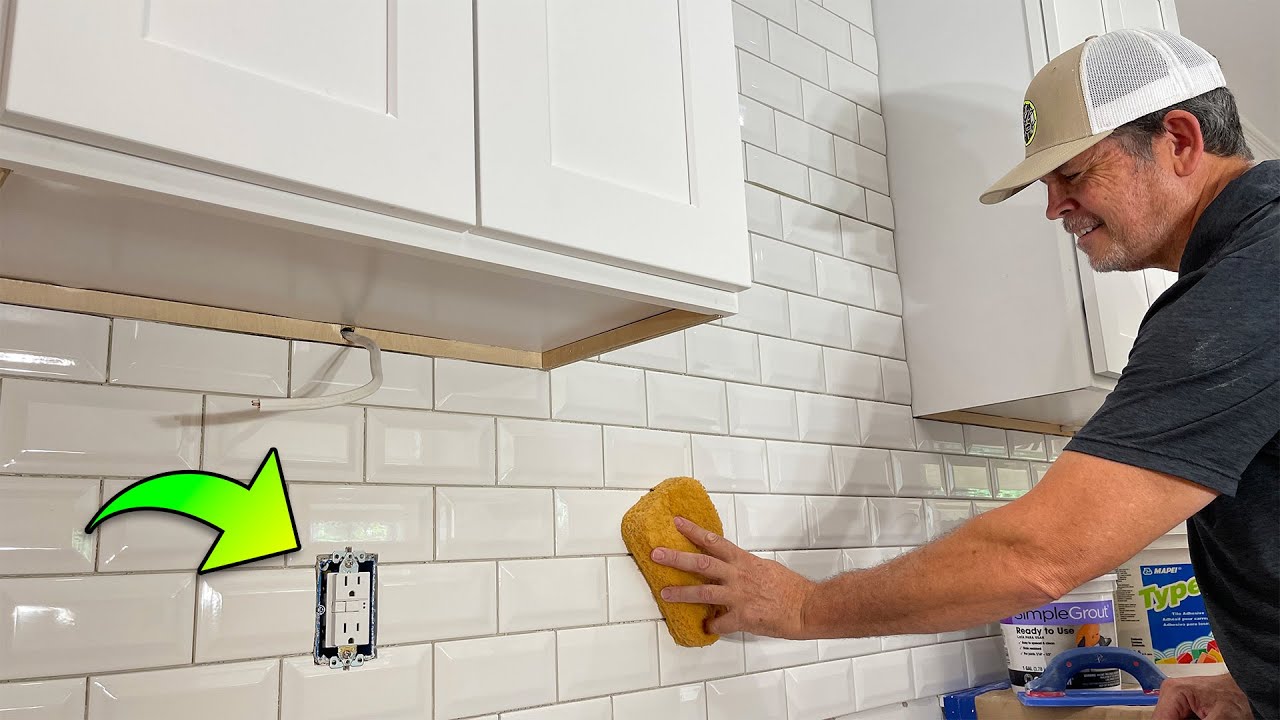
- First Cleaning (Hazing): Wait about 15-30 minutes (check grout instructions) for the grout to set slightly. Then, using a damp (not wet) sponge, gently wipe the tile surfaces in a circular motion to remove the grout haze. Rinse your sponge frequently in a clean bucket of water. Be careful not to press too hard, as this can pull grout out of the joints.
- Second Cleaning: After another hour or so, you may notice a slight haze remaining. Use a clean, dry cloth or a slightly damp sponge to buff the tiles and remove the remaining haze.
Sealing Your Grout and Tiles (Optional but Recommended)
This step protects your beautiful new backsplash.
- Grout Sealer: Once the grout has fully cured (this can take several days to a week, check the grout packaging), apply a grout sealer using a small brush or applicator. This helps prevent stains and moisture absorption.
- Tile Sealer (for natural stone): If you’ve used natural stone tiles, you’ll likely need to seal them as well to protect against stains and etching. Follow the stone manufacturer’s recommendations.
Tips for a Flawless Tile Backsplash Installation
Here are some pro tips to elevate your DIY project.
- Work in Small Sections: Don’t spread too much adhesive at once, or it will dry out before you can place your tiles.
- Use a Level Constantly: Check your work horizontally and vertically as you go. A misplaced tile early on can throw off the entire job.
- Clean as You Go: Wipe up any excess adhesive or grout immediately. It’s much harder to remove once it’s dried.
- Consider a Wet Saw for Intricate Cuts: For complex cuts around outlets or curved edges, a wet saw makes the job much cleaner and easier. You can often rent these from tool rental stores.
- Test Fit Tiles: Before applying adhesive, dry-fit a few tiles to see how they will lay out, especially if you’re working with a pattern.
- Proper Backsplash Spacing: The correct use of spacers is crucial for a professional finish. Don’t skip this step.
- Don’t Rush Grouting: Grouting can be a messy job. Take your time, and follow the cleaning steps carefully to avoid damaging your new grout lines.
- Safety First: Always wear safety glasses when cutting tiles and gloves when handling adhesive and grout. Consider turning off power to outlets if you’re working near them.
Frequently Asked Questions (FAQ)
Q: How much extra tile should I buy?
A: It’s recommended to buy 10-15% extra tile to account for cuts, mistakes, and future repairs.
Q: Can I tile over existing wallpaper?
A: It’s best to remove wallpaper first. If the wallpaper is well-adhered and the wall underneath is in good condition, you might be able to tile over it with a special primer, but professional advice is recommended.
Q: What’s the best type of grout for a kitchen backsplash?
A: For most tile backsplashes, sanded grout is recommended as it’s stronger and helps prevent shrinkage and cracking in wider grout joints. For very narrow grout joints (1/8 inch or less), unsanded grout might be preferable.
Q: How do I clean grout haze?
A: Grout haze is removed by gently wiping the tiles with a damp sponge after the grout has set slightly, then buffing with a dry cloth. Specialized haze removers are also available.
Q: How long does it take to install a backsplash?
A: For a small to medium-sized kitchen, a DIY backsplash installation can take anywhere from one to three days, depending on your experience level, the complexity of the tile design, and drying times.
Installing a ceramic tile backsplash or a subway tile backsplash can be a rewarding DIY project that significantly enhances the look and feel of your kitchen. By following these steps and paying attention to detail, you can achieve professional-looking results that you’ll be proud of for years to come. This kitchen renovation backsplash upgrade is a fantastic way to boost your home’s aesthetic and value.