
Can you remove a kitchen faucet yourself? Yes, you absolutely can remove a kitchen faucet yourself with the right tools and a little patience. This guide will walk you through the process, making old faucet removal a manageable DIY project.
Replacing an old, leaky, or outdated kitchen faucet is a common home improvement task that can significantly update the look and functionality of your kitchen. While it might seem daunting, with the correct preparation and a step-by-step approach, you can successfully remove your old kitchen faucet and pave the way for new faucet installation. This detailed guide will equip you with the knowledge to tackle this job safely and efficiently.
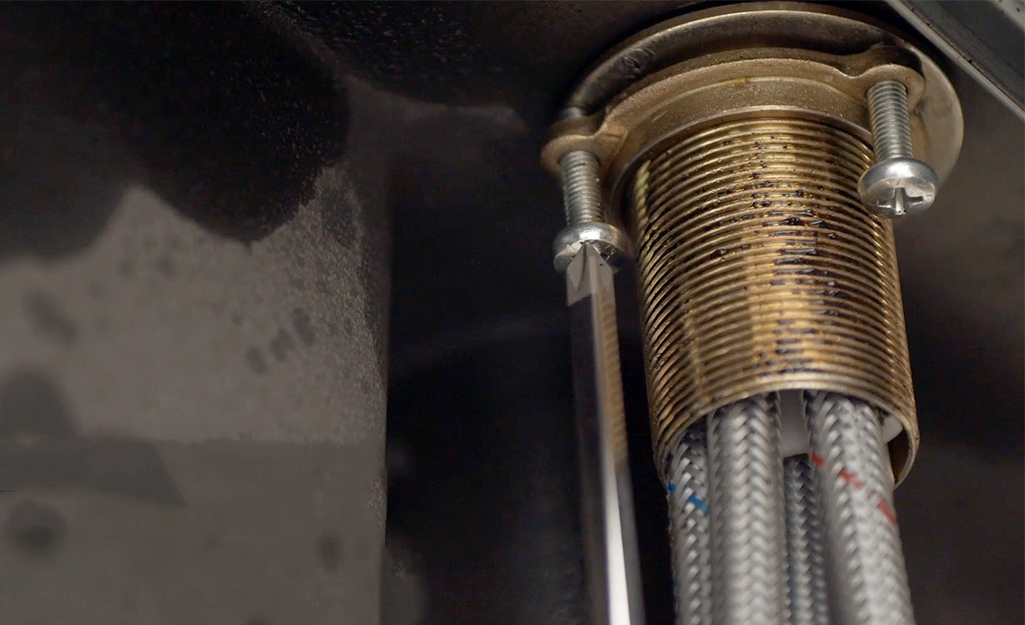
Image Source: contentgrid.homedepot-static.com
Gathering Your Tools and Supplies
Before you dive in, it’s crucial to have all the necessary tools and supplies readily available. This will prevent frustration and ensure a smooth process.
Essential Tools for Faucet Removal:
- Adjustable Wrench: A standard adjustable wrench is essential for loosening and tightening various nuts and fittings.
- Basin Wrench: This specialized tool is a lifesaver. Its long shaft and pivoting jaw are designed to reach and grip the faucet nuts located in the tight, awkward space under the sink. If you don’t have one, consider borrowing or purchasing one; it will make the job much easier.
- Pliers: Various types of pliers, such as slip-joint or channel-lock pliers, can be useful for gripping stubborn parts or holding components in place.
- Screwdriver Set: You might need Phillips head or flathead screwdrivers for removing handle screws or escutcheon plates.
- Bucket or Towels: To catch any residual water that may drip from the pipes once the water is shut off.
- Safety Glasses: Protect your eyes from falling debris or splashes.
- Work Light or Flashlight: The area under the sink is often dark, so a good light source is vital.
- Penetrating Oil (Optional but Recommended): For older faucets, nuts and bolts can become corroded and difficult to loosen. A spray of penetrating oil can help break them free.
- Scrub Brush and Cleaner: For cleaning the sink area after the old faucet is removed.
Supplies for Cleanup and Preparation:
- Rags: For wiping up spills and drying parts.
- Trash Bag: To dispose of old parts and debris.
Preparing for Faucet Removal: The Crucial First Steps
Safety and proper preparation are paramount when undertaking any plumbing task. Skipping these steps can lead to water damage or injury.
1. Turning Off the Water Supply: The Most Important Step
The absolute first and most critical step is to turn off the water supply to the faucet. Failure to do this will result in a flood.
- Locate the Under-Sink Shut-Off Valves: Most kitchen sinks have two under sink shut off valves, one for hot water and one for cold water, located on the pipes leading to the faucet. These typically have a lever or a round handle.
- Close the Valves: Turn the handles clockwise until they are snug. If your valves are old or stiff, they might require a bit of force, but avoid over-tightening, which can damage them.
- Test the Water Flow: Turn on the faucet handles to drain any remaining water in the lines and to confirm that the water is indeed shut off. Let the water run until no more comes out.
2. Clearing the Workspace Under the Sink
To work effectively, you need unobstructed access to the pipes and mounting hardware beneath the sink.
- Remove Everything: Take out all cleaning supplies, bins, or any other items stored under the sink.
- Place Towels or a Bucket: Position towels or a shallow bucket directly beneath the water supply lines and faucet mounting area. This will catch any drips that might escape when you disconnect the lines.
The Process of Removing Your Kitchen Faucet: Step-by-Step
With the water off and the workspace clear, you’re ready to begin the actual removal process.
Step 1: Disconnecting the Water Supply Lines
The flexible supply lines connect the shut-off valves to the faucet. These need to be disconnected carefully.
- Identify the Connections: Look for the nuts where the flexible supply lines attach to the faucet shanks.
- Use Your Wrench: Place an adjustable wrench onto the nut connecting the supply line to the faucet. You may need to hold the faucet shank steady with another wrench or pliers to prevent it from turning, especially if it’s not firmly seated.
- Unscrew the Nuts: Turn the wrench counter-clockwise to loosen and remove the nuts. Be prepared for a small amount of residual water to drip out, which is what your bucket or towels are for.
- Disconnect Both Lines: Repeat this process for both the hot and cold water supply lines.
Step 2: Removing the Faucet Handles (If Applicable)
Some faucet designs have separate handles that need to be removed before the main faucet body.
- Look for Set Screws: Many handles are secured with a small set screw, often located on the underside or back of the handle.
- Use the Correct Screwdriver: You might need a small flathead screwdriver or an Allen wrench to loosen and remove these set screws.
- Gently Pry Off Handles: Once the set screw is removed, the handle should lift or pull off. If it’s stuck, a gentle wiggle or a bit of penetrating oil might help. Be careful not to force it, as you could damage the handle or the faucet body.
Step 3: Loosening and Removing the Faucet Mounting Hardware
This is often the trickiest part, as the hardware is usually in a confined space. This is where your basin wrench comes in handy.
- Locate the Faucet Nuts: Underneath the sink, you’ll see the faucet shanks extending down. There will be large nuts (often brass or plastic) that secure the faucet to the sink or countertop.
- Position the Basin Wrench: The long shaft of the basin wrench allows you to reach these nuts from an angle. Adjust the jaw of the wrench to grip the nut securely.
- Unscrew the Faucet Nuts: Turn the basin wrench counter-clockwise to loosen the nuts. This can require significant force, especially if they are old or corroded. You might need to reposition the wrench several times.
- Remove Washers and Plates: As you unscrew the nuts, you might also encounter rubber or metal washers and mounting plates. Remove these as well.
- Handling Stubborn Nuts: If the nuts are extremely tight or corroded, apply penetrating oil and let it sit for a while before trying again. In rare cases, you might need to carefully cut through a corroded nut with a hacksaw, being extremely cautious not to damage the sink or countertop.
Step 4: Lifting the Old Faucet Away
Once all the nuts and supply lines are disconnected, the old faucet should be loose.
- Pull Upward: From above the sink, gently pull the faucet upward. It should lift free from the sink or countertop.
- Check for Sealant: There might be plumber’s putty or silicone sealant holding the faucet base to the sink. If the faucet doesn’t lift easily, carefully run a utility knife around the base to break the seal.
- Remove Escutcheon Plate: If your faucet has an escutcheon plate (a decorative plate that covers the holes in the sink), remove it along with the faucet.
Step 5: Cleaning the Sink Surface
After the old faucet removal, you’ll likely find mineral deposits, old putty, or sealant on the sink surface where the faucet was mounted.
- Scrape Away Residue: Use a plastic scraper or putty knife to gently remove any hardened putty or sealant.
- Clean the Area: Use an appropriate cleaner and a scrub brush to remove any stains or mineral buildup. A clean surface is essential for a proper seal with your new faucet.
Common Challenges and How to Overcome Them
Even with the best preparation, you might encounter a few bumps along the way. Here’s how to handle them.
Stubborn or Corroded Nuts
- Penetrating Oil is Your Friend: Apply a generous amount of penetrating oil to the threads of the nuts. Let it soak for at least 15-30 minutes (or even longer for very stubborn cases) before attempting to loosen them again.
- Heat (Use with Extreme Caution): In very rare and difficult situations, a bit of gentle heat from a hairdryer or heat gun can help expand the metal and break the corrosion. Be extremely careful not to overheat or damage the surrounding materials, especially plastic or countertops. This method is best left to experienced DIYers or plumbers.
- Nut Splitter: For extremely stubborn, rounded-off nuts, a nut splitter tool can be used to carefully break them apart.
Leaking Shut-Off Valves
- Tighten Slightly: If you notice a slight drip from a shut-off valve when you’re trying to close it, try tightening it just a little more.
- Temporary Solution: If a valve is leaking significantly, you might need to shut off the main water supply to the house if the under-sink valves are faulty.
- Valve Replacement: If your under-sink valves are old and leaking, consider replacing them as part of your project. This usually involves shutting off the main water supply, unscrewing the old valve, and installing a new one.
Accessing Tight Spaces
- Basin Wrench is Key: As mentioned, the basin wrench is specifically designed for this. Make sure you have the right size wrench and that its jaws are gripping the nut well.
- Patience and Repositioning: You may need to reposition the wrench multiple times to get the right leverage. Don’t be afraid to try different angles.
Transitioning to New Faucet Installation
Once the old faucet is successfully removed and the area is clean, you’re ready for the next phase: new faucet installation. Ensure you have your new faucet and its accompanying installation guide. Typically, the process involves:
- Preparing the New Faucet: Following the manufacturer’s instructions to assemble any preliminary parts of the new faucet.
- Applying Sealant: Using plumber’s putty or silicone sealant around the base of the new faucet to create a watertight seal with the sink.
- Mounting the New Faucet: Inserting the faucet shanks through the holes in the sink and securing them from underneath with the provided nuts and washers.
- Connecting Supply Lines: Attaching the new flexible supply lines to the faucet and the shut-off valves.
- Testing for Leaks: Turning the water supply back on gradually and checking all connections for leaks before fully tightening everything.
Frequently Asked Questions About Faucet Removal
Q1: How long does it typically take to remove a kitchen faucet?
A: For an experienced DIYer, removing a kitchen faucet can take as little as 30 minutes to an hour. For a first-timer, it might take 1-3 hours, especially if you encounter stubborn parts or need to research a specific faucet type.
Q2: What if my faucet handles are stuck?
A: If faucet handles are stuck, first ensure you’ve removed any visible set screws. If they are still stuck, try gently wiggling them. You can also try spraying a little penetrating oil around the base of the handle and letting it sit for a few minutes. Avoid using excessive force, which could break the handle.
Q3: Can I use regular pliers instead of a basin wrench?
A: While you might be able to use regular pliers or a standard adjustable wrench for some parts, a basin wrench is highly recommended for loosening the faucet nuts under the sink. Its design makes reaching and gripping these nuts much easier and more effective in the tight confines.
Q4: What should I do if I can’t turn off the water supply under the sink?
A: If the under sink shut off valves are not working or are leaking themselves, your only option is to turn off the water supply to your entire house. This valve is usually located where the water pipe enters your home, often in the basement, garage, or utility closet. Once the main water is off, you can proceed with disconnecting the lines.
Q5: Is it safe to cut off the old faucet mounting nuts?
A: Cutting off mounting nuts should be a last resort. If you must do it, use a hacksaw blade with a blade guard or a metal-cutting jigsaw. Be extremely careful not to damage the sink, countertop, or any surrounding plumbing. Always wear safety glasses when cutting metal.
Q6: Do I need to replace the supply lines when removing an old faucet?
A: It is highly recommended to replace the flexible supply lines whenever you remove and reinstall a faucet, especially if they are old. Supply lines are relatively inexpensive and can degrade over time, leading to leaks. Using new lines ensures a reliable connection for your new faucet installation.
By following these steps and taking your time, you can safely and efficiently remove your old kitchen faucet. This DIY project is a rewarding way to give your kitchen a facelift. Remember to work carefully and have fun with your home improvement!