
What is the quickest way to get rid of moths in the kitchen? The fastest way to eliminate moths in the kitchen involves a multi-pronged attack: immediate cleaning, eliminating food sources, using traps, and applying deterrents. This guide will walk you through everything you need to do to achieve a moth-free kitchen.
A kitchen moth infestation can be a frustrating and unsanitary problem. These tiny pests, often referred to as food moths or pantry moths, can quickly spoil your stored food items and spread. But don’t despair! With the right approach, you can effectively tackle these unwelcome guests and prevent their return.
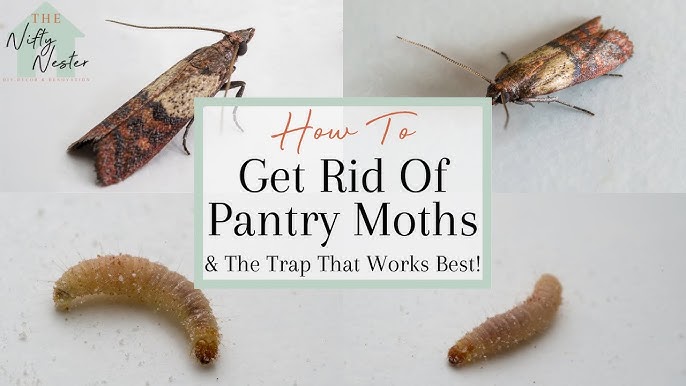
Image Source: i.ytimg.com
Identifying the Culprits: What Are Pantry Moths?
Before we dive into elimination, it’s crucial to know what you’re dealing with. Pantry moths, also known as Indian meal moths, are a common household pest attracted to dried foods like grains, cereals, flour, nuts, seeds, dried fruits, and even pet food. They are small, about half an inch long, with a distinctive copper or bronze coloration on their wingtips.
Life Cycle of a Pantry Moth
To effectively combat them, we need to understand their life cycle. This helps target them at every stage:
- Eggs: Adult female moths lay tiny, almost invisible eggs, usually in or near food sources.
- Larvae (Worms): Once hatched, the moth larvae, or caterpillars, are the primary culprits causing damage. They spin silken webbing as they feed and move, contaminating your food.
- Pupae: After reaching a certain size, the larvae will pupate, often in cracks and crevices away from the food source, preparing to become adult moths.
- Adult Moths: Adult moths fly around, mate, and lay more eggs, continuing the cycle. The adult moths themselves don’t eat or cause damage, but they are the reproductive stage.
Step-by-Step Guide to Eliminating Moths in Your Kitchen
Getting rid of food moths requires a thorough and systematic approach. Here’s how to tackle a kitchen moth infestation head-on:
Step 1: The Great Kitchen Purge
This is the most critical step. You need to find and discard all infested food items.
1. Empty Your Pantry and Cupboards
- Take everything out of your pantry, cupboards, and any other storage areas where you keep dry goods.
- Lay out all items on a clean table or countertop.
2. Inspect Every Item Meticulously
- Examine packaged goods for signs of infestation: holes in packaging, fine silken webbing, or visible larvae.
- Even if you don’t see obvious signs, if an item is known to be a favorite for moths (like flour, cereal, or dried fruit), it’s best to be cautious.
- Check nuts, seeds, pasta, rice, oats, dried herbs, spices, chocolate, and even decorative items containing dried plant matter.
- Don’t forget pet food and birdseed!
3. Discard Infested Items
- Seal any infested items in a plastic bag immediately.
- Take the sealed bags directly outside to your garbage bin. Do not leave them in your kitchen trash can.
Step 2: Deep Cleaning for Moth Eggs and Larvae
Once the infested food is gone, it’s time to clean thoroughly. You need to eliminate any remaining moth eggs or moth larvae that might be hiding.
1. Vacuum Thoroughly
- Use a vacuum cleaner with a crevice tool to clean all shelves, walls, ceilings, corners, and any cracks or crevices within your pantry and cupboards.
- Moths love to hide in these tight spaces.
- After vacuuming, immediately remove the vacuum bag or empty the canister into a sealed plastic bag and dispose of it outside.
2. Wash All Surfaces
- Wipe down all shelves, walls, and the insides of cupboards with hot, soapy water.
- A solution of white vinegar and water (50/50) is also an excellent and natural disinfectant that can help kill any remaining eggs or larvae.
- Pay close attention to corners, edges, and any hardware like shelf supports.
3. Clean Appliances and Other Areas
- Don’t forget to check and clean around appliances that store food, such as toasters, microwaves, and mixers.
- Moths can also infest decorative items like dried flower arrangements or potpourri. Inspect these and discard if necessary.
Step 3: Deploying Moth Traps
Pantry moth traps are an excellent tool for catching the adult moths that you might have missed and for monitoring if the problem persists.
How Pantry Moth Traps Work
These traps typically use pheromones to attract male moths. Once they enter the trap, they become stuck on a sticky surface. This not only reduces the moth population but also helps you gauge the extent of the infestation.
Placement of Traps
- Place traps in and around your pantry and kitchen cupboards.
- Avoid placing them directly next to stored food.
Step 4: Natural Moth Repellents and Deterrents
Once your kitchen is clean, it’s time to make it less appealing to moths. Using natural moth repellent options is a safe and effective way to deter them.
Essential Oils
Many essential oils have properties that moths dislike.
- Peppermint Oil: Known for its strong scent.
- Eucalyptus Oil: Another powerful deterrent.
- Clove Oil: Moths are repelled by its strong aroma.
- Tea Tree Oil: Has insecticidal properties.
- Lavender Oil: A pleasant scent for humans, but not for moths.
How to Use Essential Oils:
- Soak cotton balls or small pieces of cloth with a few drops of your chosen essential oil.
- Place these in small, breathable containers (like small muslin bags or perforated plastic containers) on shelves or in corners of your pantry.
- Reapply the oil every week or two as the scent fades.
Bay Leaves
Dried bay leaves are a classic natural moth repellent. Their strong scent is thought to deter moths.
- Place dried bay leaves on pantry shelves or tuck them into containers of dry goods.
- Replace them every few months.
Cedar
Cedarwood has a natural scent that repels moths.
- You can use cedar blocks, balls, or shavings.
- Place them in sachets or directly on shelves.
- Refresh the scent by lightly sanding the cedar every few months.
Step 5: Sealing and Storing Food Properly
Preventing moths in the kitchen is as important as getting rid of them. Proper storage is key.
Airtight Containers
- Transfer all dry goods, including flour, sugar, grains, pasta, cereal, nuts, and dried fruits, into airtight containers.
- Glass, metal, or sturdy plastic containers are ideal.
- This prevents moths from accessing your food and also stops them from spreading if an item accidentally becomes contaminated.
Regular Inventory and Rotation
- Keep your pantry organized.
- Use older items first (first-in, first-out method).
- Regularly check the dates and condition of your stored foods.
Advanced Tactics for Persistent Infestations
If you’ve followed the steps above and are still experiencing issues, you might need more intensive kitchen insect control.
Professional Pest Control
In severe or persistent cases, consider calling a professional pest control service. They have access to stronger treatments and expertise to eradicate the infestation effectively.
Moth Egg Lifecycle Treatment
Remember that moth eggs and moth larvae are the primary damage-causers. Adult moths are merely the reproductive stage. If you miss eggs or larvae, the problem will return.
Checking Other Areas
Sometimes, moths can establish themselves in unexpected places:
- Spices: Especially ground spices.
- Tea and Coffee: Dried leaves and beans can be a food source.
- Decorative Items: Dried flowers, potpourri, wreaths.
- Pet Food: Often overlooked but a common attractant.
- Back of cupboards: Check for any sticky residue or webbing.
Prevention is Key: Ongoing Kitchen Moth Control
Once you’ve successfully rid your kitchen of moths, the goal is to keep them away.
Regular Inspections
- Make it a habit to periodically check your pantry items, especially those you haven’t used in a while.
Cleaning Routine
- Wipe down pantry shelves regularly, even if you don’t see any pests.
- Vacuuming your pantry floor and shelves can help remove stray eggs or food particles.
Rotating Stock
- Always use older food items before newer ones. This reduces the chance of food sitting for too long and becoming a target.
Sealing Entry Points
- Check for any cracks or gaps in your kitchen walls, window frames, or door frames where moths might enter. Seal them as needed.
What to Do If You Find Moth Larvae in a Sealed Package
It’s frustrating, but it can happen. If you find moth larvae or webbing inside a sealed package:
- Do NOT open the package in your kitchen.
- Seal the package tightly in a plastic bag.
- Dispose of it immediately in an outdoor trash bin.
- Thoroughly clean the area where the package was stored.
FAQ: Your Pantry Moth Questions Answered
Here are some common questions about dealing with kitchen moths.
Q1: How do pantry moths get into my kitchen in the first place?
A: Pantry moths are typically brought into your home in contaminated food products purchased from the grocery store. They can also enter through open windows or doors.
Q2: Can I kill pantry moths with just pantry moth traps?
A: Pantry moth traps are excellent for catching adult moths and reducing their numbers, but they won’t eliminate an infestation on their own. You must also clean and remove the food sources that the larvae feed on.
Q3: How do I know if I have a moth infestation?
A: Signs include seeing small moths flying around your kitchen or pantry, finding silken webbing in food containers or on shelves, and noticing larvae or small caterpillars in your dry goods.
Q4: What is the fastest way to get rid of pantry moths?
A: The fastest way involves a thorough clean-out of all stored foods, discarding infested items, vacuuming thoroughly, and using pantry moth traps and natural moth repellent simultaneously.
Q5: Can I use mothballs in my kitchen pantry?
A: Mothballs are generally not recommended for kitchen pantries. They contain chemicals that can be toxic if ingested or inhaled, and their strong odor can contaminate food. Natural repellents are a safer alternative.
Q6: How long does it take to get rid of pantry moths?
A: With a thorough cleaning and consistent application of traps and deterrents, you can significantly reduce the moth population within a week. However, it might take several weeks of vigilance to ensure all life stages are eliminated and prevent re-infestation.
Q7: What kills moth eggs?
A: Heat (above 120°F or 49°C) and freezing temperatures (below 0°F or -18°C) can kill moth eggs and larvae. Thorough cleaning with soap and water or a vinegar solution also helps remove them.
By following these comprehensive steps, you can effectively banish moths from your kitchen and maintain a clean, healthy environment. Remember, consistency and thoroughness are your best allies in the fight against these persistent pests.