
Want to know how to organize your kitchen? Start by decluttering everything you don’t need and then create systems for the items you keep.
A well-organized kitchen makes cooking easier, saves you time, and reduces stress. If your kitchen feels chaotic, it’s time for a change. This guide will walk you through decluttering your entire kitchen, from cabinets and drawers to your pantry and refrigerator, and then maximizing your space with smart kitchen storage solutions. We’ll cover declutter kitchen strategies, pantry organization, cabinet organization, drawer organizers, kitchen counter organization, meal prep organization, refrigerator organization, and small kitchen organization tips. We’ll also touch upon kitchen cleaning and organizing as a combined effort.
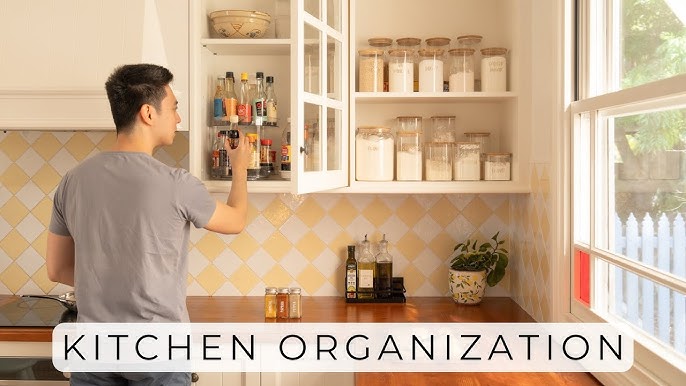
Image Source: i.ytimg.com
The Big Kitchen Declutter: Your Starting Point
Before you can organize, you need to clear out the clutter. Think of this as a fresh start for your culinary haven.
Step 1: Empty It Out (As Much As Possible)
This might seem daunting, but it’s the most effective way to see everything you have.
- Zone by Zone: Tackle one area at a time to avoid feeling overwhelmed. Start with a single cabinet or drawer.
- The “Keep,” “Donate,” “Trash,” and “Relocate” Piles: As you empty each space, sort items immediately.
- Keep: Items you use regularly and love.
- Donate: Usable items you no longer need or want. Think about local shelters or friends.
- Trash: Broken items, expired food, and anything unusable.
- Relocate: Items that belong in another room.
Step 2: Tackle Specific Categories
- Expired Food: This is a big one! Check all pantry items, spices, and refrigerator contents. Get rid of anything past its prime.
- Duplicate Utensils/Gadgets: How many whisks do you really need? Keep the best ones and let go of the rest.
- Chipped or Cracked Dishes/Glasses: These are safety hazards and clutter magnets.
- Unused Small Appliances: If you haven’t used that waffle maker in a year, it might be time to pass it on.
- Mismatched Lids: If you can’t find the right lid for a container, the container often becomes useless.
- Old Cookbooks/Recipes: Keep the ones you actually use. Digitize special family recipes if you prefer.
Step 3: Deep Clean as You Go
As you empty spaces, take the opportunity to clean them thoroughly. Wipe down shelves, wash out drawers, and clean appliance interiors. This makes the organizing process much more satisfying.
Mastering Your Cabinets and Drawers: The Core of Organization
Cabinets and drawers are the workhorses of your kitchen. Organizing them effectively is key to a functional space.
Cabinet Organization: Finding a Home for Everything
Cabinets often become black holes for pots, pans, dishes, and spices.
Kitchen Storage Solutions for Cabinets:
- Stack Wisely:
- Pots and Pans: Store nesting pots and pans together. Use pot lid organizers or dividers to keep lids tidy.
- Dishes: Stack plates and bowls by size. Use plate racks or risers to create vertical space.
- Utilize Vertical Space:
- Shelf Risers/Stacking Shelves: These are game-changers for doubling storage in cabinets. Perfect for plates, bowls, mugs, or canned goods.
- Under-Shelf Baskets: Add extra storage beneath existing shelves for smaller items like dish towels or cleaning supplies.
- Group Like Items:
- Baking Supplies: Keep all baking ingredients, tools, and pans together.
- Serving Dishes: Store your serving platters and bowls in one accessible cabinet.
- Glassware: Keep drinking glasses and wine glasses together.
Specific Cabinet Solutions:
- Spice Racks:
- Tiered Racks: Allow you to see all your spices at a glance.
- In-Cabinet Door Racks: Utilize the back of cabinet doors for spice storage.
- Drawer Inserts: For spices stored in drawers, these keep jars upright and labeled.
- Lazy Susans (Turntables): Ideal for corner cabinets or deep cabinets. They make it easy to access items at the back, especially oils, vinegars, and jars.
- Pull-Out Shelves/Drawers: If your budget allows, these are excellent for deep cabinets, making it easier to reach items without rummaging.
Drawer Organizers: Taming the Chaos
Drawers are notorious for becoming jumbled messes. Drawer organizers are your best friend here.
Types of Drawer Organizers:
- Utensil Trays: The classic choice for forks, knives, and spoons. Look for adjustable ones to fit your specific drawer dimensions.
- Expandable Drawer Dividers: These are fantastic for separating larger utensils, cooking tools, or even linens.
- Small Compartment Organizers: Perfect for smaller items like measuring spoons, peelers, can openers, and spice packets.
- Knife Blocks (In-Drawer): A safe and organized way to store knives, keeping blades protected.
- Customizable Drawer Inserts: Many companies offer modular inserts that you can arrange to fit your exact needs.
Tips for Drawer Organization:
- Assign Each Drawer a Purpose: One for cutlery, one for cooking tools, one for gadgets, one for baking tools, etc.
- Store Vertically: For items like spatulas or whisks, try standing them up in a drawer if possible, perhaps with a divider.
- Label (Optional but Helpful): Especially if you have many similar-looking tools.
Pantry Organization: The Heart of Your Kitchen Stock
A well-organized pantry saves you money by preventing food waste and makes meal planning so much smoother.
Pantry Organization Strategies:
- Decant and Contain:
- Airtight Containers: Transfer dry goods like pasta, rice, flour, sugar, and cereal into clear, airtight containers. This keeps food fresh, prevents spills, and creates a uniform look.
- Baskets and Bins: Use baskets for grouping items like snacks, baking supplies, or breakfast items. This makes it easy to pull out a whole category.
- Categorize Everything: Group similar items together.
- Breakfast items (cereal, oatmeal, pancake mix)
- Baking supplies (flour, sugar, chocolate chips, vanilla)
- Canned goods (soups, vegetables, beans)
- Pasta and grains
- Snacks
- Oils and vinegars
- Spices (if not in cabinets)
- Use Vertical Space:
- Tiered Shelving: Similar to cabinets, tiered shelves allow you to see items in the back.
- Stackable Bins: Maximize height.
- Door Organizers: Great for smaller jars, spice packets, or snack bars.
- Labeling is Crucial: Label containers, baskets, and shelves clearly. This helps everyone in the house find things and put them back correctly. Use a label maker, chalkboard labels, or simple masking tape and a marker.
Pantry Storage Solutions:
| Item Type | Recommended Solution | Benefits |
|---|---|---|
| Dry Goods | Airtight, clear containers | Freshness, visibility, pest prevention, uniform look |
| Snacks | Baskets or bins | Easy to grab, keeps items contained |
| Canned Goods | Can organizers (stacking or tiered dispensers) | Visibility, prevents cans from rolling, saves space |
| Spices | Tiered racks, drawer inserts, door organizers | Visibility, easy access, prevents clutter |
| Oils & Vinegars | Lazy Susans or designated bins | Easy to access, prevents spills, keeps bottles upright |
| Baking Supplies | Dedicated bins or containers | Keeps all ingredients and tools together |
| Bottles (water) | Bottle racks or stackable bins | Prevents rolling, maximizes vertical space |
| Bulk Items | Large, clear, airtight bins with scoopers (for flour) | Keeps fresh, easy to portion, prevents spills |
Small Kitchen Organization Tips for Pantries:
- Think Vertically: Use every inch of wall space with shelving and organizers.
- Door Space is Gold: Install racks or shelves on the inside of your pantry door.
- Clear Containers: Make your small pantry feel larger and more open.
- Slim Rolling Carts: These can fit into narrow gaps between appliances or cabinets.
Kitchen Counter Organization: Keeping Surfaces Clear
Clear countertops are the hallmark of an organized kitchen. They not only look better but also provide much-needed workspace.
Strategies for Kitchen Counter Organization:
- The “One In, One Out” Rule: For decorative items or frequently used appliances on the counter, try to keep the number consistent.
- Contain the Essentials:
- Utensil Crock: Keep frequently used cooking utensils (spatulas, wooden spoons) in a crock near the stove.
- Knife Block/Magnetic Strip: Safely store knives off the counter.
- Fruit Bowl: A designated spot for fresh fruit.
- Paper Towel Holder: Keep them within easy reach.
- Appliance Garage: If you have space, designate cabinets for appliances you don’t use daily (mixer, blender).
- Trays for Grouping: Use a decorative tray to group smaller items like salt and pepper shakers, oil bottles near the stove, or coffee essentials.
- Floating Shelves: Add vertical storage for frequently used items like cookbooks or decorative canisters without taking up counter space.
- Wall-Mounted Organizers: Consider magnetic strips for knives, spice racks, or utensil racks mounted on the wall.
What NOT to Keep on Counters:
- Mail and paperwork
- Keys and loose change
- Small appliances used infrequently
- Excessive decorative items that impede workspace
Refrigerator Organization: Freshness and Efficiency
A tidy refrigerator makes meal planning easier and helps you see what you have at a glance, reducing food waste.
Refrigerator Organization Tips:
- Clean Before Organizing: Start with a clean slate. Remove everything, wipe down shelves and drawers, and discard expired items.
- Zone Your Fridge: Designate specific areas for different types of food.
- Top Shelf: Ready-to-eat foods like leftovers, yogurt, drinks.
- Middle Shelves: Dairy, eggs, deli meats.
- Bottom Shelf: Raw meats and poultry. This is crucial for safety, as it prevents drips from contaminating other foods.
- Crisper Drawers: Use them for their intended purpose – fruits and vegetables. Adjust humidity settings if available.
- Door Shelves: Condiments, sauces, juices, water. Items less sensitive to temperature fluctuations.
- Use Containers and Bins:
- Clear Bins: Group similar items like yogurts, cheese sticks, or deli meats. This makes it easy to pull out a category and prevents items from getting lost.
- Lazy Susans: Great for condiments or jars on door shelves.
- Label Everything (Optional): Especially for leftovers, you can add a date.
- “Eat Me First” Bin: Designate a bin for items that are nearing their expiration date or need to be used up.
Meal Prep Organization: Streamlining Your Cooking
If you meal prep, having an organized kitchen is even more important.
Meal Prep Organization Strategies:
- Dedicated Prep Zone: Clear a large section of your countertop for chopping, mixing, and assembling meals.
- Storage Containers Ready: Have your meal prep containers (glass or BPA-free plastic) washed and ready to go. Stack them neatly in a cabinet or drawer.
- Ingredient Prep Station:
- Pre-Chop Veggies: Store chopped vegetables in airtight containers.
- Portion Grains: Cook and portion rice, quinoa, or pasta.
- Marinate Meats: Marinate proteins in individual bags or containers.
- Organized Spices and Oils: Keep your most-used meal prep ingredients easily accessible.
- Recipe Organization: Have your recipes printed or on a tablet, and keep related ingredients together.
- Cooling Racks: Have a place to cool baked or cooked items before storing them.
Small Kitchen Organization Tips: Maximizing Every Inch
Living with a small kitchen doesn’t mean you have to sacrifice organization.
Small Kitchen Organization Tips:
- Think Vertically, Always:
- Wall Space: Install shelves, magnetic strips, and hanging racks for pots, pans, utensils, and spices.
- Backs of Doors: Use over-the-door organizers for pantry items, cleaning supplies, or even pot lids.
- Multi-Functional Items: Choose items that serve more than one purpose, like a cutting board that fits over the sink or nesting mixing bowls.
- Slim Storage:
- Rolling Carts: Tuck them into narrow spaces.
- Slim Drawers: Look for narrow drawer units to slide under cabinets.
- Declutter Ruthlessly: In a small space, every item needs to earn its keep. If you don’t use it, get rid of it.
- Smart Drawer Organizers: Use dividers to maximize the space in shallow drawers.
- Clear Containers: Make your pantry and cabinets feel more spacious and easy to navigate.
- Under-Sink Organization: Use stackable bins, pull-out drawers, or tension rods to organize cleaning supplies.
- Portable Islands or Carts: Provide extra counter space and storage, and can often be moved out of the way.
Kitchen Cleaning and Organizing: A Perfect Partnership
Kitchen cleaning and organizing go hand-in-hand. You can’t truly organize a dirty space, and an organized space is much easier to clean.
Integrating Cleaning into Your Organizing Routine:
- Deep Clean During Declutter: As mentioned, clean each space thoroughly as you empty it.
- Daily Wipes: Wipe down counters, stovetop, and sink daily. This prevents buildup and makes weekly cleaning easier.
- Weekly Tasks:
- Wipe down appliance exteriors.
- Clean out the microwave.
- Sweep and mop floors.
- Tidy up the refrigerator.
- Monthly/Quarterly Tasks:
- Wipe down cabinet fronts.
- Clean inside the oven.
- Descale coffee maker.
- Deep clean the dishwasher.
- Organize and wipe down pantry shelves.
- The “Clean as You Go” Principle: Wash dishes immediately after use, wipe up spills as they happen, and clean utensils while cooking. This significantly reduces the amount of cleaning needed later.
Maintaining Your Organized Kitchen: Keeping It This Way
Organization isn’t a one-time event; it’s an ongoing process.
Tips for Long-Term Kitchen Organization:
- Put Things Back Immediately: Make it a habit to return items to their designated homes right after use.
- Regular Mini-Declutters: Spend 10-15 minutes each week tidying up a specific area – a drawer, a shelf, the fridge.
- Shop Smart: Before buying new items, check if you already have something similar. When bringing new items home, consider if they will fit into your organized systems.
- Seasonal Review: Twice a year, do a quick declutter of your pantry and refrigerator. Check expiration dates and assess your inventory.
- Involve the Household: Teach family members where things belong and encourage them to participate in maintaining order.
Frequently Asked Questions (FAQ)
Q: How often should I declutter my kitchen?
A: It’s beneficial to do a quick tidy-up and declutter of high-traffic areas (like countertops and the sink area) weekly. A more thorough declutter of cabinets, drawers, and the pantry is recommended every 3-6 months, or whenever you feel overwhelmed by clutter.
Q: What’s the best way to organize a small kitchen pantry?
A: For small pantries, prioritize vertical space with shelves and stackable bins. Use clear, airtight containers for dry goods to maximize visibility and freshness. Utilize the back of the pantry door with an over-the-door organizer for smaller items. Grouping items with baskets also helps keep things contained and easy to find.
Q: How can I keep my kitchen counters clear?
A: The key is to have a designated home for everything. Store appliances that aren’t used daily in cabinets. Use attractive crocks for cooking utensils and trays to group smaller items like oils or spices. Practice the “one in, one out” rule for items kept on counters and put things away immediately after use.
Q: Are drawer organizers worth the investment?
A: Yes, drawer organizers are highly recommended. They prevent utensils and gadgets from becoming a jumbled mess, making it easier to find what you need quickly. They also maximize the usable space within your drawers.
Q: What is the most important principle of kitchen organization?
A: The most important principle is to create systems that work for you and your lifestyle, and then to maintain those systems by putting things back in their designated places immediately after use. Consistency is key.
By following these steps, you can transform your kitchen from a cluttered space into a streamlined, functional, and enjoyable part of your home. Happy organizing!