
How do you get rid of gnats in the kitchen? Getting rid of gnats in your kitchen involves a multi-pronged approach, focusing on eliminating their breeding sources, trapping the existing adults, and preventing future infestations. This often means dealing with fruit flies and other tiny kitchen pests that are drawn to the same conditions.
Are you tired of those tiny, buzzing nuisances flitting around your kitchen? You’re not alone. A kitchen infestation of gnats, often mistaken for fruit flies, can be incredibly frustrating. These tiny invaders seem to appear out of nowhere, drawn to ripe fruit, damp areas, and lingering food particles. While they might seem like a minor annoyance, a persistent gnat problem can quickly become a major pest issue. Fortunately, you don’t need harsh chemicals to reclaim your kitchen. This guide offers simple, effective, and often natural remedies to banish gnats and keep your kitchen a pest-free zone.
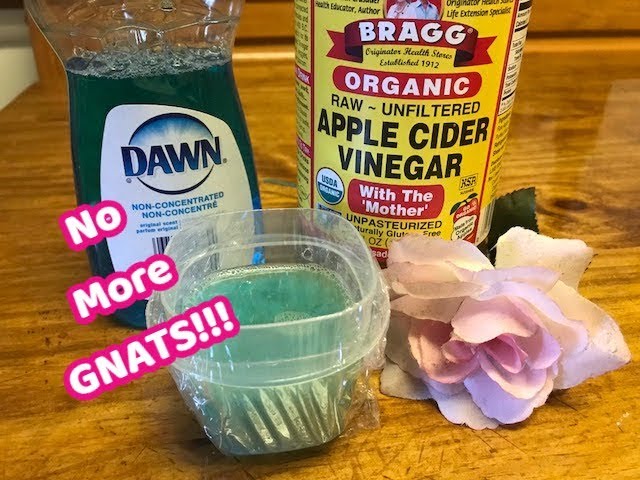
Image Source: i.ytimg.com
Identifying Your Tiny Trespassers
Before you can effectively tackle a gnat problem, it’s helpful to know what you’re dealing with. While many people use the terms interchangeably, gnats and fruit flies have distinct characteristics and preferred environments.
Gnats vs. Fruit Flies: A Closer Look
- Gnats: Generally, when people refer to gnats in the kitchen, they often mean drain flies or fungus gnats.
- Drain Flies: These are small, moth-like flies with fuzzy bodies and long antennae. They are typically found near drains, sinks, and anywhere with decaying organic matter. Their larvae feed on the slime and biofilm that builds up in these areas.
- Fungus Gnats: These are slender, dark flies that resemble tiny mosquitoes. They are often attracted to moist soil in houseplants or decaying organic matter. Their presence in the kitchen might indicate an overly damp environment or a forgotten piece of fruit.
- Fruit Flies: These are small, tan or brown flies with bright red or brown eyes. They are strongly attracted to ripening or fermenting fruits and vegetables, as well as sugary liquids like soda or wine.
Regardless of the exact species, the methods for elimination often overlap, as they share common attractants.
Why Are Gnats Invading Your Kitchen?
To effectively get rid of gnats, you need to understand what attracts them. They are not just appearing randomly; they are seeking specific conditions and resources.
Common Attractants for Gnats and Fruit Flies:
- Overripe or Spoiled Produce: This is the number one culprit. Fruits and vegetables left on counters or in bowls past their prime release ethylene gas, a signal that attracts these tiny insects.
- Damp Areas and Standing Water: Leaky pipes, condensation under sinks, damp sponges, and overflowing trash cans create perfect breeding grounds. Drain flies, in particular, thrive in the organic matter that collects in drains.
- Garbage Cans: Food scraps, especially sugary or fermented ones, in unsealed or infrequently emptied trash cans are a magnet for gnats.
- Spills and Residues: Sticky spills of juice, soda, wine, or even beer can attract them, and if left uncleaned, can become a breeding site.
- Pet Food: Wet pet food left out can also be an attraction.
- Dirty Drains: The gunk and biofilm that accumulates in kitchen drains is a favorite habitat for drain flies.
Strategies to Eliminate Existing Gnats
Once you know why they are there, you can start the process of removing them. This usually involves a combination of cleaning, trapping, and preventing access.
The Power of Prevention: Addressing the Source
The most crucial step in any pest control effort is to eliminate the source of the problem. If you don’t remove what’s attracting them and where they are breeding, your trapping efforts will be like fighting a losing battle.
Deep Cleaning Your Kitchen: The Foundation
A thorough cleaning is paramount. Think of it as removing all the “welcome mats” for these unwelcome guests.
- Produce Patrol: Inspect all fruits and vegetables. Discard anything overripe, bruised, or spoiled. Store the rest in the refrigerator or in sealed containers.
- Trash Talk: Empty your kitchen trash can daily, especially if it contains food scraps. Ensure your trash can has a tight-fitting lid and clean it regularly to remove any sticky residue.
- Sink and Drain Sanctuary:
- Clean your kitchen sink thoroughly.
- Pour boiling water down drains regularly (daily for a few days) to kill eggs and larvae.
- For stubborn drain fly infestations, use a stiff brush to scrub the inside of pipes, dislodging the biofilm. You can also use a mixture of baking soda and vinegar followed by hot water.
- Wipe Up Spills Immediately: Don’t let sugary drinks, fruit juices, or any sticky residue sit on counters, floors, or tables.
- Dampness Deterrants:
- Check for and fix any leaky faucets or pipes.
- Ensure dishcloths and sponges are wrung out and dried properly between uses.
- Don’t let standing water accumulate anywhere.
Crafting Effective Gnat Traps
Trapping is an excellent way to reduce the adult gnat population. Many homemade gnat traps and fruit fly traps are surprisingly effective and use common household items.
DIY Gnat Traps That Work
These traps rely on attracting gnats with something they love and then trapping them.
The Classic Apple Cider Vinegar Trap
This is by far the most popular and effective natural remedy for gnats and fruit flies.
What You’ll Need:
- A small bowl or jar
- Apple cider vinegar (the star ingredient!)
- A few drops of dish soap
- Plastic wrap (optional)
- Toothpick or fork (optional)
How to Make It:
- Pour the Bait: Pour about an inch of apple cider vinegar into the bowl or jar. The fermentation in the vinegar is what attracts them.
- Add the Soap: Add a few drops of liquid dish soap. This is crucial because it breaks the surface tension of the liquid. When the gnats land to drink, they’ll sink and drown instead of just walking on the surface.
- Cover and Secure (Optional): If you’re worried about accidentally knocking it over or want to prevent larger insects from getting in, you can cover the top of the bowl or jar tightly with plastic wrap.
- Create Entry Points: Use a toothpick or fork to poke several small holes in the plastic wrap. The gnats can smell the vinegar and crawl through the holes, but they’ll have a hard time finding their way back out.
- Placement: Place these traps in areas where you see the most gnat activity, such as near fruit bowls, windowsills, or over the sink.
Maintenance: Replace the vinegar mixture every few days as it loses its potency or becomes full of captured gnats.
The Fruity Funnel Trap
This variation uses a piece of ripe fruit as bait.
What You’ll Need:
- A jar or bottle
- A piece of very ripe fruit (banana peel is excellent)
- Paper to make a cone or funnel
How to Make It:
- Bait the Jar: Place a small piece of overripe fruit at the bottom of the jar or bottle.
- Make the Funnel: Roll a piece of paper into a cone shape. Ensure the tip of the cone is narrow, but not so narrow that gnats can’t get through. The wider end should be large enough to cover the mouth of the jar.
- Secure the Funnel: Place the paper funnel into the mouth of the jar, ensuring the narrow end points down towards the fruit. Tape it in place if necessary.
- Placement: Set these traps where gnats are most active. They’ll be drawn to the fruit, enter through the funnel, and get trapped inside.
The Sticky Trap Solution
Commercial sticky traps or gnat traps are readily available and very effective. These are typically yellow or blue cards coated with a strong adhesive.
How They Work:
- The bright colors attract gnats and other flying insects.
- The sticky surface ensnares them upon contact, preventing them from flying away.
Placement: Place these traps near windows, near fruit bowls, or wherever you observe the most gnat activity. They are a passive but effective way to catch many adult gnats. You can also buy sticky tape designed to hang near windows.
Natural Remedies for Gnat Repellent
Beyond traps, certain natural substances can help deter gnats from your kitchen.
Essential Oils as Gnat Repellent
Many essential oils have strong scents that can mask the attractants for gnats or even repel them directly.
Effective Essential Oils:
- Peppermint Oil: Its strong, minty aroma is a known deterrent for many insects.
- Eucalyptus Oil: Another powerful scent that many bugs dislike.
- Lemongrass Oil: Has a citrusy scent that is effective against gnats.
- Tea Tree Oil: Known for its antiseptic properties and strong scent.
- Basil Oil: The pungent aroma of basil can be off-putting to gnats.
How to Use Them:
- Diffuser: Place a few drops of your chosen essential oil into an essential oil diffuser in your kitchen.
- Spray: Mix 10-15 drops of essential oil with water in a spray bottle. Lightly mist areas where gnats are present, such as windowsills, near trash cans, and around fruit bowls (avoid spraying directly on food).
- Cotton Balls: Soak cotton balls in essential oil and place them in discreet locations around your kitchen, like in corners or behind appliances.
Other Natural Gnat Deterrents
- Herbs: Fresh basil plants or dried basil placed strategically can act as a natural gnat repellent. Placing a sprig of basil near your fruit bowl can help keep gnats away.
- Vinegar Sprays: While apple cider vinegar is a trap, a diluted solution of white vinegar can also be used as a surface cleaner to remove attractants and as a mild deterrent.
Dealing with Persistent Kitchen Pests
Sometimes, a simple trap or cleaning isn’t enough, especially if you have a significant kitchen infestation.
The Importance of Consistency
Gnats and fruit flies have life cycles. Even after removing the obvious sources and setting traps, there might be eggs or larvae waiting to hatch. Consistency is key.
- Daily Checks: Make it a habit to check your traps and your produce daily.
- Regular Cleaning: Maintain a rigorous cleaning schedule, especially for areas prone to moisture and food debris.
- Monitor: Keep an eye out for any returning gnats. Address new arrivals immediately before they can establish a new breeding cycle.
When to Consider Professional Help
In rare cases, if your gnat problem is severe and persistent despite your best efforts, you might consider contacting a pest control professional. They can help identify the specific type of gnat and provide more targeted solutions, especially if the infestation is linked to structural issues like plumbing problems. However, for most common kitchen gnats and fruit flies, the methods outlined above should be sufficient.
Preventing Future Gnat Invasions
Once you’ve successfully cleared your kitchen of gnats, the focus shifts to prevention. Keeping them out is much easier than getting rid of them.
Maintaining a Gnat-Free Kitchen: Long-Term Strategies
- Store Produce Properly: Refrigerate ripe fruits and vegetables. If you leave them out, use breathable produce bags or bowls with covers.
- Seal Food: Store all food, including pet food, in airtight containers.
- Regular Trash Management:
- Use trash cans with tight-fitting lids.
- Rinse recyclable items, especially those with sugary residues.
- Take out the trash frequently, and clean the bin itself regularly.
- Manage Moisture:
- Wipe down counters and sinks daily.
- Ensure there are no leaks under sinks.
- Dry out sponges and dishcloths completely.
- Clean Drains: Regularly flush your kitchen drains with boiling water or a baking soda and vinegar solution. Consider using a drain cleaner specifically designed for organic buildup if drain flies are a recurring issue.
- Ventilation: Ensure your kitchen is well-ventilated, which can help reduce moisture buildup.
Screening and Sealing Entry Points
While gnats are small, they can find ways into your home.
- Window and Door Screens: Ensure your window and door screens are in good repair, with no rips or tears. This is your first line of defense against flying insects like house flies and gnats.
- Seal Cracks: Seal any cracks or openings around windows, doors, and utility lines that might serve as entry points.
Frequently Asked Questions About Kitchen Gnats
What is the fastest way to get rid of gnats?
The fastest way to reduce the adult gnat population is by using multiple apple cider vinegar traps combined with commercial sticky traps. However, remember that eliminating the breeding source (like overripe fruit or damp areas) is crucial for a long-term solution.
Can gnats fly into my house through the drain?
Yes, drain flies, a common type of gnat found in kitchens, can indeed emerge from drains. Their larvae live in the organic slime that accumulates inside pipes.
Are gnats in the kitchen dangerous?
Gnats are generally not dangerous in the sense that they don’t bite or spread serious diseases. However, they can be unhygienic, contaminating food surfaces with bacteria they pick up from decaying matter. Their presence is primarily a nuisance.
How do I stop fruit flies from coming back after I get rid of them?
The key to preventing their return is consistent cleanliness and proper food storage. Regularly empty trash, clean drains, store produce correctly, and wipe up spills immediately. Addressing any sources of moisture is also vital.
Is apple cider vinegar the only effective trap?
While apple cider vinegar is highly effective for gnats and fruit flies, other baits can work, such as red wine, beer, or a small piece of very ripe fruit. The principle is to attract them with a fermenting scent and then trap them.
Can I use essential oils to repel gnats on my skin?
While some essential oils can be used as gnat repellent on skin, it’s important to dilute them properly with a carrier oil (like coconut or jojoba oil) and do a patch test first, as some oils can cause skin irritation. For kitchen use, diffusers or sprays are safer for repelling gnats from surfaces.
By implementing these simple tricks and maintaining a clean, orderly kitchen, you can effectively get rid of gnats and enjoy a pest-free environment. Remember, consistency and addressing the root cause are your most powerful allies against these tiny invaders.