
What is kitchen cupboard organization? Kitchen cupboard organization is the process of arranging your kitchen items within your cabinets and drawers to make them easier to find, use, and store, ultimately saving you time and space. Can I declutter my kitchen cabinets effectively? Yes, by following a systematic approach, you can declutter kitchen cabinets and create a more functional space.
A messy kitchen can feel overwhelming, especially when you’re trying to find that one specific spice or a matching lid. But what if you could transform your cluttered cupboards into streamlined, efficient spaces? It’s not a dream; it’s achievable with smart kitchen cupboard organization. This guide will walk you through how to organize your kitchen cupboards, turning chaos into calm and making your kitchen a joy to work in. We’ll explore pantry storage solutions, ways to maximize cabinet space, and practical tips for organizing kitchen supplies.
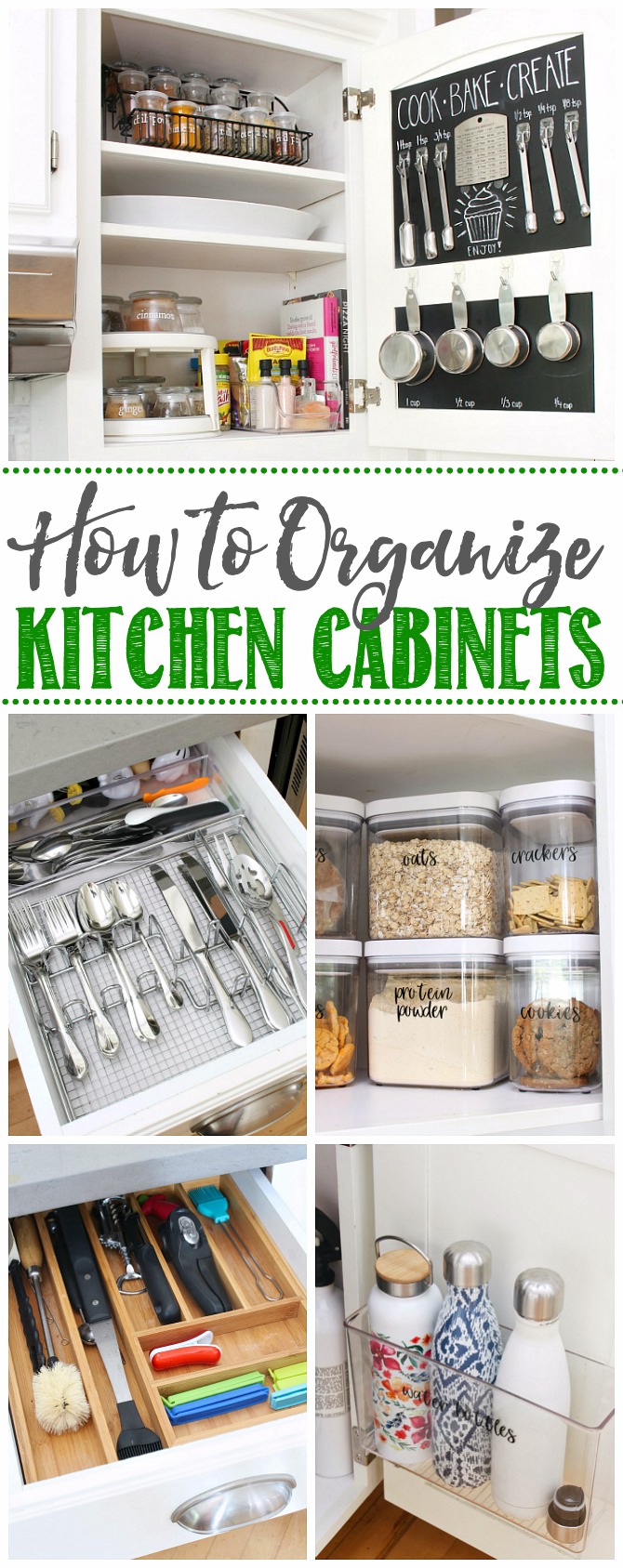
Image Source: www.cleanandscentsible.com
The Foundation: Clearing and Cleaning
Before you can organize, you need a clean slate. This means emptying everything out. Yes, everything.
Step 1: The Big Empty Out
- Take it all out: Start with one cupboard or drawer at a time. Pull out every single item. This might seem daunting, but it’s crucial. You can’t truly organize what you can’t see.
- Group like items: As you pull things out, start grouping similar items together on your countertops or a cleared table. Think: baking supplies, spices, pots and pans, everyday dishes, mugs, glasses, food storage containers, etc.
Step 2: The Ruthless Declutter
This is where you make decisions. Be honest with yourself about what you actually use and need.
- The “Keep” Pile: Items you use regularly and love.
- The “Donate” Pile: Items in good condition that you no longer use. Think about giving them a second life.
- The “Toss” Pile: Broken items, expired food, chipped dishes, and anything that’s seen better days.
- The “Relocate” Pile: Items that belong in another room of the house.
Questions to Ask Yourself During Decluttering:
- Have I used this in the past year?
- Is it broken or damaged?
- Do I have duplicates?
- Do I even like this item?
- Is it expired?
This process helps you declutter kitchen cabinets effectively, removing the excess that makes them feel cramped.
Step 3: The Deep Clean
With your cupboards empty, now is the perfect time for a thorough cleaning.
- Wipe down shelves and walls: Use a damp cloth with a mild all-purpose cleaner.
- Clean drawer interiors: Remove any sticky residue or crumbs.
- Don’t forget the doors: Wipe down the inside and outside of your cabinet doors.
A clean, fresh cupboard is much more inviting and makes the organizing process more pleasant.
Maximizing Cabinet Space: Smart Strategies
Once your cupboards are clean and you’ve decided what to keep, it’s time to put things back in a way that makes sense and saves space. Maximizing cabinet space is all about using vertical space, utilizing corners, and keeping things accessible.
Strategy 1: Zone Your Kitchen
Think about how you use your kitchen. Designate zones for specific categories of items.
- Baking Zone: Flour, sugar, baking soda, vanilla extract, mixing bowls, measuring cups, baking sheets.
- Cooking Zone: Pots, pans, cooking utensils, oils, vinegars, frequently used spices.
- Dishware Zone: Plates, bowls, glasses, mugs.
- Food Storage Zone: Food storage containers, lids, foil, plastic wrap.
- Cleaning Supplies Zone: Dish soap, sponges, cleaning cloths (ideally under the sink).
Placing items where you use them most reduces unnecessary movement and makes cooking more efficient.
Strategy 2: Vertical Is Your Friend
Don’t let all that empty space above your items go to waste.
-
Shelf Risers/Expandable Shelves: These are game-changers for kitchen cupboard organization. They create an extra layer on existing shelves, doubling your storage capacity for plates, bowls, mugs, or canned goods.
Item Type Shelf Riser Use Plates & Bowls Stack them neatly, with risers creating a second level Mugs Stack mugs on shelves or hang them from hooks Canned Goods Stack cans, with risers allowing for better visibility Small Appliances Use for storing smaller appliances like toasters -
Stackable Bins and Containers: Use clear, stackable bins to group smaller items. This is especially helpful for snacks, baking supplies, or pantry staples.
Strategy 3: Contain and Conquer
Loose items can quickly create clutter. Using containers is key to keeping things tidy and accessible.
-
Food Storage Containers: Invest in a good set of food storage containers. Opt for uniform shapes and sizes that stack well. Decant dry goods like pasta, rice, flour, and sugar into these containers. They look neater, keep food fresher, and make it easier to see what you have. Glass or clear plastic containers are best.
- Benefits of Uniform Containers:
- Space Saving: Stackable designs fit together efficiently.
- Aesthetic Appeal: Creates a clean, uniform look.
- Food Preservation: Airtight seals keep food fresh longer.
- Visibility: Clear containers let you see contents easily.
- Benefits of Uniform Containers:
-
Drawer Dividers for Kitchen: These are essential for organizing kitchen supplies in drawers. Use them to separate cutlery, cooking utensils, gadgets, and even spices. Adjustable dividers are great because you can customize them to fit your specific needs.
- Drawer Divider Uses:
- Cutlery: Separate forks, knives, spoons.
- Utensils: Keep spatulas, whisks, and ladles organized.
- Gadgets: Corral can openers, peelers, and other small tools.
- Spices: Some dividers are designed specifically for spice jars.
- Drawer Divider Uses:
Strategy 4: Utilize Cabinet Doors
Don’t overlook the inside of your cabinet doors – they offer valuable real estate for storage.
-
Cabinet Door Organizers: Mount small baskets or racks on the inside of doors for items like pot lids, cleaning supplies, foil and plastic wrap boxes, or even spices.
- Ideas for Cabinet Door Organizers:
- Spice Racks: A narrow rack can hold several spice jars.
- Lid Organizers: Vertical racks keep pot lids from toppling.
- Small Bins: Perfect for holding cleaning cloths, sponges, or oven mitts.
- Wrap Holders: Keep foil, plastic wrap, and parchment paper tidy.
- Ideas for Cabinet Door Organizers:
Strategy 5: Tackle the Corners
Blind corner cabinets can be a black hole. Use organizers to make them functional.
- Lazy Susans (Turntables): These are perfect for corner cabinets or deep shelves. Place oils, vinegars, jars, or spices on a turntable, and you can simply spin it to access what you need without having to reach into the back.
- Pull-Out Shelves or Baskets: If your budget allows, installing pull-out shelves or baskets makes accessing items in deep cabinets much easier.
Specific Areas of Focus: Deep Dives into Organization
Let’s break down kitchen cupboard organization for specific types of items.
H3: Pantry Storage Solutions
Your pantry, whether a dedicated room or a set of shelves, is a prime candidate for pantry storage solutions.
H4: Dry Goods and Staples
- Decant into Containers: As mentioned earlier, using uniform food storage containers for pasta, rice, beans, grains, and flour is a major space saver and helps keep items fresh. Label them clearly with the contents and expiration date.
- Tiered Shelving or Risers: For canned goods, use tiered shelving or risers so you can see all the cans at a glance, rather than just the front row.
- Baskets for Loose Items: Group smaller, open packages like snack bags or seasoning packets into small bins or baskets.
H4: Snacks and Breakfast Items
- Designated Bins: Use bins labeled “Snacks,” “Breakfast Bars,” or “Cereal” to keep these items together and easily accessible, especially for kids.
- Vertical Storage for Cereal: Consider a cereal dispenser or stackable cereal containers to save space and prevent staleness.
H4: Backstock and Less Frequently Used Items
- Higher Shelves: Store extra supplies or items you use less often on higher shelves.
- Clear Bins: Use clear bins so you can easily identify what’s inside without pulling down every box.
H3: Spice Rack Organization
A well-organized spice rack is a cook’s best friend.
H4: Choosing the Right Organizer
- In-Drawer Spice Organizer: If you have drawer space, an angled organizer allows you to see spice labels clearly.
- Wall-Mounted Rack: Frees up cabinet space and keeps spices highly visible.
- Cabinet-Mounted Rack: Attaches to the inside of a cabinet door or shelf for easy access.
- Tiered Shelf: Similar to can organizers, a tiered shelf makes it easy to see all your spices.
H4: Arranging Your Spices
- Alphabetical Order: The most straightforward way to find any spice quickly.
- By Frequency of Use: Keep your most-used spices at the front or on a lower, easily accessible shelf.
- By Category: Group baking spices together, savory spices together, etc.
Spice rack organization is about visibility and accessibility. No more digging through a pile of jars!
H3: Pots and Pans
These can be bulky and difficult to store neatly.
H4: Stack Wisely
- Nesting Pots and Pans: If you’re buying new, choose sets that nest well.
- Lid Storage: Use a cabinet door organizer or a separate lid rack to keep lids from scattering.
- Pot Grips: Use silicone pot handle covers to prevent scratches when stacking.
H4: Vertical Solutions
- Pull-Out Pot and Pan Organizers: These allow you to slide out racks of pots and pans, making them easy to access.
- Vertical Dividers: Use tension rods or specialized dividers to store baking sheets, cutting boards, and pot lids vertically.
H3: Dishes and Glassware
Keep your everyday dishes and special occasion items organized and safe.
H4: Stacking and Shelving
- Shelf Risers: As mentioned, risers are excellent for creating more space for stacked plates and bowls.
- Plate Racks: Vertical plate racks can store plates upright, making them easy to grab and also helping to air them out.
- Glassware: Stack glasses carefully or use specialized racks. If stacking, consider placing a protective liner between them.
H3: Utensils and Gadgets
These small items can quickly become a jumbled mess.
H4: Drawer Organization
- Drawer Dividers Kitchen: The absolute key to taming utensil drawers. Use adjustable dividers to create custom compartments for everything.
- Multi-Tiered Drawer Organizers: These offer more compartments and can fit more in a single drawer.
- Canister Storage: For less frequently used gadgets, store them in canisters on shelves.
H3: Cleaning Supplies
Often relegated to the cupboard under the sink, these can also be organized.
H4: Under-Sink Solutions
- Under-Sink Organizers: Pull-out drawers or tiered shelves designed for under sinks can make accessing cleaning supplies much easier.
- Cabinet Door Organizers: Mount small spray bottle holders or caddies on the inside of the sink cabinet door.
- Buckets or Bins: Use a sturdy bin to keep all cleaning supplies together, making it easy to pull out everything you need.
Maintaining Your Organized Kitchen
Organization isn’t a one-time event; it’s an ongoing process.
H5: Regular Touch-Ups
- Weekly Check-in: Spend 5-10 minutes each week putting items back in their designated spots.
- Quick Declutter: If you notice a drawer or cupboard getting messy, take a moment to tidy it up before it becomes a bigger problem.
H5: Seasonal Purges
- Twice a Year: Conduct a more thorough declutter of your kitchen cupboards, perhaps in spring and fall. This is a good time to check expiration dates and donate items you no longer use.
H5: The “One In, One Out” Rule
- For Replacements: When you buy a new kitchen gadget or food storage container, try to get rid of a similar item you already own. This prevents accumulation.
Frequently Asked Questions (FAQ)
Q1: How often should I declutter my kitchen cabinets?
It’s a good practice to do a quick tidy-up weekly and a more thorough decluttering session every 6-12 months.
Q2: What are the best kitchen cupboard organization tools?
Some of the most effective tools include shelf risers, drawer dividers, turntables (Lazy Susans), clear bins, and cabinet door organizers.
Q3: I have limited cabinet space. What are the best pantry storage solutions?
Focus on maximizing cabinet space by using vertical storage, opting for stackable food storage containers, and utilizing the inside of cabinet doors.
Q4: How can I organize my spices effectively?
Consider an in-drawer organizer, a wall-mounted rack, or a tiered shelf. Arrange them alphabetically or by frequency of use for easy spice rack organization.
Q5: My under-sink cabinet is a disaster. How can I improve organizing kitchen supplies there?
Use under-sink organizers, cabinet door organizers, and sturdy bins to group cleaning supplies and make them easily accessible.
By implementing these strategies for kitchen cupboard organization, you can transform your kitchen from a source of stress to a sanctuary of efficiency. Happy organizing!