
This comprehensive guide will walk you through the process of mounting a kitchen sink, whether you’re opting for an undermount or a drop-in style. Can you replace a kitchen sink yourself? Yes, with the right tools and instructions, most homeowners can successfully complete a DIY kitchen sink replacement. Who should I call if I can’t mount my sink? If you encounter difficulties, a licensed plumber or a general contractor is your best bet.
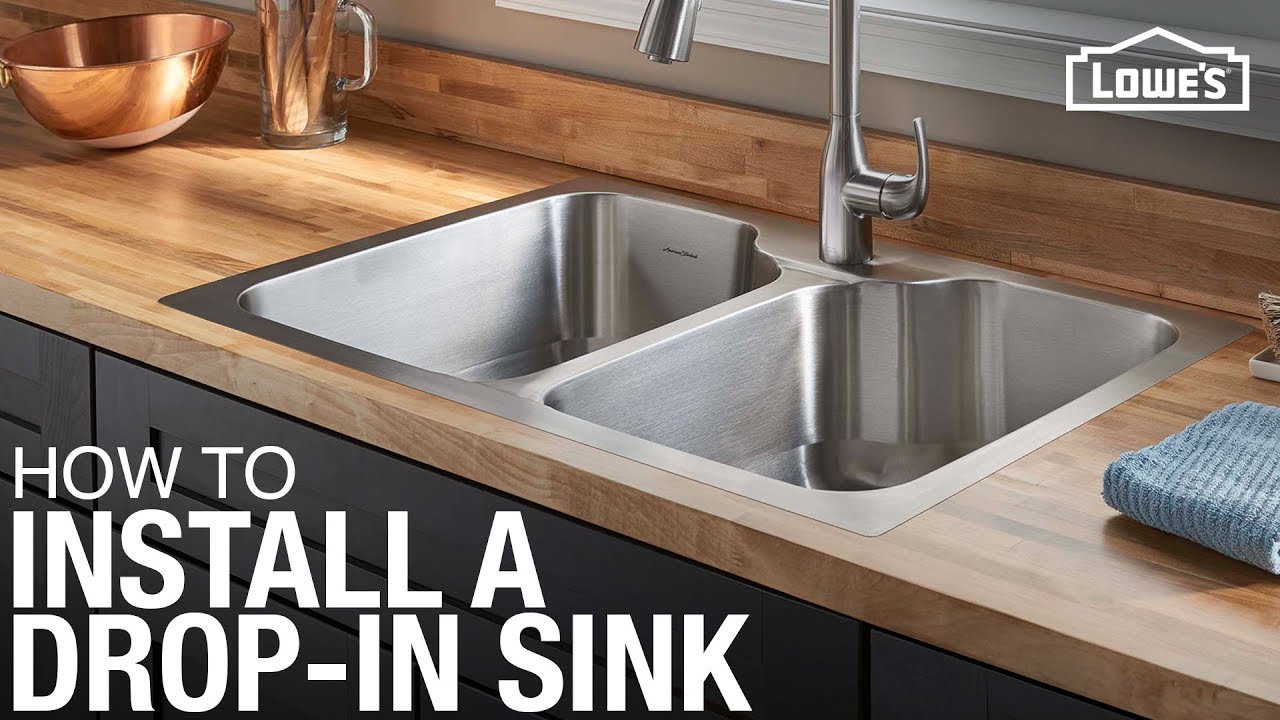
Image Source: i.ytimg.com
How to Mount a Kitchen Sink: A Step-by-Step Installation
Installing a new kitchen sink can significantly refresh your kitchen’s look and functionality. This detailed guide provides all the information you need for a successful DIY kitchen sink replacement, covering everything from preparing your countertop to sealing the finished installation. We’ll cover both undermount sink installation and drop-in sink installation, ensuring you’re equipped for either scenario.
Preparing Your Countertop for Sink Installation
Proper countertop preparation is crucial for a secure and leak-free sink installation. The steps vary depending on your countertop material and the type of sink you’ve chosen.
Countertop Cutting and Template Usage
Most sinks come with a template to help you mark the cutout area on your countertop. It’s essential to follow this template precisely.
- Locate the Template: Find the paper template included with your new sink.
- Positioning: Carefully position the template on your countertop. Consider the desired placement of the sink relative to your cabinets and any existing faucet holes. Ensure adequate clearance for cabinet doors to open and for the faucet to operate comfortably.
- Marking the Cutout: Trace the template onto the countertop using a pencil or marker. For drop-in sinks, the template often indicates the actual cutout size. For undermount sinks, the template usually marks the edge of the sink itself, and you’ll need to mark the cutout slightly larger according to the manufacturer’s instructions, typically 1/4 inch to 1/2 inch inside the sink’s rim. Always double-check the sink’s installation manual for specific cutout dimensions.
Cutting the Countertop
The cutting method depends on your countertop material.
- Laminate and Solid Surface: A jigsaw is usually the best tool for these materials.
- Drill Pilot Holes: Before cutting, drill pilot holes at strategic points inside your marked cutout line. These holes will allow you to insert the jigsaw blade.
- Smooth Cuts: Move the jigsaw slowly and steadily along your marked line. Use a fine-tooth blade for a cleaner cut.
- Support the Cutout: If the cutout piece is large, have someone help you support it as you finish the cut to prevent it from falling and damaging the countertop or cabinets.
- Granite, Quartz, and Stone: These materials require specialized tools and expertise.
- Professional Cutting: It is highly recommended to have a professional fabricator cut these materials. They have the necessary diamond-tipped blades and water-cooling systems to make precise, clean cuts without chipping or cracking the stone. Attempting this yourself without the proper equipment can lead to costly damage.
Sealing Cut Edges (for Wood or Laminate Countertops)
For wood or laminate countertops, sealing the cut edges prevents water damage and swelling.
- Apply Sealant: Apply a generous coat of waterproof sealant, such as silicone caulk or a specialized countertop sealant, along all cut edges.
- Wipe Excess: Wipe away any excess sealant with a clean cloth. Allow it to dry completely according to the product’s instructions.
Mounting a Drop-In Sink Installation
Drop-in sinks, also known as top-mount or self-rimming sinks, are the most common and generally the easiest type to install. They rest on top of the countertop with a rim that covers the cutout edge.
Components and Kitchen Sink Plumbing
Before you begin, gather your materials. You’ll need:
- The Sink: Your new drop-in kitchen sink.
- Sink Mounting Hardware: This typically includes clips or brackets provided with the sink.
- Plumber’s Putty or Silicone Caulk: For sealing.
- Faucet and Strainer Assembly: These often need to be installed before the sink.
- Tools: Screwdriver, adjustable wrench, pliers, utility knife, measuring tape, pencil, caulk gun, safety glasses, and a helper.
- Existing Plumbing: Ensure your existing kitchen sink plumbing (drain pipes, P-trap, water supply lines) is accessible and in good working order.
Step-by-Step Drop-In Sink Installation
- Install Faucet and Strainer: It’s much easier to install the faucet and the sink strainer assembly before the sink is in place.
- Faucet: Follow the manufacturer’s instructions for your specific faucet. Usually, this involves inserting the faucet through the pre-drilled holes in the sink, securing it from underneath with washers and nuts.
- Strainer: Apply plumber’s putty or silicone caulk around the underside of the strainer flange. Insert the strainer into the sink’s drain opening. From beneath the sink, slide a rubber gasket, a metal washer, and then a locknut onto the strainer body. Tighten the locknut firmly with pliers. Wipe away any excess putty or caulk.
- Prepare the Sink Rim:
- Apply Sealant: Run a continuous bead of silicone caulk or plumber’s putty around the underside of the sink’s rim that will rest on the countertop. This creates a watertight seal. If using plumber’s putty, apply it about 1/4 inch from the outer edge.
- Position the Sink:
- Lower Carefully: Carefully lower the sink into the countertop cutout. Ensure it is centered and the rim overhangs the opening evenly on all sides.
- Secure the Sink:
- Attach Mounting Clips: Locate the mounting clips or brackets provided with your sink. These usually attach to the underside of the countertop and hook onto the sink basin.
- Tighten Clips: Insert the clips into their designated slots on the sink’s underside. Use a screwdriver to tighten the screws on the clips, drawing the sink down snugly against the countertop. Work in a star pattern, tightening each clip a little at a time, to ensure even pressure. Do not overtighten, as this can crack the countertop or damage the sink.
- Connect Kitchen Sink Plumbing:
- Drain Assembly: Connect the tailpiece from the sink strainer to your P-trap. Ensure all connections are hand-tightened initially, then snugged with pliers.
- Water Supply Lines: Connect the hot and cold water supply lines to the corresponding faucet inlets. Again, hand-tighten first, then a quarter-turn with an adjustable wrench.
- Test for Leaks:
- Turn on Water: Turn on the hot and cold water supply slowly.
- Check Connections: Inspect all water supply and drain connections for any drips or leaks.
- Fill Sink: Fill the sink basin with water, then release it to check the drain connections.
- Tighten if Necessary: If you find any leaks, gently tighten the offending connections.
- Final Sealing (External):
- Apply Caulk: Once you’re confident there are no leaks, apply a bead of silicone caulk around the outer edge where the sink rim meets the countertop. This provides an extra layer of protection against water infiltration and gives a clean, finished look.
- Smooth the Caulk: Use a damp cloth or a caulk-smoothing tool to create a neat, consistent bead. Wipe away any excess caulk immediately.
Mounting an Undermount Sink Installation
Undermount sinks are installed from beneath the countertop, offering a sleek, seamless look. This type of installation often requires professional countertop fabrication, especially for stone materials.
Special Considerations for Undermount Sinks
- Countertop Material: Undermount sinks are best suited for solid surface materials like granite, quartz, marble, or solid wood. Laminate countertops are generally not suitable for undermount sinks due to their construction and inability to provide a strong, waterproof mounting surface for the sink from below.
- Support System: Undermount sinks rely on adhesive and mechanical fasteners for support, as they don’t have a rim resting on the countertop.
- Countertop Fabrication: For stone countertops, the cutout must be precisely sized and finished by a professional fabricator to ensure a proper fit and a clean edge for the sink to adhere to.
Components and Sink Basin Attachment
You’ll need:
- The Sink: Your new undermount kitchen sink.
- Sink Mounting Hardware: This typically includes specialized clips, brackets, and often adhesive mounting plates.
- Silicone Adhesive/Sealant: High-quality, waterproof silicone adhesive specifically designed for kitchen and bath applications.
- Faucet and Strainer Assembly: Usually installed on the sink before mounting.
- Tools: Screwdriver, adjustable wrench, pliers, utility knife, measuring tape, pencil, caulk gun, safety glasses, a level, and a helper.
- Countertop Fabrication: Ensure the countertop is ready with the correct cutout and any necessary pre-drilled holes for the faucet if it mounts directly to the sink.
Step-by-Step Undermount Sink Installation
- Prepare the Underside of the Countertop:
- Clean the Edge: Thoroughly clean the underside of the countertop where the sink will be attached. Remove any dust, grease, or debris.
- Mark Sink Position: With the sink upside down, position it against the underside of the countertop to get a feel for its placement. Some countertop fabricators will mark the exact sink outline.
- Install Faucet and Strainer:
- Faucet Mounting: Install the faucet onto the sink basin before mounting the sink to the countertop. This is usually easier than trying to maneuver the faucet into place from underneath a heavy countertop. Follow the faucet manufacturer’s instructions.
- Strainer Assembly: Install the sink strainer as described in the drop-in sink section.
- Prepare the Sink for Mounting:
- Apply Adhesive: Apply a generous, continuous bead of high-quality silicone adhesive around the entire perimeter of the sink’s mounting flange. This bead should be substantial enough to create a strong bond and a watertight seal.
- Mount the Sink to the Countertop:
- Lift and Position: With your helper, carefully lift the sink and align it with the countertop cutout.
- Press Firmly: Press the sink firmly against the underside of the countertop. Ensure it is centered and flush against the cutout edge.
- Secure the Sink with Mounting Hardware:
- Attach Clips/Brackets: Install the sink mounting clips or brackets provided with your sink. These typically attach to the sink basin and then screw into the underside of the countertop, or they might use adhesive pads that stick to the countertop.
- Tighten Securely: Tighten the screws on the clips to pull the sink securely against the countertop. Make sure the sink remains level and properly aligned as you tighten. Some systems use adhesive mounting plates that stick to the countertop and then the sink clips onto these plates. Follow the specific system’s instructions.
- Allow Adhesive to Cure:
- Support the Sink: It’s crucial to provide temporary support for the sink while the adhesive cures. You can use adjustable support posts, large blocks of wood, or even stacked heavy objects placed on the cabinet base beneath the sink.
- Curing Time: Refer to the adhesive manufacturer’s instructions for the recommended curing time. This can range from several hours to 24 hours. Do not disturb the sink during this period.
- Connect Kitchen Sink Plumbing:
- Drain and Water Lines: Once the adhesive has fully cured, connect the sink’s drain assembly and water supply lines to the existing plumbing as described in the drop-in sink installation steps.
- Test for Leaks:
- Thorough Inspection: Turn on the water and carefully check all connections for leaks. Fill the sink and drain it to test the strainer and drain assembly.
- Final Sealing (Internal):
- Internal Seal: For undermount sinks, you’ll typically apply a final bead of silicone caulk along the inside seam where the sink meets the countertop. This provides an additional seal and a clean finish. Smooth the bead with a damp finger or tool.
Kitchen Sink Mounting Hardware Explained
The type of kitchen sink mounting hardware you use depends on the sink style and manufacturer.
- Drop-In Sink Hardware:
- Mounting Clips/Brackets: These are often C-shaped or L-shaped metal pieces that hook onto the rim of the sink from underneath. They screw into the underside of the countertop, pulling the sink down and securing it.
- Spring-Loaded Clips: Some modern designs feature spring-loaded clips that clip directly onto the sink’s edge and press against the countertop.
- Undermount Sink Hardware:
- Adhesive Mounting Plates: These are small metal or plastic plates that adhere to the underside of the countertop. The sink then clips or screws onto these plates.
- Direct Mount Clips: Clips that screw directly into the sink basin and then into the underside of the countertop, often with an adhesive pad for initial placement.
- Silicone Adhesive: The primary bonding agent for undermount sinks, creating a strong mechanical and watertight bond.
Table: Common Sink Mounting Hardware Types
| Sink Type | Primary Mounting Method | Common Hardware Components |
|---|---|---|
| Drop-In | Rim rests on countertop, secured from underneath | Metal clips, brackets, screws |
| Undermount | Mounted from beneath the countertop, no visible rim | Adhesive plates, specialized clips, silicone adhesive |
How to Seal a Sink Properly
A good seal is vital to prevent water damage and leaks.
- Plumber’s Putty: Best for sealing sink strainers and around the edges of drop-in sink rims that don’t contact porous materials. It remains pliable and is easy to work with. However, it can stain porous surfaces like granite, so silicone is often preferred for these applications.
- Silicone Caulk: A versatile sealant excellent for sealing the outer edge of drop-in sinks to the countertop and the interior seam of undermount sinks. It provides a durable, waterproof, and flexible seal. Use a high-quality, 100% silicone sealant designed for kitchen and bath use.
- Silicone Adhesive: For undermount sinks, a strong silicone adhesive is used for the primary bonding of the sink to the countertop.
Tips for a Great Seal:
- Clean Surfaces: Ensure all surfaces where sealant is applied are clean, dry, and free of dust or grease.
- Consistent Bead: Apply a continuous, even bead of sealant. Avoid gaps.
- Tooling the Bead: For a professional look, smooth the caulk bead with a damp finger or a caulk-smoothing tool. Wipe away excess immediately.
- Follow Curing Times: Allow sealants and adhesives to cure completely before exposing them to water or significant stress.
Faucet Installation with Sink
While often installed before the sink, sometimes faucets are installed after. Here’s a brief on that:
- Positioning: Ensure you have access to the holes in the sink or countertop.
- Mounting: Insert the faucet base through the holes.
- Securing: From underneath, slide any provided gaskets and mounting nuts onto the faucet shanks. Tighten securely with an adjustable wrench.
- Water Lines: Connect the hot and cold water supply lines to the faucet inlets.
Frequently Asked Questions (FAQ)
- Q: Do I need to use plumber’s putty or silicone caulk?
- A: It depends on the application. Plumber’s putty is good for strainers and the rim of drop-in sinks on non-porous materials. Silicone caulk is best for sealing the outer edge of drop-in sinks to the countertop and is essential for undermount sink installations. Always check your sink manufacturer’s recommendations.
- Q: How tight should I make the sink mounting clips?
- A: Tighten them until the sink is snug against the countertop and doesn’t move. Overtightening can crack the countertop or damage the sink.
- Q: Can I use my old sink clips with a new sink?
- A: It’s best to use the mounting hardware that comes with your new sink, as it’s designed for its specific weight and dimensions.
- Q: What is the difference between a drop-in and an undermount sink installation?
- A: A drop-in sink has a rim that rests on top of the countertop, making it easier to install. An undermount sink is installed from beneath the countertop, providing a cleaner look but requiring more precise installation and often professional help for stone countertops.
- Q: How do I clean up excess caulk?
- A: For silicone caulk, it’s easiest to wipe away excess immediately with a damp cloth or paper towel before it starts to cure. If it has begun to cure, you may need a utility knife to carefully scrape it away.
By following these detailed steps, you can confidently mount your new kitchen sink, enhancing both the beauty and functionality of your kitchen. Remember to always prioritize safety, read your sink’s specific installation manual, and don’t hesitate to call a professional if you feel unsure about any part of the process.