
Can you clean wood kitchen cabinets with just water? Yes, you can clean wood kitchen cabinets with water, but it’s often not enough to tackle grease and grime. For best results, a mild soap solution or a specialized cabinet cleaner is recommended.
Keeping your wood kitchen cabinets clean and beautiful is key to a welcoming home. Over time, they can gather grease, food splatters, dust, and general grime that dulls their shine and can even damage the finish. Knowing how to clean them safely and effectively will not only make your kitchen sparkle but also help preserve the lifespan of your cabinetry. This guide will walk you through everything you need to know for effortless wood cabinet cleaning.
Image Source: cdn.apartmenttherapy.info
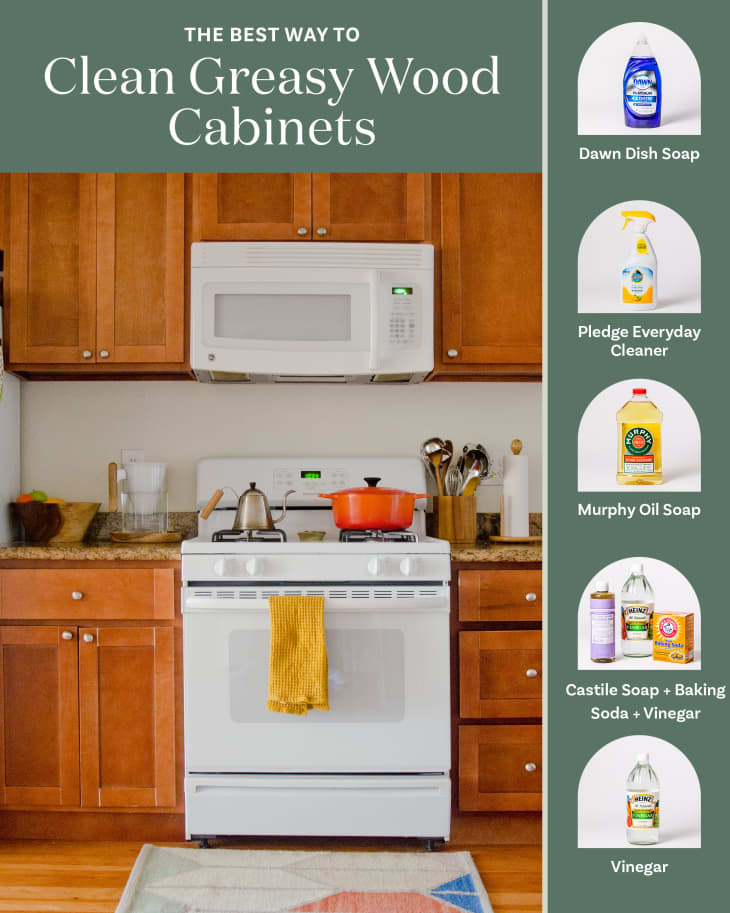
Why Proper Cabinet Cleaning Matters
Your kitchen cabinets are hardworking. They are constantly exposed to a variety of elements:
- Grease and Food Splatters: Cooking releases grease particles that settle on cabinet surfaces.
- Dust and Allergens: Like all surfaces, cabinets attract dust, which can harbor allergens.
- Handprints and Smudges: Daily use leaves behind fingerprints and smudges.
- Moisture: Spills or high humidity can affect the wood.
Regular cleaning prevents the buildup of these elements, which can otherwise degrade the finish and the wood itself. It’s not just about aesthetics; it’s about maintenance.
Identifying Your Cabinet’s Finish
Before you start cleaning, it’s crucial to know the type of finish on your wood cabinets. This will dictate the best cleaning methods and products to use. Common finishes include:
- Varnished/Lacquer: These are durable and provide a glossy or satin protective layer.
- Polyurethane: A very hard and protective finish, often seen on modern cabinets.
- Oil-Based Stains/Finishes: These penetrate the wood, offering a more natural look and feel. They can be more sensitive to harsh cleaners.
- Waxed Finishes: Less common now, but older cabinets might have a wax coating that requires specific care.
- Unfinished Wood: Rare for kitchen cabinets due to its susceptibility to damage, but if you have it, it needs very gentle cleaning.
How to Test Your Finish: If you’re unsure, try a small, inconspicuous area (like the inside of a door). Apply a tiny amount of your chosen cleaner. If the finish remains intact, it’s likely safe. If it streaks, dulls, or feels gummy, you’ve found a cleaner that’s too harsh for your cabinets.
Essential Cleaning Supplies
Gathering the right supplies is the first step to a successful cleaning session. You likely have many of these items already.
What You’ll Need:
- Soft Cloths: Microfiber cloths are ideal as they are absorbent and won’t scratch. Have several on hand – one for cleaning, one for rinsing, and one for drying.
- Mild Dish Soap: A gentle, pH-neutral dish soap is excellent for cutting through grease.
- Warm Water: The base for most cleaning solutions.
- Spray Bottle: For applying cleaning solutions evenly.
- Soft Bristle Brush or Old Toothbrush: Useful for cleaning crevices and hardware.
- Vacuum Cleaner with Soft Brush Attachment: For dusting before wet cleaning.
- Cabinet Cleaner (Optional but Recommended): A specifically formulated cabinet cleaner can be very effective.
- Wood Cabinet Polish (Optional): For restoring shine after cleaning.
- Bucket: For your cleaning solution and rinse water.
The Step-by-Step Guide to Cleaning Wood Kitchen Cabinets
Let’s break down the process of cleaning wooden cabinets into manageable steps.
Step 1: Prepare Your Workspace
- Clear the Cabinets: Remove everything from the cabinets you plan to clean. This makes the process much easier and prevents items from getting wet.
- Protect Your Floors: Place old towels or newspaper on the floor beneath the cabinets to catch any drips.
Step 2: Dusting is Key
Before introducing any moisture, it’s essential to remove loose dust and debris.
- Use a Vacuum: A vacuum cleaner with a soft brush attachment is the most efficient way to remove dust from cabinet surfaces, especially in corners and around hardware.
- Alternatively, Use a Dry Microfiber Cloth: If you don’t have a vacuum attachment, a clean, dry microfiber cloth will work well. Gently wipe down all surfaces.
This step prevents dust from turning into mud when you start wet cleaning.
Step 3: Gentle Cleaning Solutions
Choosing the right cleaning solution is crucial for effective and safe wood cabinet cleaning.
The Mild Soap Solution: Your First Choice
This is your go-to for everyday grime and light grease.
- Mix: In a bucket or spray bottle, mix a few drops of mild dish soap with warm water. You want a very dilute solution – just enough to make the water slightly soapy, not bubbly. Too much soap can leave a residue.
- Apply Sparingly: Dampen a soft cloth with the solution. Wring it out thoroughly so the cloth is just damp, not wet. Excess water can damage wood.
- Wipe Down: Gently wipe down the cabinet surfaces, working in sections. Pay attention to areas with visible grime or grease.
- Rinse: Immediately after wiping with the cleaning solution, use a separate clean cloth dampened with plain water to wipe away any soap residue. Again, wring this cloth out well.
- Dry Thoroughly: Use a third, dry microfiber cloth to immediately dry the cabinet surfaces. This is a vital step to prevent water spots and moisture damage.
Using a Natural Wood Cabinet Cleaner
For those who prefer natural options, several DIY or commercial natural wood cabinet cleaner solutions can be effective.
- Vinegar Solution (Use with Caution): Mix equal parts white vinegar and water in a spray bottle. Vinegar is acidic and can cut through grease, but it can also damage certain finishes if used too frequently or on sensitive wood. Always test in an inconspicuous area first. Spray lightly onto your cloth, not directly onto the cabinets. Wipe clean, rinse with a damp cloth, and dry thoroughly. This is often best for tougher grime.
- Lemon Oil: For a refreshing scent and a gentle clean, a very small amount of lemon oil mixed with water can be used. It also helps condition the wood. Again, damp cloth application is key.
Commercial Cabinet Cleaner Options
If you want a product specifically designed for wood cabinets, there are many excellent options. Look for products labeled as “safe for wood cabinets” or “cabinet cleaner.”
- All-Purpose Wood Cabinet Cleaners: These are formulated to tackle common kitchen grime without stripping finishes.
- Grease-Cutting Cabinet Cleaners: For heavily soiled cabinets, these might be necessary. Ensure they are still wood-safe.
Important Note: Never spray cleaners directly onto your cabinets. Always spray onto your cloth first to control the amount of liquid and prevent it from seeping into seams.
Step 4: Tackling Tough Spots
Some areas might require a little extra attention.
- Stubborn Grease: For particularly greasy areas, you might need to make a slightly stronger soap solution or use a dedicated kitchen degreaser specifically labeled as safe for wood. Apply the cleaner to your cloth, hold it on the greasy spot for a minute to let it work, then gently wipe.
- Crevices and Details: Use a soft-bristled brush or an old toothbrush dampened with your cleaning solution to gently scrub away grime from door edges, drawer fronts, and around hardware. Wipe clean with a damp cloth and dry immediately.
Step 5: Cleaning Cabinet Hardware
Don’t forget your cabinet knobs and pulls!
- Remove if Possible: If hardware is easily removable, taking it off makes cleaning the cabinets and hardware itself much easier.
- Cleaning Methods:
- Metal (Brass, Chrome, Stainless Steel): A mild soap and water solution usually suffices. For tougher tarnish or grime, use a cleaner specific to the metal type.
- Wood or Painted: Treat them like the cabinet surfaces – a damp cloth and mild soap.
- Drying: Always dry hardware thoroughly after cleaning to prevent rust or water spots.
Step 6: Rinsing and Drying
This is a critical step for all wood cabinet cleaning.
- Rinse: Use a clean cloth, dampened with plain water and well wrung out, to wipe down all cleaned surfaces. This removes any residual cleaning solution that could dull the finish or attract more dirt.
- Dry: Immediately follow with a clean, dry microfiber cloth to buff the surface and ensure no moisture remains. This is crucial for preventing water damage and maintaining the luster of your wood.
Step 7: Conditioning and Polishing (Optional)
After cleaning, you might want to restore the shine and protect the wood.
- Wood Cabinet Polish: A good quality wood cabinet polish can revitalize the appearance of your cabinets. Apply a small amount to a clean, soft cloth and rub it into the wood using gentle, circular motions, following the grain. Buff off any excess with another clean cloth.
- Lemon Oil or Beeswax Polish: These natural options can also be used to condition and protect wood. They add a lovely sheen and help repel moisture.
When to Polish: Polish your cabinets every few months, or as needed, to maintain their look. Over-polishing can lead to a buildup that attracts dust.
Special Considerations for Different Wood Finishes
While the general steps apply to most wood cabinets, some finishes require extra care.
For High-Gloss Finishes
These finishes show smudges and streaks easily.
- Gentle Approach: Use the mild soap and water solution, or a dedicated high-gloss cabinet cleaner.
- Buffing: After drying, a final buff with a clean microfiber cloth is essential to achieve a streak-free shine.
For Matte or Satin Finishes
These finishes are more forgiving but can be dulled by abrasive cleaners or too much polish.
- Avoid Over-Polishing: Stick to gentle cleaning. If you polish, use a product designed for matte finishes or a very light application of a natural oil.
- No Harsh Scrubbing: Even light scrubbing can damage the subtle texture of matte finishes.
For Stained or Natural Wood Cabinets
These often showcase the wood grain and can be more susceptible to water marks if not properly sealed.
- Minimal Moisture: Be extra vigilant about drying any moisture quickly.
- Natural Cleaners: Natural wood cabinet cleaner options like diluted vinegar or lemon oil are often suitable, but always test first.
- Wood Cabinet Restoration: For cabinets that have lost their luster or have minor scratches, a specialized wood cabinet restoration product might be beneficial, but use with caution and follow instructions precisely.
What NOT to Do When Cleaning Wood Cabinets
Avoiding certain actions will prevent damage and keep your cabinets looking their best.
Avoid These Common Mistakes:
- Using Too Much Water: Excess moisture is the enemy of wood. Always use a well-wrung-out cloth.
- Abrasive Cleaners or Scrubbers: Steel wool, harsh scouring pads, or gritty cleaners will scratch and damage the finish.
- Ammonia-Based or Bleach-Based Cleaners: These are too harsh and can strip the finish or discolor the wood.
- Waxy or Oily Polish on Heavily Greasy Surfaces: It’s best to clean thoroughly before polishing, otherwise, you’ll just be polishing grease.
- Spraying Directly Onto Cabinets: This can lead to drips and moisture seeping into unwanted areas.
- Leaving Cabinets Wet: Always dry thoroughly immediately after cleaning and rinsing.
DIY Wood Cabinet Cleaner Recipes
For budget-friendly and natural options, try these DIY wood cabinet cleaner recipes:
Recipe 1: All-Purpose Gentle Cleaner
- 1 cup warm water
- 1-2 drops of mild dish soap
- Instructions: Mix in a spray bottle. Spray onto a cloth, wipe cabinets, rinse with a damp cloth, and dry.
Recipe 2: Vinegar-Based Degreaser (for tougher spots)
- 1/2 cup white vinegar
- 1/2 cup warm water
- Instructions: Mix in a spray bottle. Spray onto a cloth, wipe grease spots, rinse with a damp cloth, and dry. Use sparingly and test first.
Recipe 3: Lemon Oil Conditioner and Cleaner
- 1/4 cup lemon oil (food-grade)
- 1 cup warm water
- Instructions: Mix in a spray bottle. Spray lightly onto a cloth, wipe cabinets, and buff with a dry cloth. This is great for conditioning.
Cleaning Cabinet Interiors
Don’t forget the inside of your cabinets!
- Empty Completely: Remove all items.
- Dust: Vacuum or wipe down with a dry cloth.
- Mild Soap Solution: Use the same mild soap and water solution as for the exterior. Wipe down the shelves and interior walls.
- Dry Thoroughly: Ensure the interiors are completely dry before replacing items.
- For Stains: For stubborn stains inside, a baking soda paste (baking soda and water) can be gently applied, left for a few minutes, then wiped away and dried.
Frequently Asked Questions (FAQ)
Here are answers to common questions about cleaning wood kitchen cabinets:
Q1: How often should I clean my wood kitchen cabinets?
A1: It’s best to do a quick wipe-down of high-traffic areas (like around the handles) weekly and a more thorough cleaning monthly. Deep cleaning or polishing can be done every 3-6 months, depending on usage and how quickly they get dirty.
Q2: Can I use furniture polish on my kitchen cabinets?
A2: Some furniture polishes are formulated for wood and can be safe and effective. However, kitchen environments can be greasier than living rooms, so a cleaner specifically designed for kitchen cabinets is often a better choice for regular cleaning. If you use furniture polish, opt for one that doesn’t leave a waxy buildup.
Q3: What if my cabinets have a peeling finish?
A3: If the finish is peeling, it means the protective layer is compromised. Avoid cleaning solutions altogether. Gently dust the surface. Peeling finishes usually indicate a need for refinishing or repair by a professional.
Q4: Is it safe to use baby wipes on wood cabinets?
A4: Some baby wipes might be okay in a pinch, but many contain chemicals or alcohol that can dry out or damage wood finishes over time. It’s best to stick to dedicated wood cleaners or simple soap and water solutions.
Q5: How do I remove water spots from wood cabinets?
A5: For fresh water spots, try gently buffing with a soft, dry cloth. If the spot is more ingrained, you might try a very small amount of mayonnaise rubbed into the spot and left for an hour, then wiped off and buffed. Alternatively, a tiny amount of petroleum jelly or a specific water spot remover for wood can work. Always test in an inconspicuous area first.
Q6: My cabinets look dull. What can I do?
A6: A good wood cabinet cleaner followed by a quality cabinet wood polish or a natural conditioning oil (like lemon oil or orange oil) can often restore their shine. Ensure you’ve removed all grease and grime before polishing for the best results.
Conclusion: Effortless Cleaning for Lasting Beauty
Cleaning wood kitchen cabinets doesn’t have to be a chore. By understanding your cabinet’s finish, using the right products, and following a gentle, consistent routine, you can keep them looking beautiful for years to come. Remember, prevention is key – wipe up spills immediately, and give them a quick dusting regularly. With these tips, your kitchen cabinets will not only be spotless but will also retain their natural charm and durability. Enjoy a cleaner, brighter kitchen!