
Can you install a kitchen faucet yourself? Yes, most homeowners can successfully install a kitchen faucet with basic tools and a bit of patience. This guide will walk you through the entire process of kitchen faucet installation, from gathering your supplies to testing your new fixture. Whether you’re replacing kitchen faucet or installing one in a new sink, these steps will help you achieve a professional finish for your DIY kitchen faucet project.
This comprehensive guide covers everything you need to know for a successful DIY kitchen faucet installation. We’ll delve into the specifics of under sink plumbing, faucet mounting techniques, connecting water supply lines, and even some minor kitchen sink repair tips. By the end, you’ll be ready to tackle this common home improvement task and save yourself a service call.
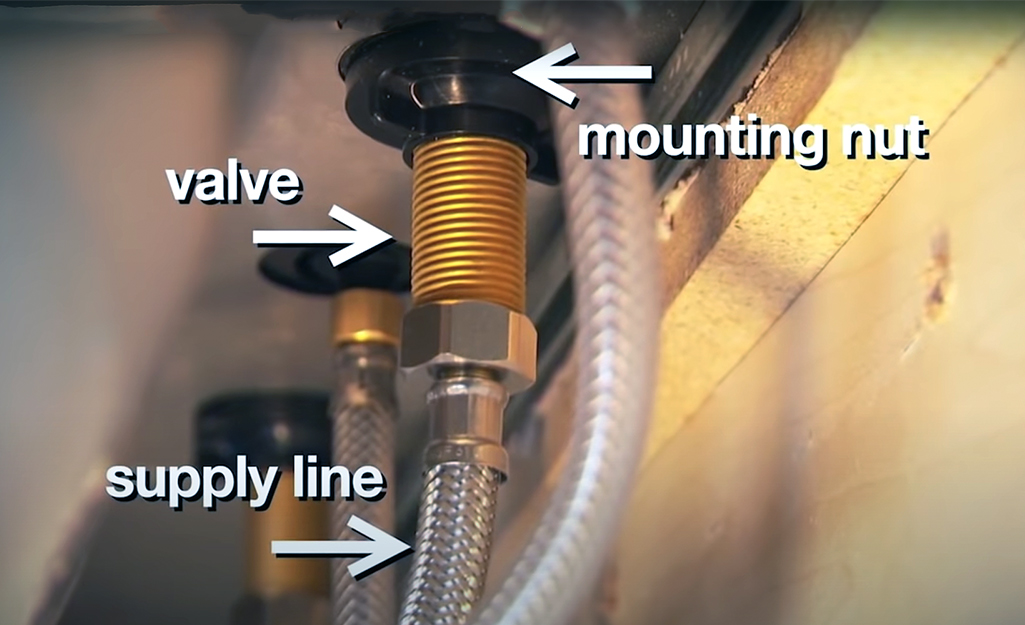
Image Source: contentgrid.homedepot-static.com
Gathering Your Tools and Materials
Before you start, it’s crucial to have all the necessary tools and materials readily available. This will make the process smoother and prevent frustrating trips to the hardware store mid-project.
Essential Tools for Faucet Installation
- Adjustable Wrenches (Two): You’ll need these for loosening and tightening nuts and fittings. Having two allows you to hold one part steady while turning another.
- Basin Wrench: This specialized tool is invaluable for reaching tight spots under the sink, especially for loosening or tightening the faucet mounting nuts. It’s designed to grip nuts at awkward angles.
- Pipe Wrench: While not always necessary for a standard faucet installation, a pipe wrench can be useful for stubborn connections or if you encounter older, corroded pipes.
- Pliers (Channel Lock or Slip-Joint): Good for gripping and turning various components, especially those that might be a bit slippery.
- Screwdriver Set (Phillips and Flathead): You might need these for securing brackets or removing old parts.
- Bucket or Towels: Essential for catching any residual water when disconnecting supply lines. Have plenty on hand to keep the area dry.
- Safety Glasses: Protect your eyes from debris or dripping water.
- Work Light or Headlamp: The space under the sink is often dark, so good lighting is key.
- Plumber’s Putty: Used to create a watertight seal around the base of the faucet where it meets the sink.
- Teflon Tape (Pipe Thread Tape): Used to seal threaded connections on water supply lines, preventing leaks.
Optional but Helpful Items
- Old Toothbrush or Wire Brush: For cleaning threads or removing old plumber’s putty.
- Penetrating Oil: If you’re dealing with old, stubborn connections, a spray of penetrating oil can help loosen them.
- Utility Knife: For cutting old caulk or sealant.
- Safety Gloves: To protect your hands.
Your New Faucet and Accessories
- New Kitchen Faucet: Ensure it’s compatible with your sink’s hole configuration (e.g., single-hole, three-hole, four-hole).
- New Water Supply Lines: It’s highly recommended to replace old supply lines when installing a new faucet. Look for braided stainless steel lines, which are more durable. Make sure they are the correct length and have the right fittings for your shut-off valves and faucet.
- Mounting Hardware: Your new faucet should come with mounting nuts, washers, and any other necessary hardware.
Step-by-Step Faucet Installation Process
Now that you have your tools and materials ready, let’s dive into the actual installation.
Step 1: Shutting Off the Water Supply
This is the most critical first step. You don’t want any water spraying out when you disconnect the old faucet.
- Locate Shut-Off Valves: Look under your sink for the hot and cold water shut-off valves. They are usually located on the wall or floor where the water pipes enter the cabinet.
- Turn Off Valves: Turn the handles of both valves clockwise until they are completely closed.
- Test: Turn on the old faucet to drain any remaining water in the lines and to confirm that the water supply is indeed off. Let it run until no more water comes out.
Step 2: Disconnecting the Old Faucet
With the water off, you can now start removing the old faucet.
- Position Bucket: Place a bucket or some towels directly under the water supply lines where they connect to the shut-off valves. This will catch any drips.
- Disconnect Supply Lines:
- Use an adjustable wrench to loosen the nuts connecting the water supply lines to the shut-off valves. Turn them counter-clockwise.
- Be prepared for a small amount of residual water to drip out.
- Disconnect Faucet Connectors:
- Under the sink, you’ll see the connections where the water supply lines attach to the old faucet. These are your faucet connectors.
- Use your adjustable wrench or pliers to loosen these connections. Again, turn counter-clockwise.
- Remove Mounting Hardware:
- This is where your basin wrench comes in handy. It’s designed to reach the nuts holding the faucet to the sink from underneath.
- Locate the mounting nuts securing the faucet to the sink.
- Use the basin wrench to loosen and remove these nuts. You may also need to remove any washers or plates that come with them.
- Lift Out the Old Faucet: Once all connections and mounting hardware are removed, carefully lift the old faucet straight up and out of the sink.
Step 3: Cleaning the Sink Surface
Before installing the new faucet, it’s essential to clean the area where the old one was mounted.
- Remove Old Sealant: Scrape away any old plumber’s putty or caulk from the sink surface using a utility knife or scraper.
- Clean Thoroughly: Wipe down the sink surface around the faucet holes with a damp cloth. Use a mild cleaner if necessary. A clean surface ensures a good seal for the new faucet.
Step 4: Preparing and Mounting the New Faucet
Now you’re ready to install your new faucet. The exact method might vary slightly depending on your faucet model, so always refer to the manufacturer’s instructions.
- Assemble Faucet (If Necessary): Some faucets come in multiple pieces that need to be assembled before mounting. Follow the provided instructions.
- Apply Plumber’s Putty:
- Take a generous amount of plumber’s putty and roll it into a rope about 1/2 inch thick.
- Place this putty rope around the underside of the faucet base or escutcheon plate (the decorative plate that covers the sink holes). This creates a watertight seal between the faucet and the sink.
- For faucets with a built-in gasket, plumber’s putty might not be needed or should be used sparingly. Check your faucet’s manual.
- Position the Faucet:
- Carefully insert the new faucet’s shanks (the threaded posts that extend from the bottom) through the corresponding holes in the sink.
- Ensure the faucet is straight and centered.
- Secure the Faucet from Below:
- From under the sink, slide any provided rubber or plastic washers onto the faucet shanks.
- Next, thread on the mounting nuts. Hand-tighten them first.
- Use your basin wrench or the wrench provided with the faucet to tighten the nuts securely. Be careful not to overtighten, as this can damage the sink or the faucet.
- Make sure the faucet remains in the correct position as you tighten.
Step 5: Connecting the Water Supply Lines
This step involves connecting the new water supply lines to both the shut-off valves and the faucet.
- Prepare Supply Lines:
- For threaded connections, wrap Teflon tape (pipe thread tape) clockwise around the threads of the shut-off valves and the faucet inlets. This helps create a watertight seal. Use 2-3 wraps.
- Connect to Shut-Off Valves:
- Attach the correct end of the supply line to the corresponding hot and cold shut-off valves. The hot water line is usually on the left, and the cold is on the right.
- Hand-tighten the connection first, then use an adjustable wrench to tighten another 1/4 to 1/2 turn. Do not overtighten.
- Connect to Faucet:
- Attach the other end of the supply lines to the inlets on the new faucet. These are often threaded connections directly on the faucet shanks.
- Again, hand-tighten first, then use your wrench to secure the connection. Be mindful of the faucet’s material; some are more delicate than others.
Step 6: Attaching Sprayer Hose (If Applicable)
If your faucet has a pull-out or pull-down sprayer, you’ll need to connect the hose.
- Locate Sprayer Connection: Under the sink, find where the sprayer hose attaches to the faucet body.
- Connect Hose: Screw the hose onto the designated connection point. Some faucets have a quick-connect fitting. Follow your faucet’s specific instructions.
- Attach Weight: If your sprayer has a retractable hose, you’ll need to attach a counterweight to the hose. This weight helps the sprayer retract smoothly. Clamp it onto the hose at the position recommended in your faucet’s manual.
Step 7: Turning the Water Back On and Testing for Leaks
This is the moment of truth!
- Slowly Turn On Water: Slowly turn the shut-off valves counter-clockwise to restore water flow.
- Check All Connections: Immediately inspect all the connections you made: where the supply lines meet the shut-off valves, where they meet the faucet, and the sprayer hose connection. Look and feel for any drips.
- Tighten if Necessary: If you see any leaks, gently tighten the connection that’s leaking. Turn the water off again if you need to make significant adjustments.
- Test Faucet Operation:
- Turn on the hot and cold water at the faucet.
- Check the water flow.
- Test the sprayer function if your faucet has one.
- Ensure the handles operate smoothly.
- Check for Leaks Again: After a few minutes of running water, check all connections one more time.
Step 8: Final Touches and Cleanup
- Wipe Away Putty: Carefully wipe away any excess plumber’s putty that might have squeezed out around the faucet base.
- Seal the Base (Optional): Some people prefer to apply a bead of silicone caulk around the base of the faucet for extra protection against water seeping underneath, especially if you have a countertop material that’s susceptible to moisture.
- Clean Up: Gather your tools, wipe down the area under the sink, and dispose of old parts and packaging.
Common Issues and Troubleshooting During Faucet Installation
Even with careful planning, you might encounter a few hiccups. Here are some common problems and how to solve them.
Leaky Connections
- Cause: Loose fittings or improperly applied Teflon tape.
- Solution:
- For supply lines to shut-off valves: Turn off the water. Gently tighten the connection. If it still leaks, disconnect, reapply Teflon tape (ensuring it’s wrapped clockwise), and reconnect.
- For supply lines to faucet: Turn off the water. Gently tighten the connection. Some faucet connectors have rubber gaskets that might need to be seated properly.
Difficulty Removing Old Faucet
- Cause: Mineral buildup, corrosion, or overtightened nuts.
- Solution:
- Apply penetrating oil to the mounting nuts and let it sit for 15-30 minutes.
- Use your basin wrench with steady pressure. You might need to wiggle it a bit.
- If the nuts are severely corroded, you might need to use a small hacksaw to carefully cut through them, being extremely cautious not to damage the sink.
New Faucet Wobbles
- Cause: Mounting nuts are not tight enough, or the faucet is not seated correctly.
- Solution:
- Check the tightness of the mounting nuts from under the sink.
- Ensure the faucet base is sitting flush on the sink surface. If there’s a gap, the putty might not be sealing properly, or there could be an issue with the faucet’s design.
Low Water Pressure
- Cause:
- Shut-off valves not fully open.
- Debris in the faucet connectors or supply lines.
- Aerator clogged.
- Solution:
- Ensure shut-off valves are completely open.
- Turn off the water, disconnect the supply lines, and check for any blockages. You can also try flushing the lines briefly by connecting the lines to the faucet but not yet attaching them to the shut-off valves, then slowly opening the valves for a moment into a bucket.
- Unscrew the aerator at the tip of the faucet spout and clean it.
Mismatched Fittings
- Cause: Incorrect purchase of supply lines or adapters.
- Solution: Take your old parts and your new faucet to the hardware store to find compatible replacements. Standard fittings are common, but variations exist.
Frequently Asked Questions (FAQ) About Faucet Installation
Q1: How tight should I make the water supply line connections?
A1: Hand-tighten the connections first, then use a wrench to tighten about a quarter to a half turn more. Overtightening can strip threads or damage gaskets, leading to leaks. It’s better to slightly under-tighten and check for leaks, then tighten a bit more if needed.
Q2: Do I need plumber’s putty for all faucet installations?
A2: Most faucets benefit from a sealant. Plumber’s putty is traditionally used to create a watertight seal at the base of the faucet where it meets the sink. However, some modern faucets come with a rubber gasket or O-ring already integrated into the design, which might make plumber’s putty unnecessary. Always consult your faucet’s installation manual to determine if putty or caulk is recommended or required.
Q3: What is a basin wrench and why do I need one for faucet installation?
A3: A basin wrench is a specialized plumbing tool designed for reaching and turning nuts in tight, awkward spaces, particularly those found under a sink. Its long shaft and pivoting head allow you to grip and turn the mounting nuts that secure the faucet to the sink, making faucet mounting much easier, especially when replacing an old faucet.
Q4: Can I use Teflon tape on all plumbing connections?
A4: Teflon tape, or pipe thread tape, is used on threaded connections to create a watertight seal. It should be applied to the male threads of pipes or fittings. It is not typically used on compression fittings or connections with rubber gaskets, as these rely on the gasket for sealing. For faucet connectors and supply lines, applying Teflon tape to the threads of the shut-off valves and faucet inlets is usually recommended.
Q5: How often should I replace my kitchen faucet?
A5: Kitchen faucets typically last between 10 to 15 years. However, you might consider replacing kitchen faucet sooner if it’s leaking, corroded, has low water pressure, or if you’re renovating your kitchen and want a more modern or functional fixture.
Q6: What’s the difference between hot and cold water supply lines?
A6: The hot water supply line connects the hot water shut-off valve to the hot water inlet on your faucet. The cold water supply line connects the cold water shut-off valve to the cold water inlet. Usually, the hot water line is on the left side of the faucet and the cold on the right. Using the wrong line can result in your hot and cold water being reversed.
Q7: My new faucet has multiple holes in the sink. What do I do?
A7: Many modern faucets are designed to cover multiple holes with an escutcheon plate. If your new faucet has fewer holes than your sink, the escutcheon plate will cover the unused holes. Ensure you align the faucet with the correct number of holes needed for its installation and use the provided cover plate if necessary.
Q8: What are common kitchen sink repair issues related to faucet installation?
A8: When replacing kitchen faucet, you might encounter minor kitchen sink repair needs. This could include cleaning mineral deposits around the faucet holes, replacing old seals or gaskets on the sink itself if they are damaged, or ensuring the sink flange is still intact and sealed properly. If you notice any significant damage to the sink, it might require a more involved repair or replacement.
By following these detailed steps and troubleshooting tips, you can confidently undertake your DIY kitchen faucet project. Enjoy your new, leak-free faucet!