
Can I replace a kitchen sink myself? Yes, with the right tools and this guide, you can replace and install a kitchen sink yourself. This comprehensive kitchen sink installation guide will walk you through every step, from removing your old sink to having a sparkling new one firmly in place. We’ll cover everything from plumbing for kitchen sink connections to the crucial kitchen sink sealing.
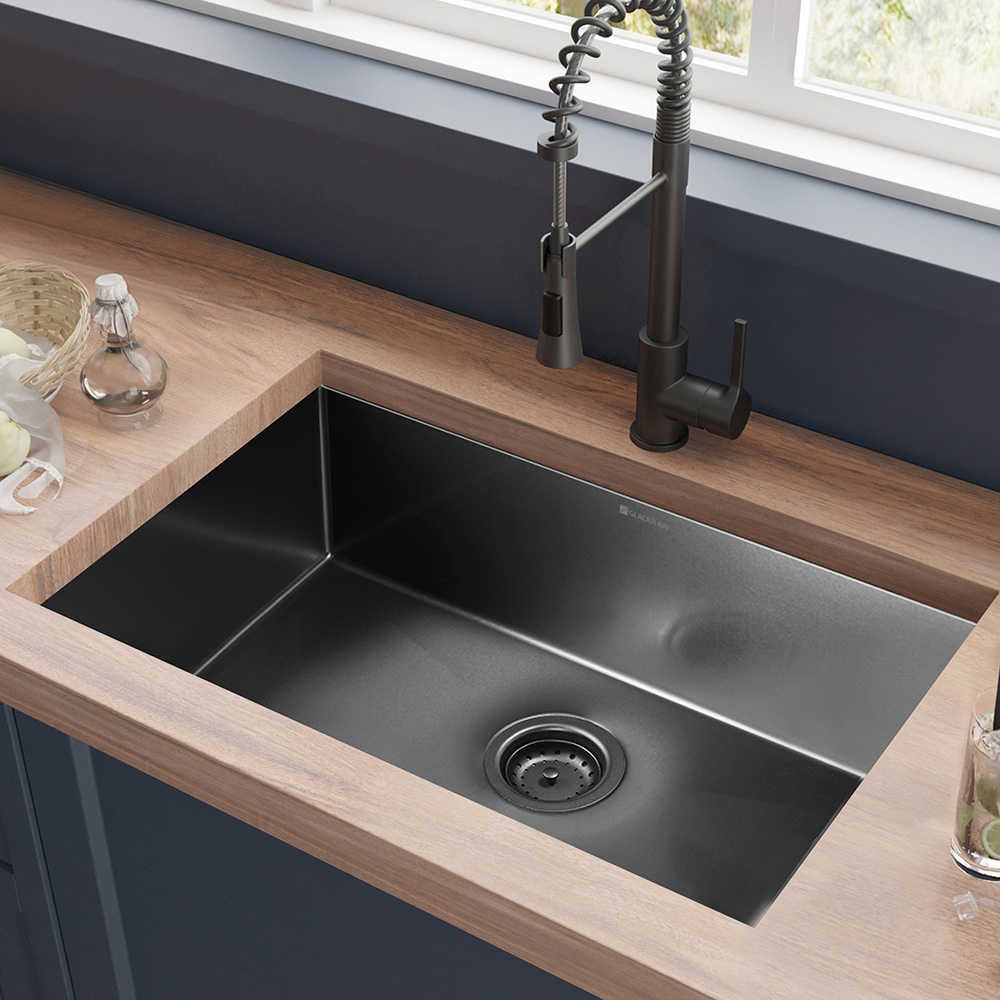
Image Source: contentgrid.homedepot-static.com
Why Replace Your Kitchen Sink?
Over time, kitchen sinks can show their age. They might develop chips, cracks, or stubborn stains that cleaning can’t fix. The style might feel outdated, or perhaps you’re renovating and want a sink that better suits your new kitchen design. Whatever the reason, a new sink can dramatically improve the look and functionality of your kitchen. This guide will help you tackle this project, whether you’re looking to replace kitchen sink faucet elements or a complete sink unit.
Getting Started: What You’ll Need
Before diving in, gather all the necessary tools and materials. Having everything ready will make the process smoother and prevent frustrating interruptions.
Essential Tools:
- Adjustable Wrenches (2): For loosening and tightening plumbing connections.
- Pipe Wrench: For stubborn pipe fittings.
- Basin Wrench: A specialized tool for reaching nuts in tight spaces, especially those securing the faucet to the sink.
- Screwdrivers (Phillips and Flathead): For various screws and mounting brackets.
- Pliers: For gripping and turning.
- Putty Knife or Scraper: To remove old sealant.
- Bucket: To catch any residual water from pipes.
- Towel or Rags: For cleaning up spills and drying parts.
- Safety Glasses: Protect your eyes from debris and water.
- Work Gloves: For a better grip and to protect your hands.
- Utility Knife: For cutting sealant.
- Caulk Gun: For applying sealant.
- Measuring Tape: To ensure your new sink fits the opening.
- Pencil: For marking.
- Drill with Various Bits: For pilot holes or removing old mounting hardware.
- Plumber’s Putty or Silicone Sealant: For sealing the sink to the countertop.
- Teflon Tape (Plumber’s Tape): For sealing threaded pipe connections.
- New Sink: Ensure it’s the right size and type for your space.
- New Faucet (Optional): If you’re also upgrading your faucet.
- New Drain Assembly (Optional but Recommended): It’s good practice to replace this when replacing the sink.
- New P-Trap and Tailpiece (Optional but Recommended): Especially if the old ones are corroded.
- Mounting Clips or Hardware: Usually come with the new sink.
- New Supply Lines: For connecting the faucet to the water shut-off valves.
Choosing Your New Sink
There are two main types of kitchen sinks to consider for installation:
- Drop-In Sink: These are the most common and easiest to install. They have a rim that rests on top of the countertop, hiding the cutout edge. This is a drop-in sink installation.
- Undermount Sink: These are installed beneath the countertop, offering a sleek, seamless look. They require a solid countertop material (like granite or quartz) and a more precise installation. This involves an undermount sink installation.
This guide will primarily focus on the more common drop-in installation, but many principles apply to undermount sinks, with specific considerations for mounting.
Step 1: Shutting Off the Water and Preparing the Work Area
Safety and preparation are paramount.
Turn Off Water Supply:
- Locate the hot and cold water shut-off valves under the sink. They are usually small knobs or levers connected to pipes coming from the wall.
- Turn both valves clockwise until they are fully closed.
- Turn on the faucet to release any remaining pressure and confirm the water is off. Let it run until no more water comes out.
Clear the Area:
- Remove everything from the cabinet beneath the sink. This includes cleaning supplies, trash cans, and any other items.
- Place a bucket under the P-trap (the U-shaped pipe) and the water supply lines to catch any drips.
- Lay down towels or rags to absorb any spilled water.
Step 2: Disconnecting the Old Plumbing
Now it’s time to disconnect the old sink’s plumbing. This is where you’ll connect your new sink drain and pipes.
Disconnect Water Supply Lines:
- Using an adjustable wrench, loosen the nuts connecting the flexible supply lines to the faucet’s threaded shanks. Remember which line is hot and which is cold.
- Be prepared for a small amount of water to drain.
Disconnect the Drain:
This is a critical part of the kitchen sink drain replacement process.
- Remove the P-Trap: Place your bucket directly under the P-trap. Use a pipe wrench or adjustable wrench to loosen the slip nuts connecting the P-trap to the vertical tailpiece coming from the sink drain and the horizontal pipe going into the wall. Unscrew them carefully.
- Detach the Tailpiece: The tailpiece is the straight pipe extending down from the sink drain. It may be connected to the P-trap with a slip nut. Loosen this nut and remove the tailpiece. If your sink has a garbage disposal, disconnect it first according to its manual.
- Remove the Strainer: Inside the sink basin, you’ll see the sink strainer. If it’s a separate piece, it might be held in place by a large locknut from underneath. Loosen this locknut with a large wrench or specialized strainer wrench. The old strainer and its gasket will then lift out. If you’re doing a kitchen sink drain replacement, you’ll be installing a new one.
Step 3: Removing the Old Sink
This is where you’ll need to detach the sink from the countertop.
Detach Faucet and Accessories:
- If you haven’t already, remove the faucet, handles, and sprayers. A basin wrench is invaluable here for reaching the nuts holding the faucet assembly to the sink.
Break the Seal:
- Run a utility knife around the edge of the sink where it meets the countertop to cut through old sealant or caulk.
Loosen Mounting Clips:
- Look under the sink rim where it meets the countertop. Most sinks are held in place by metal clips. These are usually tightened by screws. Use your screwdriver or drill to loosen and remove these clips.
- For an undermount sink installation, the clips will be attached directly to the underside of the countertop and the sink flange.
Lift Out the Sink:
- Once all connections and clips are removed, the sink should be free. Gently push the sink up from the bottom.
- Carefully lift the old sink out of the countertop opening. You might need assistance, as sinks can be heavy, especially cast iron ones.
Clean the Countertop Opening:
- Scrape away any remaining old plumber’s putty, sealant, or adhesive from the countertop around the opening using a putty knife or scraper.
- Wipe the area clean with a damp cloth.
Step 4: Installing the New Sink
Now for the exciting part – bringing your new sink into place!
Prepare the New Sink:
- Install the Faucet and Drain Assembly: It’s much easier to install the faucet and the new drain assembly onto the new sink before placing the sink into the countertop opening.
- Faucet Installation: Follow the manufacturer’s instructions for your specific faucet. Typically, you’ll feed the faucet shanks through the pre-drilled holes in the sink, secure them from underneath with gaskets and mounting nuts, and then tighten them with a basin wrench.
- Drain Assembly: For a kitchen sink drain replacement, install the new strainer. Apply a generous bead of plumber’s putty or silicone sealant around the underside of the strainer flange. Press the strainer into the drain opening from the top of the sink. From underneath, place the rubber gasket, friction washer, and then the locknut onto the threaded shank of the strainer. Tighten the locknut securely using a wrench or strainer wrench. Wipe away any excess putty that squeezes out.
Mount the New Sink:
This is where the difference between drop-in sink installation and undermount sink installation becomes clear.
Drop-In Sink Installation:
- Apply Sealant: Apply a continuous bead of plumber’s putty or silicone sealant around the underside of the sink rim that will contact the countertop. For a more durable seal, especially with granite or quartz, silicone is often preferred.
- Position the Sink: Carefully lower the new sink into the countertop opening. Make sure it’s centered and aligned correctly.
- Secure with Clips: From underneath the sink, attach the mounting clips provided with the sink. Position them so they grip the edge of the countertop opening. Tighten the screws on the clips to pull the sink down snugly against the countertop. Don’t overtighten, as this could crack the countertop or damage the sink.
Undermount Sink Installation:
- Dry Fit: Before applying any sealant, place the sink in position under the countertop to ensure a perfect fit.
- Apply Sealant: Apply a generous bead of high-quality silicone sealant around the edge of the sink where it will meet the underside of the countertop.
- Secure the Sink: Lift the sink into place against the countertop. Many undermount sinks come with specialized mounting brackets that screw into the underside of the countertop. If yours doesn’t, you may need to use a strong adhesive or temporary bracing while the sealant cures. Follow the manufacturer’s specific instructions for securing the undermount sink. This type of installation often requires careful clamping and support.
Step 5: Connecting the Plumbing
Now, it’s time to reconnect all the plumbing, ensuring a watertight seal. This covers the plumbing for kitchen sink connections.
Connect Water Supply Lines:
- Connect the new flexible supply lines from the faucet shanks to the hot and cold water shut-off valves.
- Tighten the connections with an adjustable wrench. Be firm, but don’t overtighten, which can strip threads or damage the lines.
Connect the Drain Pipes:
This is about connecting your new sink drain assembly and ensuring proper connect kitchen sink drain function.
- Attach the Tailpiece: If your new sink came with a tailpiece, screw it into the bottom of the new sink strainer assembly. If you are reusing your old tailpiece (not recommended if it’s corroded or doesn’t fit the new strainer), clean it thoroughly.
- Install the P-Trap: Reconnect the P-trap to the tailpiece and the drain pipe leading into the wall. Hand-tighten the slip nuts first, then use a wrench for a snug fit. Ensure the P-trap is correctly oriented to hold water and prevent sewer gases from entering the kitchen. You might need to adjust the length of the tailpiece or the P-trap itself, which can be done by cutting and re-joining plastic pipes with slip nuts. This is crucial for a good kitchen sink drain replacement.
- Check for Alignment: Ensure all drain pipes align properly without putting stress on the connections.
Step 6: Testing for Leaks and Kitchen Sink Sealing
This is a crucial step to prevent water damage.
Turn On Water and Check:
- Slowly turn the hot and cold water shut-off valves back on (counter-clockwise).
- Turn on the faucet and let the water run for a few minutes.
- Check all water supply line connections at both the faucet and the shut-off valves for any drips or leaks. Tighten slightly if you see any.
- Fill the sink basin with water, then let it drain.
- Inspect all drain connections, including the strainer locknut, tailpiece, and P-trap slip nuts, for any signs of leakage. Tighten any loose connections gently.
- Run water again and check all connections once more.
Final Kitchen Sink Sealing:
- Once you’re confident there are no leaks, and if you used plumber’s putty, it will have begun to set. If you used silicone, it will need time to cure. If you need to replace kitchen sink faucet components or have adjusted pipes, re-checking is vital.
- For a drop-in sink, the sealant around the rim is the final kitchen sink sealing against water infiltration. If you see any gaps, you can apply a fresh bead of silicone around the edge for extra protection.
Frequently Asked Questions (FAQ)
Q1: How long does it take to replace a kitchen sink?
A1: For a DIYer, replacing a kitchen sink typically takes 2 to 4 hours. This can vary depending on your experience, the type of sink, and whether you encounter any unexpected issues.
Q2: What is the difference between a drop-in and undermount sink installation?
A2: A drop-in sink has a rim that rests on top of the countertop, making it easier to install. An undermount sink is installed beneath the countertop, offering a seamless look but requiring a more precise installation and solid countertop material.
Q3: Do I need a special tool to remove the old sink?
A3: A basin wrench is highly recommended for removing the faucet from tight spaces. A utility knife is needed to cut old sealant. Otherwise, standard plumbing tools like wrenches and screwdrivers are usually sufficient.
Q4: Can I reuse my old drain assembly?
A4: While you might be able to reuse some parts, it’s generally recommended to replace the entire drain assembly, including the strainer and gaskets, when you replace kitchen sink drain components. This ensures a good seal and prevents future leaks.
Q5: What type of sealant should I use?
A5: Plumber’s putty is traditional for sealing sink strainers and rims on some materials. For a more durable and waterproof seal, especially on granite, quartz, or laminate countertops, silicone sealant is often preferred for the sink rim. Always check your sink manufacturer’s recommendations.
Q6: My new sink is a different size than my old one. What should I do?
A6: If the new sink requires a different countertop opening, you may need to adjust the existing cutout. This can involve cutting the countertop or installing a new countertop. It’s best to choose a new sink that matches the dimensions of your old sink’s cutout to avoid this.
Q7: How do I connect kitchen sink pipes if they don’t align?
A7: If the drain pipes from your wall don’t align perfectly with the new sink’s tailpiece, you might need to adjust the P-trap assembly. These are designed with slip joints that allow for some adjustment. In more complex cases, you might need to cut and reconfigure sections of PVC pipe using additional fittings.
Conclusion
Replacing and installing a kitchen sink can seem like a daunting task, but with careful planning and the right approach, it’s a very achievable DIY project. This guide has covered the essential steps, from turning off the water to the final kitchen sink sealing. By following these instructions, you’ll be able to confidently mount kitchen sink units and ensure your new sink is a functional and beautiful addition to your kitchen for years to come. Remember to always prioritize safety, take your time, and don’t hesitate to consult with a professional if you encounter any challenges. Enjoy your newly installed sink!