
Can you install a kitchen backsplash yourself? Yes, you absolutely can! This guide will walk you through every step of a DIY backsplash installation, making it achievable for most homeowners. Whether you’re dreaming of a classic subway tile backsplash, a modern kitchen tile backsplash, or a super-easy peel and stick backsplash, we’ve got you covered. We’ll explore the best backsplash adhesive options, essential backsplash cutting tools, the importance of choosing the right grout for backsplash, and how to finish with backsplash sealing for lasting beauty. Get ready to transform your kitchen!
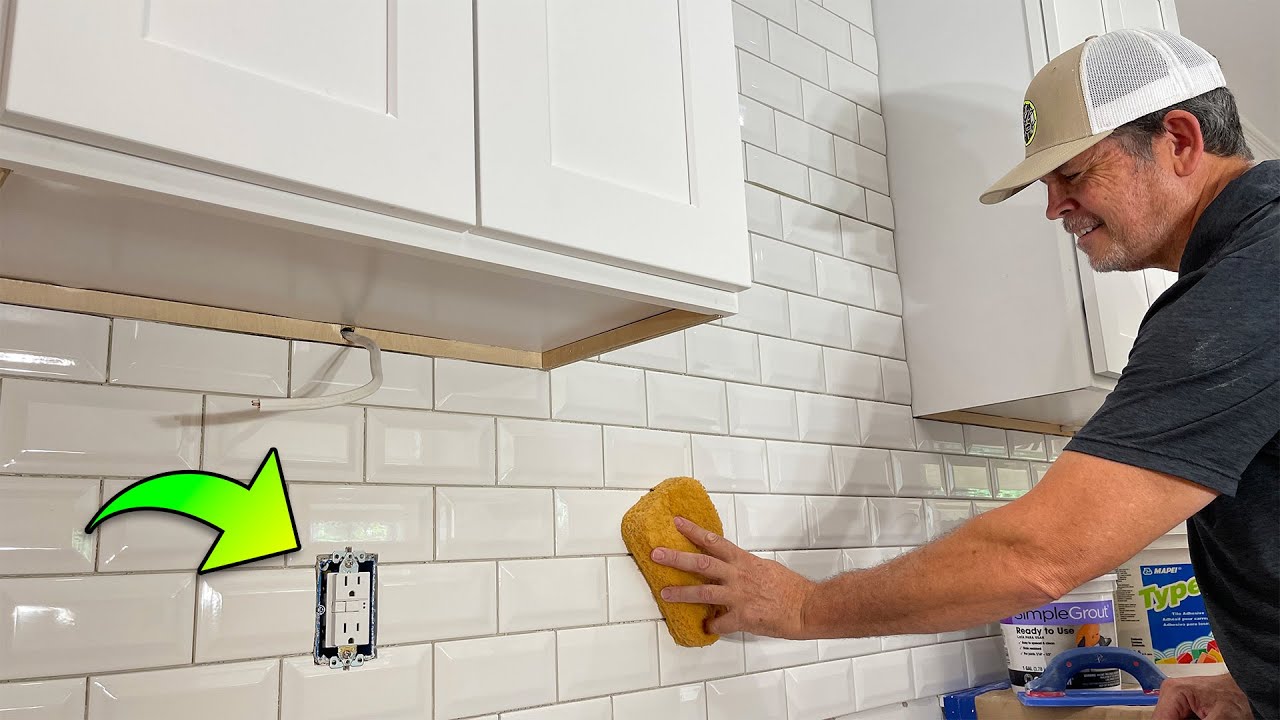
Image Source: i.ytimg.com
Planning Your Backsplash Project
Before you even think about cutting tiles, careful planning is key to a successful backsplash installation. This stage sets the foundation for everything that follows.
Choosing Your Backsplash Material
The world of kitchen backsplashes is vast and exciting! Your choice will depend on your style, budget, and desired durability.
Ceramic and Porcelain Tiles
These are popular choices for a reason. They are durable, come in countless designs, and are relatively easy to clean. Porcelain is generally harder and less porous than ceramic, making it a bit more resistant to moisture and stains.
- Pros: Wide variety of styles, colors, and finishes; durable; cost-effective.
- Cons: Can chip or crack if impacted; requires cutting tools; grout lines need maintenance.
Natural Stone Tiles (Marble, Granite, Travertine)
For a touch of luxury and unique beauty, natural stone is a fantastic option. Each piece is unique, offering a sophisticated look.
- Pros: Elegant and unique; durable; adds value to your home.
- Cons: More expensive; requires sealing; can be porous and stain-prone if not sealed properly; can be heavier.
Glass Tiles
Glass tiles offer a modern and sleek look. They can reflect light, making your kitchen feel brighter and more spacious.
- Pros: Reflects light well; easy to clean; available in many colors and shapes.
- Cons: Can be prone to chipping or breaking; more expensive than ceramic; can be slippery when wet.
Metal Tiles (Stainless Steel, Aluminum)
Metal backsplashes provide an industrial or contemporary aesthetic. They are durable and easy to wipe down.
- Pros: Very durable; easy to clean; modern look.
- Cons: Can show fingerprints and scratches; can be more difficult to cut; can be expensive.
Peel and Stick Backsplash Options
These are fantastic for quick updates or for renters. They come in various designs, mimicking tile, stone, or even wallpaper.
- Pros: Extremely easy to install; no special tools needed; often waterproof and easy to clean; affordable.
- Cons: Durability can vary; adhesion might weaken over time; the “look” might not be as authentic as real tile for some.
Measuring Your Space
Accurate measurements are crucial to avoid waste and ensure you buy enough materials.
- Measure the height: From your countertop to the underside of your cabinets.
- Measure the width: Across the entire length of your counter space.
- Account for outlets and windows: Measure the dimensions of any openings you’ll need to cut around.
- Add for waste: Always add 10-15% extra for cuts, mistakes, or future repairs.
Selecting Your Grout and Adhesive
The right backsplash adhesive and grout for backsplash are just as important as the tiles themselves.
-
Adhesive:
- Thin-set Mortar: The most common and durable choice for traditional tile. It’s a cement-based adhesive that creates a strong bond. You’ll need to mix it with water.
- Mastic: A pre-mixed adhesive, easier to use for DIYers, but less water-resistant than thin-set. Best for dry areas.
- Peel and Stick Adhesive: Built into the product itself for peel and stick backsplash options.
-
Grout:
- Sanded Grout: Contains sand, making it stronger and ideal for grout lines 1/8 inch or wider.
- Unsanded Grout: Smoother, with no sand, best for narrow grout lines (under 1/8 inch) to prevent scratching delicate tiles like glass.
- Epoxy Grout: Highly durable, stain-resistant, and waterproof. It’s more expensive and trickier to work with but excellent for high-traffic or wet areas.
Gathering Your Tools and Materials
Having all your supplies ready before you start will make the installation process much smoother.
Essential Tools for Installation
- Safety Gear: Safety glasses, gloves, knee pads.
- Measuring Tape: For accurate measurements.
- Level: To ensure your tiles are straight.
- Utility Knife: For scoring and cutting some peel and stick backsplash materials or drywall if needed.
- Notched Trowel: Used to spread adhesive evenly for kitchen tile backsplash installations. The size of the notches depends on the tile size.
- Tile Spacers: To maintain consistent grout lines.
- Bucket: For mixing thin-set mortar or for water.
- Sponge and Cloths: For cleaning up excess adhesive and grout.
- Grout Float: A rubber-faced tool for pushing grout into the spaces between tiles.
- Tile Cutter: For straight cuts on ceramic or porcelain tiles.
- Wet Saw or Tile Saw: Essential for making complex cuts (e.g., around outlets, corners) on harder tiles like porcelain, stone, or thicker glass. This is a key piece of backsplash cutting tools.
- Margin Trowel or Putty Knife: For applying adhesive in small areas.
- Caulking Gun: For applying sealant around edges.
- Caulk/Sealant: To fill gaps around countertops and cabinets.
Materials You’ll Need
- Backsplash Tiles: Your chosen kitchen wall tiles.
- Backsplash Adhesive: Thin-set mortar, mastic, or pre-mixed adhesive for peel and stick backsplash.
- Grout: Sanded, unsanded, or epoxy.
- Sealer: For porous tiles and grout (if necessary).
- Painter’s Tape: To protect surfaces and help with layout.
- Drop Cloths: To protect your countertops and floor.
Preparing Your Kitchen Walls
Proper wall preparation is crucial for the longevity and appearance of your backsplash.
Cleaning the Surface
Start by thoroughly cleaning the wall area where the backsplash will be installed.
- Remove Grease and Grime: Use a degreaser or a solution of dish soap and warm water to wipe down the walls. This is especially important in the kitchen where cooking grease can accumulate.
- Wipe Dry: Ensure the walls are completely dry before proceeding.
Repairing Imperfections
Inspect the walls for any damage.
- Fill Holes and Cracks: Use spackling paste or drywall compound to fill any holes or cracks. Let it dry completely, then sand it smooth.
- Sand Rough Spots: Lightly sand any glossy paint to give the adhesive something to grip. Wipe away dust with a damp cloth and let it dry.
Removing Obstacles
Take care of anything in your way.
- Remove Outlet Covers and Switch Plates: Unscrew and remove all electrical outlet covers and switch plates.
- Turn Off Power: For safety, turn off the power to outlets and switches in the work area at your home’s electrical panel. You can then use a voltage tester to confirm the power is off before you work near them.
- Consider Removing Outlet Boxes: For a professional finish, you might want to recess the outlet boxes slightly so they are flush with the tile. This involves cutting out a small portion of drywall behind the existing box and then installing a new, deeper electrical box that sits further back. This is an optional but recommended step for a cleaner look.
Protecting Your Workspace
Lay down drop cloths to protect your countertops and floors from dust, adhesive, and grout. Use painter’s tape to secure them and to protect any edges or surfaces you don’t want to get adhesive or grout on.
Laying Out Your Backsplash Pattern
A good layout prevents awkward cuts and ensures a visually pleasing result.
Finding the Center and Starting Point
For subway tile backsplash or other linear patterns, it’s often best to start in the most visible area.
- Find the Center: Measure the width of the wall space between your cabinets. Mark the center point.
- Dry Fit: Lay out a few rows of tiles (without adhesive) on your countertop or floor to visualize the pattern and how cuts will fall, especially around outlets and at the ends.
- Use a Level: Draw a horizontal reference line using your level. This line will help you keep your first row of tiles straight. For most backsplashes, this line will be just above the countertop.
- Consider Outlet Placement: Plan how tiles will be placed around electrical outlets. Often, starting with a full tile centered above an outlet or in the middle of the main backsplash area looks best.
Dry Fitting Tiles
Lay out your tiles on the counter to see how the pattern will look. This helps you anticipate where you’ll need cuts and if the pattern looks balanced. Adjust your starting point if necessary to avoid tiny sliver cuts at the ends or in prominent areas.
Installing Your Kitchen Backsplash
This is where your planning and preparation come to life!
Applying the Adhesive
The method for applying adhesive depends on your chosen tile material.
For Traditional Tiles (Ceramic, Porcelain, Stone, Glass)
- Mix Thin-set: If using thin-set mortar, mix it according to the manufacturer’s instructions in a clean bucket. It should have the consistency of peanut butter. Let it “slake” (rest) for a few minutes, then remix.
- Spread Adhesive: Use the flat side of your notched trowel to spread a thin, even layer of adhesive onto a small section of the wall (about 2-3 square feet at a time). Then, use the notched side to comb the adhesive, creating uniform ridges. This ensures good coverage for the backsplash adhesive.
- Work in Small Sections: Avoid spreading adhesive over too large an area, as it can dry out before you place the tiles.
For Peel and Stick Backsplash
- Clean Surface: Ensure the wall is clean, dry, and smooth.
- Peel and Stick: Simply peel off the backing and carefully place the tile onto the wall, smoothing it down from the center outwards to avoid air bubbles.
Setting the Tiles
This is the core of your DIY backsplash installation.
- Place the First Tile: Start from your reference line and press the first tile firmly into the adhesive with a slight twisting motion. This helps ensure good contact.
- Add Spacers: Insert tile spacers between the tiles to create consistent gaps for the grout.
- Continue Laying Tiles: Work your way across the wall, applying tiles and spacers. Use your level frequently to ensure rows remain straight and plumb.
- Wipe Away Excess Adhesive: As you work, immediately wipe away any adhesive that squeezes out of the joints with a damp cloth or sponge. It’s much harder to remove once dry.
Cutting Tiles
You will inevitably need to cut tiles to fit around outlets, corners, and edges. This is where your backsplash cutting tools come into play.
Straight Cuts
- Tile Cutter: For scoring and snapping ceramic or porcelain tiles, a manual tile cutter is efficient for straight cuts. Score the tile firmly and then use the cutter’s snapping mechanism.
Complex Cuts (Around Outlets, Curves)
- Wet Saw: A wet saw is the most effective tool for making precise cuts, including curves, notches, and angled cuts, especially for harder materials like porcelain, granite, and thicker glass. Always wear safety glasses and follow the manufacturer’s instructions.
- Angle Grinder with Diamond Blade: For very specific or intricate cuts, an angle grinder can be used, but it requires more skill and safety precautions.
Cutting for Outlets
- Measure and Mark: Carefully measure the opening needed for your outlet or switch.
- Score and Snap or Cut: Use your tile cutter or wet saw to make the necessary cuts. You might need to make multiple cuts to create a neat opening.
- Test Fit: Dry fit the cut tile to ensure it fits snugly around the outlet without being too tight.
Installing Edge and Corner Tiles
- End Pieces: For the ends of your backsplash, you may need to cut tiles lengthwise. Ensure these cuts are clean and straight.
- Sealing Edges: Once all tiles are in place, you’ll need to seal any exposed edges (e.g., where the backsplash meets the wall or cabinets) with caulk or sealant to create a waterproof barrier.
Grouting Your Backsplash
Grouting fills the gaps, unifies the design, and protects the tile edges. This step is vital for a professional finish.
Preparing for Grouting
- Remove Spacers: Once the adhesive has cured (check the adhesive’s instructions, usually 24 hours), carefully remove all tile spacers.
- Clean Grout Lines: Ensure the grout lines are free of any dried adhesive. A utility knife or grout saw can be used gently for this.
Applying the Grout
- Mix Grout: Mix your chosen grout for backsplash according to the manufacturer’s instructions. Aim for a smooth, lump-free consistency.
- Spread Grout: Use a grout float to spread the grout over the tiles. Hold the float at a 45-degree angle to the tile surface and press firmly, working diagonally across the grout lines to push the grout deep into the joints.
- Work in Sections: Cover a manageable area at a time.
Cleaning Excess Grout
- Initial Wipe: After the grout has had a few minutes to set slightly (it will look duller), use a damp (not wet) sponge to wipe away the excess grout from the tile surface. Rinse your sponge frequently in clean water. Work diagonally across the tiles to avoid pulling grout out of the lines.
- Second Wipe: Repeat the cleaning process with a clean, damp sponge. Be careful not to remove too much grout from the joints.
- Haze Removal: As the grout dries, a light haze may appear on the tiles. This can typically be buffed away with a soft, dry cloth or a microfiber towel after the grout has fully cured.
Finishing Touches and Sealing
The final steps are crucial for both aesthetics and protection.
Caulking the Edges
- Apply Caulk: Use a high-quality kitchen and bath silicone caulk or sealant to fill the gap between the backsplash and the countertop, and between the backsplash and the cabinets.
- Smooth the Caulk: Wet your finger or a caulk-smoothing tool and run it along the caulk line to create a smooth, uniform bead. Wipe away excess caulk with a damp cloth.
Backsplash Sealing
Backsplash sealing is vital for protecting certain types of tiles and grout from stains and moisture.
When to Seal
- Grout: Seal grout lines after the grout has fully cured (usually 72 hours to a week, check grout instructions).
- Natural Stone: Natural stone tiles (marble, granite, travertine) typically require sealing before installation and periodically afterward to prevent staining.
- Porous Tiles: Some ceramic or porcelain tiles might also benefit from sealing, especially if they have a matte finish or are in a high-splash area.
How to Seal
- Apply Sealer: Use a brush or roller to apply a thin, even coat of the appropriate sealer to the tiles and grout lines.
- Wipe Away Excess: Wipe away any excess sealer that remains on the tile surface before it dries, as it can create a dull or discolored finish.
- Multiple Coats: Some sealers may require multiple coats. Follow the manufacturer’s instructions carefully.
Maintenance for Your New Backsplash
Keep your beautiful new backsplash looking its best with regular cleaning.
- Daily Cleaning: Wipe down the backsplash with a damp cloth or sponge to remove splashes and spills.
- Deeper Cleaning: For tougher grime, use a mild, non-abrasive cleaner specifically designed for your tile type. Avoid harsh chemicals or abrasive scrubbers that can damage the tile or grout.
- Check Grout and Sealant: Periodically inspect your grout lines and sealant. Re-grout or re-caulk any areas that are cracked or worn. Reapply sealer to grout and natural stone as recommended by the product manufacturer.
Frequently Asked Questions (FAQ)
Q1: How long does it take to install a kitchen backsplash?
A1: For a typical backsplash, a DIY installation can take anywhere from one full day to a weekend, depending on the size of the area, the complexity of the tile pattern, and your experience level.
Q2: Can I install a backsplash over existing tile?
A2: Yes, in some cases, you can install a new backsplash over existing tile, provided the old tile is securely adhered to the wall, is smooth, and the surface is well-prepared. You’ll likely need a specific type of adhesive designed for tile-over-tile applications.
Q3: Do I need to seal my grout?
A3: It is highly recommended to seal grout, especially in a kitchen environment. Sealing protects the grout from stains, moisture, and mildew, making it easier to clean and extending its life.
Q4: What is the best tile for a kitchen backsplash?
A4: The “best” tile depends on your priorities. Ceramic and porcelain are popular for their durability, affordability, and wide variety. Natural stone offers luxury, while glass provides a modern look. Peel and stick backsplash options are excellent for ease of installation and budget-friendly updates.
Q5: How do I clean my backsplash?
A5: For most kitchen tile backsplash installations, a soft cloth, warm water, and mild dish soap are sufficient for daily cleaning. For tougher stains, use a non-abrasive tile cleaner. Always avoid abrasive pads or harsh chemicals, which can damage the tile or grout.
Q6: Can I use a regular adhesive for my backsplash?
A6: No, it’s important to use backsplash adhesive specifically designed for tile installation. Thin-set mortar or mastic are common choices for traditional tiles. For peel and stick backsplash, the adhesive is built-in. Using the wrong adhesive can lead to tiles falling off.
Q7: What are the essential backsplash cutting tools?
A7: Essential backsplash cutting tools include a manual tile cutter for straight cuts on ceramic and porcelain. For more complex cuts or harder materials, a wet saw or tile saw is necessary. A utility knife can be useful for peel and stick backsplash or trimming edges.
By following this comprehensive guide, you’ll be well-equipped to tackle your DIY backsplash installation and achieve beautiful, professional-looking results in your kitchen. Enjoy your newly revitalized space!