
What is the best way to get rid of flies in the kitchen? The most effective approach to getting rid of flies in the kitchen involves a multi-pronged strategy: eliminating their food sources, preventing their entry, and utilizing targeted control methods.
Flies in your kitchen are more than just a nuisance; they are a sign of potential sanitation issues and can spread germs. These unwelcome guests can transform a clean culinary space into a breeding ground for bacteria. But fear not! With the right knowledge and methods, you can reclaim your kitchen and maintain a hygienic environment. This in-depth guide will walk you through eliminating kitchen flies and implementing preventing flies in the kitchen strategies. We’ll cover everything from simple home remedies for flies to more robust kitchen pest control solutions.
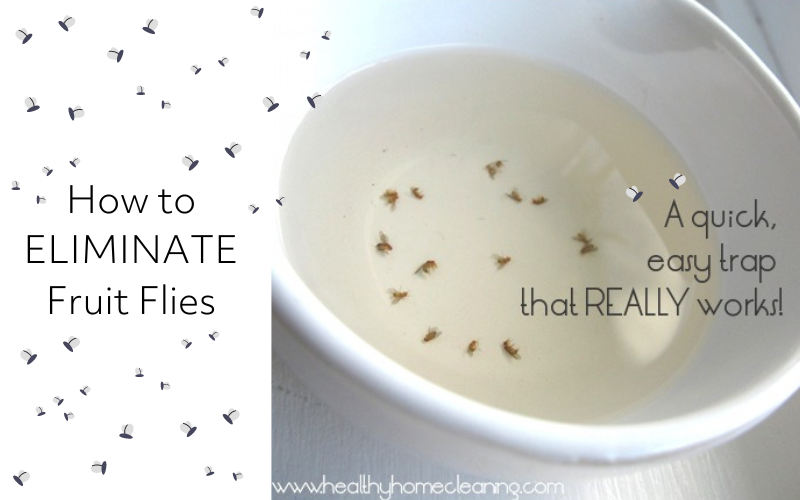
Image Source: healthyhomecleaning.com
The Fly Problem: Why Are They Here?
Before we dive into solutions, let’s figure out why flies are attracted to your kitchen in the first place. Flies are opportunistic feeders, and your kitchen offers a buffet of delights for them.
Common Attractions for Flies
- Food Scraps: Leftover food, crumbs, spills, and unsealed containers are prime targets. Even tiny amounts can attract flies.
- Garbage Cans: Open or poorly sealed garbage cans are fly magnets. Rotting food is a feast for them.
- Drains: Gunk and residue in sink drains can become a breeding ground for drain flies.
- Damp Areas: Spilled water, damp cloths, and wet sponges can create ideal conditions for some fly species.
- Overripe Produce: Fruit flies, in particular, are drawn to ripening or decaying fruits and vegetables.
- Pet Food: Unfinished pet food left out can also attract flies.
Getting Rid of Flies: Your Action Plan
Dealing with flies requires a consistent and thorough approach. Here’s your step-by-step guide to banishing these pests.
Step 1: Deep Clean Your Kitchen
This is the most crucial step. Without removing their food and breeding sources, any other method will only be a temporary fix.
Cleaning Strategies
- Wipe Down Surfaces: Regularly clean countertops, tables, and stovetops. Use a disinfectant to kill any lingering bacteria.
- Address Spills Immediately: Don’t let spills sit. Wipe them up as soon as they happen.
- Wash Dishes Promptly: Don’t leave dirty dishes in the sink. Wash them or rinse them and put them in the dishwasher.
- Empty Trash Regularly: Take out the trash daily, especially if it contains food scraps. Use trash bags that seal tightly.
- Clean Garbage Cans: Wash your indoor and outdoor garbage cans regularly to remove residue.
- Rinse Recyclables: Rinse out cans and bottles before putting them in the recycling bin.
- Clean Drains: Pour boiling water down sink drains to clear out buildup. You can also use a mixture of baking soda and vinegar.
- Check for Dampness: Ensure no areas are persistently damp. Dry out any wet spots.
- Store Food Properly: Keep all food in airtight containers or in the refrigerator.
Step 2: Set Up Traps and Repellents
Once you’ve cleaned, you can use traps and repellents to catch existing flies and deter new ones.
Natural Fly Killer Options
Many effective natural fly killer methods use common household items.
- Apple Cider Vinegar Trap: This is a classic fruit fly trap. Pour some apple cider vinegar into a jar or bowl. Add a drop of dish soap. The soap breaks the surface tension, causing flies to sink and drown. You can cover the top with plastic wrap and poke small holes in it; flies will go in but find it hard to get out.
- Overripe Fruit Bait: Place a piece of overripe fruit in a jar. Cover the opening with plastic wrap and poke holes. Flies will be attracted to the fruit and get trapped.
- Basil and Other Herbs: Planting basil near your kitchen doors and windows can act as a fly repellent. Flies dislike the scent of basil. Other herbs like mint, lavender, and rosemary can also help.
- Essential Oils: Oils like peppermint, eucalyptus, lemongrass, and lavender can be used as a fly repellent. Mix a few drops with water in a spray bottle and mist around your kitchen, avoiding direct contact with food surfaces.
DIY Fly Repellents and Traps Table
| Method | Ingredients | How It Works | Best For |
|---|---|---|---|
| Apple Cider Vinegar Trap | Apple Cider Vinegar, Dish Soap, Jar/Bowl | Sweet scent attracts, soap drowns | Fruit Flies, House Flies |
| Fruit Bait Trap | Overripe Fruit, Jar, Plastic Wrap, Rubber Band | Fruit scent attracts, trapped by cover | Fruit Flies |
| Herb Deterrent | Basil, Mint, Lavender, Rosemary plants or essential oils | Strong scents repel flies | General Prevention |
| Cloves and Citrus | Whole Cloves, Lemon/Orange | Pungent scent deters flies | General Prevention |
| Hanging Bags of Water | Clear Plastic Bags, Water, Pennies/Aluminum Foil | Light refraction confuses and repels flies | General Prevention |
Commercial Fly Control Options
If natural methods aren’t enough, consider these options for flying insect control.
- Fly Swatters: The simplest, most direct method for immediate removal.
- Sticky Flypaper/Ribbons: These are coated with an adhesive that traps flies on contact. Hang them away from food prep areas.
- Indoor Fly Traps: These often use UV light to attract flies and then trap them on an adhesive board or electrocute them. They are a good option for continuous indoor fly control.
- Commercial Fly Spray: Use commercial fly spray cautiously and according to the product’s instructions. Ensure the area is well-ventilated and avoid spraying directly onto food or food preparation surfaces. These are typically a last resort for severe infestations. Always choose products labeled for kitchen use.
Step 3: Prevent Entry
The best way to deal with flies is to stop them from getting into your kitchen in the first place.
Sealing Entry Points
- Screens: Ensure all windows and doors have intact screens. Repair any tears or holes.
- Door Sweeps: Install door sweeps at the bottom of exterior doors to prevent flies from crawling under.
- Caulking: Seal any cracks or gaps around windows, doors, and vents where flies might enter.
Environmental Management
- Keep Doors and Windows Closed: When flies are a problem, keep windows and doors shut as much as possible.
- Compost Properly: If you compost, ensure your compost bin is located away from your house and is well-maintained.
- Clean Pet Areas: Regularly clean up after pets, both inside and outside your home.
- Manage Exterior Attractants: Keep outdoor trash cans sealed and clean. Remove any fallen fruit or debris from around your home’s exterior.
Specific Fly Problems and Solutions
Different types of flies require slightly different approaches.
Fruit Flies: Tiny Terrors
Fruit flies are small, brownish-red flies that are attracted to fermenting fruits and vegetables.
Identifying and Eliminating Fruit Flies
- Source: They breed in overripe fruit, vegetable scraps, dirty drains, and even in the liquid at the bottom of trash cans.
- Trapping: The apple cider vinegar trap is highly effective. Also, try leaving a small amount of wine or beer in a container with a drop of dish soap.
- Prevention: Store fruits and vegetables in the refrigerator or in sealed containers. Clean up spills from fruit juices immediately.
Drain Flies: The Unpleasant Guests
These small, fuzzy flies often hover around sink drains, showers, and other damp areas.
Tackling Drain Flies
- Source: They breed in the organic slime that builds up in drains.
- Cleaning: Pour boiling water down drains to kill larvae and eggs. A mixture of baking soda and vinegar can also help dislodge the slime. For persistent problems, consider using a drain cleaner specifically designed to break down organic matter.
- Prevention: Regular drain cleaning is key. Don’t let water pool in sinks or showers.
House Flies: The Common Culprits
House flies are the most common type of fly found in homes and are attracted to a wide range of decaying organic matter.
Managing House Flies
- Source: Garbage, decaying food, pet waste, and animal carcasses are their main breeding grounds.
- Control: Strict sanitation is paramount. Use sealed trash cans, clean regularly, and address any outdoor attractants. Fly swatters and sticky traps are useful for immediate control. Commercial fly spray can be used for larger infestations, but always prioritize ventilation and safety.
Maintaining a Fly-Free Kitchen: Long-Term Strategies
Preventing flies in the kitchen is an ongoing process. By incorporating these habits into your routine, you can significantly reduce the chances of future fly problems.
Daily Habits for Prevention
- Clean as You Cook: Wipe down surfaces immediately after preparing food.
- Rinse and Store: Rinse dishes before putting them in the dishwasher, and run the dishwasher promptly.
- Trash Management: Empty trash bins daily and ensure they are sealed.
- Food Storage: Keep all food, including pet food, in airtight containers or the refrigerator.
- Countertop Check: Make sure no food is left out uncovered.
Weekly Deep Dives
- Appliance Cleaning: Clean the microwave, toaster, and other appliances where crumbs can accumulate.
- Drain Maintenance: Pour boiling water or a vinegar/baking soda mixture down drains weekly.
- Garbage Can Wash: Wash out your indoor trash can to eliminate residue.
- Screen Inspection: Briefly check window and door screens for any damage.
Seasonal Vigilance
- Spring Prep: As weather warms up, flies become more active. Intensify your cleaning and sealing efforts.
- Summer Defense: This is peak fly season. Be extra diligent with sanitation and consider using fly repellent plants or diffusers.
- Fall Cleanup: Clean up any fallen fruit in your yard that could attract flies.
When to Call a Professional
While most fly problems can be handled with DIY methods, there are times when professional kitchen pest control is necessary.
Signs You Need Professional Help
- Persistent Infestations: If you’ve tried all the above methods and still have a significant fly problem, professionals have access to stronger treatments.
- Unidentified Fly Type: If you can’t figure out what type of fly you have or where they are coming from, a professional can identify the source and the species.
- Breeding Sites are Hidden: Sometimes, breeding sites are in hard-to-reach areas like wall voids or attics, which require professional expertise.
Frequently Asked Questions (FAQ)
Can I use essential oils to repel flies?
Yes, certain essential oils like peppermint, eucalyptus, lemongrass, and lavender are known to repel flies. You can create a natural fly repellent spray by mixing a few drops of these oils with water and a little bit of witch hazel or alcohol to help them emulsify, then mist around your kitchen. Avoid spraying directly on food.
How do I get rid of drain flies permanently?
To get rid of drain flies, you need to clean the organic slime from the drains where they breed. Pouring boiling water down the drain can help. A mixture of baking soda and vinegar, followed by hot water, is also effective. For stubborn infestations, a specialized drain cleaner might be necessary. Regular cleaning is key to permanent prevention.
What is the fastest way to kill flies in the kitchen?
The fastest way to kill flies is typically with a fly swatter for immediate action or by using a commercial fly spray designed for indoor use. However, these are temporary solutions. For a lasting impact, focus on cleaning and trapping.
Are there natural ways to get rid of fruit flies?
Absolutely! The most effective natural fly killer for fruit flies is the apple cider vinegar trap. Other methods include using overripe fruit as bait in a jar with a plastic wrap cover, or leaving out a small amount of beer or wine with a drop of dish soap. Keeping your kitchen clean and storing produce properly are also crucial natural methods.
How can I prevent flies from coming into my kitchen in the first place?
Preventing flies involves sealing entry points like windows and doors with screens, keeping doors closed, and ensuring there are no attractive food sources or breeding grounds. Regularly cleaning your kitchen, especially garbage cans and drains, and storing food properly are key to preventing flies in the kitchen.
Is it safe to use a commercial fly spray in the kitchen?
It can be safe if used correctly and cautiously. Always choose products specifically labeled for indoor fly control and kitchen use. Follow the instructions on the label carefully. Ensure the area is well-ventilated during and after spraying, and never spray directly onto food, utensils, or food preparation surfaces. It’s best to use them as a targeted treatment for an infestation rather than a general preventative measure.
What attracts flies to my kitchen besides food?
Flies can be attracted to dampness, such as in sink areas or from spills that haven’t been cleaned up. They are also drawn to garbage, pet food, and even the organic buildup found in drains. Poor ventilation can also make your kitchen more appealing to them.
By following these comprehensive steps, you can effectively tackle any fly problem in your kitchen and establish habits that will keep your home hygienic and pest-free. Remember, consistency in cleaning and prevention is your best defense against these common kitchen invaders.