
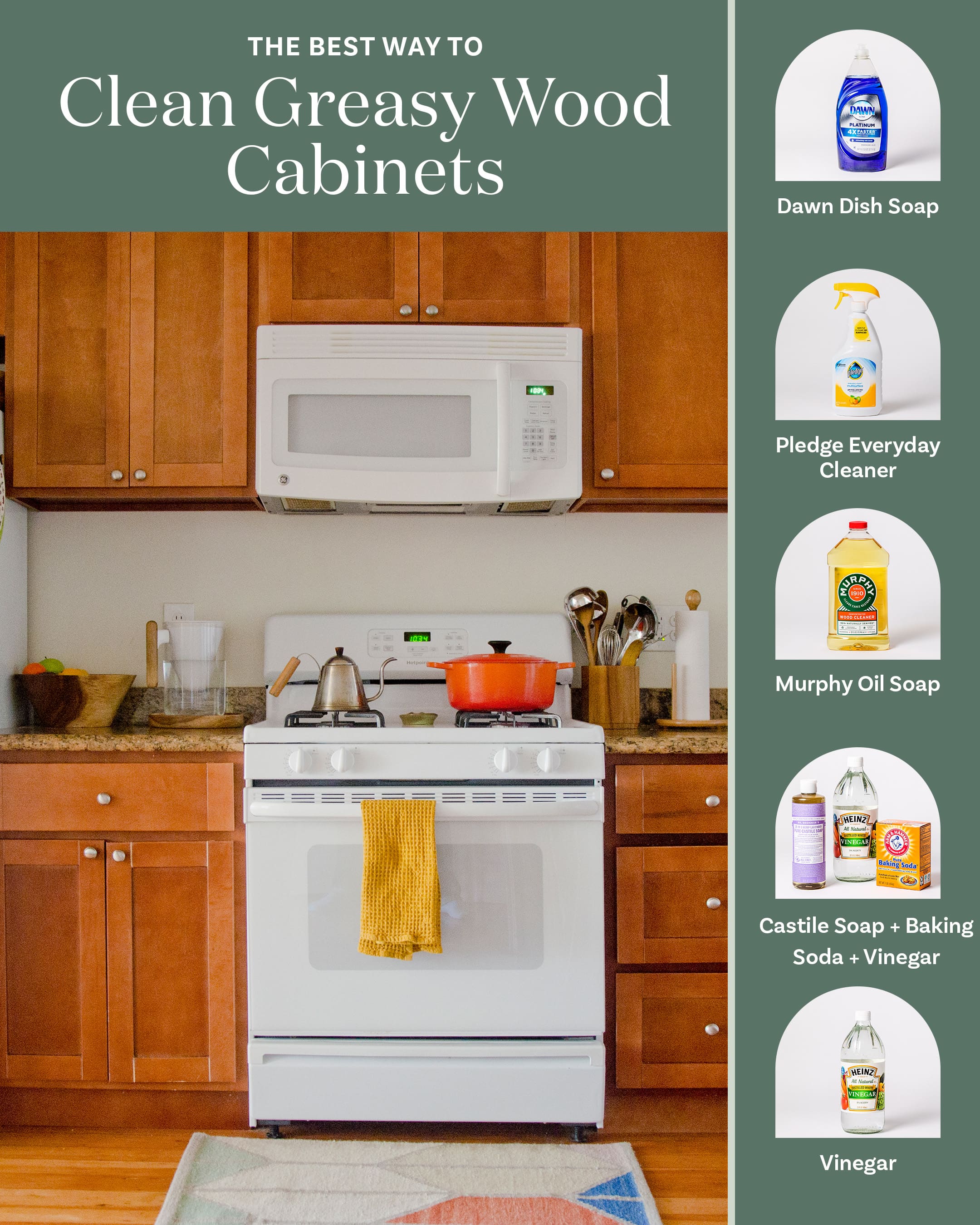
Image Source: cdn.apartmenttherapy.info
How To Clean Kitchen Wood Cabinets Safely and Naturally
Can you use dish soap on wood cabinets? Yes, a mild dish soap diluted in water is a safe and effective way to clean most wood cabinets, especially for everyday grime and light grease. This article will guide you through the best practices for wood cabinet cleaning, focusing on safe and natural methods to keep your kitchen looking its best. We’ll cover everything from daily upkeep to tackling tougher issues like grease buildup and stubborn stains, ensuring your cabinets receive the natural wood cabinet care they deserve.
Why Natural Cleaning for Wood Cabinets?
Many conventional kitchen cabinet cleaner products contain harsh chemicals that can damage the finish of your wood cabinets over time. These chemicals can strip away protective sealants, dull the sheen, and even cause discoloration. Opting for natural cleaning methods not only protects your investment but also contributes to a healthier home environment by reducing your exposure to potentially harmful fumes. Furthermore, natural ingredients are often readily available and cost-effective, making them a practical choice for regular maintenance. When done correctly, these methods can effectively tackle dirt, grease, and grime without compromising the integrity or beauty of your cabinetry.
Essential Supplies for Natural Wood Cabinet Cleaning
Before you begin, gather these simple, natural cleaning supplies:
- Soft cloths: Microfiber cloths are ideal as they are absorbent and won’t scratch surfaces. Have a few on hand – one for cleaning, one for rinsing, and one for drying.
- Warm water: The base for most natural cleaning solutions.
- Mild dish soap: A small amount of gentle dish soap is excellent for cutting through grease.
- White vinegar: A natural disinfectant and degreaser, but use it sparingly and diluted.
- Baking soda: Great for gentle scrubbing and stain removal, but be cautious with its abrasive nature.
- Olive oil or mineral oil: For polishing and conditioning after cleaning.
- Spray bottle: For applying cleaning solutions evenly.
- Soft-bristled brush: For tackling stubborn grime in crevices.
- Old toothbrush: Perfect for getting into nooks and crannies.
Step-by-Step Guide to Cleaning Your Wood Cabinets
The key to successful wood cabinet cleaning is consistency and using the right approach for different types of dirt. Always start with the gentlest method and escalate only if necessary.
Daily and Weekly Wiping Down
Regular maintenance is the easiest way to keep your cabinets clean.
- Dusting: Use a dry, soft microfiber cloth to wipe down cabinet doors and drawers daily or every few days. This prevents dust from accumulating and becoming harder to remove.
- Spot Cleaning: For minor spills or smudges, dampen a soft cloth with plain warm water and wipe the affected area. Immediately dry the surface with a separate clean, dry cloth.
- Light Cleaning Solution: For everyday grime, mix a few drops of mild dish soap with a cup of warm water in a spray bottle. Lightly mist a soft cloth (not the cabinet directly) and wipe down the surfaces. Follow immediately with a cloth dampened with plain water to rinse, and then a dry cloth to polish and prevent water spots. This is the best wood cabinet cleaner for general upkeep.
Deep Cleaning for Grease and Grime
Kitchens are prone to grease, which can build up on cabinet surfaces, especially around the stove and countertops. Degreasing wood cabinets requires a slightly more robust, yet still natural, approach.
-
The Mild Soap Method:
- Mix 1 tablespoon of mild dish soap with 2 cups of warm water.
- Dip a soft cloth into the solution, wring it out thoroughly so it’s just damp.
- Wipe down the cabinet surfaces, paying attention to areas with grease buildup.
- Use a clean, damp cloth (rinsed with plain water) to wipe away any soap residue.
- Immediately dry the cabinets with a soft, dry cloth to prevent moisture damage.
-
The Vinegar Solution (Use with Caution): For tougher grease, a diluted vinegar solution can be effective.
- Mix equal parts white vinegar and warm water in a spray bottle.
- Important: Vinegar is acidic. Test this solution on an inconspicuous spot first to ensure it doesn’t dull the finish. If it seems to affect the sheen, reduce the vinegar concentration further or stick to the soap method.
- Lightly mist a cloth with the solution and wipe down the cabinets.
- Rinse with a damp cloth and dry thoroughly.
Tackling Stubborn Stains and Buildup
Sometimes, everyday cleaning isn’t enough. For more persistent issues, you might need to employ slightly different techniques.
Wood Cabinet Stain Removal
-
Food Stains: For fresh spills like tomato sauce or coffee, wipe them up immediately with a damp cloth. For dried-on stains, you can try a paste made from baking soda and a little water.
- Make a paste of baking soda and water.
- Apply the paste to the stain with a soft cloth or your fingertip.
- Gently rub the stain in the direction of the wood grain.
- Wipe away the residue with a clean, damp cloth.
- Dry the area thoroughly.
- Caution: Baking soda is mildly abrasive. Use it gently and avoid vigorous scrubbing, especially on delicate finishes.
-
Water Stains: Light water rings can sometimes be buffed out with a soft cloth. For more ingrained water stains, you might try the baking soda paste method described above.
Reaching Deep into Crevices
Many cabinets have intricate details and crevices where dirt and grease can hide. An old toothbrush or a soft-bristled brush is your best friend here.
- Dip the brush into your mild soap and water solution.
- Gently scrub the grime out of the crevices.
- Use a damp cloth to wipe away the loosened dirt and then dry the area.
Wood Cabinet Restoration and Polishing
Over time, cabinet finishes can lose their luster. Cabinet wood restoration and regular polishing can revive their appearance.
Revitalizing the Finish with Oil
After cleaning, especially if you’ve used a vinegar solution, conditioning the wood can restore its shine and protect the finish.
- Olive Oil or Mineral Oil:
- Ensure cabinets are completely dry after cleaning.
- Apply a small amount of food-grade mineral oil or olive oil to a clean, soft cloth.
- Gently rub the oil into the wood surface in the direction of the grain.
- Let the oil sit for a few minutes to absorb.
- Buff off any excess oil with a clean, dry cloth.
- This is a fantastic way to achieve a natural wood cabinet polish.
When to Consider Refinishing Wood Cabinets
If your cabinets are heavily scratched, the finish is completely worn away, or they have significant damage, refinishing wood cabinets might be the best long-term solution. This is a more involved process that typically includes:
- Stripping: Removing the old finish using chemical strippers or sanding.
- Sanding: Smoothing the wood surface.
- Staining (Optional): Applying a new stain to achieve your desired color.
- Sealing/Finishing: Applying multiple coats of a protective sealant like polyurethane or varnish.
This process is best suited for those with woodworking experience or when you can hire a professional. However, for minor touch-ups, you can sometimes use wood repair markers or stain pens to cover small scratches.
Restoring Antique Cabinets
Restoring antique cabinets requires extra care and a deep appreciation for their history.
- Identify the Finish: Antique cabinets might have shellac, wax, or oil finishes, which are more delicate than modern varnishes.
- Test Everything: Always test any cleaning or conditioning product on an inconspicuous area first.
- Gentle is Key: Use the mildest cleaning solutions possible. Avoid harsh chemicals or abrasive materials.
- Avoid Excessive Moisture: Too much water can cause veneer to lift or wood to swell.
- Consult an Expert: For valuable antiques, it’s often best to consult with a professional antique restorer to avoid causing irreversible damage.
Specific Wood Types and Their Care
Different wood species have varying needs and sensitivities.
Hardwood Cabinets (Oak, Maple, Cherry)
These woods are durable and generally withstand regular cleaning well. They often have a clear or lightly tinted finish. The methods described above are generally suitable for hardwoods.
Softwood Cabinets (Pine)
Pine is a softer wood that can dent or scratch more easily. It also tends to absorb stains and finishes differently.
- Be extra gentle when cleaning.
- Avoid abrasive cleaners or scrubbing pads.
- When conditioning, use oil sparingly, as pine can absorb it quickly and appear darker.
Veneered Cabinets
Veneer is a thin layer of real wood glued to a less expensive core.
- Extreme caution with moisture: Excess water can cause the veneer to delaminate or bubble.
- Wipe only with a slightly damp cloth and dry immediately.
- Avoid soaking the wood.
What Not to Do When Cleaning Wood Cabinets
To ensure the longevity and beauty of your cabinets, avoid these common mistakes:
- Using too much water: Excess moisture can warp wood, loosen glue, and damage finishes. Always wring out cloths thoroughly.
- Using abrasive cleaners: Steel wool, scouring pads, or abrasive powders can scratch and dull the finish.
- Using harsh chemicals: Ammonia, bleach, and strong solvents can strip finishes and discolor wood.
- Using silicone-based polishes frequently: While they can make cabinets look shiny, silicone can build up and create a sticky residue that attracts dirt, making future cleaning harder. It can also interfere with refinishing wood cabinets if that becomes necessary.
- Scrubbing aggressively: Gentle wiping is usually sufficient. Over-scrubbing can wear down the finish.
- Forgetting to dry: Always dry wood surfaces immediately after cleaning to prevent water spots and moisture damage.
Maintaining the Gleam: A Recap of Natural Wood Cabinet Care
Keeping your kitchen cabinets looking great is an ongoing process. By incorporating these natural cleaning and care practices into your routine, you can preserve their beauty and functionality for years to come. Remember that consistency is key – a quick wipe-down now can prevent a major cleaning job later.
Here’s a quick summary table for easy reference:
| Cleaning Task | Natural Solution | Method | Frequency |
|---|---|---|---|
| Daily Dusting | Dry microfiber cloth | Wipe down all surfaces to remove dust. | Daily/Every few days |
| Spot Cleaning | Slightly damp cloth | Wipe away minor spills or smudges. Dry immediately. | As needed |
| General Grime | 1 tsp mild dish soap + 2 cups warm water | Dampen cloth, wipe surfaces. Rinse with damp cloth, dry thoroughly. | Weekly |
| Grease Buildup | 1 tsp mild dish soap + 2 cups warm water OR 1:1 vinegar/water (test first) | Apply solution to cloth, wipe greasy areas. Rinse and dry thoroughly. | As needed/Monthly |
| Stubborn Stains | Baking soda paste (baking soda + water) | Apply paste gently to stain, rub softly, wipe with damp cloth, dry. | As needed |
| Polishing/Conditioning | Olive oil or mineral oil | Apply small amount to cloth, buff into wood. Buff off excess. | Monthly/Quarterly |
Frequently Asked Questions (FAQ)
Q1: What is the best way to remove sticky residue from my wood cabinets?
A1: For sticky residue, a solution of warm water and a small amount of mild dish soap is usually effective. For tougher, dried-on residue, you can try a paste of baking soda and water, applied gently with a soft cloth. Always rinse the area with a clean, damp cloth afterward and dry thoroughly.
Q2: Can I use furniture polish on my kitchen wood cabinets?
A2: While some furniture polishes might seem like a good idea, many contain silicones or waxes that can build up over time, attract dust, and make it harder to clean your cabinets later. Natural oils like olive oil or mineral oil are generally a safer and more natural alternative for wood cabinet polish.
Q3: My cabinets have a cloudy film. What could be causing this, and how do I fix it?
A3: A cloudy film can be caused by soap residue buildup from using too much cleaner, or from products containing silicone. To remove it, try wiping the cabinets with a solution of equal parts white vinegar and water. Vinegar helps to cut through the film. Ensure you rinse well with a plain damp cloth and dry thoroughly. You may need to repeat this process if the buildup is significant.
Q4: How often should I deep clean my kitchen wood cabinets?
A4: A light wipe-down should be done weekly, or as needed for spills. A more thorough cleaning to address grease and grime should ideally be done monthly or quarterly, depending on how heavily you use your kitchen. For polishing, doing it once a month or every few months can help maintain the wood’s natural luster.
Q5: Can I refinish my wood cabinets myself?
A5: Yes, you can refinish wood cabinets yourself, but it is a labor-intensive process. It involves stripping old finishes, sanding, staining (if desired), and applying new protective coatings. It requires patience and the right tools. If you are unsure, it’s often best to start with a smaller project or consult with a professional.
By following these natural and safe methods, you can effectively clean and maintain your kitchen wood cabinets, ensuring they remain a beautiful and functional part of your home for years to come.