
Yes, you can remove grease from kitchen cupboards easily using a variety of methods, from simple DIY solutions to specialized kitchen cabinet degreasers.
Grease buildup on kitchen cupboards is a common problem. Over time, cooking splatters and airborne grease particles settle on cabinet surfaces, creating a sticky, dull film that’s hard to ignore. This greasy layer not only makes your cabinets look unappealing but can also attract dust and grime, making cleaning even more challenging. But fear not! With the right approach and a few household staples, you can restore your kitchen cabinets to their former shine. This guide will walk you through various effective ways to tackle greasy cabinets, ensuring your kitchen looks and feels fresh.
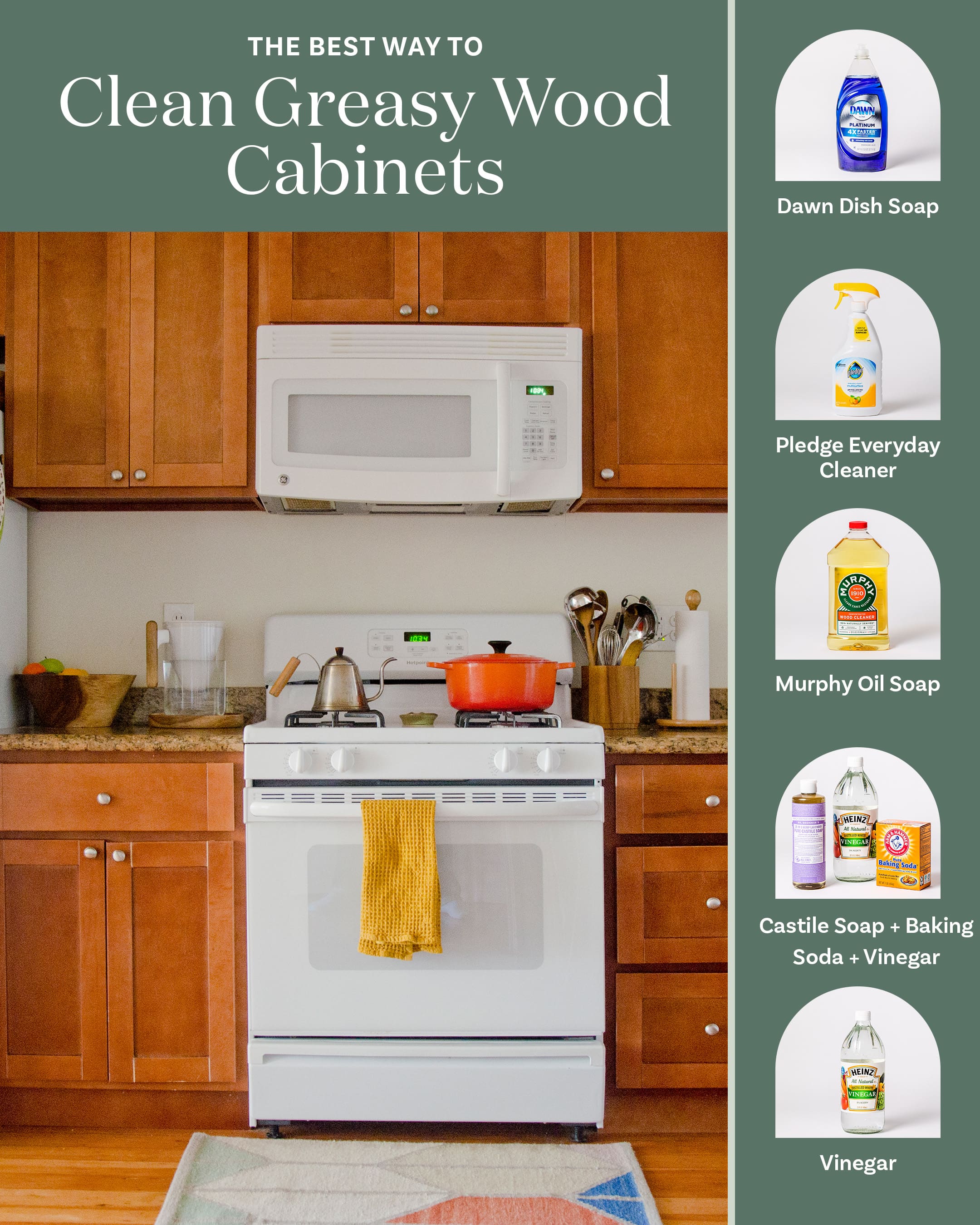
Image Source: cdn.apartmenttherapy.info
The Science Behind Cabinet Grease
Grease, in the context of your kitchen, is typically a combination of fats and oils released during cooking. When heated, these substances become volatile and can become airborne. As they cool, they settle on surfaces, including your kitchen cupboards. This airborne grease, combined with moisture from cooking, creates a sticky residue. Over time, this residue hardens and mixes with dust and other airborne particles, forming a stubborn film. This is why simply wiping with a damp cloth often doesn’t work – you need something to break down and lift the grease.
Preparing Your Kitchen for a Deep Clean
Before you dive into cleaning, a little preparation goes a long way. It helps protect your kitchen and makes the cleaning process smoother.
Protecting Your Workspace
- Clear the Counters: Remove everything from your countertops and inside the cupboards you’ll be cleaning. This gives you unobstructed access to the cabinet surfaces.
- Cover Surfaces: Lay down old towels, newspaper, or plastic sheeting on your countertops and floor directly below the cupboards you’re cleaning. This will catch drips and protect surfaces from cleaning solutions.
- Ventilate: Open windows and doors to ensure good airflow. This helps dissipate any fumes from cleaning products and keeps the air fresh.
Gathering Your Cleaning Supplies
Having all your supplies ready before you start will save you time and effort.
- Gloves: Protect your hands from cleaning solutions.
- Soft Cloths: Microfiber cloths are excellent as they are absorbent and won’t scratch surfaces. Have a good supply of clean cloths.
- Sponges: For tougher spots, a non-abrasive sponge can be helpful.
- Buckets: You’ll need at least two – one for your cleaning solution and one for rinsing.
- Cleaning Solutions: (We’ll detail these below!)
- Old Toothbrush or Cotton Swabs: Useful for cleaning intricate details like cabinet knobs or grooves.
- Squeegee or Dry Cloth: For drying and polishing.
Effective Cleaning Solutions for Greasy Cabinets
There are many ways to remove grease from your kitchen cabinets. Some are natural and gentle, while others are more potent for tougher jobs.
Natural Grease Remover for Cabinets: The Power of Vinegar
Vinegar is a fantastic natural grease remover for cabinets. Its acidity helps break down grease and grime.
Vinegar Kitchen Cabinet Cleaner Recipe:
- 1 part white distilled vinegar
- 1 part warm water
How to Use:
- Mix the vinegar and water in a spray bottle or bucket.
- Lightly spray the solution onto a section of the cabinet or dampen a cloth with it.
- Wipe down the cabinet surface. You’ll notice the grease starting to lift.
- For stubborn spots, let the solution sit for a minute before wiping.
- Rinse the cabinet with a clean, damp cloth to remove any vinegar residue.
- Dry the cabinet thoroughly with a clean, dry cloth.
Caution: While vinegar is effective, it’s best to test it on an inconspicuous area first, especially on painted or stained cabinets, as its acidity can sometimes affect certain finishes. Avoid using it on unsealed wood or natural stone surfaces.
Baking Soda for Greasy Cabinets: A Gentle Abrasive
Baking soda is a mild abrasive that can help lift grease without scratching. It’s also a natural deodorizer.
Baking Soda Paste Recipe:
- 1/4 cup baking soda
- 2-3 tablespoons of water (enough to make a paste)
How to Use:
- In a small bowl, mix baking soda with enough water to create a paste.
- Apply the paste directly to the greasy areas using a cloth or sponge.
- Gently rub the paste into the grease. Let it sit for 5-10 minutes for tougher grime.
- Wipe away the paste with a clean, damp cloth.
- Rinse the area with another clean, damp cloth to ensure all baking soda is removed.
- Dry the cabinets thoroughly.
Tip: This method is particularly good for cleaning greasy cabinets where you need a bit of scrubbing power but want to avoid harsh chemicals.
Dish Soap: Your Kitchen’s Best Friend
Dish soap is designed to cut through grease on dishes, making it a highly effective kitchen cabinet degreaser.
Dish Soap Solution:
- A few drops of mild dish soap
- Warm water
How to Use:
- Fill a bucket with warm water and add a few drops of dish soap. You don’t need a lot, as too much soap can leave residue.
- Dip a soft cloth into the soapy water, wring it out well so it’s damp, not dripping.
- Wipe down the cabinet surfaces.
- For tougher grease, you might need to apply a little more pressure or use a slightly more concentrated soap solution.
- Rinse the cabinets by wiping them with a clean cloth dampened with plain water. This is crucial to remove all soap residue.
- Dry the cabinets immediately with a soft, dry cloth.
This is often considered the best way to clean kitchen cupboards for regular maintenance and lighter grease buildup.
Commercial Kitchen Cabinet Degreaser
If natural methods aren’t cutting through stubborn grease, a commercial kitchen cabinet degreaser can be very effective.
How to Use Commercial Degreasers:
- Read the Label: Always read and follow the manufacturer’s instructions carefully. Different degreasers have different application methods and precautions.
- Test First: Apply the degreaser to a small, inconspicuous area of your cabinets to ensure it doesn’t damage the finish.
- Apply Sparingly: Spray the degreaser onto a cloth, not directly onto the cabinets, unless the product specifically instructs otherwise. This helps control the amount of product and prevents overspray.
- Wipe and Scrub: Gently wipe down the greasy areas. For tougher spots, you might need a soft brush or sponge.
- Rinse: Most degreasers require rinsing with a clean, damp cloth to remove all chemical residue.
- Dry: Dry the cabinets thoroughly with a clean, dry cloth.
Important Note: Be aware of the type of cabinet finish you have (laminate, painted wood, stained wood, etc.) and choose a degreaser appropriate for that material.
Tackling Different Types of Cabinet Finishes
The best cleaning method can depend on the material and finish of your kitchen cabinets.
Cleaning Wood Kitchen Cabinets
Wood cabinets, especially those with a stain or varnish, require a gentler approach.
- For light grease: Dish soap and water is usually sufficient.
- For tougher grease: A diluted vinegar solution or a paste of baking soda and water can be used. Always wipe in the direction of the wood grain.
- After cleaning: Consider applying a wood polish or conditioner to restore shine and protect the wood.
Cleaning Laminate or Melamine Kitchen Cabinets
These surfaces are generally durable and easier to clean.
- For most grease: A solution of dish soap and water or a diluted vinegar solution works well.
- Avoid harsh abrasives: While durable, very abrasive cleaners or scouring pads can scratch laminate surfaces.
- Always dry: Ensure they are thoroughly dried to prevent water damage at seams.
Cleaning Painted Kitchen Cabinets
Painted cabinets can be more delicate, especially if the paint is old or the finish is matte.
- Gentle is key: Start with a mild dish soap and water solution.
- Vinegar with caution: Diluted vinegar can be used, but test it first. Avoid letting it sit for too long.
- Avoid excessive scrubbing: This can wear down the paint.
- Rinse and dry thoroughly: Residue can dull the finish.
Addressing Soap Scum on Kitchen Cabinets
Sometimes, what looks like grease can actually be a buildup of soap residue mixed with grime, especially if you’ve used too much soap without rinsing properly. This is akin to soap scum on kitchen cabinets.
- Use a mild degreaser: A diluted vinegar solution is excellent for breaking down mineral deposits and soap scum.
- A bit of elbow grease: You might need to gently scrub with a soft sponge.
- Thorough rinsing is crucial: Ensure all residue is washed away.
How to Wipe Down Kitchen Cabinets Effectively
The technique you use for wiping down your kitchen cabinets can significantly impact the results.
The Right Wipe Technique
- Work in Sections: Don’t try to clean the entire kitchen at once. Focus on one cupboard or a small section at a time.
- Wipe with the Grain: For wooden cabinets, always wipe in the direction of the wood grain. This helps prevent streaks and potential damage.
- Don’t Saturate: Use damp cloths, not soaking wet ones. Excess moisture can seep into cabinet joints or damage finishes.
- Rinse and Repeat: After cleaning a section, rinse your cloth or use a fresh, damp cloth to wipe away cleaning solution residue.
- Dry Immediately: Always follow up with a clean, dry cloth to prevent water spots and streaks.
Removing Baked-On Grease from Cabinets
For those stubborn, hardened grease spots that resist initial cleaning, you might need a more intensive approach. This is where you’ll be removing baked-on grease from cabinets.
The Power of Heat (Use with Extreme Caution!)
Sometimes, gently warming the grease can make it easier to lift.
- Hair Dryer Method: Hold a hairdryer on a medium heat setting a few inches away from the baked-on grease spot. Move the hairdryer continuously to avoid overheating one area.
- Wipe Immediately: As the grease softens, immediately wipe it away with a cloth dampened with a mild cleaning solution (like dish soap and water).
- Rinse and Dry: Rinse the area and dry it thoroughly.
Important: This method requires extreme caution. Always test on an inconspicuous area first. Do not overheat, as you could damage the cabinet finish or even the wood itself. This is best for small, stubborn spots.
Gentle Scrubbing for Tough Spots
- Baking Soda Paste: As mentioned earlier, a baking soda paste can provide gentle abrasion for baked-on grease.
- Non-Abrasive Sponge: Use a soft sponge with your chosen cleaning solution and apply steady pressure.
- Magic Eraser (with caution): A melamine foam sponge (often called a Magic Eraser) can be very effective at removing tough grime. However, these are mildly abrasive and can dull or remove finishes on some cabinets. Always test in an inconspicuous area first and use with very light pressure.
Advanced Cleaning Tips and Tricks
Beyond the basic methods, a few extra tips can make cleaning your kitchen cupboards even more effective.
Cleaning Cabinet Hardware
Don’t forget your knobs and handles!
- For basic cleaning: Use the same solution you used for your cabinets.
- For tarnished metal: You might need a specialized metal cleaner. Brass or copper hardware might benefit from a paste of lemon juice and baking soda. Always rinse and dry thoroughly.
- Detachable Hardware: If possible, remove knobs and handles for easier cleaning and to avoid getting moisture into screw holes.
Dealing with Stubborn Stains (Beyond Grease)
While this guide focuses on grease, you might encounter other stains like coffee, wine, or food coloring.
- For most stains: Mild dish soap and water or a diluted vinegar solution should work.
- For tougher stains on painted cabinets: A paste of baking soda and water can sometimes lift stains.
- Never use bleach on wood cabinets: It can discolor and damage them.
Maintaining Your Kitchen Cupboards
Prevention is always better than cure!
- Wipe up spills immediately: Don’t let spills and splatters sit on the surface.
- Regular dusting: A quick dusting with a microfiber cloth can prevent grease from accumulating.
- Ventilate while cooking: Use your range hood to draw grease fumes away from your cabinets.
- Deep clean periodically: Aim for a more thorough cleaning every few months, depending on your cooking habits.
How to Wipe Down Kitchen Cabinets: A Step-by-Step Summary
Here’s a quick recap of the process for efficiently wiping down kitchen cabinets:
- Prepare: Clear counters, protect surfaces, and ensure good ventilation.
- Choose Your Cleaner: Select a suitable solution based on your cabinet finish and the level of grease.
- Test: Always test any cleaning product on a hidden spot first.
- Apply: Dampen a cloth with your cleaner, or use a spray bottle sparingly.
- Wipe: Clean the cabinets, working in sections and following the grain for wood.
- Rinse: Use a clean, damp cloth to remove any cleaner residue.
- Dry: Buff the cabinets dry with a clean, soft cloth to prevent streaks and water spots.
Common Mistakes to Avoid When Cleaning Kitchen Cupboards
Even with the best intentions, you might make a few mistakes that can damage your cabinets.
- Using too much water: Excess moisture is a cabinet’s enemy.
- Using abrasive cleaners or tools: These can scratch or dull finishes.
- Skipping the rinse step: Leaving cleaning solutions on cabinets can damage finishes or leave a sticky residue.
- Not drying properly: This leads to water spots and can damage wood.
- Using harsh chemicals like ammonia or bleach without checking suitability: These can be too aggressive for many cabinet finishes.
Frequently Asked Questions (FAQ)
Q: What is the best way to clean kitchen cupboards that have a lot of baked-on grease?
A: For baked-on grease, start with a warm, soapy water solution. If that doesn’t work, try a baking soda paste or a diluted vinegar solution. For extremely stubborn spots, a commercial kitchen cabinet degreaser specifically designed for your cabinet material might be necessary. Always test any cleaner in an inconspicuous area first.
Q: Can I use a Magic Eraser on my kitchen cabinets?
A: Yes, but with extreme caution. A Magic Eraser is a melamine foam sponge that acts as a very fine abrasive. While it can be effective on tough grime, it can also dull or remove the finish on certain cabinet surfaces, especially painted or high-gloss finishes. Always test it in a hidden spot first and use very light pressure.
Q: How often should I clean my kitchen cabinets?
A: This depends on your cooking habits and kitchen usage. It’s a good idea to wipe down cabinets regularly (e.g., weekly) with a damp cloth to remove fresh splatters. A more thorough cleaning to tackle grease buildup should be done every few months, or whenever you notice a sticky film developing.
Q: My kitchen cabinets have a dull film that’s hard to remove. What could it be?
A: This dull film is likely a combination of airborne grease, dust, and cooking residues that have built up over time. It’s effectively a layer of grime that needs to be broken down and wiped away. Using a good kitchen cabinet degreaser or a natural solution like diluted vinegar or dish soap should help restore their shine.
Q: Is it safe to use lemon juice on my kitchen cabinets?
A: Lemon juice has acidic properties similar to vinegar and can help cut through grease. You can dilute it with water. However, like vinegar, it’s best to test it on an inconspicuous area first, especially on painted or stained cabinets, as the acid can sometimes affect finishes.
Q: How do I prevent grease buildup on my kitchen cabinets?
A: The best way to prevent grease buildup is through regular maintenance. Wipe up spills and splatters immediately, use your range hood when cooking to capture grease fumes, and dust your cabinets regularly with a microfiber cloth. A quick wipe-down with a damp cloth every week or two can make deep cleaning much easier.
Q: Can I use a microfiber cloth to clean kitchen cupboards?
A: Absolutely! Microfiber cloths are excellent for cleaning kitchen cupboards. They are absorbent, gentle, and effective at lifting grease and grime without scratching most surfaces. They also help prevent streaks and lint left behind by other types of cloths.
Q: What if I have soap scum on my kitchen cabinets?
A: Soap scum on kitchen cabinets usually indicates a residue of soap mixed with grease and grime. A solution of diluted white vinegar is very effective at breaking down this type of buildup. Apply the solution with a cloth, let it sit for a minute or two on tough spots, then wipe clean. Rinse thoroughly with a damp cloth and dry.
By following these comprehensive steps and using the right cleaning solutions, you can easily remove grease from your kitchen cupboards and keep them looking their best. A clean kitchen starts with clean cabinets!