
Grease is a common enemy in the kitchen, and it loves to cling to cabinets. Can you clean greasy kitchen cabinets? Yes, you absolutely can, and it doesn’t have to be a difficult or chemical-heavy task. This guide will show you how to tackle grease removal from cabinets using simple, natural methods that leave your kitchen looking fresh and clean.
Grease buildup on kitchen cabinets is a persistent problem. It happens from cooking fumes, splatters, and even just the oily air in the kitchen. Over time, this sticky cabinet residue can dull your cabinets’ finish and make them look grubby, no matter how much you wipe them down with plain water. Removing kitchen grease buildup is essential for both the appearance and hygiene of your kitchen. Let’s explore effective cabinet cleaning solutions and cabinet cleaning hacks that are both easy and natural.
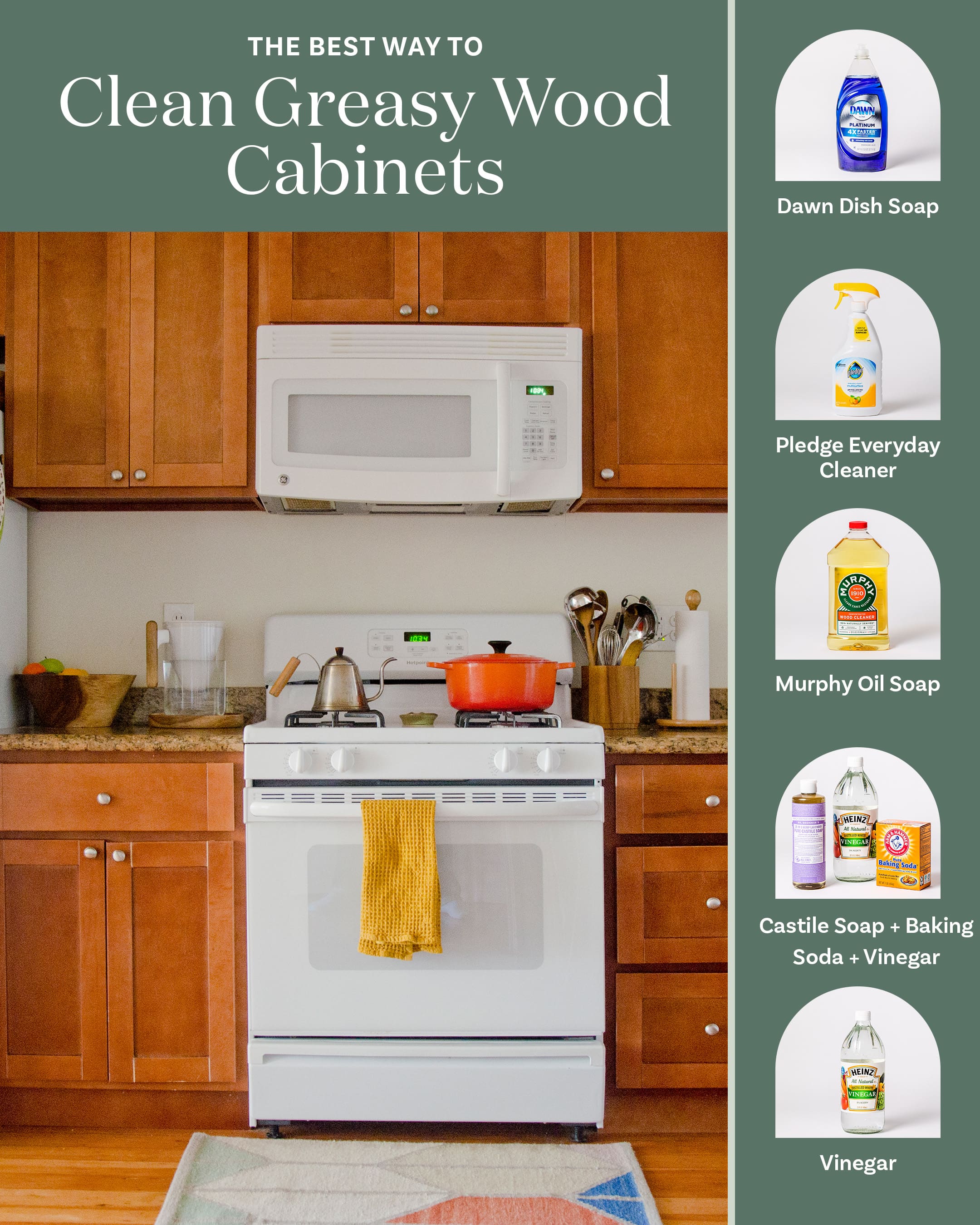
Image Source: cdn.apartmenttherapy.info
Why Natural Solutions Are Best for Cleaning Oily Cabinets
Using harsh chemicals might seem like a quick fix, but they can damage the finish of your cabinets, especially if they are painted or made of wood. Natural ingredients are often just as effective at grease removal from cabinets and are safer for your family and the environment. They work by breaking down the oily film without stripping away the cabinet’s protective coating. This approach is also a key part of good kitchen cabinet maintenance.
Natural Kitchen Cabinet Degreaser Options
When tackling those stubborn, greasy surfaces, several natural items shine as powerful kitchen cabinet degreaser alternatives. These common household staples can break down grease and grime without harsh chemicals.
The Power of Vinegar
White vinegar is a superhero for cleaning. Its acidity helps cut through grease and grime.
How to Use Vinegar:
- Mix: Combine equal parts white vinegar and warm water in a spray bottle.
- Spray: Lightly mist the affected cabinet surfaces. Avoid soaking the wood.
- Wipe: Let it sit for a minute or two, then wipe clean with a soft, damp cloth.
- Rinse: Wipe again with a cloth dampened with plain water to remove any vinegar residue.
- Dry: Buff dry with a clean, soft towel to prevent water spots.
Important Note: While vinegar is generally safe for most cabinet finishes, it’s always best to test it on an inconspicuous spot first. For very old or delicate finishes, dilute the vinegar further.
Baking Soda: The Gentle Abrasive
Baking soda is a mild abrasive that can scrub away tough grease without scratching. It also helps to deodorize.
How to Use Baking Soda:
- Make a Paste: Mix baking soda with a little water to create a paste.
- Apply: Gently spread the paste onto the greasy areas.
- Scrub: Use a soft cloth or sponge to gently scrub the cabinets.
- Wipe: Wipe away the paste with a damp cloth.
- Rinse: Ensure all baking soda residue is removed with a clean, damp cloth.
- Dry: Dry the cabinets thoroughly with a soft towel.
This method is excellent for dealing with sticky cabinet residue that water alone won’t budge.
Lemon Juice: The Natural Degreaser and Freshener
Lemon juice is another acidic powerhouse that cuts through grease and leaves a pleasant citrus scent.
How to Use Lemon Juice:
- Apply: Dip a soft cloth into fresh lemon juice.
- Wipe: Gently wipe down the greasy cabinets.
- Rinse: Wipe with a damp cloth to remove stickiness.
- Dry: Buff dry with a soft towel.
You can also combine lemon juice with baking soda for a more potent cleaning paste.
Dish Soap: A Kitchen Staple for Grease
Don’t underestimate the power of your regular dish soap! It’s specifically designed to cut through grease.
How to Use Dish Soap:
- Dilute: Add a few drops of mild dish soap to a bowl of warm water.
- Wipe: Dip a soft cloth into the soapy water, wring it out well, and wipe down the cabinets.
- Rinse: Use a clean, damp cloth to wipe away soap residue.
- Dry: Dry with a soft towel.
This is one of the simplest and most effective cabinet cleaning solutions for general grease.
Creating Your Own DIY Cabinet Cleaner
Making your own cabinet cleaning solutions is easy and cost-effective. Here are a few popular DIY cabinet cleaner recipes:
Recipe 1: Vinegar and Water Spray
- 1 part white vinegar
- 1 part warm water
- Optional: A few drops of essential oil (like lemon or orange) for scent
Combine ingredients in a spray bottle. Shake well before each use.
Recipe 2: Baking Soda Paste
- 1/2 cup baking soda
- 2-3 tablespoons water (or enough to make a paste)
Mix to form a paste. Apply with a soft cloth.
Recipe 3: Dish Soap and Water Solution
- 1 teaspoon mild dish soap
- 2 cups warm water
Mix in a bowl or spray bottle.
Tackling Tough Grease Removal from Cabinets
Sometimes, simple wiping isn’t enough. For stubborn, caked-on grease, you might need a little extra effort. This is where understanding how to deal with sticky cabinet residue becomes important.
The Hot Water and Cloth Method
- Soak a clean microfiber cloth in hot water.
- Wring it out so it’s damp, not dripping.
- Hold the hot, damp cloth against the greasy spot for about 30 seconds to loosen the grease.
- Wipe the area firmly. You may need to repeat this a few times.
- Follow up with one of the natural degreasers mentioned above.
This simple method is a great first step for heavier buildup.
Using Rubbing Alcohol (Isopropyl Alcohol)
Rubbing alcohol can be an effective kitchen cabinet degreaser for sticky residue. It evaporates quickly and can break down grease effectively.
How to Use Rubbing Alcohol:
- Dilute (Optional but Recommended): Mix equal parts rubbing alcohol and water in a spray bottle.
- Test: Always test on a hidden area first, as alcohol can sometimes affect certain finishes.
- Spray and Wipe: Lightly spray a small area and immediately wipe with a soft cloth.
- Work in Sections: Don’t let the alcohol sit on the surface for too long.
Be cautious with finishes that are easily damaged by alcohol.
The Power of Steam
A steam cleaner, when used correctly, can be a fantastic tool for removing kitchen grease buildup without any chemicals. The heat and moisture loosen the grease, making it easy to wipe away.
How to Use a Steam Cleaner:
- Select the Right Nozzle: Use a flat nozzle or brush attachment.
- Hold at a Distance: Hold the steam nozzle a few inches away from the cabinet surface.
- Steam and Wipe: Steam a small section for a few seconds, then immediately wipe it clean with a microfiber cloth.
- Work in Sections: Move systematically, cleaning and wiping as you go.
- Dry Thoroughly: Ensure cabinets are completely dry afterward.
Caution: Always check your cabinet manufacturer’s recommendations before using a steam cleaner, as high heat can damage some finishes or materials.
Cleaning Different Cabinet Materials
The best way to get rid of grease depends on what your cabinets are made of.
Wood Cabinets
- Sealed Wood: Most sealed wood cabinets can handle the vinegar, lemon, or diluted dish soap methods. Always wipe with the grain of the wood.
- Unsealed or Oiled Wood: These require a gentler touch. Use a slightly damp cloth with a tiny amount of mild soap and rinse very well. Avoid harsh scrubbing.
- Painted Wood: Vinegar or a very mild dish soap solution is usually safe. Test first, as some paints can be sensitive.
Laminate and Thermofoil Cabinets
These surfaces are generally more durable.
- Mild Dish Soap: A solution of warm water and mild dish soap is usually sufficient.
- Vinegar Solution: Diluted vinegar can also be used.
- Avoid: Harsh abrasives, excessive moisture, and very hot water, which can damage the laminate or foil.
Metal Cabinets
Metal cabinets can be prone to streaks.
- Mild Dish Soap: Use a soft cloth dampened with soapy water.
- Glass Cleaner (Diluted): A very diluted glass cleaner can sometimes work, but test first to avoid discoloration.
- Wipe Dry Immediately: This is crucial to prevent water spots and streaks.
Preventive Measures for Kitchen Cabinet Maintenance
The best defense against grease is to prevent it from building up in the first place. Good kitchen cabinet maintenance makes cleaning much easier.
Wipe Down After Cooking
- Keep a microfiber cloth handy while cooking.
- Wipe down cabinet fronts near the stove and cooktop after each use, especially if you’ve fried or sautéed anything.
Use Range Hoods and Fans
- Always use your range hood or kitchen fan when cooking. This helps to vent grease particles and steam away from your cabinets.
Apply a Protective Coating (Optional)
- For wood cabinets, you can apply a furniture polish or wax specifically designed for cabinets. This can create a barrier that makes grease easier to wipe off. Test in an inconspicuous area first.
Regular Cleaning Schedule
- Schedule a quick wipe-down of your cabinets at least once a week. This prevents grease from hardening and becoming difficult to remove.
Frequently Asked Questions (FAQ)
Q1: What is the best natural cleaner for greasy kitchen cabinets?
A1: White vinegar diluted with water is one of the most effective and safest natural cleaners for greasy kitchen cabinets. Baking soda paste is also excellent for tougher spots.
Q2: Can I use dish soap to clean my kitchen cabinets?
A2: Yes, mild dish soap mixed with warm water is a safe and effective way to clean greasy cabinets, as dish soap is designed to cut through grease.
Q3: How do I remove sticky cabinet residue without damaging the finish?
A3: For sticky cabinet residue, start with a damp microfiber cloth. If that doesn’t work, try a solution of equal parts white vinegar and water, or a very mild dish soap solution. Always test in an inconspicuous area first and avoid harsh scrubbing.
Q4: Is it safe to use baking soda on all cabinet types?
A4: Baking soda is a mild abrasive. While generally safe, it’s best to test on a hidden spot first, especially on delicate or antique finishes, to ensure it doesn’t scratch the surface.
Q5: How often should I clean my kitchen cabinets?
A5: For best kitchen cabinet maintenance, aim for a quick wipe-down weekly and a more thorough cleaning monthly, or as needed depending on cooking habits.
Q6: My cabinets have a greasy film. What’s the easiest way to get rid of it?
A6: The easiest way to get rid of a greasy film is to use a spray bottle filled with a 1:1 solution of white vinegar and water. Lightly spray the cabinets, let it sit for a minute, and then wipe clean with a soft cloth.
Q7: What are some good cabinet cleaning hacks for removing kitchen grease buildup?
A7: Some great cabinet cleaning hacks include using a hot, damp cloth to loosen grease before wiping, using a steam cleaner (with caution), and applying a paste of baking soda and water to stubborn spots.
By following these natural and easy methods, you can keep your kitchen cabinets looking pristine and free from grease. Regular cleaning and a few simple preventive steps will ensure your kitchen remains a clean and inviting space.