
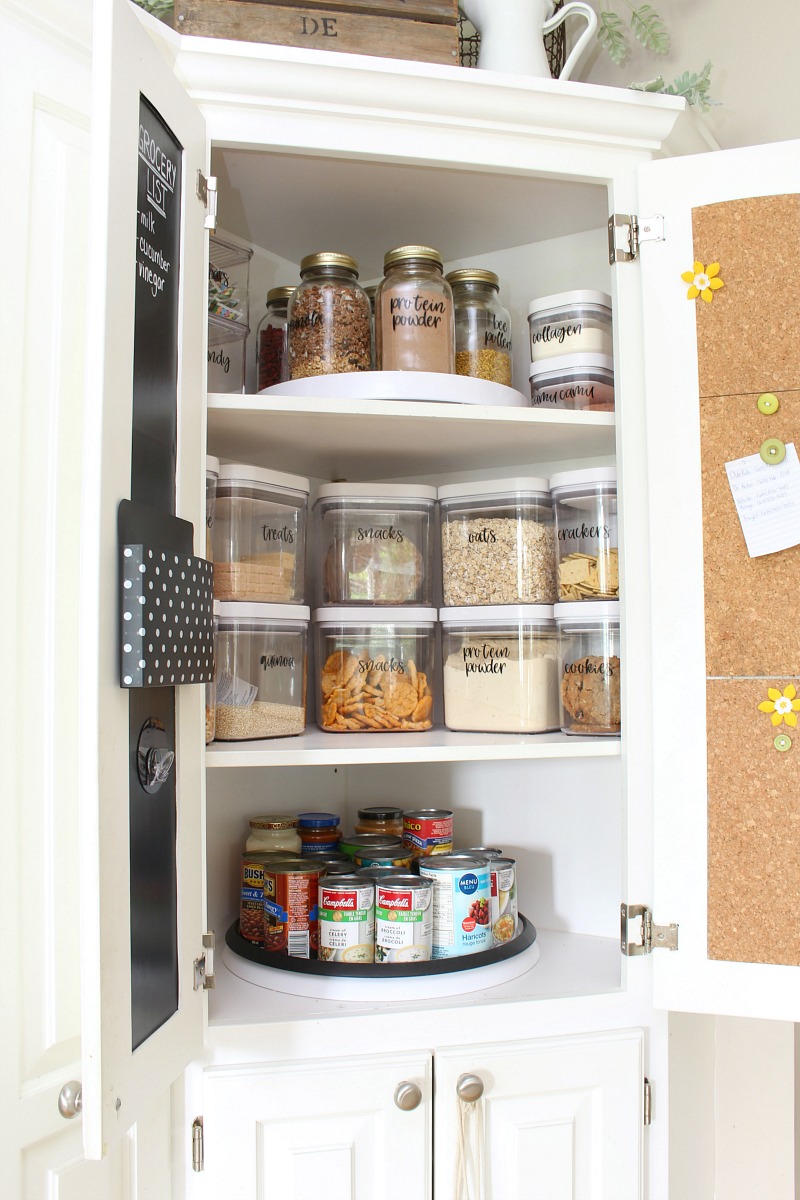
Image Source: www.cleanandscentsible.com
How To Arrange Kitchen Cabinets: Maximize Space
What is the best way to arrange kitchen cabinets to maximize space? The best way to arrange kitchen cabinets to maximize space involves thoughtful kitchen cabinet planning that prioritizes workflow, accessibility, and efficient storage solutions, often considering a kitchen cabinet layout that utilizes the “work triangle” and incorporates various cabinet organization ideas.
When you think about your kitchen, what comes to mind? Probably delicious meals, family gatherings, and maybe a bit of clutter. Your kitchen cabinets are the unsung heroes of your kitchen. They hold everything, from your fancy dinner plates to your everyday coffee mugs. Getting them organized can make a huge difference in how your kitchen looks and how easy it is to use. Let’s dive into how to arrange your kitchen cabinets to get the most out of your space.
Decoding Your Kitchen Cabinet Layout
Before you even think about putting things away, it’s important to grasp your current kitchen cabinet layout. Is it a galley kitchen, an L-shape, a U-shape, or a kitchen with an island? Each layout has its own set of challenges and opportunities for maximizing kitchen storage.
- Galley Kitchens: These are long and narrow. The key here is to make sure you don’t create a bottleneck. Keep frequently used items within easy reach.
- L-Shaped Kitchens: These are versatile. You have two adjacent walls for cabinets. Think about placing your sink on one wall and your stove on the other to form a good work triangle.
- U-Shaped Kitchens: With three walls of cabinets, you have a lot of storage. The challenge is to make sure the space in the middle is functional and not cramped.
- Kitchens with Islands: Islands offer extra counter space and can house additional cabinets. Consider how the island fits into your overall workflow.
Your kitchen cabinet configuration plays a vital role in how efficiently you can use your kitchen. A well-planned configuration reduces wasted steps and makes cooking a more enjoyable experience.
Kitchen Cabinet Planning: The First Step to More Space
Good kitchen cabinet planning is crucial for maximizing kitchen storage. It’s not just about buying cabinets; it’s about thinking strategically about what you store and how you want to access it.
Assessing Your Needs
Before you change a thing, take stock of what you have.
- What do you own? Go through everything you keep in your cabinets. Are there items you haven’t used in years? Consider donating or discarding them.
- What do you use most? Everyday dishes, pots, and pans should be in easy-to-reach spots. Less frequently used items can go in higher or deeper cabinets.
- What are your cooking habits? Do you bake a lot? You’ll need easy access to baking sheets and ingredients. Do you entertain often? You might need space for serving dishes.
Creating Zones
Think about creating different zones within your kitchen. This makes finding things much easier.
- Prep Zone: Near your main counter space. Keep knives, cutting boards, mixing bowls, and spices here.
- Cooking Zone: Near your stove and oven. Store pots, pans, cooking utensils, and oven mitts.
- Cleaning Zone: Around your sink. Store dish soap, sponges, cleaning supplies, and trash bags.
- Storage Zone: For dry goods, pantry items, and less frequently used appliances.
Cabinet Organization Ideas for Every Space
Once you have a plan, it’s time for cabinet organization ideas that will transform your cabinets from cluttered spaces into efficient storage hubs.
Lower Cabinets
Lower cabinets can be tricky. They are deep, and things can get lost in the back.
- Pull-Out Shelves and Drawers: These are game-changers. They allow you to access items at the back without bending down or emptying the entire cabinet.
- Lazy Susans (Turntables): Perfect for corner cabinets or deep shelves. They make it easy to grab spices, oils, or canned goods.
- Stackable Bins and Containers: Use these to group similar items, like baking supplies or pasta. This keeps things tidy and prevents them from toppling over.
- Drawer Dividers: Essential for keeping utensils, gadgets, and even spices organized in drawers.
Upper Cabinets
Upper cabinets are great for lighter items and things you use less often.
- Shelf Risers: These create an extra level of storage, allowing you to stack plates, bowls, or mugs more efficiently.
- Lightweight Bins and Baskets: Use these for smaller items like tea bags, snack packets, or cleaning cloths.
- Clear Containers: For dry goods like flour, sugar, or rice, clear containers not only look neat but also let you see what you have at a glance. Label them clearly!
- Stackable Containers: Ideal for maximizing vertical space, especially for items like plastic containers or food storage bowls.
Corner Cabinets
Corner cabinets are often the most challenging to organize due to their awkward shape.
- Corner Shelving Units: These are designed to fit into the corner and provide more usable shelf space.
- Pull-Out or Swing-Out Systems: Many smart kitchen storage solutions include specialized hardware for corner cabinets that brings items out to you.
- Lazy Susans: As mentioned before, these are excellent for corner cabinets, making items accessible.
Deep Cabinets
Deep cabinets, often found below the counter, can become black holes for your kitchenware.
- Deep Drawers: If you’re considering custom kitchen cabinet design or a renovation, deep drawers are far more practical than deep shelves for lower cabinets.
- Pull-Out Shelves: Retrofitting pull-out shelves into existing deep cabinets is a highly effective way to improve accessibility.
- Stackable Organizers: Use stackable bins or containers to create layers of storage within the depth of the cabinet.
Pantry Organization: The Heart of Food Storage
A well-organized pantry is key to maximizing kitchen storage and keeping your food supplies in order.
- Clear, Airtight Containers: Store dry goods like pasta, cereal, grains, and snacks in these. They keep food fresh and look tidy.
- Tiered Shelving: For cans and jars, tiered shelving allows you to see everything at a glance, preventing items from being hidden at the back.
- Baskets and Bins: Use these to group similar items, like baking ingredients, breakfast items, or canned vegetables. Label them clearly!
- Door Organizers: If your pantry has a door, consider using over-the-door organizers for spices, jars, or small bottles.
- Vertical Storage: Use shelf risers or stackable containers to make the most of the vertical space in your pantry.
Smart Kitchen Storage Solutions
When we talk about maximizing kitchen storage, there are many clever gadgets and systems that can help.
- Drawer Inserts and Dividers: For cutlery, utensils, spices, and even pots and pans, dividers keep items separated and prevent them from becoming a jumbled mess.
- Pot Lid Organizers: These can be mounted inside cabinet doors or placed in drawers to keep pot lids from scattering.
- Under-Shelf Baskets: These slide onto existing shelves to create extra storage space for smaller items.
- Spice Racks: Whether mounted inside a cabinet door, on a wall, or as tiered shelves, a dedicated spice rack keeps your spices organized and visible.
- Appliance Garages: If counter clutter is an issue, an appliance garage can hide away toasters, blenders, and coffee makers.
Modular Kitchen Cabinets vs. Custom Kitchen Cabinet Design
The type of cabinets you choose significantly impacts your storage potential.
Modular Kitchen Cabinets
Modular kitchen cabinets offer a flexible and often more budget-friendly approach. They come in standard sizes and configurations, allowing you to mix and match units to fit your kitchen.
- Pros:
- Often less expensive than custom cabinets.
- Faster to order and install.
- Good variety of styles and finishes.
- Can be rearranged or added to later.
- Cons:
- May not fit perfectly in non-standard kitchen dimensions.
- Limited options for truly unique storage solutions.
- Might have less efficient use of awkward spaces compared to custom.
When working with modular kitchen cabinets, clever organization within each module is key to maximizing kitchen storage. Think about adding internal organizers, pull-out shelves, and dividers to make the most of the standard spaces.
Custom Kitchen Cabinet Design
Custom kitchen cabinet design allows you to tailor every aspect of your cabinets to your specific needs and kitchen dimensions. This is the ultimate way to maximize every inch of space.
- Pros:
- Perfectly fitted to your kitchen’s unique layout and dimensions.
- Tailored storage solutions for specific needs (e.g., pull-out trash bins, built-in spice racks, specialized appliance drawers).
- Higher quality materials and craftsmanship often available.
- Can create unique and aesthetically pleasing designs.
- Cons:
- More expensive than modular options.
- Longer lead times for design and manufacturing.
- Requires careful planning and collaboration with a designer.
If you are opting for custom kitchen cabinet design, this is your chance to think about every possible smart kitchen storage solution. Discuss with your designer how to incorporate pull-out pantries, deep drawers, specialized organizers for pots and pans, and even hidden storage solutions.
Kitchen Cabinet Installation Tips
Proper kitchen cabinet installation is as important as good planning and organization.
- Level and Secure: Ensure cabinets are perfectly level and securely fastened to the wall studs. This is crucial for both safety and the proper functioning of doors and drawers.
- Plumb and Square: Cabinets should be plumb (vertically straight) and square (at right angles). This affects how doors align and drawers slide.
- Hardware Placement: If you’re installing new hardware, measure carefully for consistent placement.
- Check for Obstructions: Before drilling, be aware of electrical wiring and plumbing behind the walls.
- Consider Soft-Close Hinges and Drawer Slides: These are small additions that significantly improve the user experience and prevent wear and tear. They are excellent smart kitchen storage solutions for cabinetry.
Maximizing Kitchen Storage: Beyond the Cabinets
While cabinets are central to maximizing kitchen storage, don’t forget other areas!
- Wall Space:
- Open Shelving: Great for displaying frequently used dishes or decorative items.
- Pegboards: Perfect for hanging pots, pans, and utensils, especially in smaller kitchens.
- Magnetic Knife Strips: Frees up drawer space and keeps knives accessible and safe.
- Above the Fridge: This space is often overlooked. Use bins or baskets to store less frequently used items like seasonal bakeware or extra paper towels.
- Toe Kick Drawers: These shallow drawers are built into the toe kick of your cabinets and are ideal for storing flat items like baking sheets, platters, or even cleaning rags. This is a fantastic smart kitchen storage solution that utilizes often-wasted space.
- Cabinet Door Interiors: Utilize the inside of cabinet doors with small racks for spices, lids, or cleaning supplies.
Putting It All Together: A Step-by-Step Approach
- Declutter Ruthlessly: Start by emptying all your cabinets and getting rid of anything you don’t use or need.
- Categorize Your Items: Group similar items together.
- Plan Your Zones: Decide where each category of items will live based on your cooking workflow.
- Measure Your Space: Know the dimensions of your cabinets and drawers.
- Invest in Organizers: Purchase drawer dividers, bins, shelf risers, and turntables that fit your needs and space.
- Implement Your Cabinet Organization Ideas**: Start filling your cabinets, placing items in their designated zones.
- Label Everything: Clear labels on bins and containers make it easy to find what you need and put things back in the right place.
- Review and Adjust: Live with your new arrangement for a few weeks. See what works and what doesn’t, and make adjustments as needed.
By following these steps and embracing cabinet organization ideas, you can transform your kitchen cabinets into highly functional spaces that not only store your belongings but also make your cooking experience smoother and more enjoyable. Remember, good kitchen cabinet planning is the foundation for effective maximizing kitchen storage.
Frequently Asked Questions (FAQ)
Q1: How often should I declutter my kitchen cabinets?
A1: It’s a good practice to do a thorough declutter at least once a year. However, you can also do smaller mini-declutters seasonally or as you notice items accumulating.
Q2: What are the best cabinet organization ideas for pots and pans?
A2: For pots and pans, consider pull-out shelves or deep drawers. You can also use vertical dividers for lids and stack pans with protective liners or inserts between them. Tiered organizers or pot racks mounted inside cabinets are also effective.
Q3: Is it worth investing in smart kitchen storage solutions like pull-out shelves?
A3: Yes, absolutely! While they might seem like an added expense, they significantly improve accessibility and functionality, especially in lower cabinets, making it much easier to reach items and preventing wasted space. They are key to truly maximizing kitchen storage.
Q4: How can I make my pantry organization more effective for saving space?
A4: Use clear, airtight containers for dry goods, stackable bins for grouping items, tiered shelving for cans and jars, and consider wall-mounted or door-mounted organizers for smaller items. Utilizing vertical space with shelf risers is also crucial.
Q5: What is the difference between modular kitchen cabinets and stock cabinets?
A5: Modular kitchen cabinets are pre-made units that can be combined in various configurations to fit a kitchen. Stock cabinets are similar but often have fewer customization options and are typically the most affordable. Both differ from custom cabinets, which are built to exact specifications.
Q6: How do I measure for kitchen cabinet installation if I’m doing it myself?
A6: Measure the width, height, and depth of each cabinet opening. Also, measure the space between cabinets and walls, and note the location of windows, doors, and appliances. Ensure you measure accurately for appliance openings and filler panels.
Q7: What are some of the most popular custom kitchen cabinet design features for maximizing space?
A7: Popular features include pull-out pantries, deep drawers for pots and appliances, specialized organizers for spices and utensils, toe-kick drawers, integrated trash and recycling bins, and corner cabinet solutions like lazy susans or pull-out shelves.
Q8: My kitchen cabinet layout feels inefficient. What’s the first step to improving it?
A8: The first step is to analyze your current workflow and identify pain points. Where do you have to reach too far? What items are difficult to access? Then, consider rearranging items within your existing cabinets or looking into organizational tools that suit your kitchen cabinet configuration.
Q9: Are there any cabinet organization ideas for making a small kitchen feel bigger?
A9: Yes! Light-colored interiors for cabinets, using clear containers, implementing vertical storage with shelf risers, and keeping countertops clear of clutter can all create a sense of more space. Also, consider open shelving for displaying a few select items.
Q10: What is the importance of kitchen cabinet planning before purchasing or renovating?
A10: Kitchen cabinet planning is essential to ensure you are buying or installing cabinets that meet your storage needs, fit your kitchen’s dimensions, and support an efficient workflow. It helps avoid costly mistakes and ensures you maximize the available space effectively.