
Can you unclog a double kitchen sink? Yes, you absolutely can! Most double sink clogs can be tackled with simple DIY methods. If your kitchen sink is draining slowly or completely blocked, this guide will help you get it flowing again quickly.
A double kitchen sink, while convenient for dividing tasks, can sometimes present a unique challenge when it comes to clogs. Unlike a single sink, a blockage in one basin might affect the other, or a clog can form in the shared pipe connecting them. This comprehensive guide will walk you through effective methods for double sink clog removal, ensuring you can tackle unblocking dual kitchen sink situations with confidence. We’ll cover everything from simple, at-home remedies to when you might need a helping hand.
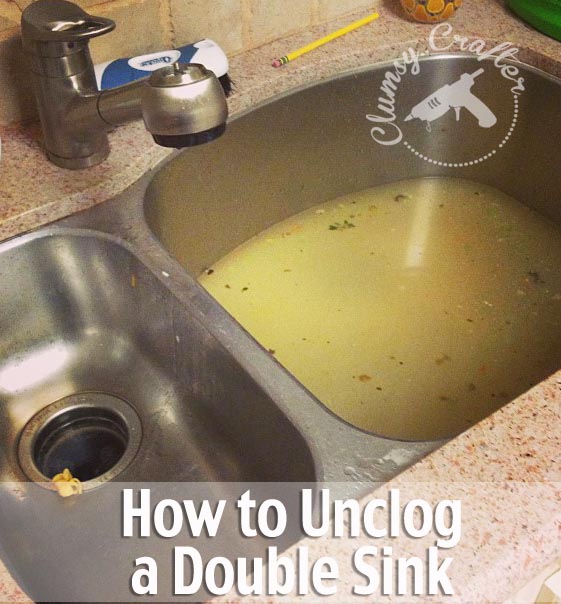
Image Source: www.clumsycrafter.com
Why Do Double Kitchen Sinks Get Clogged?
Before diving into solutions, it’s helpful to know what causes these blockages. Common culprits include:
- Grease and Fat: When hot grease cools in the pipes, it solidifies and traps food particles, creating a sticky mess.
- Food Scraps: Coffee grounds, eggshells, starchy foods (like rice and pasta), and vegetable peels can all build up.
- Hair: While more common in bathrooms, hair can find its way into kitchen drains, especially if you wash dishes with long hair.
- Foreign Objects: Small items like bottle caps, twist ties, or even utensils can accidentally go down the drain.
- Soap Scum: Over time, soap residue can build up and contribute to blockages.
- Improper Disposal Use: Overloading the garbage disposal or putting the wrong things down it (like fibrous vegetables or expandable foods) can lead to clogs that affect both sides of the sink.
Simple Methods for Kitchen Sink Drain Unclogging
When faced with a blocked double sink, start with the easiest solutions. These are often the most effective and don’t require special tools.
Method 1: The Boiling Water Flush
This is the first line of defense, especially for grease-related clogs.
What you’ll need:
- A kettle or pot for boiling water
- Water
Steps:
- Remove any standing water from the sink. You can bail it out with a cup or bowl.
- Boil a good amount of water – at least half a gallon to a full gallon.
- Carefully pour the boiling water directly down the drain of the clogged sink. Pour it in stages, giving it a moment to work.
- Wait a few minutes.
- Run hot tap water to see if the drain has cleared.
Why it works: Hot water can melt grease and other sticky blockages, allowing them to flow down the pipe.
Method 2: Baking Soda and Vinegar
This classic DIY double sink unclogging method uses a natural chemical reaction to break down clogs.
What you’ll need:
- Baking soda (about 1/2 cup)
- White vinegar (about 1/2 cup)
- Boiling water (optional, but recommended)
- A sink stopper or cloth
Steps:
- Clear standing water from the sink.
- Pour the baking soda directly into the drain opening. Try to get as much of it down the drain as possible.
- Follow with the white vinegar. It will start to fizz and bubble immediately.
- Quickly cover the drain opening with a stopper or a damp cloth to direct the reaction downwards into the pipe.
- Let it sit for at least 15-30 minutes. For tougher clogs, you can leave it for an hour or even overnight.
- After the waiting period, pour boiling water down the drain to flush out the loosened debris.
- Test the drain with hot tap water.
Why it works: The reaction between baking soda (a base) and vinegar (an acid) creates carbon dioxide gas, which can dislodge clogs. The fizzing action helps to break down grease and grime.
Method 3: Using a Kitchen Sink Plunger
A kitchen sink plunger is a powerful tool for creating suction and dislodging blockages. Make sure you have a sink plunger, not a toilet plunger, as they have different shapes.
What you’ll need:
- A kitchen sink plunger
- Water
- A damp cloth or stopper
Steps:
- Remove all standing water from the sink.
- If you have a double sink, you’ll need to seal the other drain. Place a damp cloth or stopper firmly in the second sink’s drain opening. This is crucial to create effective suction in the clogged side.
- Fill the clogged sink with just enough water to cover the rubber cup of the plunger. This helps create a good seal.
- Place the plunger cup firmly over the drain opening, ensuring a tight seal.
- Pump the plunger up and down vigorously for about 20-30 seconds. Maintain that seal!
- Pull the plunger up sharply.
- Repeat this plunging process several times. Listen for any gurgling sounds, which indicate the clog is moving.
- Once you think the clog has cleared, remove the stopper from the second drain and run water in both sinks to check for proper drainage.
Why it works: The plunging action creates alternating pressure and suction, which can break up and move stubborn blockages.
More Advanced Methods for Double Basin Sink Blockage
If the simple methods don’t work, you might need to use more specialized tools or techniques.
Method 4: The Drain Snake (Auger)
A drain snake for double sink situations is a flexible coil of wire that can reach further into pipes and physically break up or pull out clogs.
What you’ll need:
- A drain snake (also called a plumber’s snake or auger)
- Gloves
- Bucket
- Rags
Steps:
- Wear gloves and have rags and a bucket ready, as this can get messy.
- If you have standing water, try to remove as much as possible first.
- Locate the drain opening. For a double sink, you might need to snake both sides if the clog is further down the shared pipe.
- Feed the end of the drain snake into the drain opening.
- Gently push the snake further down the pipe. You’ll feel resistance when you hit the clog.
- Once you feel the clog, crank the handle of the snake. This will either break up the clog or snag it so you can pull it out.
- Slowly pull the snake back out, keeping the handle cranked. You may need to repeat this a few times.
- Once you’ve removed as much debris as possible with the snake, run hot water down the drain to flush away any remaining residue.
- Test both sinks to ensure proper drainage.
Why it works: The snake’s rotating head can bore through soft clogs or grab onto larger obstructions, allowing you to remove them.
Method 5: Cleaning the P-Trap
The P-trap is the U-shaped pipe located directly beneath your sink. It’s designed to hold water and prevent sewer gases from entering your home, but it’s also a common place for clogs to form.
What you’ll need:
- Bucket
- Adjustable wrench or channel-lock pliers
- Gloves
- Rags
Steps:
- Place a bucket directly underneath the P-trap to catch any water and debris.
- Loosen the slip nuts on either side of the P-trap using your wrench or pliers. Turn them counter-clockwise.
- Once the nuts are loose, carefully remove the P-trap. Be prepared for water to spill out.
- Empty the contents of the P-trap into the bucket. You might find hair, gunk, or even small objects.
- Clean the inside of the P-trap thoroughly with a brush or cloth. You can also flush it with hot water.
- Inspect the pipes leading into and out of the P-trap for any visible blockages. You might be able to clear these by hand or with a thin rod.
- Reassemble the P-trap, ensuring the slip nuts are tightened securely (but don’t overtighten).
- Run water in the sink to check for leaks and proper drainage.
Why it works: This method directly removes the blockage from a common trap point in the plumbing system.
Method 6: Chemical Drain Cleaner (Use with Caution!)
While chemical drain cleaner for double sink use is an option, it should be considered a last resort due to its corrosive nature. It can damage pipes over time and is harmful to the environment. Never mix different chemical drain cleaners, as this can create dangerous fumes.
What you’ll need:
- A chemical drain cleaner specifically designed for kitchen sinks
- Gloves
- Eye protection
- Plenty of ventilation
- Water
Steps:
- Read the product instructions carefully! Each product is different.
- Ensure good ventilation in the kitchen. Open windows and turn on the exhaust fan.
- Wear gloves and eye protection.
- Pour the recommended amount of cleaner down the drain.
- Allow the cleaner to sit for the time specified on the product label.
- Flush the drain thoroughly with a large amount of hot water.
- Test the drain.
Why it works: Chemical drain cleaners contain harsh chemicals that dissolve organic matter, grease, and hair.
Important Considerations for Chemical Cleaners:
- Pipe Material: Some chemicals can damage older pipes, especially those made of galvanized steel.
- Garbage Disposal: Avoid using chemical drain cleaners if you have a garbage disposal, as the chemicals can harm the unit.
- Frequent Use: Do not use chemical drain cleaners regularly, as this can weaken your pipes.
- Alternative Methods: Always try mechanical methods (plunger, snake) first.
Fixing Double Kitchen Sink Drain Issues: Prevention is Key
Once you’ve successfully unclogged your sink, it’s important to take steps to prevent future blockages. This is crucial for fixing double kitchen sink drain problems permanently.
Daily Habits for a Free-Flowing Sink:
- Scrape Plates: Always scrape food scraps into the trash or compost bin before rinsing dishes.
- Avoid Pouring Grease: Never pour grease, oil, or fat down the drain. Let it cool and solidify, then wipe it up with a paper towel and discard it in the trash.
- Use Strainers: Install drain strainers in both sinks to catch food particles and hair. Empty them regularly into the trash.
- Run Hot Water: After using the sink, especially after washing greasy items, run hot water for a minute to help flush the pipes.
- Mind the Garbage Disposal:
- Run cold water before, during, and after using the disposal.
- Avoid putting fibrous materials (celery stalks, corn husks), expandable foods (rice, pasta), coffee grounds, eggshells, or grease down the disposal.
- Cut large food items into smaller pieces before putting them in the disposal.
Monthly Maintenance:
- Baking Soda and Vinegar Flush: Once a month, pour about 1/2 cup of baking soda down each drain, followed by 1/2 cup of vinegar. Let it sit for 30 minutes, then flush with hot water. This helps to keep pipes clean and prevent buildup.
When to Call a Professional Plumber
While most double sink clogs are manageable with DIY methods, there are times when you should call in a professional plumber.
Signs it’s time to call a plumber:
- Persistent Clogs: If you’ve tried multiple methods and the sink still won’t drain, the clog may be too deep or severe for DIY solutions.
- Multiple Fixtures Affected: If other drains in your house (toilets, showers) are also backing up or draining slowly, it indicates a main sewer line blockage.
- Foul Odors: Persistent sewer smells could mean a problem with your venting system or a deeper blockage.
- Water Backing Up: If water is backing up into one sink when you use the other, or when you flush a toilet, it suggests a serious issue in the main drain line.
- Lack of Confidence: If you’re uncomfortable with any of the DIY methods, it’s always best to let a professional handle it to avoid causing further damage.
A professional plumber has specialized tools and expertise to diagnose and fix even the most stubborn clogs, ensuring the job is done safely and effectively.
Frequently Asked Questions (FAQ)
Q1: How do I know if my double sink clog is in one side or the shared pipe?
A: If only one side is slow or blocked, the clog is likely in the individual drain pipe for that side. If both sides are draining slowly or backing up, the clog is probably further down in the shared pipe or the main drain line.
Q2: Can I use a chemical drain cleaner on a sink with a garbage disposal?
A: It’s generally not recommended. Chemical drain cleaners can damage the seals and blades of garbage disposals. If you have a disposal, opt for mechanical methods like plunging or snaking.
Q3: What’s the best way to unclog a double sink quickly?
A: For speed, start with boiling water. If that doesn’t work, use a plunger with the other drain sealed. These two methods are often the fastest for common clogs.
Q4: My double sink is clogged, and water is coming up in the other sink. What should I do?
A: This is a sign of a blockage in the shared pipe between the two sinks or further down the line. Stop using both sinks immediately and try plunging both drains with the other one sealed. If that doesn’t work, it’s likely time to call a plumber.
Q5: How often should I use baking soda and vinegar to clean my drains?
A: A monthly maintenance flush with baking soda and vinegar is usually sufficient to help prevent minor buildup and keep your drains smelling fresh.
By following these steps and preventative measures, you can effectively tackle most double sink clog removal tasks and keep your kitchen plumbing running smoothly.