
Can you unclog a double kitchen sink with standing water? Yes, you absolutely can unclog a double kitchen sink with standing water. It might seem daunting, especially when water is sitting stagnant in both basins, but with the right approach and tools, you can effectively tackle this common plumbing problem. A clogged kitchen sink, particularly a double sink setup, often indicates a significant blockage somewhere within the drain pipes.
Dealing with a double sink drain that has standing water is a common household frustration. When both sides of your kitchen sink are backing up, it means the clog is likely further down the main drain line, affecting both drains. This situation can be messy and inconvenient, but don’t panic! There are several effective methods you can try before calling a plumber. This guide will walk you through a step-by-step process to clear that kitchen sink backup and restore proper drainage.
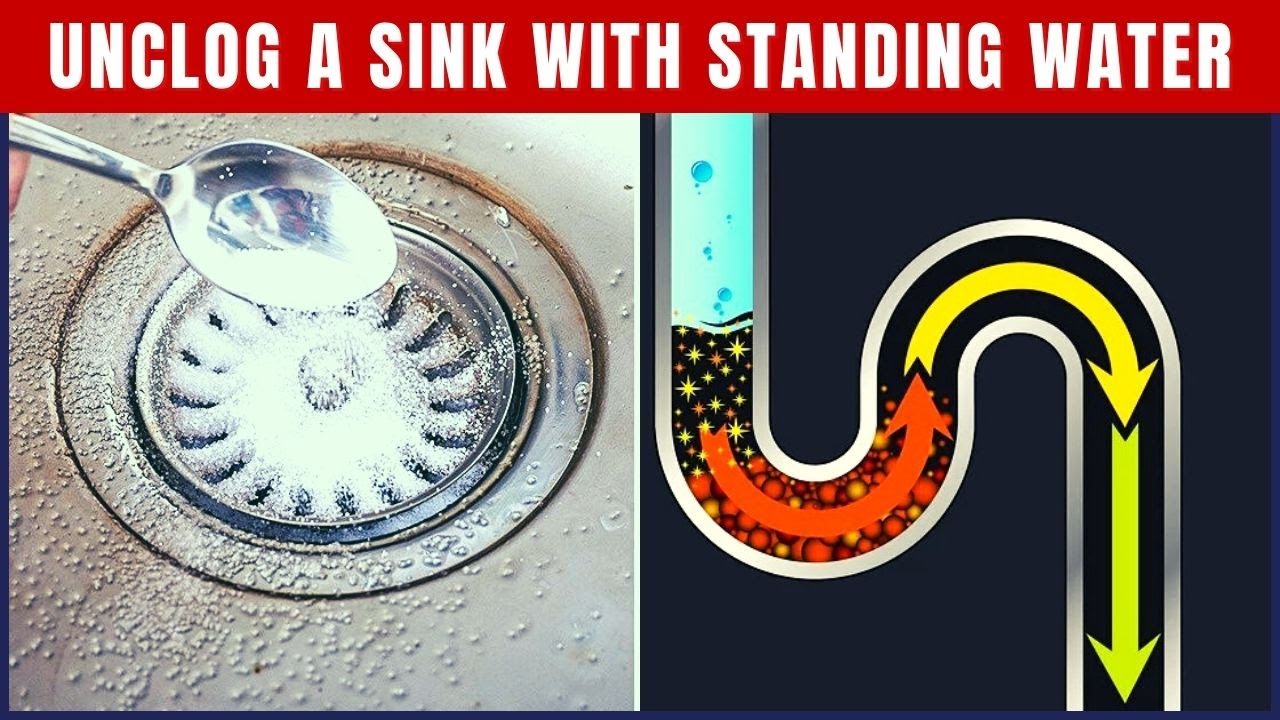
Image Source: i.ytimg.com
Why Does a Double Kitchen Sink Clog?
Before we dive into solutions, let’s understand why a clogged kitchen sink occurs, especially in a double basin setup. The most common culprits are:
- Grease and Fat: Pouring hot grease, oil, or fat down the drain seems harmless, but as it cools, it solidifies and coats the inside of your pipes. Over time, this buildup narrows the pipe’s diameter, trapping other debris.
- Food Scraps: Coffee grounds, eggshells, pasta, rice, and fibrous vegetable peels (like celery or potato skins) are notorious for causing clogs. While garbage disposals can handle some food waste, they aren’t foolproof and can still contribute to blockages, especially if overworked or if larger items are put down.
- Foreign Objects: Things like bottle caps, small toys, utensils, or even excessive amounts of paper towels can accidentally fall into the drain and create a blockage.
- Mineral Buildup: Hard water can lead to mineral deposits forming inside pipes, gradually reducing the flow and creating a rough surface where debris can catch.
- Hair: While more common in bathroom drains, hair can still find its way into kitchen drains and contribute to clogs, especially when mixed with grease and food particles.
- Improperly Connected Plumbing: In some cases, the issue might stem from the way the double sink drain pipes are connected, creating an inefficient flow that is more prone to blockages.
Tools You’ll Need for Drain Cleaning
Having the right tools on hand makes the process of drain cleaning much smoother. Here are some essentials:
- Rubber Gloves: To protect your hands from dirty water and any cleaning solutions.
- Bucket or Old Towels: To catch any excess water or debris that might spill out when you disconnect parts of the plumbing.
- Sink Plunger: A specialized flange plunger, which has an extra cup that can fit into the drain opening, is ideal for sinks. A standard cup plunger can also work if you cover the other drain opening.
- Drain Snake (Auger): A flexible metal cable that can be fed into the pipe to break up or retrieve blockages.
- Adjustable Wrench or Pliers: For loosening and tightening pipe fittings under the sink.
- Old Toothbrush or Wire Brush: For cleaning out the sink strainer and pipes.
- Baking Soda and Vinegar: Natural drain cleaning agents.
- Hot Water: To help flush out loosened debris.
- Safety Glasses: To protect your eyes from splashes.
Step-by-Step Guide: How to Unclog a Double Kitchen Sink with Standing Water
When facing a kitchen sink backup with standing water in both basins, you need to address the blockage systematically.
Step 1: Remove Standing Water
Before you can effectively work on the clog, you need to get rid of the standing water.
- Manual Removal: Use a cup or ladle to bail out as much water as possible into a bucket. Place old towels around the sink to catch any spills.
- Wet/Dry Vacuum: If you have a wet/dry shop vacuum, this is an excellent tool for removing standing water quickly and efficiently. Ensure the vacuum is set to “wet” mode and has a hose attachment that can fit snugly into the drain.
Step 2: Address the Sink Strainer
Sometimes, the clog is simply a buildup of gunk right at the drain opening.
- Remove the Strainer: Pull out the sink strainer basket. You might need to wiggle it a bit.
- Clean the Strainer: Thoroughly clean the strainer under running water, using an old toothbrush or brush to remove any trapped food particles, grease, or hair.
- Inspect the Drain Opening: Look into the drain opening. If you can see a visible blockage near the surface, try to remove it with your fingers (wearing gloves!) or a pair of tongs.
Step 3: Use a Sink Plunger
A sink plunger is your first line of defense for a plumbing clog.
- Seal the Other Drain: Crucially, if you have a double sink, you must seal the opening of the other drain. You can use a wet rag, a stopper, or even duct tape to ensure an airtight seal. This is vital so the plunging action creates pressure in the pipe, not just pushes air and water back into the other sink.
- Fill the Sink Slightly: Add a few inches of hot water to the sink basin you are about to plunge. This water will help create a better seal for the plunger and provide something for the plunger to work with.
- Position the Plunger: Place the plunger cup firmly over the drain opening, ensuring a complete seal.
- Plunge Vigorously: Push down and pull up sharply several times. You’re trying to create suction and pressure to dislodge the clog.
- Check for Drainage: After about 15-20 plunges, remove the plunger and see if the water drains. If it does, great! Flush with hot water. If not, repeat the plunging process, focusing on a strong upward pull.
- Repeat on the Other Side: If the first side didn’t work, try plunging the other side of the double sink, again ensuring the opposite drain is sealed.
Step 4: Try the Baking Soda and Vinegar Method
This is a natural and effective way to tackle grease and minor clogs.
- Ensure Water is Drained: Make sure as much standing water as possible is out of the sink.
- Pour Baking Soda: Pour about 1/2 cup to 1 cup of baking soda directly into the drain opening.
- Add Vinegar: Immediately follow with about 1 cup of white vinegar. You’ll see a fizzing reaction. This is the baking soda and vinegar creating a chemical reaction that can help break down grease and loosen blockages.
- Seal and Wait: Cover the drain opening tightly with a stopper or rag to keep the fizzing action concentrated within the pipe. Let it sit for at least 30 minutes, or even an hour for tougher clogs.
- Flush with Hot Water: After the waiting period, pour a kettle of boiling water (be careful!) down the drain to flush away the loosened debris.
- Check Drainage: See if the water drains. You may need to repeat this process a couple of times for stubborn clogs.
Step 5: Use a Drain Snake (Auger)
If plunging and the baking soda/vinegar method haven’t worked, it’s time to bring out the drain snake. This tool can reach further into the pipes and physically break up or pull out the obstruction.
- Locate the P-Trap: Most clogs in kitchen sinks occur in the P-trap (the U-shaped pipe under the sink) or the pipe immediately after it. You’ll need to access this.
- Place a Bucket: Put a bucket directly underneath the P-trap to catch any water or debris that will spill out when you disconnect it.
- Disconnect the P-Trap: Most P-traps have slip nuts that can be loosened by hand or with an adjustable wrench or pliers. Loosen them carefully and remove the U-shaped section of pipe.
- Clean the P-Trap: Inspect the P-trap for any visible blockages. Clean it thoroughly. You might find a significant amount of gunk and debris.
- Insert the Drain Snake: Feed the end of the drain snake into the pipe opening that leads from the sink into the wall.
- Crank the Handle: As you push the snake into the pipe, crank the handle to rotate the cable. This rotation helps the snake bite into and break up the clog.
- Feel for Resistance: You’ll feel resistance when you hit the clog. Continue cranking and pushing gently to work through it. You might be able to break it up, or you might snag it.
- Retrieve the Snake: Slowly pull the snake back out, turning the handle as you go. If you snagged something, you’ll pull it out with the snake.
- Reassemble and Test: Reconnect the P-trap securely. Run hot water down the sink to test if the clog is gone. If it drains properly, run water for a few minutes to ensure the pipes are clear.
Step 6: Check the Vent Pipe (Less Common, but Possible)
A blocked vent pipe can also cause slow draining and backups in your kitchen sink. However, this is less likely to cause a sudden, severe clog in both basins unless it’s a shared vent issue. Vent pipes allow air into your plumbing system, which is crucial for proper water flow. If the vent is blocked (often by leaves or bird nests on the roof), it can create a vacuum effect that prevents water from draining. Accessing and clearing vent pipes usually requires going onto the roof and is often best left to a professional.
Step 7: When to Consider Chemical Drain Cleaners
Chemical drain cleaner products are available and can be effective for certain types of clogs, particularly those caused by grease and soap scum. However, they should be used with extreme caution, especially when dealing with standing water and a double sink.
- Safety First: Chemical drain cleaners are corrosive. Always wear rubber gloves and safety glasses. Ensure good ventilation in the area.
- Read Instructions Carefully: Follow the product’s instructions precisely. Never mix different drain cleaning chemicals, as this can create dangerous fumes.
- Use Sparingly: Avoid using them frequently, as they can damage older pipes over time.
- Consider the Clog Type: They are less effective on solid obstructions like food particles or hair.
- Water Issue: If there’s significant standing water, the chemical might be diluted, reducing its effectiveness. Ideally, you want to use it after most of the water has been removed.
- Risk to P-Trap: If you disconnect the P-trap to use a snake, be aware that residual chemicals can cause burns.
Recommendation: While available, it’s often best to try mechanical methods like plunging and snaking first. If you do opt for a chemical cleaner, use it as a last resort before calling a plumber, and be aware of the risks.
What to Do After Clearing the Clog
Once you’ve successfully cleared the clog:
- Run Hot Water: Let hot water run down the drain for several minutes. This helps flush away any remaining debris and residue in the pipes.
- Clean Up: Wipe down the sink and surrounding areas. Dispose of any collected gunk and clean your tools.
- Monitor: Keep an eye on your sink for the next few days to ensure the problem doesn’t return.
Preventing Future Double Sink Clogs
Prevention is always better than cure. Here are some tips to keep your double sink drain flowing freely:
- Scrape Plates: Scrape food scraps into the trash or compost bin before rinsing dishes.
- Avoid Pouring Grease: Never pour grease, oil, or fat down the drain. Let it solidify in a container and throw it away in the trash.
- Use a Strainer: Always use a sink strainer basket to catch food particles and debris. Empty it regularly.
- Run Cold Water with Garbage Disposal: If you have a garbage disposal, always run cold water for at least 20-30 seconds before, during, and after using it.
- Be Mindful of What Goes Down: Avoid putting coffee grounds, eggshells, pasta, rice, potato peels, or fibrous vegetables down the drain.
- Occasional Maintenance: Pouring boiling water down the drain once a month can help melt away any minor grease buildup. You can also use the baking soda and vinegar method as a preventative measure.
Troubleshooting Common Issues
| Problem | Possible Cause | Solution |
|---|---|---|
| Plunger not working | Poor seal, clog too far down, wrong type of plunger. | Ensure a good seal, try plunging the other side, use a drain snake. |
| Baking soda/vinegar fizzing stops quickly | Water dilutes it, or clog is too dense. | Ensure sink is as dry as possible, repeat the process, try plunging again after waiting. |
| Drain snake won’t go around a bend | The snake is too stiff, or the bend is too sharp. | Try a more flexible snake, or a smaller diameter snake. If it’s a sharp bend, you might need to access the pipe before that point. |
| Water still backing up after using a snake | Clog is deeper in the main line, or you missed it. | Repeat snaking, try plunging again if water is cleared, or call a professional plumber. |
| Slow drain returns quickly | Incomplete clog removal or pipe buildup. | Repeat cleaning methods, consider professional pipe cleaning for significant buildup, or address potential venting issues. |
Frequently Asked Questions (FAQ)
Q1: How long should I let baking soda and vinegar sit in the drain?
A: For general maintenance or minor clogs, 30 minutes is often sufficient. For tougher clogs, you can let it sit for an hour or even overnight if you have a very stubborn blockage and are not using any other chemicals.
Q2: Can I use bleach to unclog my sink?
A: It’s generally not recommended to use bleach. While it can kill bacteria and deodorize, it’s not very effective at breaking down grease and organic matter that typically cause kitchen sink clogs. More importantly, if you’ve already used a chemical drain cleaner, mixing bleach with it can create dangerous toxic fumes.
Q3: My garbage disposal isn’t working, and the sink is backed up. What should I do?
A: First, ensure the disposal is not jammed. Check the reset button usually located on the bottom of the unit. If it has tripped, press it. If it keeps tripping, there might be a jam. Important: Always turn off the power to the disposal at the breaker box before attempting to clear a jam manually. Use tongs or pliers to remove any obstructions. If the disposal is humming but not grinding, it might be jammed. If it’s not humming at all, it could be an electrical issue or a jammed motor.
Q4: Is it safe to use a chemical drain cleaner on a double sink with standing water?
A: It’s best to remove as much standing water as possible before using a chemical cleaner. The chemicals work best when concentrated on the clog. Additionally, using them with standing water can dilute the cleaner and make it less effective, while still posing a risk of splashing or fumes.
Q5: How often should I perform drain maintenance?
A: For preventative maintenance, running boiling water down the drain weekly or monthly can help. Using the baking soda and vinegar method once a month is also a good practice. If you have a history of clogs, more frequent maintenance might be necessary.
Clearing a double kitchen sink with standing water can be a manageable DIY project if you approach it methodically. By understanding the causes of clogs and using the right tools and techniques, you can restore your sink’s functionality and keep your kitchen running smoothly. Remember, if you’re ever uncomfortable or the clog persists, don’t hesitate to call a professional plumber.