
Can you secure your kitchen sink to prevent leaks easily? Yes, with the right steps and regular checks, you can significantly reduce the chances of leaks and keep your kitchen dry. This guide will walk you through the process of securing your kitchen sink, from checking the basic plumbing connections to understanding the components that prevent water from escaping.
A well-secured kitchen sink is crucial for a dry and functional kitchen. Leaks can range from minor annoyances to major disasters, causing water damage, mold growth, and costly repairs. Fortunately, most common sink issues are preventable with a little know-how and some basic maintenance. Whether you’re dealing with a dripping faucet, a loose drain, or potential issues with your dishwasher hookup or garbage disposal installation, this comprehensive guide will equip you with the knowledge to tackle these problems head-on and ensure a leak-free kitchen sink.
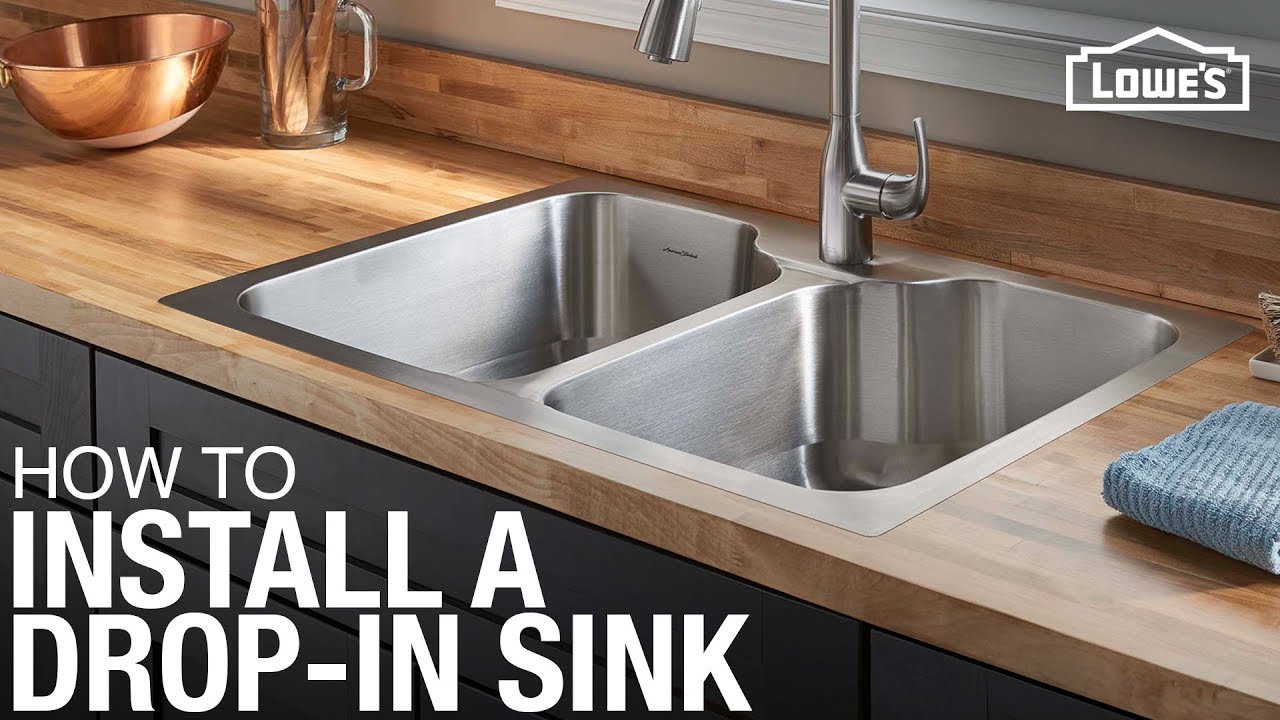
Image Source: i.ytimg.com
The Foundation of a Secure Sink: Essential Components
A kitchen sink’s security relies on a network of interconnected parts. Each component plays a vital role in directing water where it should go and preventing it from going where it shouldn’t. Let’s delve into the essential elements that contribute to a leak-free sink environment.
Plumbing Connections: The Lifelines of Your Sink
The plumbing connections are the arteries of your kitchen sink system. These are the points where water enters and exits the sink area. Ensuring these connections are tight, properly sealed, and free from corrosion is paramount for leak prevention.
- Water Supply Lines: These flexible or rigid tubes bring hot and cold water from your main water supply to the faucet. Over time, these lines can degrade, loosen, or develop small cracks, leading to drips.
- Drain Pipes: These pipes carry wastewater from the sink basin down to your home’s main drainage system. The connections between the sink strainer, the tailpiece, the P-trap, and the wall pipe are critical.
Faucet Repair: Addressing the Drip at the Source
The faucet is often the most visible part of the sink and a common culprit for leaks. A dripping faucet wastes water and can be incredibly irritating. Knowing how to perform basic faucet repair can save you time and money.
- Worn Washers or O-rings: The most frequent cause of faucet drips is a worn-out washer or O-ring inside the faucet handle. These small rubber parts create a seal. When they deteriorate, water can seep past them.
- Loose Packing Nut: The packing nut is located around the valve stem. If it becomes loose, water can leak from around the faucet handle.
Pipe Fittings: The Connectors You Need to Trust
Pipe fittings are the connectors that join different sections of pipe together. They are essential for creating a continuous and watertight system.
- Threaded Fittings: These rely on tight threading and pipe sealant (like Teflon tape or pipe dope) to create a seal.
- Compression Fittings: Often used for connecting supply lines to fixtures, these fittings use a compression nut and a ferrule (a ring) to create a seal when tightened.
Shut-off Valves: Your First Line of Defense
Every kitchen sink should have easily accessible shut-off valves for both the hot and cold water supply lines. These valves allow you to quickly stop the flow of water to the sink in case of a leak or during repairs, preventing potential water damage.
- Location: Typically found directly beneath the sink, connected to the water supply lines.
- Functionality Check: It’s good practice to test these valves periodically by turning them off and on to ensure they aren’t seized or faulty.
Trap Installation: The Unsung Hero of Drain Security
The P-trap, a U-shaped section of pipe beneath the sink, is vital for your kitchen’s health and the prevention of unpleasant odors. Proper trap installation ensures that sewer gases are kept out of your home while allowing wastewater to flow freely.
- Purpose: The trap holds a small amount of water, creating a barrier against sewer gases.
- Connection Points: It connects to the sink’s tailpiece and the drain pipe leading to the wall. Leaks commonly occur at these connection points.
Securing the Sink Itself: Preventing Movement and Leaks
Beyond the internal plumbing, the physical mounting of the sink is also critical for its stability and to prevent leaks that can arise from its movement.
Mounting Styles and Their Security Measures
Kitchen sinks are typically mounted in one of two main ways: undermount or drop-in (top-mount). Each has specific methods for securing it to the countertop.
Undermount Sinks: The Seamless Integration
Undermount sinks are installed beneath the countertop, offering a sleek, modern look. Their security relies on a strong adhesive and often clips.
- Adhesive Seal: A bead of high-quality silicone caulk or a specialized sink adhesive is applied to the underside of the countertop lip where the sink will sit. This creates a watertight seal and bonds the sink to the counter.
- Mounting Clips: Most undermount sinks come with metal clips that screw into the underside of the countertop. The sink then hooks onto these clips, providing mechanical support. Proper placement and tightening of these clips are key.
- Securing Process:
- Apply a generous bead of silicone caulk or adhesive around the perimeter of the sink’s mounting flange.
- Carefully position the sink into the countertop opening from below.
- Simultaneously attach and tighten the mounting clips. Ensure even pressure is applied around the sink’s rim.
- Wipe away any excess caulk immediately with a damp cloth. Allow the adhesive to cure fully according to the manufacturer’s instructions before using the sink.
Drop-In (Top-Mount) Sinks: The Easy Installation
Drop-in sinks are more common and generally easier to install. They sit on top of the countertop, with the rim resting on the surface.
- Rim Seal: A bead of silicone caulk is applied to the underside of the sink’s rim before it’s dropped into the countertop opening. This creates a watertight seal between the sink and the counter.
- Securing Clamps: Most drop-in sinks have clamps that attach to the underside of the countertop. These clamps pull the sink’s rim down tightly against the countertop, securing it in place.
- Securing Process:
- Place the sink into the countertop opening.
- From underneath, position the mounting clamps so they grip the edge of the countertop and the sink flange.
- Tighten the screws on the clamps. Ensure they are snug but do not overtighten, which could crack the countertop.
- Wipe away any excess caulk from the top surface.
Troubleshooting Common Sink Leaks and How to Secure Them
Leaks can originate from various points. Here’s a breakdown of common leak sources and how to address them to secure your kitchen sink.
The Leaky Faucet: A Detailed Approach to Faucet Repair
A dripping faucet can be a persistent nuisance. The fix often involves replacing worn internal parts.
Identifying the Leak Source in Your Faucet
- Spout Drip: Usually indicates a worn washer or cartridge.
- Handle Leak: Often points to a problem with the packing nut or O-rings around the valve stem.
Repairing a Compression Faucet
Compression faucets are the most traditional type and are known for their washers.
- Turn Off Water: Locate and turn off the shut-off valves under the sink. Turn on the faucet to drain any residual water.
- Disassemble Handle: Remove the decorative cap (if present) and unscrew the handle screw. Lift off the handle.
- Remove Valve Stem: Unscrew the packing nut and then the valve stem.
- Replace Washer: At the bottom of the valve stem, you’ll find a rubber washer held by a screw. Remove the screw and replace the old washer with a new one of the same size. Apply a small amount of plumber’s grease to the new washer.
- Reassemble: Reinstall the valve stem, packing nut, handle, and screw. Turn the water back on slowly and check for leaks.
Repairing a Cartridge Faucet
Cartridge faucets have a self-contained cartridge that controls water flow.
- Turn Off Water: Shut off the shut-off valves and drain the faucet.
- Remove Handle: Similar to compression faucets, remove the decorative cap and handle screw.
- Remove Cartridge: There might be a retaining clip or nut holding the cartridge in place. Remove it and pull out the old cartridge. Note its orientation.
- Install New Cartridge: Insert the new cartridge, ensuring it’s aligned correctly. Reinstall the retaining clip or nut.
- Reassemble and Test: Reattach the handle and screw. Turn the water back on and check for leaks.
Leaks Under the Sink: Draining Pipes and Connections
Leaks from beneath the sink are often the most concerning, as they can go unnoticed and cause significant damage.
Sink Strainer and Tailpiece Leaks
The sink strainer is the drain assembly that fits into the sink basin. The tailpiece is the pipe that extends from the strainer.
- Problem: Leaks often occur where the strainer body meets the sink basin, or where the tailpiece connects to the strainer.
- Securing Method:
- Tighten Strainer Nut: From underneath, the large nut holding the sink strainer in place can sometimes loosen. Tighten this nut.
- Check Plumber’s Putty/Sealant: The seal between the strainer flange and the sink basin is usually made with plumber’s putty or silicone caulk. If this seal fails, remove the strainer, clean the area, and reapply a fresh bead of putty or silicone.
- Tighten Tailpiece Connection: The tailpiece connects to the strainer via a slip nut and washer. Ensure this slip nut is snug. If it continues to leak, the washer might be worn and need replacement.
P-Trap Leaks: The Crucial Trap Installation
The P-trap, as part of the trap installation, is a frequent source of leaks due to its multiple connection points.
- Problem: Leaks commonly occur at the slip nut connections where the trap joins the tailpiece and the drain pipe.
- Securing Method:
- Tighten Slip Nuts: Most P-traps use large plastic or metal slip nuts. These can often be hand-tightened, or a pair of channel-lock pliers can be used for a gentle tightening if hand-tight is not enough. Be careful not to overtighten plastic fittings, as they can crack.
- Check Washers: Inside each slip nut is a plastic or rubber washer. If the leak persists after tightening, these washers may be worn or misaligned and should be replaced. Ensure the correct orientation of the washer (usually tapered side facing the fitting).
- Clean and Reseal: If the threads themselves are damaged or corroded, the pipe fitting may need to be replaced.
Garbage Disposal Installation Leaks
If you have a garbage disposal, leaks can originate from its connections to the sink and the drain system.
- Problem: Leaks can occur at the sink flange connection, the dishwasher hose connection, or the drain outlet.
- Securing Method:
- Sink Flange: The garbage disposal attaches to the sink flange with a mounting assembly. The seal here is crucial. If it leaks, the mounting ring beneath the sink may need to be tightened. If the leak is persistent, the plumber’s putty or gasket at the flange may have failed, requiring disassembly and resealing.
- Dishwasher Hookup: The dishwasher hookup connects to a specific inlet port on the disposal. Ensure the clamp on the rubber hose is tight. Sometimes, the disposal’s knockout plug for the dishwasher connection isn’t fully removed, causing a blockage or leak – though this is less common for leaks from the connection.
- Drain Outlet: The disposal’s drain outlet connects to the drain pipes, often via a tailpiece and the P-trap. Ensure all slip nuts and connections in this part of the system are secure and the washers are in good condition.
Water Supply Line Leaks: Addressing the Water Source
Leaks from the water supply lines themselves or their connections are critical to address immediately.
- Problem: Cracks in the hose, loose connections at the faucet or shut-off valve.
- Securing Method:
- Tighten Connections: Check the nuts where the supply lines connect to the faucet inlets and the shut-off valves. Use a wrench to gently tighten them if they feel loose. Avoid overtightening.
- Inspect Hoses: Examine the entire length of the supply hoses for any signs of cracking, bulging, or corrosion. If any damage is visible, the hose must be replaced.
- Replacement Process:
- Turn off the water supply using the shut-off valves.
- Disconnect the old supply line from both the faucet and the shut-off valve.
- Apply Teflon tape to the threads of the new supply line fittings.
- Connect the new supply line to the shut-off valve and the faucet, tightening securely but not excessively.
- Turn the water back on slowly and check for leaks.
Maintaining a Secure Sink: Prevention is Key
Regular maintenance is the best way to ensure your kitchen sink remains secure and leak-free.
Routine Inspections for Early Leak Prevention
Make it a habit to periodically check under your sink and around your faucet.
- Visual Checks: Look for any signs of water stains, corrosion, or dampness on the pipes, connections, or the cabinet floor.
- Feel for Dampness: Run your hand along pipe connections to detect any moisture you might not see.
- Listen for Drips: Pay attention to any unusual dripping sounds from the faucet or drain.
Tightening and Sealing Best Practices
- Don’t Overtighten: While a snug fit is essential, overtightening can damage pipe fittings, crack plastic components, or strip threads, leading to more significant problems.
- Use the Right Sealant: Always use appropriate plumbing sealants like Teflon tape or pipe dope on threaded connections. For sink flanges and countertop seals, high-quality silicone caulk or plumber’s putty is recommended.
When to Call a Professional
While many sink issues can be resolved with DIY methods, some problems require the expertise of a qualified plumber.
- Persistent Leaks: If you’ve tried basic fixes and the leak continues.
- Major Pipe Damage: If you notice significant corrosion or damage to the main drain pipes or water supply.
- Complex Installations: If you’re dealing with a new garbage disposal installation or a complicated dishwasher hookup and are unsure about the process.
- Lack of Confidence: If you’re not comfortable working with plumbing, it’s always best to call a professional.
Common Sink Security Issues: A Quick Reference Table
| Problem Area | Common Cause | How to Secure |
|---|---|---|
| Faucet Drip | Worn washers/O-rings, faulty cartridge | Replace washers/O-rings or faucet cartridge. |
| Handle Leak | Loose packing nut, worn O-rings around stem | Tighten packing nut or replace O-rings. |
| Under-Sink Drips | Loose slip nuts on drain pipes/trap | Tighten slip nuts; replace washers if needed. |
| Leaky sink strainer connection | Tighten strainer nut; reseal flange with plumber’s putty/silicone. | |
| Damaged P-trap | Replace worn washers or the entire trap if cracked. | |
| Supply Line Leak | Loose connection at faucet or shut-off valve | Gently tighten compression nuts. |
| Damaged supply hose | Replace the entire supply hose. | |
| Garbage Disposal | Leaky sink flange connection | Tighten mounting assembly or reseal flange. |
| Dishwasher Hookup | Loose clamp on dishwasher hose to disposal | Tighten hose clamp securely. |
Frequently Asked Questions (FAQ)
Q1: How often should I check for leaks under my kitchen sink?
A1: It’s a good practice to perform a visual check at least once a month. A more thorough check, including feeling for dampness, should be done every 3-6 months.
Q2: What is the best sealant to use for a kitchen sink flange?
A2: For most sinks, plumber’s putty is traditional and effective for sealing the drain flange to the sink basin. For countertops prone to staining or for a more permanent seal, a high-quality 100% silicone caulk is also an excellent choice. Always follow the manufacturer’s recommendations for your specific sink and countertop material.
Q3: Can I overtighten a plastic P-trap fitting?
A3: Yes, you can. Plastic pipe fittings can become brittle or crack if overtightened. They are usually designed to be hand-tightened, with a slight snug from pliers if needed. If a connection is consistently leaking after hand-tightening, inspect the washer for damage or ensure the pipe is properly aligned.
Q4: What are the signs that my water supply lines need replacement?
A4: Look for any visible cracks, bulges, kinks, or signs of corrosion on the supply hoses. If you see rust or discoloration, or if the hoses feel stiff or brittle, it’s time for replacement.
Q5: Does a garbage disposal installation affect my sink’s security?
A5: Yes, a garbage disposal adds weight and vibration to the sink assembly. A properly secured garbage disposal, with its mounting flange and drain connections tight, won’t compromise your sink’s security. However, an improperly installed one could potentially lead to leaks or loosening over time.
By following these steps and performing regular checks, you can effectively secure your kitchen sink and prevent leaks, ensuring a healthy and dry kitchen environment.