
Grease can build up on kitchen cabinets quickly, making them look dull and feel sticky. Can you remove grease from kitchen cabinets easily and naturally? Yes, you can! With the right approach, you can tackle even the toughest greasy buildup without harsh chemicals. This guide will walk you through the best ways to clean oily kitchen cabinets, offering effective and natural cabinet cleaning solutions for all types of cabinet finishes.
Cooking in the kitchen is a joy, but the aftermath can sometimes leave a greasy film on your cabinets. This oily residue can attract dust and grime, making your kitchen appear less clean than it is. Fortunately, removing cooking grease doesn’t require expensive or toxic products. Many common household items can serve as excellent kitchen cabinet degreasers. Let’s explore how to achieve sparkling clean cabinets.
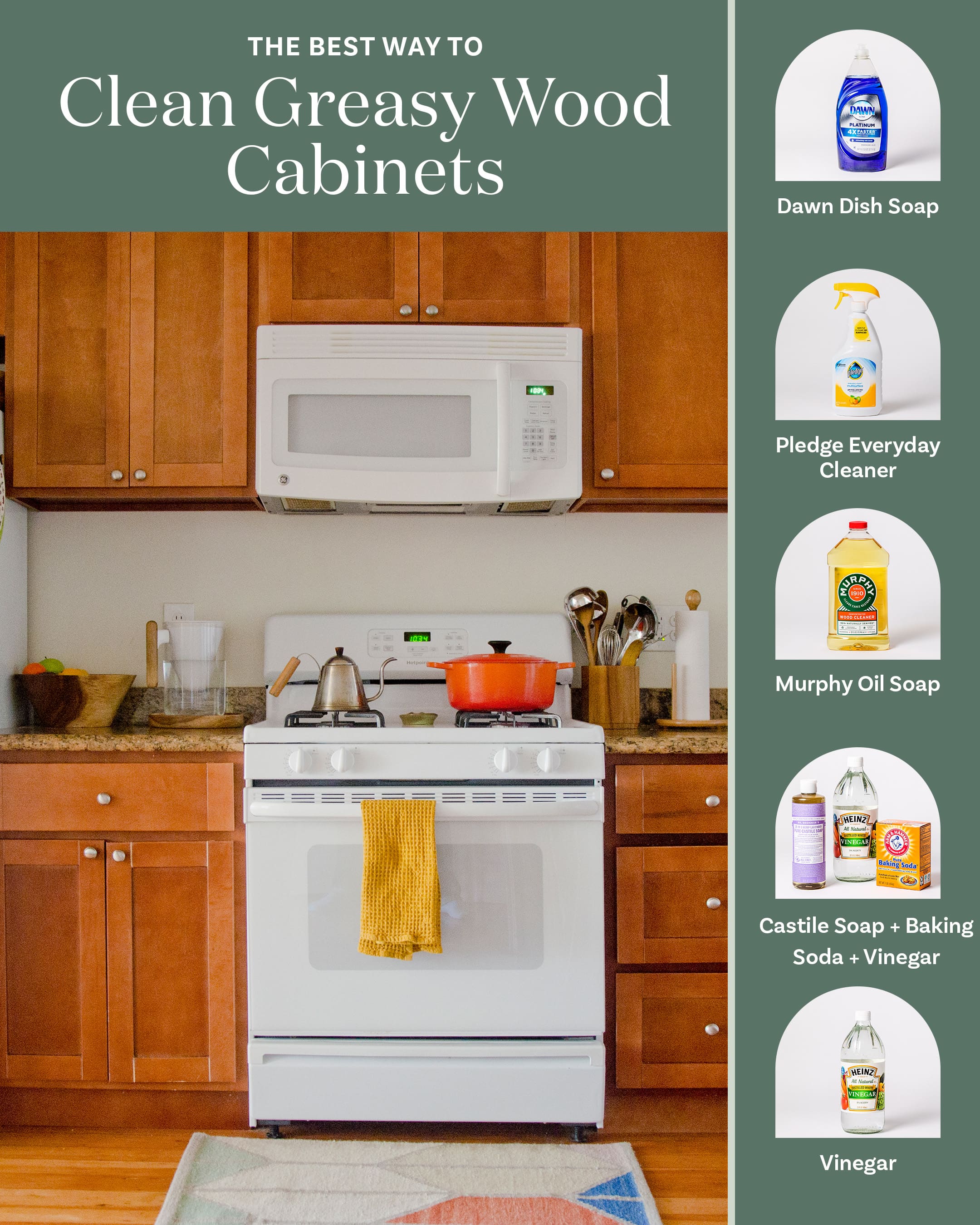
Image Source: cdn.apartmenttherapy.info
Why Cabinets Get Greasy
Before diving into cleaning methods, it’s helpful to grasp why this happens. When you cook, especially with oil or high-heat methods like frying or sautéing, small particles of grease become airborne. These microscopic droplets settle on surfaces, including your kitchen cabinets. Over time, this airborne grease combines with dust and other kitchen particles, creating a sticky, dull layer. This is what we refer to as greasy buildup.
Factors Contributing to Grease Accumulation:
- Cooking Methods: Frying, grilling, and baking often release more grease than boiling or steaming.
- Ventilation: Inadequate ventilation, like a weak or rarely used range hood, allows grease to spread throughout the kitchen.
- Cabinet Finish: Some cabinet finishes might be more prone to holding onto grease than others.
- Frequency of Cooking: The more you cook, the more opportunities for grease to accumulate.
Natural Grease Removers for Your Cabinets
You don’t need a specialized kitchen cabinet degreaser to get the job done. Many natural items found in your pantry can effectively break down grease. These methods are safer for your family and the environment.
1. Baking Soda Paste
Baking soda is a fantastic mild abrasive and deodorizer. It works well to lift grease without scratching most cabinet surfaces.
How to Make and Use Baking Soda Paste:
- Ingredients: Baking soda and water.
- Mixing: In a small bowl, mix baking soda with enough water to create a thick paste.
- Application: Apply the paste directly to the greasy areas.
- Waiting: Let it sit for 5-10 minutes to allow it to absorb the grease.
- Wiping: Gently wipe away the paste with a damp, soft cloth.
- Rinsing: Use a clean, damp cloth to wipe off any residue.
- Drying: Dry the cabinets with a clean, dry towel.
This method is particularly good for tackling stubborn, caked-on grease. It’s a gentle yet effective way to remove sticky residue.
2. White Vinegar Solution
White vinegar is acidic, which makes it excellent at cutting through grease and grime. It’s one of the best natural grease removers available.
How to Use a Vinegar Solution:
- Mixing: Mix equal parts white vinegar and warm water in a spray bottle.
- Spraying: Lightly spray the solution onto the greasy cabinet surfaces. Avoid overspraying, especially on wood cabinets, as excess moisture can cause damage.
- Wiping: Let it sit for a minute, then wipe clean with a soft cloth.
- Rinsing: For a thorough clean, wipe down with a cloth dampened with plain water.
- Drying: Buff dry with a clean, soft towel.
Important Note: While vinegar is effective, always test it on an inconspicuous area first, especially on painted or stained cabinets, to ensure it doesn’t affect the finish.
3. Dish Soap and Warm Water
Simple dish soap is designed to cut through grease on dishes, and it works just as well on your kitchen cabinets. It’s a classic cabinet cleaning solution for a reason.
How to Use Dish Soap:
- Mixing: Add a few drops of mild dish soap to a bowl of warm water.
- Wiping: Dip a soft cloth or sponge into the soapy water, wring it out well to avoid excess moisture, and wipe the greasy areas.
- Rinsing: Use a separate cloth dampened with clean water to rinse away the soap.
- Drying: Dry the cabinets thoroughly with a soft, dry towel.
This is often the best way to clean cabinets for everyday grease and grime. It’s gentle and very effective.
4. Lemon Juice
Lemon juice is another natural acid that can help break down grease. It also leaves a pleasant, fresh scent.
How to Use Lemon Juice:
- Mixing: Mix equal parts lemon juice and warm water.
- Application: Apply to a cloth and then wipe the cabinets. Alternatively, spray lightly.
- Wiping: Wipe away the grease.
- Rinsing: Rinse with a damp cloth and dry.
Like vinegar, it’s wise to test lemon juice on a small, hidden area first.
Cleaning Different Cabinet Materials
The best way to clean cabinets can vary depending on the material they are made from. Knowing your cabinet material will help you choose the safest and most effective cleaning method.
How to Clean Laminate Cabinets
Laminate cabinets are durable and easy to maintain, but they can still accumulate grease.
Best Practices for Laminate Cabinets:
- Mild Cleaners: Stick to mild dish soap and water or a diluted vinegar solution.
- Avoid Abrasives: Do not use abrasive scrubbers or harsh chemical cleaners, as these can damage the laminate surface.
- Wipe Promptly: Wipe up spills and splatters as soon as they happen to prevent them from setting in.
- Damp Cloths: Always use a damp, not soaking wet, cloth.
- Immediate Drying: Dry thoroughly after cleaning to prevent water damage at the seams.
Sticky residue removal from laminate is usually straightforward with these methods.
Cleaning Wood Cabinets
Wood cabinets, whether solid wood or wood veneer, require a bit more care.
Tips for Wood Cabinets:
- Gentle Approach: Always use the gentlest method first, like a mild dish soap solution.
- Minimal Moisture: Wood can be damaged by excess water. Wring out your cleaning cloths thoroughly.
- Grain Direction: Wipe with the grain of the wood.
- Avoid Harsh Chemicals: Never use ammonia-based cleaners, abrasive pads, or strong solvents, as they can strip the finish or stain the wood.
- Conditioning: After cleaning, consider using a wood polish or conditioner to restore shine and protect the finish.
Removing cooking grease from wood cabinets requires patience and a light touch.
Cleaning Painted Cabinets
Painted cabinets can be susceptible to damage from harsh cleaners.
Cleaning Painted Surfaces:
- Mildest Method First: Start with a damp cloth and water. If that doesn’t work, move to a mild dish soap solution.
- Test First: Always test any cleaning solution on a hidden spot to ensure it doesn’t lift the paint or cause discoloration.
- Soft Cloths: Use microfiber cloths or soft sponges.
- Gentle Wiping: Avoid vigorous scrubbing.
- Specialty Cleaners: If grease buildup is severe, you might need a specialized cabinet cleaner designed for painted surfaces, but always try natural options first.
Cleaning Thermofoil Cabinets
Thermofoil cabinets have a vinyl or plastic film adhered to MDF or particleboard.
Thermofoil Care:
- Mild Soap and Water: This is usually the safest and most effective method.
- Avoid Heat: Do not place hot items directly on thermofoil, and be cautious with heat from ovens or toasters, as it can cause the film to bubble or peel.
- No Solvents: Never use acetone, nail polish remover, or strong solvents, as they will damage the finish.
- Damp Cloth: Use a damp cloth; avoid soaking.
Deep Cleaning for Stubborn Grease
Sometimes, everyday cleaning isn’t enough to remove tough, accumulated grease. For these situations, you might need a slightly stronger, yet still natural, approach.
1. Rubbing Alcohol (Isopropyl Alcohol)
Rubbing alcohol can be a surprisingly effective kitchen cabinet degreaser for tough spots. It evaporates quickly, reducing the risk of water damage.
How to Use Rubbing Alcohol:
- Dilution: Mix equal parts rubbing alcohol and water in a spray bottle.
- Application: Spray lightly onto the greasy area or apply with a cloth.
- Wiping: Wipe away the grease immediately with a soft cloth.
- Rinsing: You can rinse with a damp cloth if needed.
- Drying: Ensure the surface is dry.
Caution: Test in an inconspicuous area first, as alcohol can sometimes affect certain finishes. It’s generally safe for most surfaces but always good to check.
2. Cream of Tartar Paste
Cream of tartar, often used in baking, can also be used as a mild abrasive and grease cleaner.
Using Cream of Tartar:
- Mixing: Mix cream of tartar with a little water to form a paste.
- Application: Apply to greasy spots.
- Waiting: Let it sit for a few minutes.
- Wiping: Gently rub with a damp cloth.
- Rinsing & Drying: Rinse with a clean, damp cloth and dry thoroughly.
This is another good option for removing sticky residue without harsh chemicals.
The Best Way to Clean Cabinets: A Step-by-Step Approach
To ensure you get the best results and maintain your cabinets’ integrity, follow these steps for effective cabinet cleaning solutions.
Preparation is Key
- Empty Cabinets (Optional but Recommended): If you’re doing a deep clean, it can be easier to remove items from the cabinets, especially those directly above or beside cooking areas.
- Gather Supplies: Have your chosen cleaning solution, soft cloths (microfiber is excellent), sponges, a bucket for water, and a drying towel ready.
- Protect Surfaces: Place old towels or newspaper on your countertops and floor to catch drips.
The Cleaning Process
- Choose Your Cleaner: Select a natural grease remover based on your cabinet material and the level of grease. Start with the mildest option.
- Test in an Inconspicuous Area: Before applying any cleaner to the entire cabinet, test it on a small, hidden spot (like the inside of a door or an underside edge) to ensure it doesn’t damage the finish.
- Apply the Cleaner: Apply your chosen cleaner to a cloth rather than directly to the cabinet, especially if using a spray. This prevents oversaturation. For pastes, apply directly to the grease.
- Let It Work: Allow the cleaner to sit for a few minutes to break down the grease. For tougher jobs, you might need to let it sit a bit longer.
- Wipe Gently: Use a soft cloth or sponge to wipe away the grease. Work in sections. For vertical surfaces, start from the bottom and work your way up to avoid streaks.
- Rinse: Use a clean cloth dampened with plain water to wipe away any cleaner residue. This step is crucial to prevent the cleaner from damaging the finish over time.
- Dry Thoroughly: Immediately dry the cabinets with a clean, soft towel. This is essential to prevent water spots and potential damage, especially for wood and laminate cabinets.
For Hardware
Don’t forget your cabinet hardware!
- Metal Knobs and Pulls: These can usually be cleaned with the same mild dish soap and water solution. For tarnished brass or copper, a paste of lemon juice and salt, or baking soda and water, can help restore their shine. Rinse and dry them thoroughly.
Kitchen Cabinet Maintenance Tips
Regular kitchen cabinet maintenance is the best way to prevent heavy grease buildup and sticky residue.
- Wipe Down After Cooking: Make it a habit to wipe down cabinet fronts near your stove after each cooking session, especially if you’ve fried or sautéed. A quick wipe with a damp cloth can save you a lot of scrubbing later.
- Use Your Range Hood: Always use your range hood when cooking to draw airborne grease away from surfaces. Make sure it’s clean and functioning efficiently.
- Deep Clean Regularly: Aim for a more thorough cleaning of your cabinets every 3-6 months, depending on your cooking habits.
- Address Spills Immediately: Wipe up any food or liquid spills right away to prevent staining or damage.
- Protect Areas: Consider using shelf liners inside cabinets that are prone to spills or drips.
By incorporating these simple habits, you can significantly reduce the effort needed for kitchen cabinet maintenance and keep your cabinets looking their best. Removing cooking grease becomes a less daunting task when it’s done regularly.
How to Clean Oily Kitchen Cabinets: Specific Scenarios
Let’s consider some specific challenges you might face when trying to remove greasy buildup.
Scenario 1: Heavy Grease Around the Stove
This is where a good kitchen cabinet degreaser is most needed.
- Solution: A paste of baking soda and water is excellent here. Alternatively, a diluted white vinegar solution can be very effective.
- Technique: Apply the paste or spray the solution. Let it sit for 10-15 minutes to really penetrate the grease. Use a soft scrub brush (like an old toothbrush for corners) if needed, but be gentle. Wipe thoroughly with a damp cloth, rinsing the cloth frequently, and dry well.
Scenario 2: Sticky Residue on Cabinet Doors
This often happens from fingerprints and airborne grease combined.
- Solution: A mild dish soap and warm water solution is usually sufficient. For tougher stickiness, a lightly diluted rubbing alcohol solution can work.
- Technique: Wipe with the soapy water. If the stickiness remains, try the rubbing alcohol solution, applying it to a cloth first. Wipe clean and dry.
Scenario 3: Dullness and Grime on Wooden Cabinets
When wood cabinets lose their luster due to grease and grime.
- Solution: Start with dish soap and water. If that doesn’t restore the shine, a very dilute vinegar solution (1 part vinegar to 4 parts water) can help.
- Technique: Wipe gently with the grain. After cleaning and drying, use a good quality wood polish to bring back the shine and protect the wood.
Frequently Asked Questions About Cleaning Kitchen Cabinets
Here are some common questions people have about cleaning their kitchen cabinets:
Q1: What is the best way to clean cabinets that have been neglected for a long time?
A1: For heavily neglected cabinets with significant greasy buildup, a baking soda paste or a diluted vinegar solution is often most effective. You may need to repeat the process for very stubborn areas. Always test first and work in small sections.
Q2: Can I use an all-purpose cleaner on my kitchen cabinets?
A2: It depends on the cleaner and your cabinet finish. Many all-purpose cleaners contain harsh chemicals that can damage finishes, especially on wood or painted cabinets. Natural cleaners like dish soap, vinegar, and baking soda are generally safer. Always read the label and test first.
Q3: How often should I clean my kitchen cabinets?
A3: For daily upkeep, a quick wipe-down of cabinet fronts nearest the stove after cooking is recommended. A more thorough cleaning of all cabinets should be done every 3-6 months, or as needed.
Q4: Will natural cleaners remove all types of grease?
A4: Natural cleaners are very effective for most everyday cooking grease. For extremely heavy, old, or baked-on grease, you might need to repeat the cleaning process multiple times or use a specialized kitchen cabinet degreaser specifically designed for those tough situations, but always consider natural options first for safety and effectiveness.
Q5: My laminate cabinets have a cloudy film. How do I remove it?
A5: A mild dish soap and water solution, followed by a rinse with plain water and thorough drying, usually resolves this. If it persists, try a diluted vinegar solution. Avoid abrasive cleaners that can scratch the surface.
Q6: Can I use glass cleaner on my cabinets?
A6: Glass cleaner is typically not recommended for cabinet surfaces, as it can contain ammonia or alcohol that might be too harsh for some finishes. Stick to gentler, more specialized cabinet cleaning solutions.
By following these guidelines and using natural grease removers, you can easily maintain clean and beautiful kitchen cabinets, making your entire kitchen a more pleasant place to be. Effective kitchen cabinet maintenance means less scrubbing and more enjoyment of your home.