
Yes, you can replace your kitchen sink sprayer yourself! It’s a common DIY project that can save you money and restore the functionality of your faucet. This guide will walk you through the entire process, from identifying the problem to completing the installation.
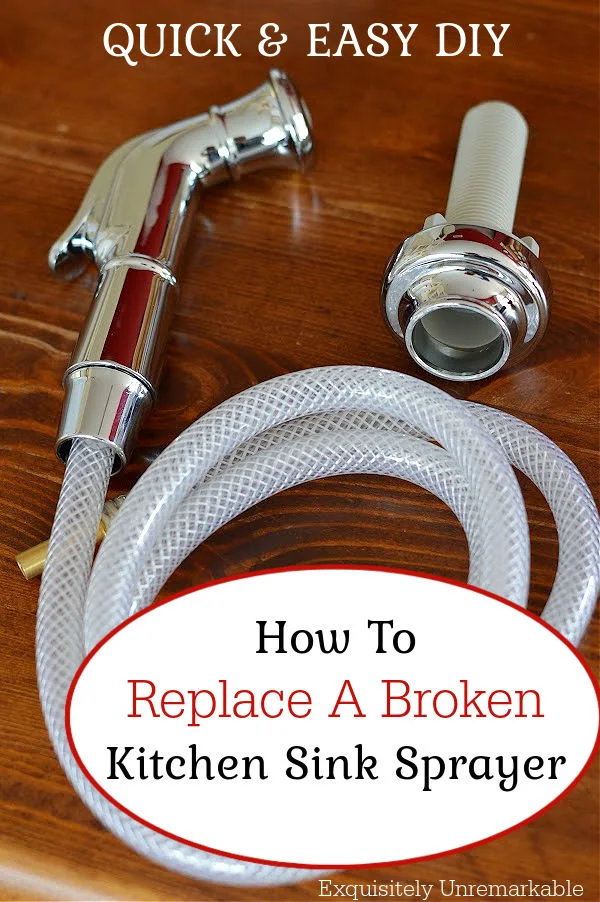
Image Source: blogger.googleusercontent.com
Why Replace Your Kitchen Sink Sprayer?
A malfunctioning kitchen sink sprayer can be more than just an annoyance. It can lead to wasted water, messy countertops, and reduced efficiency in your kitchen tasks. Common issues include:
- Leaking: This is the most frequent problem. A leak can occur at the sprayer head, the hose connection, or within the hose itself.
- Low Water Pressure: If the sprayer isn’t spraying with its usual force, it could be due to a clog in the sprayer head or a kinked hose.
- Sprayer Head Not Working: The button might be stuck, or the internal mechanism may have failed.
- Damaged Hose: A cracked or brittle hose can lead to leaks and a poor user experience.
- Outdated or Damaged Sprayer: Sometimes, you might simply want to upgrade to a newer, more efficient, or aesthetically pleasing model.
Kitchen sink sprayer replacement is a straightforward task that most homeowners can handle with basic tools and a little patience.
Getting Ready: What You’ll Need
Before you begin, gather all the necessary tools and materials. Having everything on hand will make the process smoother and faster.
Essential Tools
- Adjustable Wrench or Pliers: For loosening and tightening connections.
- Bucket or Towels: To catch any residual water.
- Phillips Head Screwdriver: May be needed for some faucet models.
- Penetrating Oil (Optional): For stubborn connections.
- Safety Glasses: To protect your eyes.
- Flashlight or Headlamp: For better visibility under the sink.
- Rag or Old Towel: For cleaning up spills.
Necessary Materials
- New Kitchen Sink Sprayer Kit: This typically includes the sprayer head, hose, and sometimes a weight for the hose. Ensure it’s compatible with your existing faucet. You can often find kitchen faucet sprayer repair kits that include all necessary kitchen sink sprayer parts.
- Plumber’s Tape (Thread Seal Tape): To ensure watertight seals on threaded connections.
Step-by-Step Guide to Replacing Your Kitchen Sink Sprayer
Follow these steps carefully to successfully replace your kitchen sink sprayer.
Step 1: Turn Off the Water Supply
This is the most crucial step to prevent flooding.
- Locate the hot and cold water shut-off valves beneath your sink. They are usually small oval or round knobs attached to the water supply lines leading to your faucet.
- Turn both valves clockwise until they are completely closed.
- Turn on your faucet (both hot and cold) to relieve any remaining pressure in the lines and to confirm the water is indeed off. Let the water drain from the faucet until no more comes out.
Step 2: Disconnect the Old Sprayer Hose
Now, you’ll need to access the sprayer hose under the sink.
- Locate the Sprayer Hose Connection: Under the sink, you’ll see the main faucet body, and a separate hose that runs up to the sprayer head. This hose connects to a water supply line or directly to the faucet’s valve assembly.
- Place Bucket or Towels: Position your bucket or towels directly beneath the connection point to catch any dripping water.
- Disconnect the Hose: Using your adjustable wrench or pliers, carefully loosen the nut connecting the sprayer hose to the faucet assembly. Turn the nut counter-clockwise. If it’s stuck, a little penetrating oil might help.
- Remove the Hose Weight: Most pull-out sprayers have a weight attached to the hose that helps it retract. You’ll need to detach this from the old hose. It usually clips or screws on.
Step 3: Remove the Old Sprayer Head
Sometimes the sprayer head itself is the issue, and you might only need to replace that. If you are replacing the entire assembly, you’ll detach the hose from the sprayer head first.
- Detaching from the Sprayer Head: The sprayer head is typically threaded onto the end of the hose. Unscrew it by hand or with a wrench if it’s tight.
- Sink Sprayer Head Replacement: If you’re only doing a sink sprayer head replacement, ensure you have the correct replacement part that matches your faucet’s threading.
Step 4: Connect the New Sprayer Hose
This is where you’ll begin installing the new components.
- Attach Hose to Faucet Assembly: Take the new sprayer hose. If your new kit came with a new hose, connect one end to the faucet assembly under the sink.
- Apply Plumber’s Tape: Wrap plumber’s tape clockwise around the threads of the fitting that connects to the faucet assembly. This helps create a watertight seal.
- Tighten the Connection: Screw the new hose onto the faucet assembly. Tighten it securely with your wrench, but be careful not to overtighten, which could damage the threads.
- Replace the Hose Weight: Attach the weight to the new hose. Ensure it’s positioned correctly according to the manufacturer’s instructions for proper retraction.
Step 5: Attach the New Sprayer Head
Now, connect the new sprayer head to the other end of the hose.
- Thread the Sprayer Head: Screw the new sprayer head onto the end of the new hose. Hand-tighten it first.
- Secure the Sprayer Head: If it feels loose or the manufacturer recommends it, use a wrench to give it a slight extra turn. Again, avoid overtightening.
Step 6: Turn the Water Supply Back On
Time to check your work!
- Slowly Open Valves: Slowly turn the cold and hot water shut-off valves back on by turning them counter-clockwise.
- Check for Leaks: Immediately inspect all connections under the sink for any signs of dripping or leaks.
- Turn on Faucet: Turn on the faucet and let the water run through the sprayer. Check for leaks at the sprayer head and at the connection under the sink.
Step 7: Test the Sprayer Functionality
- Test Sprayer Operation: Press the button on the sprayer head to ensure it’s working correctly. Check that the spray pattern is as expected and that there are no leaks from the head itself.
- Test Retraction: Ensure the hose retracts smoothly with the weight in place.
Troubleshooting Kitchen Sink Sprayer Issues
If you encounter problems, here are some common troubleshooting kitchen sink sprayer tips:
- Persistent Leaks: If you still have leaks, ensure all connections are snug. Reapply plumber’s tape if necessary. Check if the hoses or fittings are damaged.
- Low Pressure: Clean the sprayer head. Many sprayer heads can be unscrewed and soaked in vinegar to dissolve mineral buildup. Check the hose for kinks.
- Sprayer Not Retracting: Ensure the hose weight is attached correctly and is not snagged on anything under the sink. The hose itself might be damaged or too stiff.
Replacing a Pull-Out Sprayer Hose vs. a Side Sprayer
The general process is similar, but there are slight differences when you replace pull-out sprayer hose versus a traditional side-mounted sprayer.
Pull-Out Sprayer Hose Replacement
- Hose Routing: Pull-out sprayers have the hose routed through the faucet body and often require detaching the hose from inside the faucet assembly. This can be trickier and may require removing the entire faucet or components of it.
- Hose Weight: As mentioned, a hose weight is crucial for retraction. Ensure it’s correctly positioned on the new hose.
- Connection Point: The connection under the sink might be directly to the faucet valve or to a dedicated sprayer line.
Side Sprayer Replacement
- Separate Hole: Side sprayers are mounted in a separate hole in the sink or countertop.
- Connection: The hose from the side sprayer typically connects to a dedicated port on the faucet’s main body or valve assembly.
- Less Complex Routing: The hose routing is generally less complex than a pull-out sprayer.
Common Kitchen Faucet Sprayer Repair Scenarios
Sometimes, you don’t need to replace the entire unit. Here are some common kitchen faucet sprayer repair scenarios:
Sprayer Nozzle Replacement
If the issue is with the spray pattern or if the nozzle is clogged and cannot be cleaned, a sprayer nozzle replacement might be all that’s needed.
- Purchase the Correct Nozzle: Ensure the new nozzle is compatible with your existing sprayer hose thread.
- Unscrew Old Nozzle: Carefully unscrew the old sprayer head.
- Screw on New Nozzle: Apply plumber’s tape to the threads of the hose if recommended, and screw on the new nozzle. Hand-tighten and then give it a quarter-turn with pliers if needed.
Hose Replacement Only
If your sprayer head is fine, but the hose is leaking or damaged, you can often replace just the hose.
- Purchase the Correct Hose: Make sure to get a hose compatible with your faucet brand and sprayer head. Replace kitchen faucet hose kits are readily available.
- Disconnect Old Hose: Disconnect the hose from both the faucet assembly and the sprayer head.
- Connect New Hose: Attach the new hose to the sprayer head and the faucet assembly, using plumber’s tape as needed.
DIY Sink Sprayer Change: Tips for Success
A DIY sink sprayer change can be very rewarding. Keep these tips in mind:
- Identify Your Faucet Brand: Knowing your faucet’s brand (e.g., Moen, Delta, Kohler) can help you find compatible replacement parts.
- Take Photos: Before you start, take pictures of the connections under the sink. This can be a helpful reference if you get confused during reassembly.
- Don’t Force Anything: If a part is stuck, use penetrating oil and gentle force. Forcing parts can lead to breakage.
- Read Manufacturer Instructions: Always refer to the specific installation instructions that come with your new sprayer kit.
- Consider a Full Faucet Upgrade: If your faucet is very old or you’re facing multiple issues, it might be more cost-effective in the long run to replace the entire faucet.
Maintaining Your Kitchen Sink Sprayer
Once replaced, proper maintenance can extend the life of your new sprayer:
- Regular Cleaning: Periodically wipe down the sprayer head to prevent mineral buildup.
- Vinegar Soak: For stubborn clogs, soak the sprayer head in a bag filled with white vinegar for a few hours.
- Check for Leaks: Make it a habit to look under the sink for any signs of leaks or wear on the hose.
Frequently Asked Questions (FAQ)
Q1: How often should I replace my kitchen sink sprayer?
There’s no set schedule. Replace it when it malfunctions, leaks, or you simply want an upgrade.
Q2: Can I replace just the sprayer head without replacing the hose?
Yes, if your hose is in good condition and the issue is solely with the sprayer head. Ensure you purchase a compatible sprayer nozzle replacement.
Q3: What if I can’t find the right replacement parts?
Check with the manufacturer of your faucet. They can often provide specific part numbers or direct you to authorized retailers. You might also look for universal sprayer kits, but ensure compatibility.
Q4: Is it hard to replace the whole faucet if the sprayer is integrated?
Replacing an entire faucet is a more involved DIY project but still achievable. You’ll need to disconnect water lines, remove mounting nuts, and install the new faucet. Many detailed guides are available for this.
Q5: What are the common causes of a sputtering kitchen sink sprayer?
Sputtering usually indicates air in the water line or mineral buildup in the sprayer head. Turn off the water, check for leaks, and try cleaning the sprayer head with vinegar.
By following this comprehensive guide, you should be well-equipped to handle your kitchen sink sprayer replacement project with confidence. Enjoy your newly functional kitchen!