
Can I remove roaches from my kitchen myself? Yes, you absolutely can tackle roaches in your kitchen yourself with the right knowledge and a consistent approach. This guide will equip you with everything you need to know for effective cockroach infestation control and safe roach removal from your home.
Roaches in the kitchen are more than just a nuisance; they’re a health hazard. These resilient pests can spread bacteria, trigger allergies, and contaminate food. Getting rid of them requires a multi-pronged strategy, focusing on both elimination and prevention. We’ll delve into proven methods, from DIY roach killer solutions to professional-grade techniques, ensuring your kitchen is a safe and clean space once more.
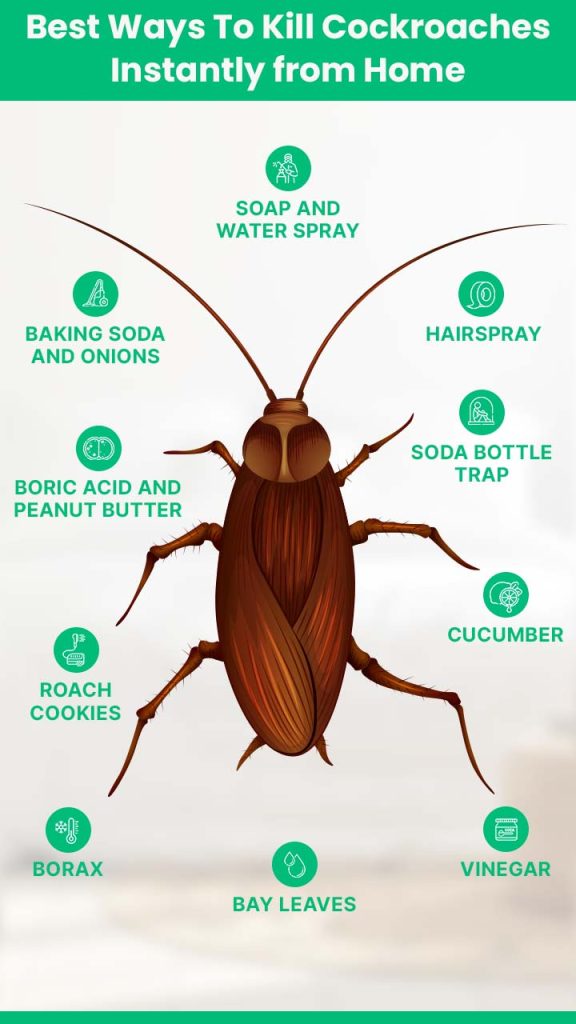
Image Source: hicare.in
Why Are Roaches Drawn to Kitchens?
Kitchens are a roach’s paradise. They offer a smorgasbord of what roaches need to survive and thrive: food, water, and shelter.
- Food Sources: Crumbs, spills, grease buildup, and even pet food left out overnight are all buffet items for roaches. They can eat almost anything, including paper and glue.
- Water Sources: Leaky pipes under the sink, condensation on refrigerators, and even water left in pet bowls provide essential hydration. Roaches can survive for weeks without food but only a few days without water.
- Shelter: Cracks, crevices, appliances, cabinets, and cluttered areas offer hiding places and nesting sites. Roaches are nocturnal and prefer dark, warm, and humid environments.
Identifying the Enemy: Common Kitchen Roach Species
Before you can effectively get rid of them, it’s helpful to know what you’re dealing with. Different roach species have slightly different habits and vulnerabilities.
German Cockroaches
- Appearance: Light brown to tan with two dark stripes on their pronotum (the shield-like area behind the head). They are about ½ to ⅝ inch long.
- Habitat: Most common in kitchens and bathrooms, especially near food and water. They prefer warmth and humidity.
- Reproduction: Extremely rapid reproduction. A single female can produce hundreds of offspring in her lifetime. They are the most common and difficult to eradicate indoors.
American Cockroaches
- Appearance: Large, reddish-brown roaches, typically 1½ to 2 inches long. They have a pale yellow band around the edge of their pronotum.
- Habitat: Prefer dark, moist areas like basements, sewers, and utility pipes. They can fly short distances.
- Reproduction: While they reproduce more slowly than German cockroaches, they are still prolific breeders.
Oriental Cockroaches
- Appearance: Dark brown to black, with a glossy appearance. Females are about 1 inch long, and males are slightly larger. They have short, stubby wings.
- Habitat: Prefer cooler, damp areas such as basements, crawl spaces, and drains. They are often found outdoors but can venture inside.
Your Battle Plan: Phases of Roach Removal
Successfully removing roaches from your kitchen involves a strategic, phased approach:
- Inspection: Locate their hiding spots and food/water sources.
- Sanitation: Eliminate their food, water, and shelter. This is the most crucial step for long-term control.
- Elimination: Use baits, traps, and sprays to kill existing roaches.
- Prevention: Implement measures to stop future infestations.
Phase 1: Inspection – Finding the Hideouts
You can’t fight what you can’t find. A thorough inspection is key to understanding the extent of your cockroach problem.
Where to Look:
- Under and behind appliances: Refrigerators, stoves, dishwashers, microwaves.
- Inside cabinets and drawers: Especially those containing food or near water sources.
- Around pipes and drains: Under sinks, behind toilets.
- Cracks and crevices: Along baseboards, in wall voids, around electrical outlets.
- In pantries: Bags of food, boxes, and shelves.
- Garbage cans: Both inside and outside the kitchen.
- Recycling bins: Leftover food residue.
Signs of Infestation:
- Live roaches: You might see them scuttling away when you turn on lights.
- Fecal matter: Small, dark specks that resemble black pepper or coffee grounds. You’ll often find these in clusters where roaches are actively feeding or hiding.
- Egg cases (oothecae): Small, purse-like capsules, typically reddish-brown or dark brown.
- Musty odor: A large infestation can produce a distinct, unpleasant, oily, or musty smell.
Phase 2: Sanitation – Starving Them Out
This is your first and most important line of defense. Roaches need food, water, and shelter. Remove these, and you make your kitchen an unwelcoming place.
Food Control:
- Clean Up Crumbs and Spills Immediately: Don’t let food particles linger on countertops, floors, or stovetops.
- Store Food Properly: Use airtight containers for all food items, including pet food. Roaches can chew through cardboard and thin plastic.
- Empty Trash Regularly: Use trash cans with tight-fitting lids. Clean the trash cans themselves regularly to remove residue.
- Rinse Recyclables: Ensure cans and bottles are thoroughly rinsed before placing them in recycling bins.
- Clean Appliances: Regularly pull out appliances to clean underneath and behind them, where grease and food particles can accumulate.
- Wipe Down Surfaces: Countertops, tables, and stovetops should be cleaned daily.
Water Control:
- Fix Leaks: Repair any dripping faucets, leaky pipes, or faulty dishwashers.
- Dry Sink and Countertops: Wipe down sinks and countertops each night.
- Empty Pet Water Bowls: Don’t leave water standing overnight if possible.
- Check for Condensation: Address any sources of condensation around refrigerators or pipes.
Shelter Control:
- Seal Cracks and Crevices: Use caulk to seal gaps along baseboards, around pipes, windows, and electrical outlets. This is a critical step for cockroach infestation control.
- Declutter: Reduce clutter in cabinets, pantries, and around the kitchen. Roaches love to hide in stacks of paper, boxes, and debris.
- Inspect New Items: Before bringing groceries or other items into the kitchen, inspect them for any signs of roaches.
Phase 3: Elimination – Killing the Invaders
Once sanitation is in order, you can begin actively eliminating the roaches present. This is where DIY roach killer methods and targeted treatments come into play.
Baiting: The Slow Burn Approach
Roach baits are highly effective because they are ingested by the roach, which then dies, and can even lead to a domino effect if other roaches consume the poisoned roach.
Cockroach Bait Stations
These are small plastic containers filled with a slow-acting poison. Roaches enter the station, eat the bait, and die.
- How they work: They are designed to attract roaches with a food-based attractant mixed with insecticide. The bait is slow-acting, allowing the roach to return to its harborage area before dying, potentially exposing other roaches to the poison through consumption of the dead roach or its feces.
- Placement is Key: Place bait stations in areas where you’ve seen roach activity: under sinks, behind appliances, in corners of cabinets, and along baseboards.
- Safety: Generally safe for pets and children when used according to label directions, as the bait is enclosed within the station.
Gel Baits
Gel baits are applied in small dots or lines in cracks, crevices, and other harborage areas.
- How they work: Similar to bait stations, they contain an attractant and insecticide. Roaches eat the gel and die.
- Application: Use a syringe applicator to apply small amounts in out-of-the-way places where roaches travel, not on food preparation surfaces.
- Effectiveness: Can be very effective for German cockroaches due to their foraging habits.
Boric Acid Roach Treatment
Boric acid is a naturally occurring acid that acts as a stomach poison and abrasive to roaches.
- How it works: When a roach ingests boric acid, it damages its nervous system and exoskeleton. It’s a desiccant, meaning it dries out the roach.
- Application: Apply a thin, barely visible layer of boric acid powder in dry, out-of-the-way areas like under appliances, behind cabinets, and in wall voids. Avoid applying it where food is prepared or stored, or where children and pets can access it. Dusting too much can deter roaches.
- Safety: While a natural roach deterrent and generally safe when applied correctly, it can be toxic if ingested by pets or children. Always follow label instructions carefully.
Traps: Monitoring and Catching
Traps are excellent for monitoring the extent of an infestation and catching roaches that might evade other treatments.
Best Roach Traps
-
Sticky Traps: These are cardboard or plastic surfaces coated with a strong adhesive. They often have a food-based attractant.
- Placement: Place them along walls, under sinks, and near suspected harborage areas.
- Usefulness: Good for identifying problem areas and catching stray roaches. They don’t eliminate an infestation on their own but are great for monitoring progress.
-
Bait Traps: These are similar to sticky traps but contain a bait that lures roaches into the trap where they become stuck.
Sprays and Dusts: Direct Action
Insecticides can be used to kill roaches on contact or provide residual control.
DIY Roach Killer Sprays
- Contact Sprays: These kill roaches on contact. They are useful for immediate knockdown but offer little residual effect.
- Residual Sprays: These leave a residue that can kill roaches that come into contact with it for a period after application.
- Application: Spray in cracks, crevices, and along baseboards. Avoid spraying directly on food surfaces or in areas accessible to children and pets.
- Safety: Always read and follow the label instructions carefully. Ensure adequate ventilation.
Insecticidal Dusts
- Application: Dusts, like diatomaceous earth or boric acid, are applied to dry voids, cracks, and crevices. Roaches walk through the dust, which irritates and dehydrates them.
- Natural Roach Deterrents: Diatomaceous earth (food-grade) is a natural option. It’s made from fossilized aquatic organisms and works by abrading the roach’s exoskeleton, causing dehydration.
Professional Solutions
For severe infestations or if DIY methods aren’t working, consider professional pest control.
- Exterminating Roaches: Professional exterminators have access to stronger chemicals and specialized equipment. They can identify the species, locate nests, and apply targeted treatments for effective cockroach infestation control.
- Integrated Pest Management (IPM): Most professionals use IPM, which combines various methods (sanitation, baiting, targeted spraying, sealing) for long-term control.
Phase 4: Prevention – Keeping Them Out for Good
Once you’ve conquered the current infestation, it’s vital to implement preventative measures to stop them from returning.
Ongoing Sanitation Habits:
- Maintain Daily Cleaning Routines: Never let your guard down on cleaning up food and water sources.
- Regular Deep Cleans: Schedule deeper cleaning sessions weekly or monthly to tackle those hard-to-reach areas.
- Exterior Maintenance: Keep your home’s exterior clean. Store trash cans away from the house and ensure they have tight-fitting lids.
Sealing Entry Points:
- Seal All Cracks: Regularly inspect and seal any new cracks or openings that appear in your home’s foundation or walls.
- Window and Door Screens: Ensure they are in good repair and fit snugly.
- Check Incoming Items: Be vigilant about inspecting groceries, packages, and second-hand items before bringing them inside.
Natural Roach Deterrents:
While not always a primary elimination method, some natural deterrents can help.
- Peppermint Oil: The strong scent can deter roaches. Mix a few drops with water in a spray bottle and spray around entry points or suspected hiding spots.
- Bay Leaves: Place bay leaves in cabinets and pantry areas. Roaches reportedly dislike the scent.
- Cucumber Peels: Some anecdotal evidence suggests roaches avoid cucumber peels. Place them in areas where you’ve seen roaches.
- Diatomaceous Earth (Food Grade): As mentioned earlier, this is a natural insecticide that works physically.
Roach Life Cycle and Treatment Timing
Understanding the roach life cycle is crucial for effective treatment. Roaches lay eggs in protective cases called oothecae. These can hatch into nymphs, which look like smaller versions of adult roaches, and then mature into adults.
- Baiting: Baits are most effective because roaches consume them and can spread them to others. This targets all life stages.
- Spraying: Sprays might kill adults and nymphs on contact but may not affect eggs within the oothecae. Multiple treatments may be needed to kill nymphs as they hatch.
- Consistency is Key: Whichever method you choose, consistency is vital for breaking the life cycle and achieving long-term safe roach removal.
Roach Treatment Methods: A Comparison Table
| Method | How it Works | Pros | Cons | Best For |
|---|---|---|---|---|
| Sanitation | Removes food, water, and shelter. | Essential for long-term control, safe, cost-effective. | Doesn’t kill existing roaches directly; requires consistent effort. | All infestations; foundation of any control plan. |
| Cockroach Bait Stations | Roaches eat bait, die, and can poison others. | Effective, targeted, relatively safe when placed correctly. | Can take days to weeks to see full effect; requires proper placement. | German cockroaches, general kitchen infestations. |
| Gel Baits | Roaches eat bait applied in cracks and crevices. | Targeted application, effective for German roaches. | Requires careful application to avoid unwanted areas; can dry out. | Cracks, crevices, behind appliances, under sinks. |
| Boric Acid Treatment | Ingested poison and desiccant. | Natural deterrent, effective when applied correctly in dry areas. | Can be harmful if ingested by pets/children; ineffective in moist areas. | Dry harborage areas, voids, behind appliances. |
| Sticky Traps | Roaches get stuck in adhesive. | Good for monitoring, catches live roaches, no chemicals. | Does not eliminate infestation; only catches those that walk into them. | Monitoring activity, catching stragglers. |
| Contact Sprays | Kills roaches on direct contact. | Immediate kill. | Little to no residual effect; roaches may develop resistance. | Immediate knockdown of visible roaches. |
| Residual Sprays | Kills roaches that come into contact with residue. | Provides longer-lasting control than contact sprays. | Requires careful application; potential exposure risk; may not affect eggs. | Cracks, crevices, baseboards, behind cabinets. |
| Insecticidal Dusts | Irritates and dehydrates roaches. | Long-lasting in dry areas, good for voids and hard-to-reach places. | Can be messy if over-applied; needs dry environment; inhalation risk. | Wall voids, under appliances, behind cabinets. |
| Professional Extermination | Uses professional-grade chemicals & methods. | Highly effective for severe infestations, expert knowledge. | More expensive; requires scheduling. | Severe infestations, persistent problems, when DIY methods fail. |
Safe Roach Removal Practices
When dealing with any pest control measures, safety is paramount.
- Read and Follow Labels: This is the most important rule. Insecticide labels provide specific instructions for application, safety precautions, and first aid.
- Use Products as Directed: Do not apply more product than recommended, as this can be dangerous and counterproductive.
- Keep Products Away from Children and Pets: Store all pest control products securely and out of reach.
- Ventilate the Area: When using sprays, ensure the area is well-ventilated by opening windows and doors.
- Wear Protective Gear: Consider wearing gloves and a mask when applying certain treatments, especially dusts or sprays.
- Focus on Targeted Applications: Apply treatments only where roaches are found, rather than spraying entire rooms. This minimizes unnecessary chemical exposure.
Frequently Asked Questions (FAQ)
Q1: How quickly can I get rid of roaches?
A1: While you might see immediate results with contact sprays, eliminating an entire infestation takes time, often several weeks or even months, depending on the severity and the methods used. Consistent sanitation and baiting are key to long-term success.
Q2: Are roaches attracted to dirty kitchens only?
A2: No. While cleanliness is a major factor, roaches can be attracted to even the cleanest kitchens if there’s a water source or if they find entry points from outside or other infested areas. They are primarily driven by the need for food, water, and shelter.
Q3: Can I use essential oils to kill roaches?
A3: Some essential oils like peppermint or eucalyptus can act as natural roach deterrents, making areas less appealing to them. However, they are generally not potent enough to eliminate an established infestation on their own. They are best used as a supplementary preventative measure.
Q4: How do I know if my roach problem is too severe for DIY?
A4: If you are seeing roaches during the day, or if you see a large number of roaches consistently despite your sanitation and treatment efforts, it may be time to call a professional pest control service. They have more potent tools and expertise to tackle stubborn infestations.
Q5: Will boric acid harm my pets or children?
A5: Boric acid can be harmful if ingested. It’s crucial to apply it as a fine dust in areas that are inaccessible to children and pets, such as inside wall voids, behind cabinets, and under appliances. Always follow label instructions carefully and store it safely.
By implementing a comprehensive strategy that combines meticulous sanitation, targeted elimination methods, and ongoing prevention, you can effectively remove roaches from your kitchen and maintain a pest-free home. Remember, persistence and a thorough approach are your best allies in this battle.