
Can you remove a kitchen sink faucet yourself? Yes, you absolutely can! With a little patience and the right tools, removing your old kitchen sink faucet is a straightforward DIY project. This guide will walk you through the process, making it simple to prepare for your new kitchen faucet installation. Whether you’re looking to replace a worn-out fixture, fix a leaky faucet, or simply upgrade your kitchen’s look, knowing how to remove an old faucet is the crucial first step in a successful kitchen sink repair.
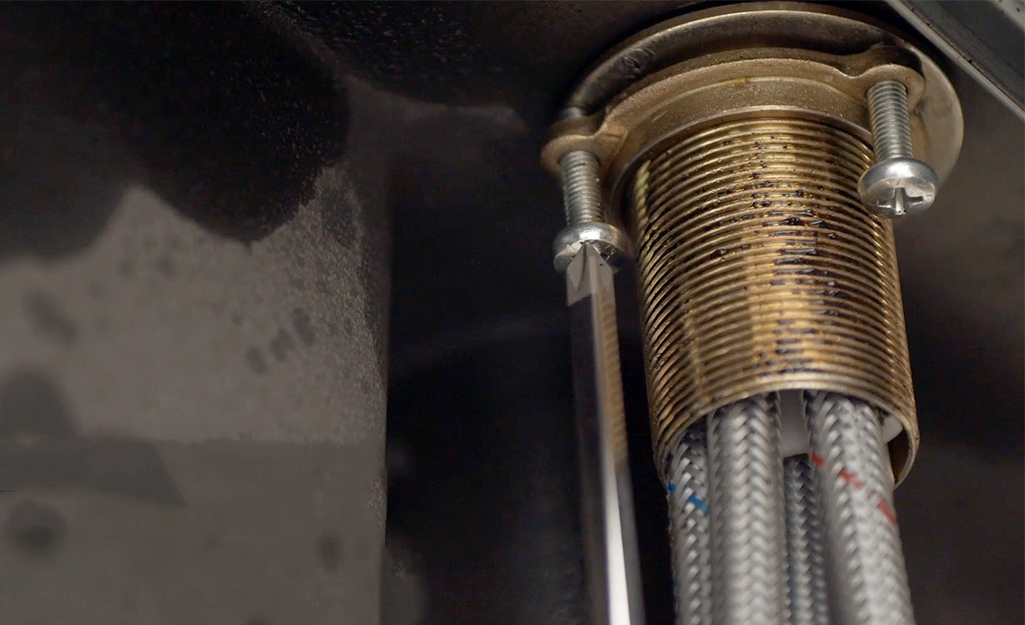
Image Source: contentgrid.homedepot-static.com
Why Remove Your Kitchen Faucet?
There are several good reasons to tackle this task yourself. Perhaps your current faucet is leaking persistently, making it a prime candidate for replacement. Or maybe you’re renovating your kitchen and want to install a shiny new faucet that better suits your style and functional needs. Sometimes, a faucet can become stiff, difficult to operate, or aesthetically dated. Whatever the motivation, removing the old one is the gateway to a refreshed sink area. This DIY guide aims to demystify the process, making it accessible even if you’re new to basic plumbing.
Gathering Your Tools and Supplies
Before you begin, it’s essential to have all the necessary plumbing tools and supplies ready. Having everything on hand will prevent frustrating interruptions and ensure a smoother workflow.
Here’s a list of what you’ll likely need:
- Adjustable Wrench (or two): These are indispensable for gripping and turning nuts and bolts of various sizes. Having two can be helpful for holding one part while turning another.
- Basin Wrench: This specialized tool is designed specifically for reaching nuts in tight spaces behind the sink bowl, which is where faucet mounting nuts are often located. It’s a game-changer for this type of work.
- Pliers (Slip-joint or Channel-lock): Useful for gripping and holding various parts, especially if the nuts are stubborn.
- Screwdriver Set (Phillips and Flathead): You might encounter screws securing handles or other components.
- Bucket or Towels: To catch any residual water that may drip from the pipes.
- Safety Glasses: Protect your eyes from falling debris or water splashes.
- Gloves: To keep your hands clean and provide a better grip.
- Penetrating Oil (like WD-40): For loosening stubborn or corroded nuts and bolts.
- Utility Knife or Putty Knife: To break the seal if sealant or caulk is holding the faucet in place.
- Rags: For wiping up spills and cleaning.
- Flashlight or Work Light: The area under the sink is often dark.
- Optional: Plumber’s Tape or Pipe Dope: While not strictly for removal, you’ll need these when installing a new faucet.
Step 1: Shut Off the Water Supply
This is the MOST important first step. Always shut off the water supply to the faucet before you begin any work. This prevents flooding and potential water damage.
Locating the Shut-Off Valves
- Under the Sink: Most kitchen sinks have dedicated shut-off valves located directly underneath the sink basin, usually on the hot and cold water supply lines that connect to the faucet.
- Valve Types: These valves are typically either oval-handled (quarter-turn) or round-handled (multi-turn).
- Turning Off:
- For quarter-turn valves, turn the handle 90 degrees until it’s perpendicular to the pipe.
- For multi-turn valves, turn the handle clockwise until it stops. Don’t overtighten.
Testing the Water Shut-Off
- Turn On the Faucet: After shutting off both the hot and cold valves, turn on the faucet handles to relieve any remaining pressure in the lines. Water should stop flowing after a few seconds.
- Check for Drips: Leave the faucet handles open to ensure no water is coming out. This confirms the water supply is indeed off.
If you can’t find or operate the shut-off valves under the sink, you’ll need to shut off the main water supply to your entire house. This valve is usually located in a basement, garage, crawl space, or utility closet.
Step 2: Disconnect the Water Lines
Once the water supply is off, the next step is to disconnect the flexible supply lines that run from the shut-off valves to the faucet.
Locating the Supply Lines
- Connection Point: Look for the flexible hoses (often braided metal or plastic) connecting the shut-off valves to the underside of the sink faucet’s tailpieces.
- Types of Connections: These lines usually connect to the faucet tailpieces with threaded fittings.
Disconnecting the Lines
- Place a Bucket: Position your bucket or place towels directly under the connections to catch any residual water.
- Use an Adjustable Wrench: Place an adjustable wrench on the nut connecting the supply line to the faucet tailpiece. You may need another wrench to hold the tailpiece steady to prevent it from twisting the faucet itself.
- Turn Counter-Clockwise: Turn the wrench counter-clockwise to loosen the nut. It might be tight due to mineral buildup or overtightening from a previous installation.
- Repeat for Both Lines: Do this for both the hot and cold water supply lines.
- Empty Residual Water: Allow any trapped water to drain into the bucket.
Tip: If the nuts are extremely stubborn, apply a penetrating oil and let it sit for 10-15 minutes before trying again.
Step 3: Remove the Faucet Handles
Most kitchen sink faucets have separate handles for hot and cold water. These usually need to be removed before you can access the main faucet body mounting hardware.
Identifying How Handles are Attached
- Decorative Caps: Many handles have decorative caps that conceal a screw. These caps are often small and round, made of metal or plastic, and may have an indicator for hot (red) or cold (blue).
- Set Screws: Some handles, especially lever-style ones, might be secured by a small set screw on the side or underneath.
Removing Handles
- Pry Off Decorative Caps: If there’s a decorative cap, use a small flathead screwdriver or a utility knife to gently pry it off. Be careful not to scratch the handle.
- Unscrew the Handle: Once the cap is removed, you’ll expose a screw. Use the appropriate screwdriver (usually Phillips) to unscrew it.
- Lift Off the Handle: After the screw is removed, the handle should lift straight off the faucet stem. If it’s stuck, try wiggling it gently. Avoid excessive force, which could damage the faucet or sink.
- For Set Screws: If your handle has a set screw, you’ll need a small Allen wrench (hex key) to loosen it. Once loosened, the handle can usually be pulled off.
You may need to remove one or both handles, depending on your faucet’s design.
Step 4: Detach the Sprayer Hose (If Applicable)
If your faucet has a side sprayer or a pull-down/pull-out sprayer, you’ll need to disconnect its hose.
Locating the Sprayer Hose Connection
- Side Sprayer: The hose usually runs from the back of the faucet body down to the sprayer head. The connection is typically under the sink.
- Pull-Down/Pull-Out Sprayer: The hose connects to a fitting on the faucet body, and there might also be a weight clipped onto the hose under the sink that you’ll need to remove.
Disconnecting the Sprayer Hose
- Follow the Hose: Trace the sprayer hose from the sprayer head down to its connection point under the sink.
- Loosen the Nut: This connection is usually a threaded nut. Use your adjustable wrench or pliers to loosen it by turning counter-clockwise.
- Remove Sprayer Weight: If you have a pull-down or pull-out sprayer, locate the small weight attached to the hose under the sink. This weight helps retract the hose. It’s usually clipped on or screwed in place. Remove it to allow the hose to be pulled through freely.
- Pull the Hose Free: Once disconnected, you should be able to pull the sprayer hose completely free from the faucet assembly.
Step 5: Loosen and Remove the Mounting Nuts
This is often the trickiest part, as the nuts securing the faucet to the sink are usually in a very tight and awkward space. This is where the basin wrench becomes invaluable.
Finding the Mounting Nuts
- Under the Sink: Look directly under the sink basin, where the faucet shanks (the threaded pipes extending down from the faucet body) pass through the sink or countertop.
- Nuts and Washers: You’ll see one or more nuts threaded onto these shanks, along with washers and sometimes a mounting bracket. The number of nuts depends on the faucet design (e.g., single-hole, widespread).
Using the Basin Wrench
- Position the Basin Wrench: The basin wrench has a long shaft and a pivoting head with jaws. Extend the jaws to grip the nut. The pivoting head allows you to position the jaws at different angles to get a good grip.
- Turn Counter-Clockwise: Insert the basin wrench so its jaws grip the nut. Turn the handle of the wrench counter-clockwise to loosen the nut. This will require some effort, especially if the nuts are old or corroded.
- Apply Penetrating Oil: If the nuts are stuck, spray them generously with penetrating oil and let it soak for at least 15-30 minutes. You might need to repeat this a few times.
- Leverage: Use steady, firm pressure. If you have two wrenches, you might be able to use one to hold the faucet shank steady from above (if accessible) while you turn the nut from below.
- Remove All Nuts: Once all mounting nuts are loosened, carefully remove them by hand or with pliers. Also, remove any washers or mounting brackets that are part of the faucet assembly.
Step 6: Remove the Old Faucet
With all the connections and mounting hardware removed, the old faucet should now be free to be lifted out from the top of the sink.
Breaking Any Seals
- Caulk or Sealant: Sometimes, faucets are sealed to the sink or countertop with plumber’s putty or silicone caulk to prevent water from seeping underneath.
- Utility Knife: If you suspect a seal, use a utility knife or putty knife to carefully cut around the base of the faucet on the top side of the sink. Be cautious not to scratch your sink or countertop.
Lifting the Faucet Out
- Gently Pull Up: Try to gently wiggle and pull the faucet upwards from the sink.
- Inspect for Sticking Points: If it doesn’t lift easily, double-check from underneath that all nuts, washers, and hoses have been disconnected. Ensure no remaining caulk or sealant is holding it.
- Lift Carefully: Once free, lift the entire faucet assembly out of the sink holes.
Step 7: Clean the Sink Surface
After removing the old faucet, you’ll likely find residue from old plumber’s putty, caulk, or mineral deposits on the sink surface where the faucet was mounted. It’s essential to clean this area thoroughly before installing a new faucet.
Cleaning Methods
- Scraping: Use your putty knife or utility knife to gently scrape away any hardened putty or caulk. Be careful not to scratch the sink material.
- Solvents: For stubborn adhesive residue, you might use a solvent like Goo Gone or mineral spirits, following the product’s instructions. Test in an inconspicuous area first.
- Abrasive Cleaners (Use with Caution): For minor stains or mineral buildup, a non-abrasive kitchen cleaner or a paste of baking soda and water can be effective. Avoid harsh scouring pads that could damage your sink’s finish.
- Wipe Down: Once the residue is removed, wipe the area down with a damp cloth and dry it thoroughly.
A clean surface ensures a good seal for your new faucet, preventing future leaks.
Plumbing Basics for Faucet Removal
Familiarizing yourself with some basic plumbing concepts can make this process much smoother.
- Supply Lines: These are the flexible hoses connecting your water source (shut-off valves) to your faucet. They carry hot and cold water.
- Tailpieces: These are the threaded pipes that extend down from the faucet body through the sink deck. The supply lines and mounting hardware connect to them.
- Shut-Off Valves: These control the flow of water to specific fixtures. Knowing how to operate them is fundamental to plumbing DIY.
- Threads: Most plumbing connections use threaded fittings. They tighten by turning clockwise and loosen by turning counter-clockwise.
- Seals: Plumber’s putty or silicone sealant is used to create a watertight seal between fixtures and surfaces.
Troubleshooting Common Issues
- Stuck Nuts: As mentioned, penetrating oil is your best friend. Gentle heat from a hairdryer (not a torch!) can sometimes help expand metal slightly, making disassembly easier.
- Corroded Threads: If threads are heavily corroded, you might need to use more force or even consider cutting the nuts off with a small hacksaw or a specialized nut splitter if they are truly seized. This should be a last resort.
- Leaky Shut-Off Valves: If the shut-off valves themselves are leaking or won’t close completely, you’ll need to replace them. This is a slightly more advanced repair, but still manageable with the right guidance.
- Faucet Shank Spins: If the entire faucet shank spins when you try to loosen the mounting nut, you may need to get on top of the sink and hold the faucet steady with one hand while working the wrench from below with the other.
When to Call a Professional
While removing a kitchen faucet is a common DIY task, there are instances where it’s wise to call a plumber:
- Main Water Shut-Off Issues: If you cannot locate or operate your main water shut-off valve, it’s best to leave shut-off to the professionals.
- Severely Corroded or Damaged Pipes: If the pipes or valves are significantly corroded or show signs of damage, attempting removal could lead to bigger problems.
- Lack of Confidence: If you feel uncomfortable or unsure at any stage, it’s always better to err on the side of caution and call a qualified plumber.
- Old or Stubborn Plumbing: Very old plumbing systems can be brittle or have non-standard fittings that require expert knowledge.
Next Steps: Installing a New Faucet
Once you’ve successfully removed your old faucet, you’re ready to install a new one! The process for installing a new faucet generally involves reversing the removal steps:
- Prepare the New Faucet: Follow the manufacturer’s instructions for assembling any parts of the new faucet before mounting.
- Mount the Sink Faucet: Place the new faucet into the sink holes. Secure it from underneath using the provided mounting hardware (washers, nuts, brackets). Hand-tighten first, then use your basin wrench to snug them up, being careful not to overtighten.
- Connect Sprayer (If applicable): Attach the sprayer hose and any weights according to the manufacturer’s instructions.
- Connect Water Lines: Connect the new flexible supply lines to the faucet tailpieces and the shut-off valves. Use plumber’s tape on threaded connections for a good seal.
- Turn On Water Supply: Slowly turn the shut-off valves back on.
- Check for Leaks: Turn on the faucet and check all connections for any drips or leaks.
- Flush the Lines: Run the water for a minute or two to flush out any debris from the installation process.
If you’re looking to replace kitchen faucet, this removal guide is the perfect starting point for a successful DIY project. It’s a crucial part of kitchen sink repair that empowers you to tackle home maintenance.
Frequently Asked Questions (FAQ)
Q1: How long does it typically take to remove a kitchen sink faucet?
A1: For most DIYers, removing a kitchen sink faucet can take anywhere from 30 minutes to 2 hours. This depends on the complexity of the faucet, how easily the connections loosen, and your familiarity with plumbing tools.
Q2: What is the most difficult part of removing a kitchen faucet?
A2: The most challenging part is usually loosening and removing the mounting nuts that secure the faucet to the sink from underneath. These are often in tight, awkward spaces and can be corroded or overtightened.
Q3: Do I need special plumbing tools to remove a faucet?
A3: While a standard adjustable wrench and pliers can be used, a basin wrench is highly recommended. It’s designed specifically for reaching nuts in tight spaces under the sink and makes the job significantly easier.
Q4: Can I remove a faucet without shutting off the water supply?
A4: No, it is absolutely critical to shut off the water supply at the shut-off valves under the sink (or the main water supply if necessary) before attempting to disconnect any lines. Failure to do so will result in significant water leakage and potential flooding.
Q5: My faucet is leaking, can I remove it myself to fix it?
A5: If the leak is minor and you are comfortable with basic plumbing, you can attempt to remove the faucet. However, many common faucet leaks are due to worn-out internal cartridges or O-rings. If you plan to fix it, you might be better off replacing the entire faucet if it’s old or the repair seems complex. This guide focuses on removal to prepare for replacement.
Q6: What if the nuts holding the faucet are stuck?
A6: If the mounting nuts are stuck, spray them generously with a penetrating oil (like WD-40) and let it sit for at least 15-30 minutes, or even longer if possible. Reapply the oil if necessary. Gentle tapping with a wrench can also sometimes help break them loose. If they are still seized, you may need to consider cutting them off as a last resort.
Q7: How do I know if I need to replace the shut-off valves?
A7: If the shut-off valves are corroded, difficult to turn, or leak when you try to close them, they likely need to be replaced. This is a repair that can often be done by a DIYer, but it requires turning off the main water supply to the house.
Q8: What is plumber’s putty used for in faucet installation/removal?
A8: Plumber’s putty is used to create a watertight seal between the faucet base and the sink or countertop surface. When removing, you might need to break this seal using a putty knife. When installing a new faucet, you’ll typically apply fresh plumber’s putty or silicone sealant around the base of the new faucet.