
Can I remove my kitchen faucet myself? Yes, you absolutely can remove your kitchen faucet yourself! With a few basic tools and this step-by-step guide, you can tackle this DIY project with confidence. This guide will walk you through the entire process, from shutting off the water to successfully removing your old kitchen tap.
If your kitchen faucet is leaking, worn out, or you’re simply looking to upgrade, knowing how to remove it is a valuable skill. This process is fundamental to performing a leaky faucet repair or getting ready to replace kitchen faucet. Don’t be intimidated by the under sink plumbing; it’s more accessible than you might think. We’ll break down each step so you can confidently disassemble kitchen faucet components and complete the kitchen tap removal.
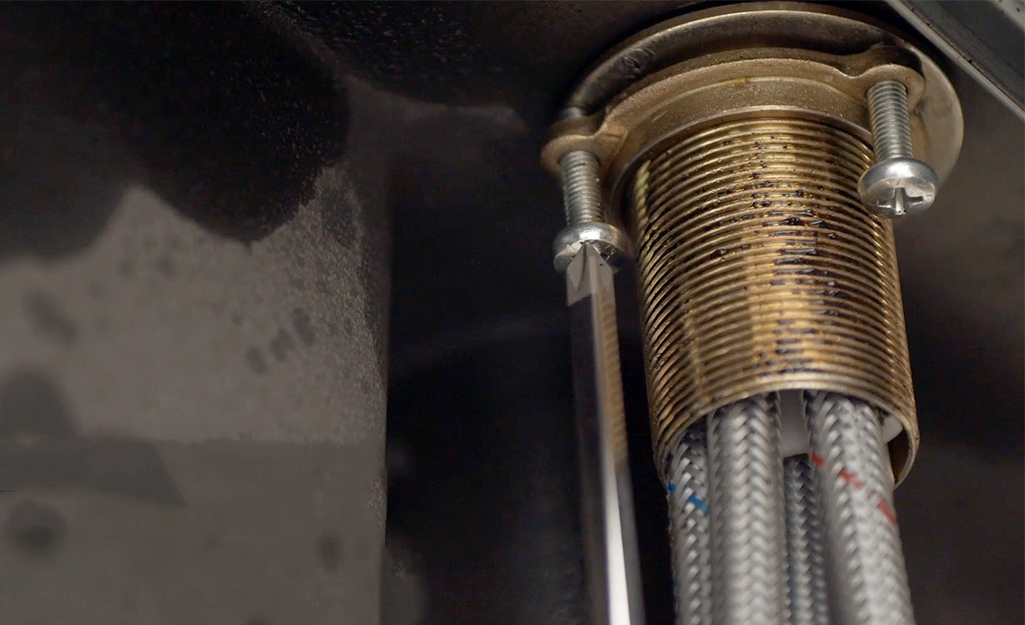
Image Source: contentgrid.homedepot-static.com
Gathering Your Tools and Supplies
Before you begin, gather all the necessary tools. Having everything ready will make the process smoother and faster.
Essential Tools for Faucet Removal
- Adjustable Wrench (or two): These are versatile and can fit various nut sizes.
- Basin Wrench: This specialized tool is a lifesaver for reaching nuts in tight spaces, especially those holding the faucet to the sink.
- Plumber’s Tape (PTFE Tape): Useful for sealing threaded connections when you reinstall or if you need to temporarily cap lines.
- Bucket or Towels: To catch any residual water.
- Safety Glasses: To protect your eyes from debris or dripping water.
- Flashlight or Headlamp: The area under the sink can be dark.
- Penetrating Oil (optional): For loosening stubborn nuts.
- Wire Brush (optional): To clean threads if you plan to reuse parts or for easier removal.
- Screwdriver (Phillips and Flathead): Some faucet mounting systems may use screws.
Helpful Supplies
- Gloves: To keep your hands clean and protected.
- Rags or Old Towels: For wiping up spills.
- Trash Bag: For disposing of old parts.
Step 1: Shutting Off the Water Supply – The Most Crucial Step
This is the absolute first and most important step. You must shut off the water supply to your kitchen faucet before attempting any removal.
Locating Your Shut-Off Valves
Most kitchen sinks have two shut-off valves located directly beneath the sink, usually on the hot and cold water supply lines.
- Hot Water Valve: Typically on the left.
- Cold Water Valve: Typically on the right.
These valves usually have a small handle. Turn them clockwise until they are completely closed.
What If I Can’t Find Under-Sink Valves?
If you can’t find dedicated shut-off valves under your sink, or if they are old and don’t work properly, you’ll need to shut off the main water supply to your entire house.
- Locate the Main Shut-Off Valve: This is often found in the basement, garage, crawl space, or near your water meter. It’s usually a larger valve, often with a lever or a round handle.
- Turn Off the Main Valve: Turn it clockwise to shut off the water to the entire house.
Verifying the Water is Off
After turning off the valves (either under the sink or the main one), open your kitchen faucet to ensure no water is flowing. Let it run for a few seconds until the water stops completely. This also helps drain any remaining water in the lines.
Step 2: Disconnecting the Water Supply Lines
Once the water is off, you can disconnect the water supply lines from the faucet. These are usually flexible hoses or rigid copper pipes that connect to the shut-off valves.
Using Your Wrench
- Position a Bucket: Place a bucket or some old towels directly under the connections to catch any residual water.
- Loosen the Connections: Use an adjustable wrench or a pipe wrench to loosen the nuts connecting the supply lines to the faucet tailpieces. Turn the nut counter-clockwise.
- Disconnect the Lines: Once loosened, you should be able to unscrew the nuts by hand. Carefully pull the supply lines away from the faucet.
- Important Note: If you are replacing the faucet, you might also need to disconnect the supply lines from the shut-off valves. If you are just removing the faucet, you can leave them connected to the valves and just let them hang. However, if the old faucet tailpieces are corroded or damaged, it’s often best to replace the supply lines as well.
Step 3: Detaching the Faucet Mounting Hardware
This is where the basin wrench often becomes essential. Faucets are typically secured to the sink or countertop from underneath with mounting nuts and washers.
Locating the Mounting Nuts
Crawl under your sink and look up at the base of the faucet. You’ll see threaded shafts (tailpieces) extending down from the faucet body. These are where the mounting nuts are screwed on.
Using the Basin Wrench
- Position the Basin Wrench: The jaws of the basin wrench are designed to grip the nuts in tight spaces. Hook the jaw onto the mounting nut.
- Loosen the Nuts: Turn the handle of the basin wrench counter-clockwise to loosen and remove the mounting nuts. This can be a bit awkward, so take your time. You might need to reposition the wrench multiple times to get the nut fully off.
- Remove Washers and Clips: There may also be washers, a mounting plate, or clips holding the faucet in place. Remove these as well.
- Tip: If the nuts are very corroded and difficult to loosen, a spray of penetrating oil can help. Let it sit for a few minutes before trying again.
Alternative Mounting Systems
Some modern faucets use a different mounting system, such as a large plastic nut or a bracket that screws on. The principle is the same: you need to access and remove the fasteners from underneath the sink. A standard adjustable wrench might work for larger plastic nuts, or you might need a specific tool that came with the faucet.
Step 4: Removing the Old Faucet
With the water supply lines disconnected and the mounting hardware removed, the old faucet should now be loose.
Lifting the Faucet
- Pull Up Gently: From above the sink, gently pull the faucet upward. It should lift free from the sink holes.
- Dealing with Stuck Faucets: If the faucet feels stuck, check for any remaining connections or debris that might be holding it. Sometimes, a buildup of mineral deposits or old plumber’s putty can make it adhere to the sink. A putty knife or a gentle wiggle might be needed. Avoid forcing it, as you could damage your sink.
Cleaning the Sink Surface
Once the faucet is removed, you’ll likely find old plumber’s putty, caulk, or mineral deposits around the holes where the faucet was installed.
- Remove Old Sealant: Use a putty knife or scraper to carefully remove all old sealant.
- Clean the Area: Wipe down the sink surface with a cleaner to remove any residue and prepare it for the new faucet.
Step 5: Disconnecting Sprayer Hoses and Other Components (If Applicable)
Some kitchen faucets have a separate sprayer or other integrated components that may have additional connections.
Sprayer Hose Disconnection
- Locate the Hose: The sprayer hose usually runs down from the faucet body and connects to a hose weight or directly to a water line.
- Unscrew the Connection: This connection is typically a screw-on fitting. Use your adjustable wrench to unscrew it. Keep a bucket handy as there might be a small amount of water left in the hose.
Soap Dispenser or Other Attachments
If your faucet has a soap dispenser or other attachments, they will also have their own mounting hardware or connections that need to be undone from underneath the sink.
Step 6: What to Do with the Old Faucet
- Inspect for Reuse: If you’re only temporarily removing the faucet for repairs, inspect it to see if it’s salvageable.
- Dispose Properly: If it’s old and beyond repair, dispose of it responsibly. Check with your local waste management for guidelines on disposing of plumbing fixtures.
Troubleshooting Common Issues
Stubborn Mounting Nuts
If you encounter mounting nuts that refuse to budge, try these solutions:
- Penetrating Oil: Apply a good penetrating oil (like WD-40 or PB Blaster) to the threads. Let it soak in for at least 15-30 minutes, or even overnight if necessary.
- Heat (Use with Extreme Caution): In very rare and stubborn cases, a bit of heat from a hairdryer or a heat gun (on a low setting and with extreme caution to avoid damaging surrounding materials) can help expand the metal and break the corrosion. Never use an open flame.
- Wire Brush: Clean the exposed threads with a wire brush to remove any rust or mineral buildup before attempting to loosen.
Leaking from Shut-Off Valves
If your shut-off valves leak when you try to close them or after you’ve reconnected new supply lines, they may need to be replaced. This is a separate DIY project that involves shutting off the main water supply and carefully unscrewing the old valve.
Damaged Supply Lines
If your supply lines are old, corroded, or kinked, it’s a good idea to replace kitchen faucet supply lines at the same time. Ensure you purchase new ones that are the correct length and have the appropriate fittings for your new faucet and shut-off valves.
Frequently Asked Questions (FAQ)
How long does it take to remove a kitchen faucet?
For an experienced DIYer, removing a kitchen faucet can take as little as 30 minutes to an hour. For a first-timer, it might take a couple of hours, especially if you encounter stubborn parts or need to figure out the unique mounting system of your faucet.
Do I need a special tool to remove a kitchen faucet?
While an adjustable wrench is essential, a basin wrench is highly recommended. It’s specifically designed to reach nuts in the confined space under a sink and makes the job much easier.
Can I replace a kitchen faucet without shutting off the water?
No, absolutely not. You must shut off the water supply before attempting to disconnect any water lines or remove the faucet. Failure to do so will result in a significant water leak and a messy situation.
What if the mounting nuts are plastic?
If your mounting nuts are plastic, they can usually be loosened with a large adjustable wrench or by hand. Sometimes, they have a specific slot or pattern that requires a specialized tool provided by the manufacturer.
Should I replace the supply lines when replacing the faucet?
It’s generally a good idea to replace the supply lines if they are old, corroded, or if you’re having trouble disconnecting them. New supply lines ensure a good seal and prevent future leaks. Always match the connection sizes to your new faucet and shut-off valves.
Preparing for the New Faucet Installation
Once the old faucet is out, you’re ready to install your new one. Thoroughly clean the sink surface and ensure all holes are clear. If you are replacing your faucet, now is the perfect time to do it. Follow the manufacturer’s instructions for the new faucet carefully. Remember to use plumber’s tape on threaded connections that require it, and always ensure your shut-off valves are tightly closed before beginning any disconnection or reconnection work.
This comprehensive guide should equip you with the knowledge and confidence to successfully remove your kitchen faucet. Remember to work methodically, prioritize safety, and don’t hesitate to refer back to these steps if needed. Happy DIYing!