
A kitchen remodel can dramatically change your home’s look and feel. So, what is a kitchen remodel? It’s the process of updating your kitchen’s appearance and functionality. Can I do it myself? Yes, a DIY kitchen remodel is possible for skilled individuals, but hiring a kitchen remodel contractor is often best for complex jobs. Who is involved? It can range from you and your family to designers, contractors, and various tradespeople.
Embarking on a kitchen renovation is an exciting journey. It’s a chance to transform your most-used room into a space that’s both beautiful and highly functional. But where do you start? This comprehensive guide will walk you through every step, from initial planning to the final flourish, ensuring your kitchen remodel is a success.
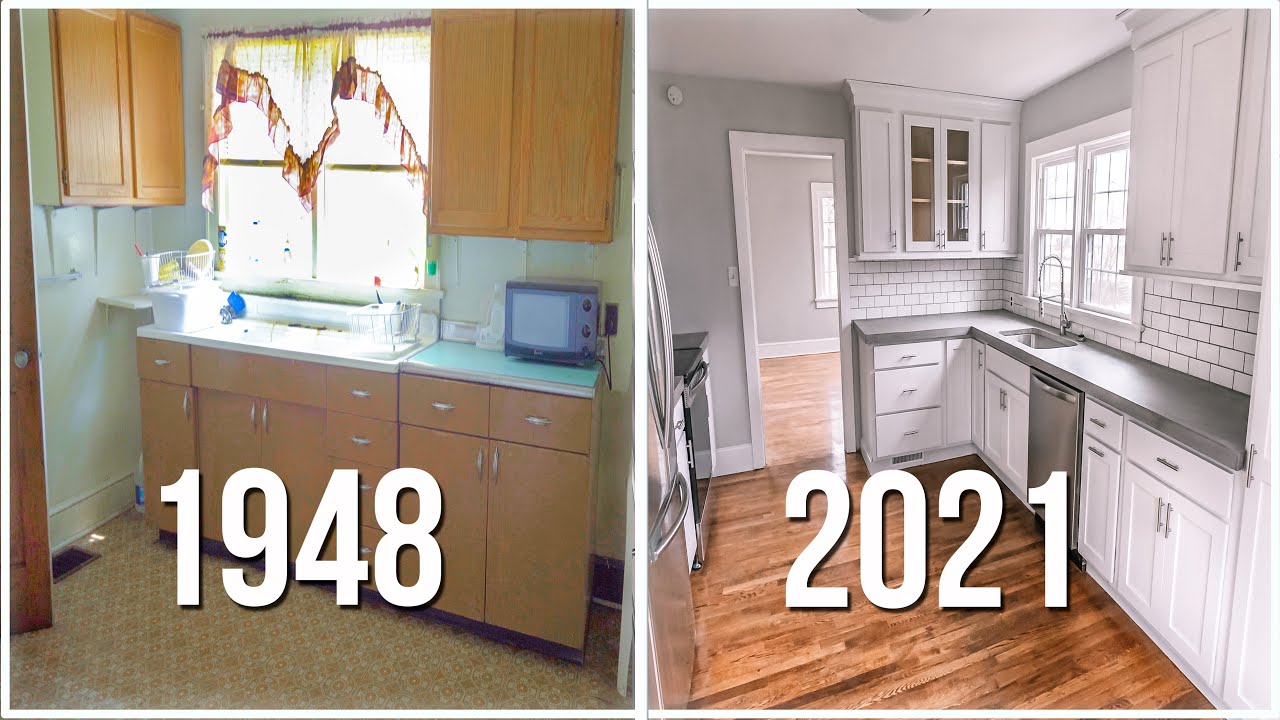
Image Source: i.ytimg.com
Planning Your Kitchen Remodel
The foundation of any successful renovation lies in meticulous planning. Rushing this stage can lead to costly mistakes and a less-than-ideal outcome.
Defining Your Vision: What Do You Want?
Before you even think about tearing down a wall, sit down and visualize your dream kitchen. What are your must-haves? What are your deal-breakers?
Needs vs. Wants
- Needs: These are essential elements. Do you need more storage? Better lighting? A more efficient layout for cooking?
- Wants: These are the ‘nice-to-haves’. A gourmet appliance package? A built-in coffee maker? A custom island?
Lifestyle Considerations
Think about how you use your kitchen daily.
- Cooking Habits: Do you cook elaborate meals, or are you more of a microwave person? This influences appliance choices and layout.
- Entertaining: Do you host many guests? You might need more counter space for serving or a breakfast bar for people to gather around.
- Family Size: A growing family might need a larger table or more durable materials.
Gathering Inspiration
Look for kitchen remodel ideas everywhere.
- Magazines & Websites: Architectural Digest, Houzz, Pinterest, and home design blogs are goldmines for inspiration.
- Showrooms: Visit appliance stores and cabinet showrooms to see materials and styles firsthand.
- Friends’ Homes: Take note of what you like and dislike in kitchens you visit.
Setting Your Kitchen Remodel Budget
This is arguably the most critical step. A clear kitchen remodel budget will guide every decision you make.
Estimating Costs
The average kitchen remodel cost can vary wildly, from $15,000 for a minor update to over $100,000 for a high-end, full gut renovation.
- Major Components:
- Kitchen Cabinets: 30-40% of the total budget.
- Appliances: 10-20%.
- Labor: 20-35%.
- Countertops: 10-15%.
- Flooring: 5-10%.
- Plumbing & Electrical: 5-10%.
- Design Fees & Permits: 2-5%.
- Contingency: 10-20% (essential for unexpected issues).
Creating a Detailed Budget
Break down your kitchen remodel budget into specific line items.
| Category | Estimated Cost | Actual Cost | Notes |
|---|---|---|---|
| Design/Planning | Architect, designer fees | ||
| Permits | Local building permits | ||
| Demolition | Removal of old materials | ||
| Structural Changes | Moving walls, windows, doors | ||
| Plumbing | Moving pipes, new fixtures | ||
| Electrical | New wiring, outlets, lighting | ||
| Kitchen Cabinets | Custom, semi-custom, or stock | ||
| Countertops | Granite, quartz, marble, laminate, wood | ||
| Backsplash | Tile, stone, glass | ||
| Appliances | Refrigerator, oven, cooktop, dishwasher, hood | ||
| Flooring | Tile, hardwood, LVP, laminate | ||
| Lighting | Recessed, pendant, under-cabinet | ||
| Paint/Finishing | Walls, ceiling, trim | ||
| Fixtures & Hardware | Faucets, sinks, cabinet pulls | ||
| Labor | Contractor, tradespeople | ||
| Contingency Fund | For unforeseen expenses | ||
| Total Estimated |
Prioritizing and Compromising
Be prepared to make trade-offs. If your dream countertop is too expensive, consider a slightly less premium option or allocate funds from another area. A realistic kitchen remodel budget is key to avoiding financial stress.
Understanding Kitchen Design Principles
Good kitchen design is about more than just aesthetics; it’s about functionality and flow.
The Work Triangle
The classic work triangle connects the sink, refrigerator, and stove. Keeping these elements within easy reach optimizes efficiency.
- Sink: The primary workspace for food prep and cleanup.
- Refrigerator: Storage for fresh ingredients.
- Stove/Cooktop: The cooking hub.
Modern kitchen design often incorporates ‘work zones’ rather than just a triangle, especially in larger kitchens with islands. These zones might include a baking station, a coffee bar, or a prep area.
Layout Options
The layout of your kitchen significantly impacts its usability.
- Galley Kitchen: Two parallel walls, often found in smaller spaces.
- L-Shaped Kitchen: Two walls at a right angle, offering good workflow.
- U-Shaped Kitchen: Three walls, providing ample counter and cabinet space.
- Island Kitchen: Adds extra counter space, seating, and storage to various layouts.
- Peninsula Kitchen: Similar to an island but attached to a wall or cabinet.
Ergonomics and Accessibility
Consider the height of countertops, the placement of appliances, and the ease of movement. Features like pull-out shelves and drawers can make a big difference.
Navigating the Renovation Process
Once your plan is solid, it’s time to move into the execution phase.
Choosing Your Team
Deciding whether to tackle a DIY kitchen remodel or hire professionals is a significant choice.
DIY Kitchen Remodel
If you have carpentry, plumbing, and electrical skills, a DIY kitchen remodel can save money. However, it requires significant time, effort, and knowledge.
- Pros: Cost savings, personal satisfaction.
- Cons: Time commitment, potential for errors, need for specialized tools, dealing with permits and inspections.
Hiring a Kitchen Remodel Contractor
A reputable contractor manages the entire project, coordinates trades, and ensures work meets building codes.
- Finding a Contractor:
- Referrals: Ask friends, family, and neighbors for recommendations.
- Online Reviews: Check platforms like Houzz, Angi, and Google.
- Professional Organizations: Look for members of the National Association of the Remodeling Industry (NARI) or the National Association of Home Builders (NAHB).
- Vetting Contractors:
- Check Licenses and Insurance: Ensure they are properly licensed and insured.
- Get Multiple Bids: Obtain at least three detailed quotes.
- Review Contracts: Read them carefully before signing.
- Ask for References: Contact past clients.
Sourcing Materials and Fixtures
Selecting your kitchen cabinets, countertops, and appliances is where your vision truly comes to life.
Kitchen Cabinets
Cabinets are often the largest visual element and a significant portion of your kitchen remodel cost.
- Stock Cabinets: Pre-made and available in standard sizes. Most affordable and readily available.
- Semi-Custom Cabinets: Offer more size and style options than stock, with modifications available. Mid-range pricing.
- Custom Cabinets: Built to your exact specifications, offering the most flexibility in design, materials, and finishes. Most expensive.
Cabinet Styles:
- Shaker: Simple, clean lines, very popular.
- Slab/Flat Panel: Modern, minimalist look.
- Raised Panel: Traditional, more formal appearance.
- Inset: Doors and drawer fronts sit flush within the cabinet frame.
Cabinet Materials & Finishes:
- Wood: Oak, maple, cherry, birch are common. Offer natural beauty and durability.
- Laminate/Thermofoil: Affordable, available in many colors and finishes, but can be less durable.
- MDF/Particle Board: Often used for painted cabinets, cost-effective but less durable than solid wood.
Kitchen Countertops
Countertops are a major functional and aesthetic component.
- Granite: Natural stone, durable, heat-resistant, unique patterns. Requires sealing.
- Quartz: Engineered stone, very durable, non-porous, stain-resistant, consistent patterns. Low maintenance.
- Marble: Luxurious, beautiful veining, but softer and prone to staining and etching.
- Laminate: Most affordable, wide variety of colors and patterns, but less durable than stone.
- Solid Surface: Seamless, non-porous, repairable, mid-range cost.
- Butcher Block: Warm, natural look, great for food prep areas, but requires regular oiling.
- Concrete: Modern, industrial look, highly customizable, but can be heavy and porous if not sealed.
Appliances
Choose appliances that fit your needs, budget, and kitchen design.
- Range/Cooktop & Oven: Consider gas, electric, or induction. Wall ovens offer a cleaner look.
- Refrigerator: French door, side-by-side, top-freezer, bottom-freezer – choose based on space and preference.
- Dishwasher: Integrated or visible panel. Look for noise levels (decibels) and energy efficiency.
- Microwave: Over-the-range, built-in drawer, or countertop.
- Ventilation Hood: Essential for removing smoke and odors. Ducted hoods are more effective than recirculating ones.
Flooring
Durability, water resistance, and aesthetics are key for kitchen flooring.
- Tile (Ceramic/Porcelain): Durable, water-resistant, vast design options. Can be cold and hard underfoot.
- Hardwood: Warm, classic look. Less resistant to moisture and scratches than tile.
- Luxury Vinyl Plank (LVP): Water-resistant, durable, mimics wood or tile, more affordable.
- Laminate: Affordable, mimics wood, but not ideal for very wet areas.
- Natural Stone: Elegant but can be expensive and require more maintenance.
The Kitchen Remodel Timeline
A kitchen remodel timeline can vary greatly depending on the scope of work, contractor availability, and material lead times.
Typical Stages and Durations
- Planning & Design: 2-4 weeks (can be longer if custom design is needed)
- Permitting: 1-4 weeks (varies by location)
- Demolition: 1-3 days
- Rough-ins (Plumbing, Electrical, HVAC): 1-2 weeks
- Drywall & Painting: 3-5 days
- Cabinet Installation: 1-2 weeks
- Countertop Templating & Installation: 1-2 weeks (templating after cabinets, installation 1-2 weeks later)
- Appliance Installation: 1-3 days
- Flooring Installation: 1-3 days
- Finish Work (Backsplash, Fixtures, Hardware): 1 week
- Final Inspection & Cleanup: 1-2 days
Total Estimated Timeline: 6-12 weeks (for a substantial renovation)
Factors Affecting the Timeline
- Scope of Work: A simple refacing will be much quicker than a full gut renovation.
- Contractor Availability: Popular contractors may have long waiting lists.
- Material Lead Times: Custom cabinets or special order appliances can take weeks to arrive.
- Unforeseen Issues: Discovering mold, outdated wiring, or plumbing problems can cause delays.
- Weather: Affects exterior work if any is involved.
- Inspection Delays: Scheduling and passing building inspections.
Bringing Your Remodeled Kitchen to Life
The final touches are what make a kitchen truly shine.
Lighting Design
Proper lighting is crucial for both functionality and ambiance.
- Ambient Lighting: General illumination, typically from overhead fixtures (recessed lights, ceiling fixtures).
- Task Lighting: Focused light for work areas, such as under-cabinet lighting for countertops.
- Accent Lighting: Highlights specific features, like artwork or decorative displays.
- Pendant Lights: Often hung over islands or peninsulas, adding style and focused light.
Hardware and Fixtures
The details matter!
- Cabinet Hardware: Knobs and pulls add personality and can tie the design together.
- Faucets and Sinks: Choose styles and finishes that complement your countertops and overall aesthetic. Consider faucet functionality (e.g., pull-down sprayer).
Color Palette and Finishes
The colors and finishes you choose set the mood.
- Cabinet Colors: White, gray, navy, and natural wood tones are popular.
- Wall Colors: Lighter colors can make a kitchen feel larger and brighter.
- Countertop and Backsplash Combinations: Ensure they work harmoniously.
Frequently Asked Questions About Kitchen Remodeling
Q1: How much does a kitchen remodel cost on average?
A1: The average kitchen remodel cost can range from $15,000 for a minor update to $100,000+ for a high-end renovation. This depends heavily on the scope, materials, and labor involved.
Q2: How long does a kitchen remodel typically take?
A2: A typical kitchen remodel timeline for a substantial renovation is usually between 6 to 12 weeks, but this can vary based on project complexity and unforeseen issues.
Q3: Should I hire a kitchen remodel contractor or do it myself?
A3: It depends on your skills, time, and the project’s complexity. A DIY kitchen remodel saves money but requires significant expertise. Hiring a kitchen remodel contractor is recommended for most people, especially for major structural or system changes.
Q4: What are the most expensive parts of a kitchen remodel?
A4: Kitchen cabinets and labor typically represent the largest portions of a kitchen remodel budget, often followed by countertops and appliances.
Q5: What are some popular kitchen remodel ideas for small kitchens?
A5: For small kitchens, consider light colors, reflective surfaces, ample task lighting, smart storage solutions like pull-out shelves, and a functional layout such as a galley or L-shape. Islands can still work if they are slim or on wheels.
Q6: How do I choose the right kitchen cabinets?
A6: Consider your budget, style preferences, and storage needs. Options range from stock, semi-custom, to custom cabinets, with various materials like wood, laminate, and MDF available. Shaker and slab styles are currently very popular.
Q7: What are the best countertop materials?
A7: Popular choices include durable and low-maintenance quartz, heat-resistant and unique granite, and luxurious marble. Laminate is a budget-friendly option, while butcher block offers a warm feel.
A successful kitchen remodel is a blend of careful planning, thoughtful design, and skilled execution. By following this guide, you can navigate the process with confidence and create a kitchen you’ll love for years to come.