
Image Source: contentgrid.homedepot-static.com
How To Put In A New Kitchen Sink Step-by-Step
Can I install a kitchen sink myself? Yes, with the right tools and a bit of patience, you can install a new kitchen sink yourself. It’s a manageable DIY project that can save you money and give your kitchen a fresh new look. This guide will walk you through the entire process of kitchen sink installation, from removing your old sink to connecting the sink drain and ensuring a watertight seal. We’ll cover everything you need to know to successfully replace a kitchen sink.
Getting Started: Planning Your Sink Replacement
Before you dive into the actual kitchen sink installation, taking the time for careful planning will make the process much smoother. This involves selecting the right sink, gathering your materials, and ensuring you have the necessary tools.
Choosing the Right Sink
There are several types of kitchen sinks, and each has its own installation nuances. The two most common are:
- Drop-in Sinks: These are the most common and easiest to install. They have a rim that rests on top of the countertop. They are also known as top-mount or self-rimming sinks.
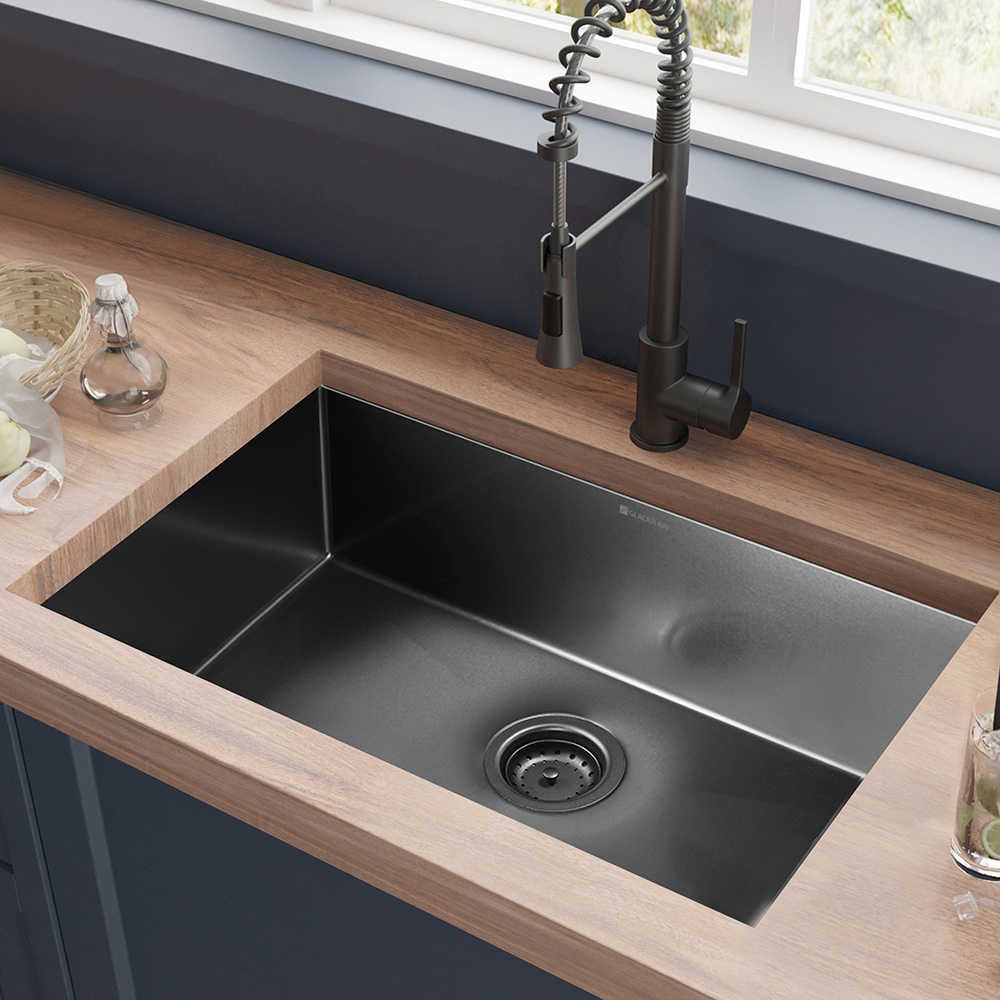
- Undermount Sinks: These are mounted beneath the countertop, offering a sleek, modern look and making cleanup easier as there’s no rim to trap debris. Undermount sink installation is slightly more complex and often requires a more supportive countertop material like granite or quartz.
When selecting your new sink, consider:
- Size and Shape: Ensure the new sink fits the existing cutout in your countertop. If you’re changing the size, you might need to modify the countertop, which is a more advanced project.
- Material: Stainless steel is popular for its durability and affordability. Other options include composite, cast iron, porcelain, and copper, each with its own pros and cons regarding cost, durability, and maintenance.
- Number of Basins: Decide if you want a single, double, or even triple basin sink.
- Faucet Holes: Make sure the new sink has the correct number and placement of holes for your chosen faucet.
Gathering Your Tools and Materials
Having everything ready before you start will prevent frustrating interruptions. Here’s a comprehensive list:
Essential Tools:
- Adjustable wrenches (two are helpful)
- Pipe wrench
- Bucket
- Towels and rags
- Screwdriver set (Phillips and flathead)
- Utility knife or putty knife
- Caulking gun
- Plumber’s putty or silicone sealant (check sink manufacturer’s recommendations)
- Safety glasses
- Work gloves
- Pliers (channel-lock pliers are very useful)
- Measuring tape
- Drill with appropriate bits (for securing clips on some sinks)
- Jigsaw (if you need to enlarge a countertop cutout)
- Sandpaper (for smoothing rough edges)
- Pencil or marker
Materials:
- Your new kitchen sink
- New drain assembly (strainer and tailpiece)
- New sink trap (P-trap) and any necessary connectors
- Flexible water supply lines (if your old ones are worn or incompatible)
- Mounting clips or fasteners (usually come with the sink)
- Silicone caulk or plumber’s putty
- Teflon tape (pipe thread tape)
Removing the Old Kitchen Sink
This is often the messiest part of the job, so preparation is key.
Step 1: Turn Off the Water Supply
- Locate the shut-off valves for the hot and cold water lines under the sink.
- Turn them clockwise as far as they will go.
- If you can’t find individual shut-off valves or they don’t work, you’ll need to turn off the main water supply to your house.
Step 2: Relieve Water Pressure
- Turn on the hot and cold water at your kitchen faucet to drain any remaining water in the lines.
- Let the water run until it stops.
Step 3: Disconnect the Water Supply Lines
- Place a bucket or basin under the water supply line connections to catch any residual water.
- Use an adjustable wrench to loosen and disconnect the supply lines from the faucet shanks.
- Carefully disconnect the other end of the supply lines from the shut-off valves or the house plumbing.
Step 4: Disconnect the Sink Drain and Garbage Disposal (If Applicable)
- Place your bucket directly under the sink trap (the U-shaped pipe) to catch any water.
- Use pliers or a pipe wrench to loosen the slip nuts connecting the P-trap to the tailpiece of the sink drain.
- Gently pull the trap away.
- If you have a garbage disposal, disconnect it from the sink drain. You might need a special tool or large wrench to loosen the mounting collar. Be prepared for some water to drain out.
Step 5: Remove the Faucet and Other Accessories
- With the water and drain lines disconnected, you can now remove the faucet. This usually involves loosening nuts and washers from the underside of the sink.
- If you have a soap dispenser or spray nozzle, disconnect those as well.
Step 6: Break the Seal and Remove the Sink
- Run a utility knife or putty knife around the edge of the sink where it meets the countertop. This will cut through any old caulk or sealant.
- If your sink is secured with clips from underneath, locate and loosen them with a screwdriver or wrench. This is where kitchen sink mounting clips are undone.
- Gently push up on the sink from below to loosen it.
- If the sink is stubborn, you may need to carefully pry it from the countertop, being mindful not to damage the countertop.
- Lift the old sink out of the countertop opening.
Preparing the Countertop for the New Sink
Once the old sink is out, it’s time to clean up and prepare the opening for your new fixture.
Step 1: Clean the Countertop Opening
- Scrape away any old plumber’s putty, silicone, or adhesive from the countertop around the sink opening using a putty knife or scraper.
- Wipe down the area thoroughly with a damp cloth to remove dust and debris. Ensure the surface is completely dry.
- If you are installing an undermount sink installation, this step is critical for a strong adhesive bond.
Step 2: Test Fit the New Sink
- Carefully place your new sink into the opening to ensure it fits correctly.
- If it’s a drop-in sink, check that the rim sits evenly on the countertop.
- If you’re fitting a new sink that is a different size than the old one, you might need to enlarge or adjust the countertop opening using a jigsaw. Measure twice and cut once! If you’re modifying the countertop, ensure you follow safety precautions and wear protective gear.
Installing the New Kitchen Sink
Now for the exciting part – getting your new sink into place!
Step 1: Install the Faucet and Drain Assembly on the New Sink
It’s generally easier to install the faucet and drain assembly before the sink is in its final position in the countertop.
Installing the Faucet:
- Follow the manufacturer’s instructions for your specific faucet.
- Typically, you’ll place gaskets or a putty/silicone bead around the base of the faucet where it meets the sink.
- Insert the faucet through the holes in the sink.
- From the underside of the sink, secure the faucet with washers and mounting nuts. Tighten them firmly but avoid overtightening, which could crack the sink.
- Install the kitchen faucet according to its specific guidelines.
Connecting the Sink Drain:
- Apply a generous bead of plumber’s putty or silicone sealant around the underside of the sink drain flange.
- Press the flange firmly into the drain opening from the top of the sink.
- From the underside, place a rubber gasket, then a washer, and finally the locknut onto the drain threads.
- Tighten the locknut securely with pliers or a pipe wrench. Wipe away any excess putty or sealant that squeezes out.
- This is how you connect sink drain components to the sink itself.
Step 2: Apply Sealant to the Sink Rim
- For drop-in sinks, apply a continuous bead of silicone sealant around the underside of the sink’s rim. This creates a watertight seal between the sink and the countertop.
- For undermount sinks, follow the manufacturer’s specific instructions, which may involve applying sealant to the underside of the countertop edge or directly to the sink rim.
Step 3: Set the Sink in Place
- Carefully lower the new sink into the countertop opening.
- For drop-in sinks, ensure the rim is centered and evenly distributed on the countertop.
- For undermount sinks, position it accurately and secure it with the provided mounting clips or adhesive as per the manufacturer’s instructions. Proper kitchen sink mounting is crucial for stability and preventing leaks.
Step 4: Secure the Sink (Drop-in Sinks)
- Most drop-in sinks come with mounting clips that attach to the underside of the sink and screw into the underside of the countertop.
- Work your way around the sink, attaching and tightening these clips evenly. This provides a secure kitchen sink mounting.
Step 5: Secure the Sink (Undermount Sinks)
- Undermount sinks rely on clips and often a strong adhesive to hold them in place.
- Ensure the sink is perfectly positioned and the clips are securely tightened. For some materials, like granite, the clips bear the primary weight. For others, adhesive plays a larger role.
Connecting the Plumbing
This is where new sink plumbing comes into play. The goal is to connect your new sink’s drain and water supply lines without leaks.
Step 1: Reconnect the Water Supply Lines
- Ensure the shut-off valves are still closed.
- Connect the new flexible water supply lines to the faucet shanks on the underside of the sink. Hand-tighten them, then use an adjustable wrench to give them about a quarter to half a turn more. Be careful not to overtighten.
- Connect the other ends of the supply lines to the corresponding shut-off valves. Again, hand-tighten and then use a wrench for a final snug turn.
Step 2: Connect the Sink Drain and Trap
- This is where you connect sink drain components, including the tailpiece from your drain assembly and the P-trap.
- Attach the tailpiece to the drain assembly already installed in the sink.
- Connect your P-trap to the tailpiece and the wall drain pipe using the provided slip nuts and gaskets.
- Adjust the lengths of the tailpiece and trap arms as needed to align them. The P-trap’s purpose is to hold water, creating a seal that prevents sewer gases from entering your home. Proper sink trap plumbing is essential.
- Ensure all slip nuts are hand-tightened, then use pliers for a final snug fit.
Step 3: Reconnect the Garbage Disposal (If Applicable)
- If you have a garbage disposal, reattach it to the new sink’s drain outlet according to the manufacturer’s instructions. This usually involves aligning the mounting flange and tightening the locking mechanism.
Testing for Leaks and Final Touches
The moment of truth! It’s time to check your work.
Step 1: Turn the Water Back On
- Slowly turn the hot and cold water shut-off valves back on.
- Check immediately for any leaks at the faucet connections.
Step 2: Test the Faucet and Drain
- Turn on the faucet and let the water run for a few minutes, checking for leaks at the faucet base and supply line connections.
- Fill the sink partially with water, then release the drain.
- Watch closely for any drips or leaks at the drain assembly, tailpiece, P-trap connections, and where the sink meets the countertop. Pay special attention to the slip nuts on the P-trap.
Step 3: Tighten or Adjust as Needed
- If you find any leaks, turn off the water supply again and tighten the offending connection slightly.
- If a connection continues to leak, you may need to disassemble it, check the gasket or washer, and reassemble, ensuring it’s properly seated.
Step 4: Apply Kitchen Sink Caulking
- Once you’re confident there are no leaks, it’s time for the final kitchen sink caulking.
- Apply a neat, continuous bead of silicone caulk around the perimeter where the sink rim meets the countertop. This provides a watertight seal and a clean, finished look.
- For drop-in sinks, caulk the top edge. For undermount sinks, the caulk is applied to the joint between the sink rim and the underside of the countertop.
- Smooth the caulk line with a wet finger or a caulking tool for a professional finish. Wipe away any excess caulk with a damp cloth immediately.
Frequently Asked Questions (FAQ)
Q: How long does it typically take to install a new kitchen sink?
A: For an experienced DIYer, it can take 2-4 hours. For a beginner, it might take longer, perhaps 4-6 hours, especially if you encounter unexpected issues or need to modify the countertop.
Q: Do I need to use plumber’s putty or silicone sealant?
A: Most sink manufacturers recommend using silicone sealant for the sink rim to countertop seal. For the drain flange, plumber’s putty is traditionally used, but some manufacturers recommend silicone here as well. Always check the manufacturer’s instructions for your specific sink and faucet.
Q: My old sink was a standard size. Can I install a different size?
A: You can, but it may require modifying your countertop opening. This is a more advanced task that might require professional help depending on your countertop material.
Q: What if my shut-off valves are old and won’t turn?
A: If your shut-off valves are corroded or won’t work, you’ll need to replace them. This involves turning off the main water supply to your house and is a job that many homeowners opt to have a plumber handle.
Q: Can I reuse my old plumbing connections?
A: It’s best to replace flexible water supply lines if they show any signs of wear, hardening, or corrosion. They are relatively inexpensive and replacing them ensures a good seal. While you can sometimes reuse metal drain pipes, it’s often easier and more reliable to replace the P-trap and tailpiece, especially if they are old or corroded.
Q: How do I clean up after the installation?
A: Once the caulk has dried (check the product instructions, usually 24 hours), you can use your new sink. For immediate cleanup of excess caulk or sealant, use a damp cloth or paper towel.
By following these detailed steps, you can confidently undertake your kitchen sink installation and enjoy your beautifully updated kitchen!