
Can you install a kitchen hood yourself? Yes, you can install a kitchen hood yourself with the right tools and careful planning. This guide will walk you through the entire process, from choosing the right hood to making sure it’s properly secured. Whether you’re doing a reciprocating range hood installation or a ducted range hood installation, the core steps are similar, with some key differences. We’ll cover everything you need to know for a successful kitchen vent installation, including range hood mounting, ductwork for kitchen hood, and options like under cabinet hood installation, wall mount hood installation, and chimney hood installation. We’ll even touch on microwave hood combo installation.
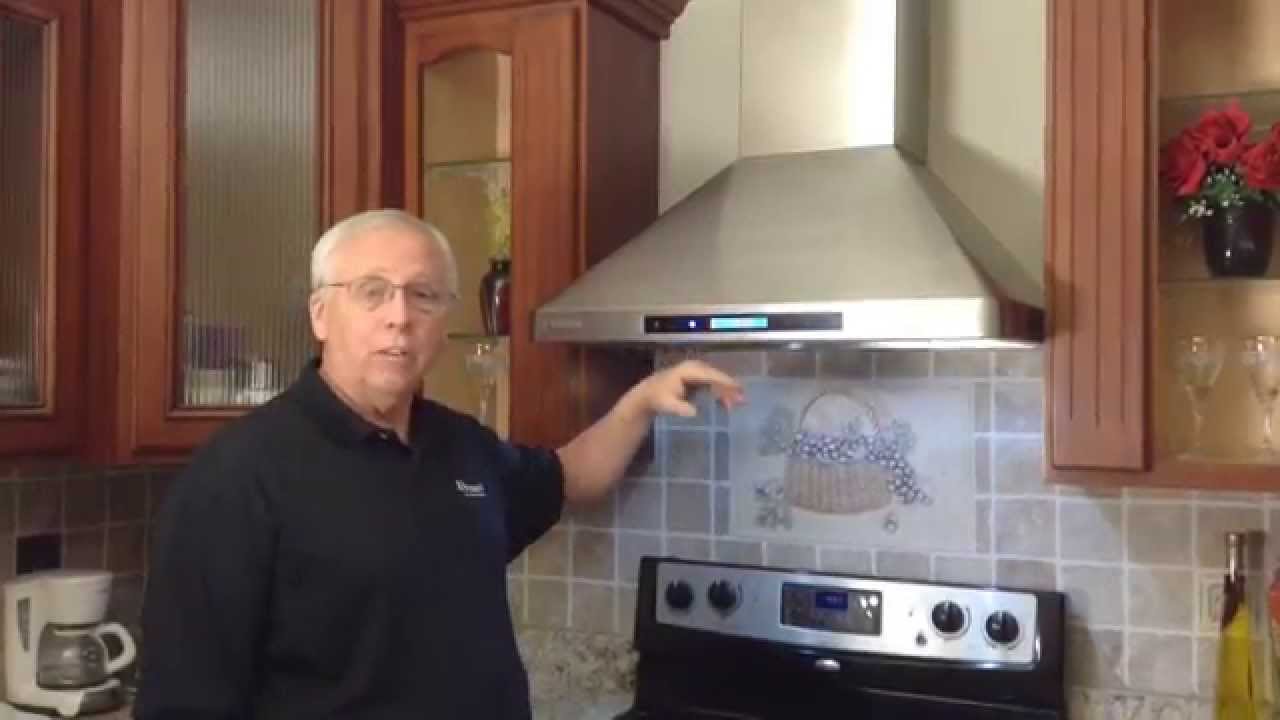
Image Source: i.ytimg.com
Planning Your Kitchen Hood Installation
Before you pick up a drill, it’s vital to plan. This means knowing what kind of hood you need and where it will go. A well-planned kitchen ventilation system makes installation much smoother.
Choosing the Right Kitchen Hood
There are several types of kitchen hoods, each with its own installation needs:
- Under-Cabinet Hoods: These are mounted directly to the underside of your kitchen cabinets. They are a popular choice for their space-saving design and often simpler installation.
- Wall-Mount Hoods: These hoods attach directly to your wall, often above your range. They come in various styles, including sleek modern designs and more traditional chimney styles.
- Chimney Hoods: These are a type of wall-mount hood that features a decorative “chimney” that extends up to the ceiling. They offer a striking visual focal point but can require more complex ductwork.
- Microwave Hood Combos: These units replace your microwave and act as both a vent hood and a cooking appliance. Installation is similar to a standard microwave, but with the added ventilation component.
- Downdraft Hoods: These are less common and typically installed directly behind the cooktop, pulling air down. Installation here is highly specialized and often requires professional help.
Consider the size of your cooking surface. The hood should generally be the same width or slightly wider than your range or cooktop. Think about the airflow needed – higher BTU ranges will require hoods with more powerful fans (measured in CFM – Cubic Feet per Minute).
Ducted vs. Recirculating Installation
This is a crucial decision for your kitchen vent installation:
- Ducted Range Hood Installation: This is the most effective way to ventilate. It captures smoke, grease, and odors and vents them outside your home through ductwork. This requires a hole through an exterior wall or the ceiling.
- Recirculating Range Hood Installation: These hoods filter the air through charcoal filters and blow it back into the kitchen. They don’t remove moisture or heat as effectively as ducted systems and require regular filter replacement. This is a good option if running ductwork is impossible or too costly.
Gathering Your Tools and Materials
Having everything ready beforehand will save you time and frustration.
Essential Tools:
- Drill with various bits (including a hole saw for ductwork)
- Screwdriver set (Phillips and flathead)
- Stud finder
- Level
- Tape measure
- Pencil
- Utility knife
- Safety glasses
- Work gloves
- Ladder or sturdy step stool
- Caulking gun and caulk (for sealing exterior vents)
- Wire stripper and crimper (if hardwiring)
- Voltage tester
Necessary Materials:
- Your chosen kitchen hood (ensure it comes with mounting hardware)
- Ductwork (if installing a ducted system – rigid or flexible metal ducting is recommended)
- Duct tape (heavy-duty, foil-backed)
- Wall or ceiling vent cover (exterior termination kit)
- Screws and wall anchors (appropriate for your wall type)
- Electrical wire (if hardwiring)
- Wire nuts (for electrical connections)
- Optional: A helper!
Step-by-Step Installation Guide
This guide focuses on common under cabinet hood installation and wall mount hood installation scenarios. Always refer to your specific hood’s manufacturer instructions, as they are the ultimate authority.
Step 1: Preparation and Safety
Electrical Considerations:
- Turn off the power! Locate the circuit breaker for your kitchen and switch it off. Use a voltage tester to confirm the power is off at the hood’s intended location.
- Existing Hoods: If you’re replacing an old hood, disconnect the power before attempting to remove it.
- New Installations: You may need to run new electrical wiring to the hood location. This often involves working within walls and attics, which can be complex. If you are not comfortable with electrical work, it is strongly recommended to hire a qualified electrician.
Marking and Measuring:
- Height: Determine the correct mounting height. For ducted hoods, manufacturers typically recommend a distance of 24-36 inches above the cooktop. For recirculating models, this might be slightly closer. Always check your manual.
- Positioning: Use a tape measure and level to mark the exact position for the hood and any mounting brackets. For under-cabinet hoods, ensure it’s centered and flush with the cabinet front. For wall-mount hoods, ensure it’s centered over your range.
Step 2: Installing Ductwork (For Ducted Systems)
This is often the most involved part of a ducted range hood installation.
Creating the Duct Path:
- Locate the Outlet: Decide where the ductwork will exit your home – an exterior wall or the roof.
- Drilling the Hole:
- Wall Exit: Use a stud finder to ensure you’re not drilling through a major structural stud or electrical/plumbing lines. Mark the center of where your vent cover will go. Use a hole saw bit on your drill to create the opening. Start from the outside if possible for a cleaner cut.
- Roof Exit: This is more complex and usually involves accessing the attic. You’ll need to mark the path from the hood’s position up through the ceiling joists and roof rafters to the exterior. This often requires cutting through insulation and sheathing.
- Running the Duct:
- Material: Use rigid or semi-rigid metal ducting. Avoid flexible plastic or foil ducts, as they can trap grease and are fire hazards.
- Connections: Connect sections of ductwork using foil-backed tape, ensuring a tight seal.
- Elbows: Use the minimum number of elbows possible, as each one reduces airflow.
- Slope: Ensure any horizontal runs of ductwork slope slightly downwards towards the exterior vent to allow grease and condensation to drain away.
- Securing: Secure the ductwork to wall studs or ceiling joists with appropriate brackets or straps to prevent sagging.
Installing the Exterior Vent Cover:
- Placement: Position the vent cover on the exterior wall or roof.
- Sealing: Apply caulk around the edges of the vent cover before screwing it into place to prevent water intrusion.
- Connecting Duct: Connect the ductwork to the vent cover, sealing the connection with foil tape.
Step 3: Mounting the Hood
The range hood mounting process varies by hood type.
Under-Cabinet Hood Installation:
- Attach Brackets: Many under-cabinet hoods come with mounting brackets that screw directly into the underside of the cabinet. Position these according to your measurements and pre-drill pilot holes. Secure them firmly with the provided screws.
- Position the Hood: Carefully lift the hood into place and align it with the mounted brackets.
- Secure the Hood: Some hoods slide into place, while others require screws to be driven up through the brackets into the hood itself. Follow your manual’s instructions.
Wall Mount Hood Installation:
- Attach Mounting Plate/Brackets: Many wall-mount hoods have a primary mounting plate or specific brackets that need to be securely attached to the wall. Use a stud finder to locate wall studs. Drill pilot holes and use heavy-duty screws or lag bolts to attach the mounting hardware to the studs. This is critical for supporting the weight of the hood. If you cannot align the mounting hardware with studs, use appropriate heavy-duty wall anchors designed for your wall type (e.g., toggle bolts for drywall).
- Hang the Hood: Most wall-mount hoods are designed to hang from this mounting plate or brackets. Carefully lift the hood and hook it onto the secured hardware.
- Secure the Hood: Once hanging, you’ll typically secure the hood by driving screws through the hood’s body into the mounting plate or brackets.
Chimney Hood Installation:
This is a variation of wall mount installation. After mounting the main hood body to the wall, you will typically attach the adjustable chimney pieces. The upper chimney piece often needs to be secured to the ceiling or a wall bracket for stability. This can involve drilling into joists or rafters.
Microwave Hood Combo Installation:
- Mounting Bracket: These units usually come with a heavy-duty mounting bracket that attaches to the wall, typically into studs. Ensure this bracket is perfectly level and securely fastened.
- Wiring: Connect the electrical wiring. This often involves plugging a cord into an existing outlet above the microwave space or hardwiring it directly.
- Lift and Hang: Microwaves are heavy. You’ll need a helper to lift the unit onto the mounting bracket.
- Secure: The microwave then typically screws into the bracket from the front or the top.
Step 4: Connecting the Ductwork to the Hood
- Align: If you have a ducted system, align the ductwork with the hood’s exhaust outlet.
- Secure and Seal: Connect the duct to the hood using screws and a collar if provided. Seal the connection thoroughly with foil-backed duct tape. A good seal prevents air leaks and keeps grease from escaping into your wall cavity.
Step 5: Electrical Connections
This is a critical step. If you are not experienced with electrical wiring, hire an electrician.
Basic Electrical Steps (For Experienced DIYers):
- Confirm Power is Off: Double-check with your voltage tester.
- Access Wiring: Locate the electrical junction box on the hood.
- Make Connections:
- Connect the house wiring’s black wire (hot) to the hood’s black wire.
- Connect the house wiring’s white wire (neutral) to the hood’s white wire.
- Connect the house wiring’s green or bare copper wire (ground) to the hood’s green ground screw or wire.
- Secure Connections: Use wire nuts to secure each connection. Ensure they are tight.
- Tuck Wires: Carefully tuck the wires back into the junction box and secure the cover.
For microwave hood combo installation, the electrical connection might be a simple plug into an outlet.
Step 6: Final Checks and Testing
- Review: Check all screws and connections. Make sure the hood is securely mounted and doesn’t wiggle.
- Turn Power On: Restore power at the circuit breaker.
- Test Functions: Turn on the fan at various speeds and test the lights. Listen for any unusual noises.
- Check for Leaks: For ducted systems, place a piece of tissue paper near the exterior vent while the fan is on high. It should be sucked towards the vent, indicating proper airflow.
Important Considerations for Different Hood Types
While the general steps are similar, here are some specific points:
Recirculating Range Hood Installation Tips
- Filter Placement: Ensure you correctly install the charcoal filters according to the manufacturer’s instructions. These are crucial for odor and grease capture.
- No Exterior Venting: You do not need to worry about running ductwork or creating an exterior vent hole. This makes installation significantly simpler.
- Airflow: Be aware that recirculating hoods are less efficient at removing heat and moisture. Good kitchen ventilation also relies on having an open window or a separate ventilation fan if using this method.
Ducted Range Hood Installation Tips
- Duct Material: Always use metal ducting. Avoid plastic or vinyl ducts as they are a fire hazard and can accumulate grease buildup.
- Duct Size: Ensure the duct diameter matches the hood’s exhaust outlet. Using a smaller duct will restrict airflow and reduce efficiency.
- Smooth Transitions: Minimize sharp bends in the ductwork. Use sweeping elbows rather than 90-degree ones when possible to improve airflow.
Under Cabinet Hood Installation Tips
- Cabinet Integrity: Ensure the cabinet you’re mounting to is sturdy and in good condition. If the cabinet is old or weak, you might need to reinforce it.
- Cabinet Depth: Make sure the hood’s depth is appropriate for your cabinets. Some hoods may overhang slightly.
Wall Mount Hood Installation Tips
- Wall Material: Installation on plaster or concrete walls will require different anchoring methods than drywall.
- Weight Distribution: Wall-mount hoods can be heavy. Always anchor into studs whenever possible.
Chimney Hood Installation Tips
- Height Adjustment: The chimney sections are usually adjustable to accommodate different ceiling heights. Measure carefully to ensure a clean fit.
- Ceiling Support: The upper part of the chimney may require a ceiling bracket or support, which might involve drilling into ceiling joists.
Microwave Hood Combo Installation Tips
- Weight: These units are heavy and require careful lifting and precise mounting. A helper is essential.
- Electrical Outlet: Ensure there is a suitable electrical outlet above the unit for power, or that wiring is correctly routed.
Troubleshooting Common Issues
- Hood Not Working: Check the power at the breaker. Ensure all electrical connections are secure and the unit is properly plugged in or wired.
- Poor Ventilation:
- For ducted systems, check for kinks or blockages in the ductwork. Ensure all connections are sealed. The duct run might be too long or have too many bends.
- For recirculating hoods, check if the charcoal filters need replacing or are installed incorrectly.
- Excessive Noise: Ensure the hood is securely mounted and not vibrating against anything. Some noise is normal, but loud rattling could indicate a loose part.
- Lights Not Working: Check the bulb and ensure it’s screwed in properly.
Frequently Asked Questions (FAQ)
Q1: How high should a kitchen hood be mounted?
A1: For ducted hoods, the typical range is 24 to 36 inches above the cooktop. Recirculating hoods might be mounted slightly closer. Always consult your specific hood’s manual for the manufacturer’s recommendation.
Q2: Can I vent my kitchen hood through the roof?
A2: Yes, you can vent a kitchen hood through the roof. This often involves running ductwork up through your attic and out through a roof vent cap. This can be more complex than venting through a wall.
Q3: How often do I need to replace charcoal filters in a recirculating hood?
A3: This varies by manufacturer and usage. Typically, charcoal filters should be replaced every 3 to 6 months. Check your hood’s manual for specific recommendations.
Q4: What size ducting should I use?
A4: Use ducting that matches the exhaust outlet size of your hood, which is usually 6 or 8 inches in diameter. Using smaller ducting will restrict airflow.
Q5: Do I need a professional to install my kitchen hood?
A5: While many people successfully install kitchen hoods themselves, it depends on your comfort level with DIY projects, especially those involving electrical wiring and cutting through walls or ceilings. If you are unsure, especially with electrical work, it is always best to hire a qualified professional.
Q6: What’s the difference between a ducted and a recirculating hood installation?
A6: A ducted hood installation vents air and grease particles outside your home via ductwork. A recirculating hood installation filters the air with charcoal and metal filters and blows it back into the kitchen. Ducted systems are generally more effective at removing smoke, grease, and odors.
Q7: Can I install an under cabinet hood without cabinets above it?
A7: Yes, you can install an under-cabinet hood if it’s mounted to a support structure or directly to the wall, provided it’s designed for such installation. However, they are typically designed to attach to the underside of cabinetry. Some wall-mount hoods might be a better choice if you don’t have cabinets.
By following these steps and paying close attention to safety and your hood’s specific instructions, you can successfully install your new kitchen hood and improve your kitchen’s ventilation system.