
So, how do you organize kitchen cabinets? You start by decluttering, then categorize items, and finally, implement smart storage solutions to make everything easy to find and use. This guide will walk you through transforming your kitchen cabinets from chaotic jumbles into efficient, beautiful spaces. We’ll cover kitchen cabinet organization tips, kitchen cabinet storage solutions, and how to declutter kitchen cabinets to give you a fresh start.
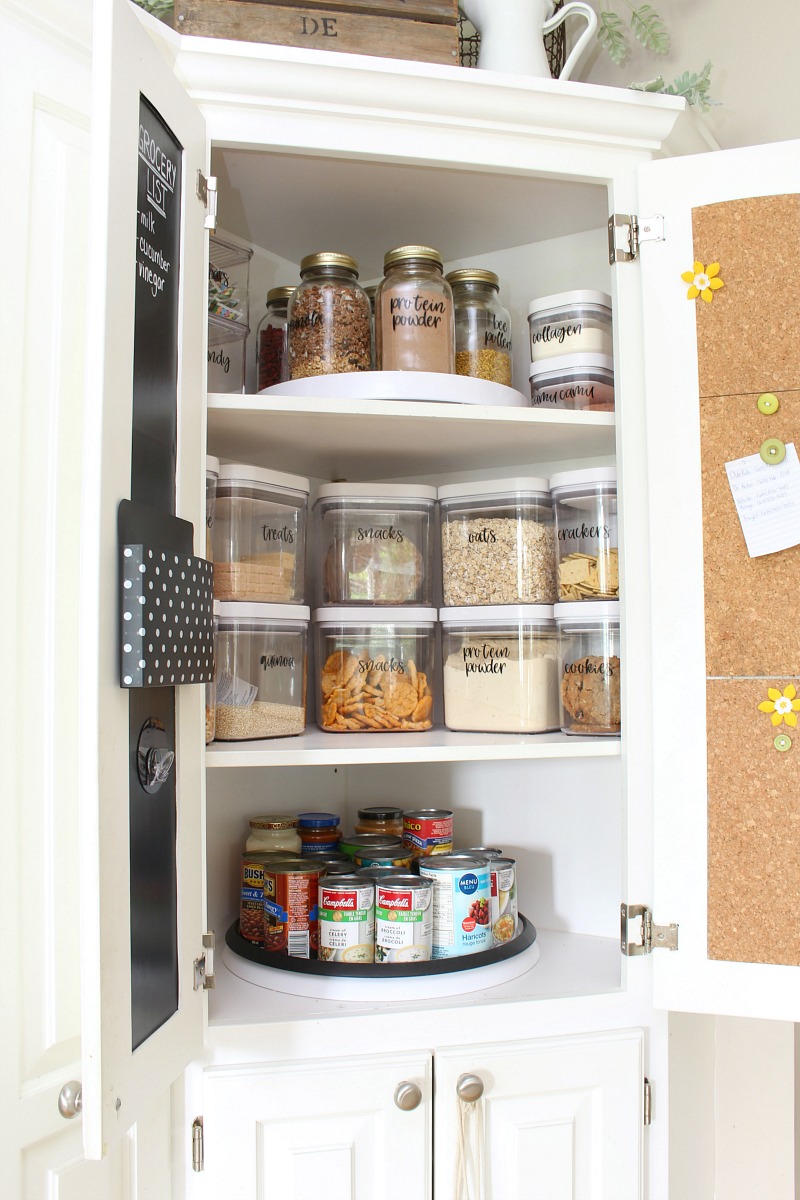
Image Source: www.cleanandscentsible.com
Why Cabinet Organization Matters
A well-organized kitchen isn’t just about aesthetics; it’s about function and peace of mind. When your cabinets are in order, you can:
- Save Time: No more hunting for that specific spice or pot. Everything has its place.
- Reduce Waste: You’ll see what you have, preventing duplicates and spoilage.
- Cook More Efficiently: Easy access to ingredients and tools makes meal prep a breeze.
- Enjoy Your Kitchen More: A tidy space is a more inviting and relaxing space.
- Prevent Accidents: Cluttered cabinets can lead to items falling and potential injury.
Step 1: The Great Kitchen Cabinet Declutter
Before we can organize, we must declutter. This is often the most challenging but also the most rewarding step in how to declutter kitchen cabinets.
The “Everything Out” Method
- Empty One Cabinet at a Time: Don’t try to tackle everything at once. This can be overwhelming. Start with a single cabinet or even a single shelf.
- Sort into Piles: As you empty, create distinct piles:
- Keep: Items you use regularly and love.
- Donate/Give Away: Items in good condition that you no longer need or use.
- Toss/Recycle: Broken items, expired food, or things you’ll never use again.
- Be Ruthless (But Realistic): Ask yourself these questions for each item:
- When was the last time I used this? (If over a year, consider letting it go.)
- Do I have multiples of this?
- Is it broken or damaged?
- Does it serve a purpose, or am I keeping it “just in case”?
- Does it bring me joy? (Yes, even for kitchen gadgets!)
Tackling Food Items
- Check Expiration Dates: Be vigilant with canned goods, spices, pasta, and baking supplies.
- Consolidate: Combine half-empty bags of the same item (e.g., flour, sugar, chips) into one container.
- Discard Stale or Unwanted: If you bought an ingredient for a specific recipe and will never use it again, it’s time to let it go.
Dealing with Utensils and Gadgets
- Broken or Rusty Items: Immediately discard these.
- Redundant Gadgets: Do you need three different peelers? Keep the best one.
- Specialty Items: If you haven’t used that avocado slicer or fancy melon baller in years, consider donating it.
Kitchen Cabinet Pantry Organization: Special Considerations
For your pantry cabinets, focus on:
- Expired Goods: This is non-negotiable.
- Stale Snacks or Opened Boxes: If they’re no longer fresh, they’re taking up space.
- Unwanted Ingredients: That obscure spice blend from three years ago? It’s probably time.
Step 2: Categorize and Conquer
Once you’ve decluttered, group similar items together. This is a fundamental principle of kitchen cabinet organization tips.
Common Categories
- Baking Supplies: Flour, sugar, baking powder, extracts, sprinkles.
- Spices & Seasonings: Keep these together for easy access.
- Oils & Vinegars: Cooking oils, olive oil, various vinegars.
- Canned Goods: Soups, vegetables, fruits, beans.
- Pasta & Grains: Spaghetti, rice, quinoa, oats.
- Breakfast Items: Cereal, oatmeal, pancake mix.
- Snacks: Chips, cookies, granola bars.
- Dishes: Everyday plates, bowls, mugs.
- Glasses & Drinkware: Water glasses, wine glasses, tumblers.
- Pots & Pans: Skillets, saucepans, baking sheets.
- Lids: A notorious category that needs special attention.
- Food Storage Containers: Tupperware and glass containers.
- Small Appliances: Toasters, blenders (if stored in cabinets).
- Cleaning Supplies: If stored in lower cabinets.
- Linens: Tea towels, placemats, napkins.
Step 3: Design Your Kitchen Cabinet Layout Ideas
Now that items are sorted and categorized, think about how you want your cabinets to function. Effective kitchen cabinet layout ideas will make your kitchen flow better.
Zone Your Kitchen
Think about the tasks you perform in your kitchen and group items accordingly.
- Prep Zone: Near your primary countertop. Store knives, cutting boards, mixing bowls, measuring cups, and spices.
- Cooking Zone: Near the stove/oven. Keep pots, pans, cooking utensils, oils, and seasonings here.
- Baking Zone: If you bake often, designate a cabinet for all your baking supplies.
- Dishware Zone: Near the dishwasher or sink. Store everyday plates, bowls, and cutlery.
- Coffee/Tea Station: Group mugs, coffee maker, tea, sugar, and filters.
- Pantry Zone: For all your non-perishable food items.
Optimizing for Access
- Frequently Used Items: Keep these at eye level or in lower, easily accessible cabinets.
- Less Frequently Used Items: Store seasonal items or specialty cookware on higher shelves or in less prominent cabinets.
- Heavy Items: Place heavy pots, pans, or appliances on lower shelves or in deep drawers to avoid strain and potential accidents.
Step 4: Implement Smart Kitchen Cabinet Organization Solutions
This is where kitchen cabinet storage solutions and kitchen cabinet organization products come into play. Using the right tools can dramatically improve efficiency and maximize kitchen cabinet space.
Maximizing Kitchen Cabinet Space: Vertical Storage
Many cabinets have unused vertical space. Here’s how to fill it:
- Adjustable Shelves: If your cabinets have fixed shelves, consider adding more or using shelf risers.
- Shelf Risers/Stackers: These create extra levels within a cabinet, perfect for plates, bowls, or canned goods.
- Vertical Dividers: Excellent for organizing baking sheets, cutting boards, and platters. They can also be used for lids.
Kitchen Cabinet Drawer Organization
Drawers are prime real estate for clutter. Effective kitchen cabinet drawer organization is key.
- Drawer Dividers: Adjustable or fixed dividers are essential for keeping cutlery, utensils, and gadgets from becoming a jumbled mess.
- Expandable Drawer Organizers: Great for items of varying sizes.
- Spice Drawer Inserts: If you have a deep drawer, tilt spice jars so labels are visible.
- Utensil Trays: Classic and effective for keeping smaller items separated.
Kitchen Cabinet Shelf Organization
Make the most of every shelf with these ideas:
- Stackable Bins and Containers: Use clear bins to group smaller items like spice packets, tea bags, or baking sprinkles. This allows you to pull out one bin to access everything inside.
- Turntables (Lazy Susans): Perfect for corner cabinets or for grouping oils, vinegars, condiments, or spices. They make it easy to access items at the back.
- Can Risers: These tiered shelves allow you to see all your canned goods at a glance, preventing items from getting lost in the back.
- Pull-Out Shelves/Drawers: If your budget allows, retrofitting cabinets with pull-out shelves can make accessing items at the back much easier.
Kitchen Cabinet Pantry Organization: Specific Strategies
- Airtight Containers: Decant dry goods like flour, sugar, pasta, rice, and cereal into uniform, airtight containers. This keeps food fresh, prevents spills, and creates a visually cohesive look.
- Tiered Shelving for Cans: As mentioned above, these are invaluable for pantry organization.
- Magazine Holders or File Sorters: Surprisingly effective for organizing boxes of snacks, small bags of pasta, or even foil and plastic wrap rolls.
- Baskets and Bins: Use them to group items like fruit, vegetables (onions, potatoes), or snack bags. Wire baskets allow for good airflow.
- Door Organizers: Over-the-door racks can hold spices, small jars, or cleaning supplies.
Smart Kitchen Cabinet Organization: Leveraging the Whole Space
- Back of Cabinet Doors: Use command hooks or small adhesive racks for lids, measuring spoons, or cleaning cloths.
- Under-Shelf Baskets: These slide onto existing shelves to add extra storage for smaller items.
- Corner Cabinet Solutions: Lazy Susans are a lifesaver for awkward corner cabinets. There are also specialized corner cabinet pull-out systems.
- Deep Cabinets: Use pull-out bins or stackable containers to prevent items from getting lost at the back.
Step 5: Maintain Your Organized Kitchen
Organization is not a one-time event; it’s an ongoing process.
Regular Tidy-Ups
- Weekly Reset: Spend 5-10 minutes each week putting things back in their designated spots.
- Monthly Check-ins: Do a quick scan of your pantry and fridge for expired items or things you won’t use.
Labeling
- Label Everything: Especially for decanted pantry items. This helps everyone in the household know where things belong. Use a label maker, chalk markers on containers, or simple sticker labels.
System Adjustment
- Adapt as Needed: Your cooking habits or family needs might change. Don’t be afraid to tweak your system if something isn’t working.
Popular Kitchen Cabinet Organization Products
Investing in the right kitchen cabinet organization products can make a huge difference. Here are some popular and effective options:
| Product Type | Best For | Benefits |
|---|---|---|
| Shelf Risers | Plates, bowls, mugs, canned goods, pantry items | Creates extra storage levels, maximizes vertical space, makes items visible. |
| Turntables (Lazy Susans) | Spices, oils, vinegars, condiments, cleaning supplies, corner cabinets | Easy access to items at the back, rotates smoothly, prevents digging. |
| Drawer Dividers | Cutlery, utensils, gadgets, junk drawer items | Keeps items separated, prevents jumbling, makes drawers neat and functional. |
| Stackable Bins/Containers | Small packets, snacks, baking supplies, craft items | Groups small items, keeps them contained, easy to pull out and access. |
| Airtight Food Containers | Flour, sugar, pasta, rice, cereal, dry goods | Keeps food fresh, prevents pests, creates uniform look, stackable. |
| Can Risers | Canned goods | Allows you to see all cans at once, prevents items from hiding in the back. |
| Vertical Pan/Lid Organizers | Baking sheets, cutting boards, platters, pot lids | Stores items upright, saves space, prevents scratching, easy to grab. |
| Over-the-Door Organizers | Spices, cleaning supplies, small jars, towels | Utilizes unused door space, keeps items accessible and visible. |
| Pull-Out Shelves/Drawers | Pots, pans, small appliances, heavy items, deep cabinets | Makes accessing items at the back easy, reduces bending, prevents lost items. |
| Spice Racks | Spices | Keeps spices organized, visible, and easily accessible, whether wall-mounted, in-drawer, or tiered. |
Frequently Asked Questions (FAQ)
Q1: How often should I declutter my kitchen cabinets?
A1: It’s a good idea to do a quick declutter every 3-6 months. A more thorough declutter and organization session once a year is also beneficial.
Q2: What is the best way to organize pots and pans?
A2: Stack them if they fit without scratching. Otherwise, use vertical pan organizers or nesting pots to save space. Store lids separately using vertical dividers or door organizers.
Q3: How do I organize my spices so I can see them all?
A3: Use tiered spice racks, turntable organizers, or drawer inserts that allow spices to lie flat or tilt forward so labels are visible.
Q4: Can I use baskets for organizing my kitchen cabinets?
A4: Yes, baskets are excellent for grouping items like produce, snacks, or cleaning supplies. Clear baskets are ideal for pantry items so you can see contents easily.
Q5: How do I deal with a small kitchen with limited cabinet space?
A5: Focus on maximizing vertical space with shelf risers and stacking containers. Utilize the backs of cabinet doors and consider multi-functional organizers. Decluttering aggressively is crucial in small spaces.
Q6: What are some inexpensive kitchen cabinet organization solutions?
A6: Repurpose items like shoeboxes or old containers for drawers, use magazine holders for boxes, and invest in affordable shelf risers and turntables from discount stores. DIY drawer dividers are also an option.
By following these steps, you can transform your kitchen cabinets into highly functional and visually appealing spaces. A little effort can go a long way in making your kitchen a more enjoyable place to be!