
Can you install kitchen countertops yourself? Yes, with patience and the right tools, many homeowners can tackle a DIY countertop installation. This guide will walk you through the process, covering everything from preparing your space to the final touches. We’ll explore different countertop materials and what’s involved with each.
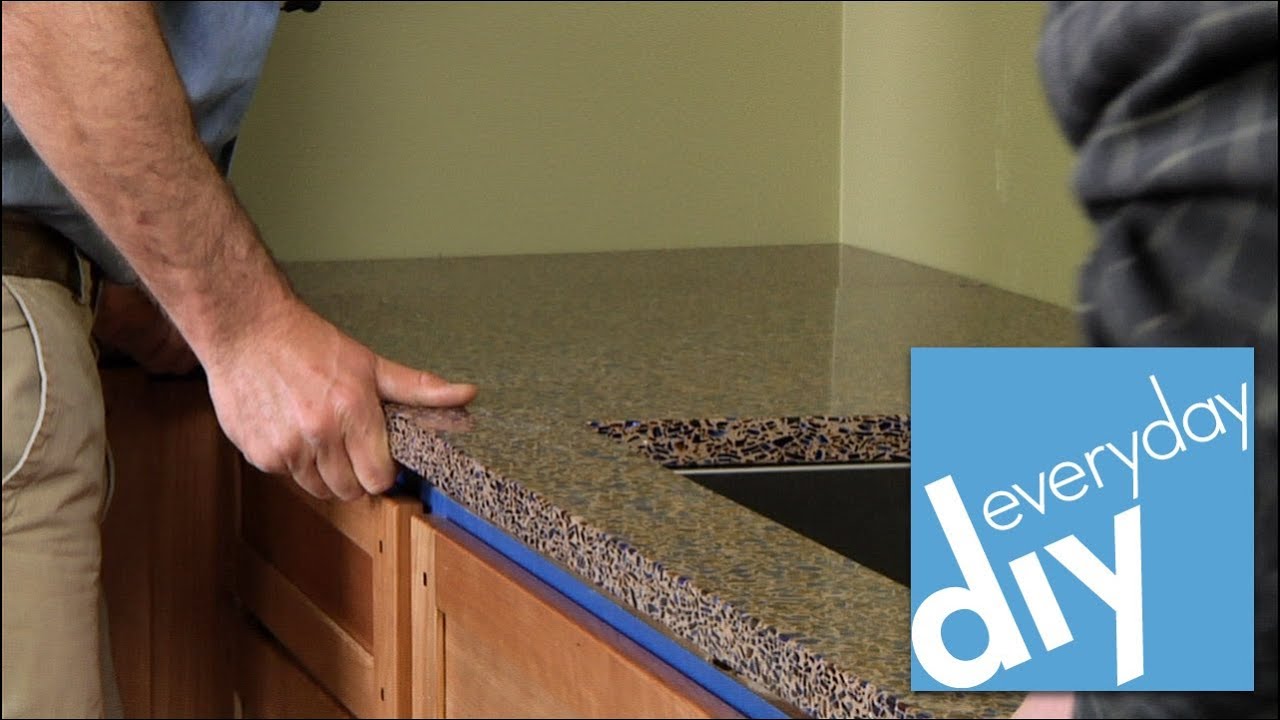
Image Source: i.ytimg.com
Getting Ready for Your Countertop Project
Before you can install new countertops, proper preparation is key. This involves clearing your old countertops, checking your cabinets, and gathering all necessary tools and materials.
Preparing Your Kitchen Space
- Clear the Area: Remove everything from your old countertops and cabinets. Empty drawers and shelves.
- Protect Your Floors: Cover your kitchen floor with drop cloths or old blankets to prevent scratches or damage from dropped tools or materials.
- Disconnect Utilities: If you have a sink or cooktop to remove, turn off the water supply under the sink and shut off the electricity to your cooktop.
Checking Your Cabinets
Your kitchen cabinets are the foundation for your new countertops. They need to be level and sturdy.
- Level Check: Use a spirit level to ensure your cabinet tops are perfectly level. If they are not, you may need to shim them to create a stable base.
- Structural Integrity: Make sure cabinets are securely fastened to the wall and floor. Loose cabinets can cause your new countertops to shift or crack.
- Support for Heavy Materials: For heavier materials like granite or quartz, ensure your cabinets can bear the weight. You might need to add extra support bracing inside the cabinets, especially for overhangs.
Essential Tools and Materials
Gathering all your supplies beforehand will make the installation process smoother.
Tool Checklist:
- Tape Measure
- Pencil
- Safety Glasses
- Work Gloves
- Utility Knife
- Pry Bar
- Caulking Gun
- Spirit Level (4-foot recommended)
- Screwdriver Set (Phillips and flathead)
- Drill with various bits
- Circular Saw (if cutting is needed)
- Jigsaw (for sink cutouts)
- Orbital Sander
- Putty Knife
- Clamps (bar clamps, C-clamps)
- Hammer
- Stud Finder
- Caulk Scraper
Material Checklist:
- Your chosen countertops
- Countertop adhesive or silicone sealant
- Shims (wood or composite)
- Screws (if needed for support)
- Sandpaper (various grits)
- Cleaning supplies (rags, degreaser, glass cleaner)
- Countertop cleaner and polish (material-specific)
Different Countertop Materials and Installation Nuances
Each countertop material has its own installation requirements and challenges. Knowing these will help you choose the right material for your DIY project.
Laminate Countertops Installation
Laminate countertops installation is often favored by DIYers due to their affordability and lighter weight. They typically come in pre-fabricated lengths and can be cut to size.
- Cutting Laminate: Use a fine-tooth circular saw blade to make clean cuts. Run the saw blade in reverse (teeth pointing away from you) to prevent chipping the laminate surface.
- Adhesive: Laminate countertops are usually attached to particleboard or plywood cores. They are often glued to the substrate, and then the edges are finished with laminate edging strips.
- Seams: Where two laminate pieces meet, a seam is unavoidable. Using a laminate seam kit or a high-quality adhesive designed for laminates is crucial for a smooth, durable seam.
Granite Countertop Installation
Granite countertop installation is a job that can be rewarding but challenging due to the weight and fragility of granite slabs. Many people opt for professional installation for granite.
- Weight: Granite is extremely heavy. You will likely need at least two strong people to lift and maneuver slabs. Consider renting lifting equipment if necessary.
- Seams: Granite seams should be as minimal as possible. Precise countertop template creation is essential for a good fit. Slabs are typically held together with epoxy or a specialized stone adhesive.
- Support: Granite requires robust cabinet support, especially for island countertops with overhangs.
- Finishing: Edges might need polishing or specific edge profiles, which often requires specialized tools and expertise.
Quartz Countertop Installation
Quartz countertop installation is similar to granite in terms of weight and handling. Quartz is engineered, which can make it more consistent but also harder to cut.
- Cutting Quartz: Special diamond-tipped blades are needed for cutting quartz. Water cooling systems are often used to prevent the blades from overheating and to minimize dust.
- Seams: Like granite, quartz seams should be minimized. High-quality countertop adhesive in a color matching the quartz is used to bond seams.
- Templating: Accurate countertop template creation is critical for a precise fit.
- Sealing: Quartz is non-porous and does not require sealing, which is a significant advantage over natural stone.
Butcher Block Countertop Installation
Butcher block countertop installation is a popular choice for its warmth and natural look. It’s generally more DIY-friendly than stone.
- Preparation: Butcher block often comes unfinished. It needs to be sanded smooth and finished with food-safe mineral oil or a sealant appropriate for wood.
- Adhesive: Butcher block can be attached to cabinets using construction adhesive or screws from the underside of the cabinets.
- Expansion: Wood expands and contracts with changes in humidity. Allow for this by not rigidly fixing the butcher block to the cabinets. Drill oversized holes in the cabinet support cleats and use screws with washers to allow for movement.
- Edge Finishing: The edges can be left square or eased with sandpaper. You can also apply a specific edge treatment if desired.
Marble Countertop Installation
Marble countertop installation requires careful handling due to marble’s natural softness and porous nature. It etches and stains more easily than granite or quartz.
- Weight and Fragility: Marble slabs are heavy and can be prone to chipping or breaking if not handled with care.
- Seams: Similar to granite, minimize seams and use a high-quality stone adhesive for bonding. Precise countertop template creation is crucial.
- Sealing: Marble absolutely needs to be sealed to protect it from stains and etching. Multiple coats of a good quality stone sealer are typically required.
- Edge Finishing: Marble edges can be finished in various profiles, but care must be taken to avoid chipping.
Step-by-Step DIY Countertop Installation Guide
Here’s a general guide that applies to most countertop materials. Always refer to the manufacturer’s specific installation instructions for your chosen material.
Step 1: Removing Old Countertops
This is often the most physically demanding part.
- Disconnect Fixtures: If you have a sink or cooktop, disconnect the plumbing and electrical connections. Remove the sink and faucet assembly.
- Break the Seal: Use a utility knife to cut any caulk or adhesive around the edges of the old countertop where it meets the backsplash or wall.
- Loosen Fasteners: From inside your cabinets, locate and remove any screws or clips that secure the old countertop to the cabinets.
- Pry Carefully: Gently pry up the old countertop. Start at a corner. Work your way around, using a pry bar and a scrap piece of wood to protect your cabinets from damage. Be prepared for it to be heavy or awkward.
- Dispose: Safely dispose of the old countertop material.
Step 2: Preparing the Cabinets
Once the old countertops are off, you need to prepare the cabinet base.
- Clean the Cabinet Tops: Remove any old adhesive, caulk, or debris from the tops of your cabinets. A putty knife and degreaser can be helpful here.
- Check for Level: Place your spirit level on the cabinet tops. If they are not level, use composite or wood shims to adjust them. Place shims between the cabinet boxes and the countertop. Mark where shims are needed and secure them with a small amount of countertop adhesive or screws if appropriate.
- Add Support (If Needed): For heavier materials or countertops with significant overhangs, add extra support cleats or bracing inside the cabinets. Screw these securely into the cabinet sides.
Step 3: Creating Countertop Templates
Accurate templates are vital for a perfect fit, especially for intricate shapes or stone materials. Many countertop suppliers offer professional templating services. If you’re doing it yourself:
- Materials: Use thin, flexible material like luan plywood, poster board, or specialized templating plastic.
- Placement: Lay the template material over the cabinets. For L-shaped or U-shaped kitchens, you’ll need to create separate templates for each section.
- Trace and Cut: Carefully trace the exact outline of your cabinets onto the template material. Pay close attention to walls, backsplashes, and any other fixed elements. Cut out the templates using a utility knife or jigsaw.
- Accuracy Check: Ensure the templates fit perfectly onto the cabinets. If you have a sink or cooktop cutout, transfer those dimensions accurately. Label each template piece clearly (e.g., “Left Section,” “Island Top”).
Step 4: Cutting and Fitting the New Countertop
This step depends heavily on your material.
- Pre-fabricated Pieces: For laminate or pre-cut solid surface countertops, you might only need to trim to size. Measure and mark carefully. Use the appropriate saw for the material.
- Slabs (Granite, Quartz, Marble): If you purchased slabs, you’ll need to cut them according to your templates. This is where a professional fabricator is often recommended. If DIYing, use a wet saw with a diamond blade for stone and quartz. For butcher block, a circular saw is suitable.
- Sink Cutouts: Use a jigsaw with a fine-tooth blade to cut out openings for sinks or cooktops. Trace the sink cutout pattern onto the underside of the countertop before cutting. Support the cutout piece from below as you finish the cut to prevent it from falling and chipping.
Step 5: Edge Finishing and Seams
This is where the aesthetic appeal comes together.
Countertop Edge Finishing:
- Laminate: Laminate edges are often finished with matching laminate strips applied with contact cement and then trimmed flush with a router or file.
- Wood (Butcher Block): Sand edges smooth. You can use a router to create a rounded or beveled edge. Apply stain or sealant.
- Stone/Quartz: Edges are typically machined with specialized tools to create profiles like bullnose, bevel, or ogee. This is often done by the fabricator. For DIY, simple eased edges can be achieved with an orbital sander and progressively finer grit sandpaper, followed by polishing compounds.
Joining Seams:
- Dry Fit: Place the countertop sections in their final positions to check the fit. Make any necessary adjustments.
- Prepare Seams: Ensure the edges to be joined are perfectly clean and smooth. Lightly sand the edges if recommended by the manufacturer.
- Apply Adhesive: Use a high-quality countertop adhesive (e.g., silicone caulk for some materials, epoxy for stone/quartz) in a bead along one of the edges to be joined. Choose an adhesive that is specifically designed for your countertop material and is paintable or caulkable if needed.
- Bring Pieces Together: Carefully bring the two sections together.
- Clamp and Align: Use bar clamps or C-clamps to pull the seam tightly together. Place scrap wood between the clamps and the countertop to prevent damage. Ensure the tops of the seams are perfectly flush.
- Wipe Excess Adhesive: Immediately wipe away any excess adhesive that squeezes out with a damp cloth or the recommended solvent. For epoxy, you may have a few minutes before it begins to set.
- Curing: Allow the adhesive to cure completely according to the manufacturer’s instructions, typically 24 hours. Do not remove clamps during this time.
Step 6: Installing the Countertop
With seams secured and edges finished, it’s time to place the countertops.
- Lift and Position: With help, carefully lift the countertop sections and position them onto the prepared cabinets.
- Check for Fit and Level: Ensure the countertop sits flush against walls and backsplashes. Double-check that it’s level. Make any minor adjustments with shims if needed.
- Secure the Countertop: Attach the countertop to the cabinets.
- Laminate/Wood: You can often screw up through the cabinet support cleats into the underside of the countertop. Use screws that are the correct length – you don’t want them to poke through the top surface.
- Stone/Quartz: These are typically secured with a bead of countertop adhesive or silicone caulk along the top edge of the cabinet cabinets. Some installers also use clips from the underside if the cabinet design allows.
- Install Sink and Faucet: Reconnect the sink and faucet. Use plumber’s putty or silicone caulk to create a watertight seal between the sink and the countertop.
Step 7: Final Touches and Sealing
The last steps bring everything together.
Countertop Sealing:
-
For Porous Materials (Granite, Marble, Wood): Countertop sealing is crucial.
- Clean Thoroughly: Ensure the countertop surface is completely clean and dry.
- Apply Sealer: Apply a high-quality impregnating sealer specifically designed for your countertop material. Follow the product instructions carefully. Usually, you apply it with a clean cloth, allow it to penetrate, and then wipe off any excess.
- Multiple Coats: For natural stone, multiple coats may be needed. Allow each coat to cure before applying the next.
- Frequency: Sealing needs to be done periodically (every 6-12 months for marble, annually for granite) to maintain protection. Butcher block needs regular oiling or sealing.
-
For Non-Porous Materials (Quartz, Laminate): Sealing is generally not required. Follow manufacturer recommendations for cleaning and maintenance.
Step 8: Clean Up
- Remove Protective Coverings: Take off drop cloths and any protective film from the new countertops.
- Clean the Surface: Use a cleaner appropriate for your countertop material to remove any fingerprints or smudges.
- Caulk Backsplash: Apply a bead of silicone caulk along the joint where the countertop meets the backsplash to seal out moisture and prevent spills from getting behind the counter. Smooth the caulk line with a wet finger or a caulk tool.
Frequently Asked Questions About Countertop Installation
Q1: How much weight can kitchen countertops support?
A: The weight capacity varies by material and cabinet support. Granite and quartz are very strong but heavy, requiring sturdy cabinets. Laminate is lighter. Always check manufacturer specifications and ensure cabinets are well-supported, especially for islands and overhangs.
Q2: Can I install a sink myself?
A: Yes, installing a sink is generally manageable for DIYers. It involves disconnecting old plumbing, securing the new sink to the countertop using clips and a sealant (like silicone caulk or plumber’s putty), and reconnecting the plumbing. Ensure all connections are watertight.
Q3: What is the best adhesive for countertops?
A: The best adhesive depends on the material. For stone and quartz, epoxy adhesives specifically formulated for stone are common. For laminate, contact cement or specialized laminate adhesive is used. Silicone caulk is often used to adhere solid surface countertops to cabinets and for sealing seams and backsplashes. Always use products recommended by the countertop manufacturer.
Q4: How do I cut a seamless countertop?
A: True seamless countertops are rare outside of solid surface materials like Corian or specific resin-based products, which are often professionally fabricated. For natural stone and quartz, the goal is to create minimal, tight seams. This is achieved through precise countertop template creation and careful edge preparation before bonding with a color-matched epoxy.
Q5: What maintenance is required for different countertop materials?
A:
* Laminate: Easy to clean with soap and water. Avoid abrasive cleaners.
* Granite: Needs regular sealing. Clean with mild soap and water. Avoid harsh chemicals.
* Quartz: Non-porous, so it resists stains. Clean with mild soap and water or specialized quartz cleaners. Avoid abrasive pads.
* Butcher Block: Requires regular oiling with food-grade mineral oil to prevent drying and cracking. Sand and reseal as needed.
* Marble: Highly porous and prone to etching. Requires frequent sealing and careful cleaning with pH-neutral cleaners. Blot spills immediately.
By following these detailed steps and considering the unique needs of your chosen material, you can successfully complete your DIY countertop installation and enjoy a beautifully upgraded kitchen. Remember to prioritize safety and accuracy throughout the process.