
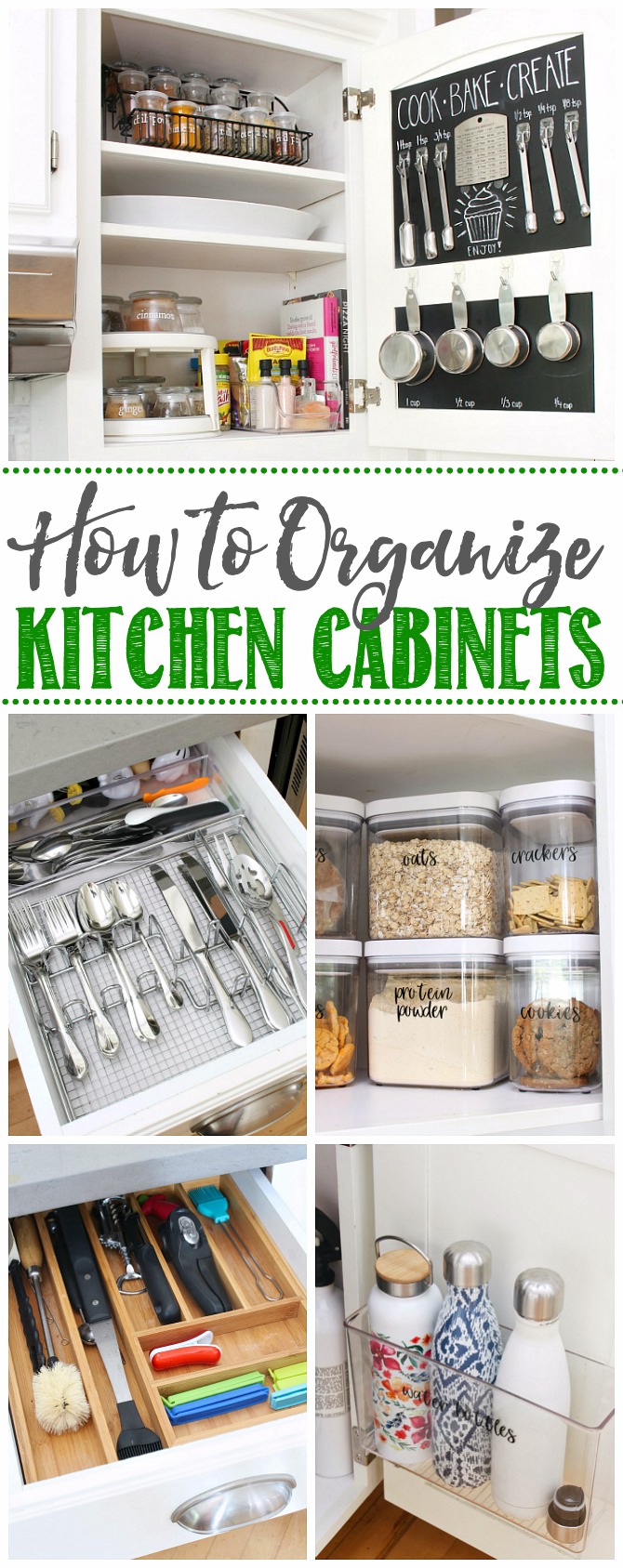
Image Source: www.cleanandscentsible.com
How To Arrange Things In Kitchen Cabinet: Maximize Space
Can I arrange things in my kitchen cabinets to maximize space? Yes, absolutely! By implementing smart strategies and utilizing clever kitchen storage hacks, you can transform cluttered cabinets into organized, efficient spaces, making your kitchen a joy to work in.
Having a well-organized kitchen is like having a secret weapon against chaos. When your kitchen cabinet organization is on point, finding what you need becomes effortless, cooking feels less like a chore, and even washing dishes can be a more pleasant experience. But how do you achieve this coveted state of culinary order? It all starts with a systematic approach to kitchen cabinet organization. This guide will walk you through the steps to maximize space and bring serenity back to your kitchen.
Decluttering Your Kitchen Cabinets: The First Step to Order
Before you can rearrange, you must first declutter. This is the most crucial step in decluttering kitchen cabinets. Grab a trash bag and a donation box, and let’s get started.
The Great Cabinet Purge: What to Keep, Donate, or Toss
- Expired Items: Check all food items, spices, and even cleaning supplies for expiration dates. Toss anything past its prime.
- Unused Gadgets: Do you have that avocado slicer or banana slicer that you’ve used once (or never)? If it’s not a regular part of your cooking, consider donating it.
- Broken or Damaged Items: chipped mugs, cracked bowls, bent utensils – these have no place in your organized cabinets.
- Duplicate Items: How many whisks do you really need? Keep the best ones and donate the rest.
- “Just in Case” Items: Be honest with yourself. If you haven’t used something in a year, chances are you won’t.
- Containers Without Lids (and vice versa): These are the bane of organized cabinets. If you can’t find the matching lid, it’s time to let it go.
Sorting and Categorizing: Grouping Like with Like
Once you’ve purged, it’s time to sort. Group similar items together. This makes it easier to see what you have and where it should go.
- Dishes: Plates, bowls, cups, mugs.
- Cookware: Pots, pans, baking sheets.
- Utensils: Cooking spoons, spatulas, whisks.
- Food Storage: Food storage containers, plastic wrap, foil.
- Spices and Seasonings: Spice rack solutions should be considered here.
- Small Appliances: Toasters, blenders, mixers.
- Baking Supplies: Flour, sugar, baking soda.
- Oils and Vinegars: Cooking oils, salad dressings.
Strategic Cabinet Arrangement: Maximizing Every Inch
Now that you’ve decluttered, it’s time to put things back in a way that maximizes space and makes sense for your cooking habits.
H3: Zone Your Kitchen for Efficiency
Think of your kitchen as having different work zones:
- Prep Zone: Near your main counter space. Store knives, cutting boards, mixing bowls, and frequently used spices here.
- Cooking Zone: Near the stove and oven. Keep pots, pans, cooking utensils, and oven mitts accessible.
- Baking Zone: For those who love to bake. Store flour, sugar, baking pans, measuring cups, and cookie cutters together.
- Dishware Zone: Near the dishwasher or sink. Store everyday plates, bowls, and glasses here.
- Pantry Zone: For dry goods and non-perishables. Pantry shelf ideas are key for this area.
H3: Stacking Smarter: Vertical Storage is Your Friend
The key to maximizing cabinet space is to think vertically.
H4: Utilize Risers and Tiered Shelves
These are game-changers for cabinet organization. They allow you to stack items without creating precarious towers.
- Plate Risers: Create an extra level for plates or bowls.
- Tiered Spice Racks: Perfect for spice rack solutions, these let you see all your spices at a glance.
- Cabinet Shelving Units: These can be stacked to create multiple levels within a single cabinet.
H4: Stack Pots and Pans Thoughtfully
- Nesting Cookware: If you have nesting pots and pans, use them!
- Pan Organizers: Vertical pan racks or dividers can prevent scratches and make it easy to grab the pan you need.
- Lid Organizers: Store pot lids vertically in a rack or in a dedicated cabinet drawer.
H3: Drawer Organization: Taming the Utensil Chaos
Organizing kitchen drawers is just as important as cabinet organization. Cluttered drawers can be just as frustrating as overflowing cabinets.
H4: Drawer Dividers and Inserts
These are essential for keeping utensils, gadgets, and cutlery in their rightful places.
- Adjustable Dividers: Customize your drawer space to fit your specific items.
- Bamboo or Metal Inserts: Durable and stylish options for cutlery.
- Deep Drawer Organizers: Ideal for larger kitchen tools like spatulas and whisks.
H4: Kitchen Utensil Organization Hacks
- Vertical Storage: For larger utensils like whisks, ladles, and spatulas, consider using a utensil crock or a drawer organizer that allows for vertical storage.
- Grouping by Function: Keep all your baking utensils together, all your stirring spoons together, etc.
- Knife Blocks or In-Drawer Knife Organizers: Safety first! Keep your knives secure and sharp.
H3: The Power of Food Storage Containers and Pantry Shelf Ideas
Effective storage is crucial for keeping your pantry and cabinets tidy and your food fresh.
H4: Investing in Quality Food Storage Containers
- Airtight Seals: These keep food fresh longer and prevent spills.
- Stackable Designs: Look for containers that stack neatly to save space.
- Uniformity: Using a set of matching food storage containers creates a visually appealing and organized look.
- Square or Rectangular Shapes: These are more space-efficient than round containers.
H4: Implementing Smart Pantry Shelf Ideas
- Clear Bins and Baskets: Group similar items like snacks, baking supplies, or breakfast foods. Clear bins allow you to see contents easily.
- Lazy Susans (Turntables): Perfect for corners or deep shelves. They make it easy to access items like oils, vinegars, or jars of spices without having to reach to the back.
- Tiered Shelving for Cans: These allow you to see all your canned goods at a glance, preventing items from getting lost.
- Door Organizers: Utilize the back of pantry doors for spices, small jars, or cleaning supplies.
H3: Making the Most of Cabinet Shelf Liners
Cabinet shelf liners might seem like a small detail, but they play a big role in organization and protection.
H4: Benefits of Using Shelf Liners
- Protection: They protect your cabinet shelves from spills, scratches, and food residue.
- Grip: Many liners offer a non-slip surface, preventing items from sliding around, especially when opening and closing doors.
- Easy Cleaning: Spills can be wiped up easily from the liner instead of having to clean the entire shelf.
- Aesthetic Appeal: Liners can add a pop of color or a clean, modern look to your cabinets.
H4: Choosing the Right Shelf Liner
- Contact Paper: Available in a huge variety of patterns and colors. Easy to clean but can be trickier to apply.
- Vinyl or Rubber Liners: Excellent for grip and easy to wipe clean.
- Peva Liners: Often water-resistant and durable.
H3: Specific Item Storage Strategies
Let’s delve into some specific item categories and how to store them efficiently.
H4: Storing Spices: Beyond the Basic Jar
Spice rack solutions are plentiful, and choosing the right one can significantly impact your kitchen’s flow.
- Tiered Racks: As mentioned, these allow visibility.
- In-Drawer Spice Organizers: Lay your spice jars flat in a drawer with angled inserts.
- Magnetic Spice Racks: Mount these on the refrigerator or a metal board.
- Wall-Mounted Spice Racks: Frees up cabinet space.
- Labeling: Regardless of the rack, clear labels are crucial.
H4: Dishware and Glassware Placement
- Everyday Items: Place these in easily accessible cabinets closest to your dishwasher or sink.
- Stacking: Stack plates and bowls neatly. Consider using plate risers for deeper cabinets.
- Glasses and Mugs: Store them on upper shelves or in cabinets. Use mug hooks if you have the space.
- Fine China/Occasional Ware: Store these in less-used cabinets, ideally with protective padding.
H4: Storing Pots, Pans, and Bakeware
- Heavy Items: Store heavier pots and pans on lower shelves or in easily accessible cabinets.
- Vertical Storage: Utilize pan organizers or vertical dividers to store frying pans and baking sheets.
- Lids: Store lids separately in a lid organizer or in a dedicated drawer.
H4: Dealing with Small Appliances
- Frequency of Use: Store frequently used appliances (like the toaster or coffee maker) on countertops for easy access.
- Less Frequent Appliances: Store blenders, mixers, or slow cookers in larger cabinets or pantry areas.
- Consider Decluttering: If you have appliances you rarely use, consider donating them.
H3: Kitchen Storage Hacks for Smaller Spaces
Living in a smaller home doesn’t mean you have to sacrifice organization.
H4: Over-the-Door Organizers
These are fantastic for maximizing vertical space on cabinet doors or pantry doors. Use them for spices, cleaning supplies, or even small food items.
H4: Cabinet Door Organizers
Similar to over-the-door, these attach to the inside of cabinet doors for added storage. Think small racks for lids or cutting boards.
H4: Tension Rods
These simple rods can be used in multiple ways:
- Under Sink: Create a mini-shelf for cleaning supplies.
- Inside Cabinets: Hang spray bottles or store pot lids vertically.
H4: Using the Space Above Cabinets
If you have space above your upper cabinets, use decorative bins or baskets to store infrequently used items like seasonal serveware or extra linens.
Maintaining Your Organized Kitchen
Organization is not a one-time event; it’s an ongoing process.
H3: Regular Check-ins and Tidying
- Weekly Tidy: Take a few minutes each week to put stray items back in their designated places.
- Monthly Deep Dive: Once a month, do a quick review of your cabinets and drawers to catch any new clutter.
H3: The “One In, One Out” Rule
When you buy a new kitchen item, try to get rid of a similar item. This prevents the accumulation of duplicates and unnecessary clutter.
Frequently Asked Questions (FAQ)
Q1: How often should I declutter my kitchen cabinets?
It’s a good idea to do a thorough declutter at least twice a year. However, a quick tidy-up weekly or monthly can prevent major clutter buildup.
Q2: What are the best solutions for organizing pots and pans?
Vertical pan organizers, drawer inserts, and nesting cookware are excellent solutions. Consider storing lids separately in a lid organizer.
Q3: I have very deep cabinets. How can I maximize the space?
Use stackable shelving units, pull-out drawers or baskets, and lazy Susans to bring items from the back to the front.
Q4: Is it better to store spices in a drawer or on a shelf?
This is a matter of personal preference. In-drawer spice organizers offer great visibility and keep them out of sight. Shelf-based spice racks, especially tiered ones, make them readily accessible while cooking.
Q5: My kitchen is small. What are the best kitchen storage hacks for limited space?
Utilize over-the-door organizers, cabinet door organizers, tension rods, and vertical storage solutions. Think about every available inch of space.
By following these tips and tricks for kitchen cabinet organization, you can transform your kitchen into a haven of efficiency and order. Happy organizing!