
Are there roaches in your kitchen? Yes, you can get rid of roaches in the kitchen by combining thorough cleaning, effective treatments, and preventative measures.
Roaches are unwelcome guests in any home, and the kitchen is their prime real estate. These resilient pests thrive on food, water, and shelter, all of which are readily available in our culinary spaces. Facing a cockroach infestation can be disheartening, but with the right knowledge and a consistent approach, you can reclaim your kitchen and keep these unwanted visitors out for good. This comprehensive guide will walk you through proven methods for kitchen roach control, from immediate extermination to long-term prevention.
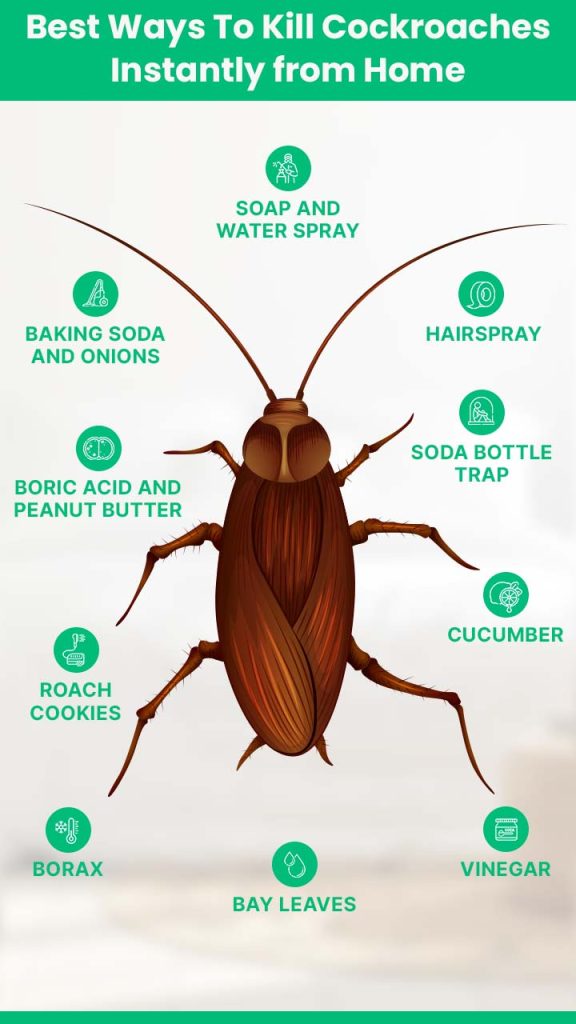
Image Source: hicare.in
Why Roaches Invade Your Kitchen
Before we dive into solutions, let’s briefly touch upon why roaches find your kitchen so appealing. These nocturnal creatures are attracted to:
- Food sources: Crumbs, spills, open packages of food, pet food, and even grease buildup are all gourmet meals for roaches.
- Water sources: Leaky pipes, condensation from refrigerators, damp sponges, and dirty dishes in the sink provide essential hydration.
- Shelter: Roaches love dark, warm, and humid places. They hide in cracks, crevices, behind appliances, under sinks, and inside cabinets.
Effective Strategies for Kitchen Roach Control
Getting rid of roaches requires a multi-pronged approach. It’s not just about killing the ones you see; it’s about eliminating their food and water sources, destroying their hiding places, and targeting their reproductive cycles.
Step 1: Deep Cleaning and Kitchen Sanitation
The cornerstone of any successful roach control plan is impeccable kitchen sanitation. Roaches cannot survive without food and water, so making your kitchen inhospitable is your first and most crucial line of defense.
Thorough Cleaning Routines
- Daily Cleaning:
- Wipe down all countertops and surfaces after every meal.
- Sweep or vacuum the kitchen floor daily to remove crumbs and debris.
- Wash all dishes immediately after use. Don’t leave them in the sink overnight.
- Clean up any spills or food debris promptly.
- Weekly Deep Cleaning:
- Clean out the refrigerator, including shelves and drawers, discarding old food.
- Wipe down the inside and outside of appliances like the microwave, toaster, and oven.
- Clean behind and under appliances where grease and food particles can accumulate.
- Scrub sinks and faucets, ensuring no standing water.
- Empty and clean trash cans and recycling bins. Use bins with tight-fitting lids.
- Mop the kitchen floor thoroughly.
Eliminating Food Sources
- Seal Food: Store all food, including pet food, in airtight containers made of glass, metal, or sturdy plastic. Roaches can chew through cardboard and thin plastic packaging.
- Clean Appliances: Regularly clean the interiors of microwaves, ovens, and toasters. Pay attention to grease traps and crumb trays.
- Trash Management:
- Empty kitchen trash daily, especially if it contains food scraps.
- Use trash cans with tight-fitting lids to prevent roaches from accessing waste.
- Rinse recyclable items before placing them in the bin.
Eliminating Water Sources
- Fix Leaks: Promptly repair any leaky pipes or faucets under sinks or behind appliances.
- Dry Surfaces: Wipe down sinks, countertops, and appliance surfaces to remove any standing water.
- Damp Cloths: Do not leave damp sponges or dishcloths lying around. Wring them out and allow them to dry, or wash them regularly.
- Pet Water Bowls: Empty and clean pet water bowls overnight if possible, or ensure they are not sitting in puddles.
Step 2: Identifying and Sealing Entry Points
Roaches can enter your home through tiny openings. Sealing these entry points is vital to prevent new infestations and to contain existing ones.
Common Entry Points
- Cracks and Crevices: Roaches can squeeze through very small cracks in walls, foundations, and around windows and doors.
- Plumbing and Utilities: Gaps around pipes, electrical wiring, and vents entering the kitchen can serve as entry points.
- Vents and Drains: Open or poorly screened vents and drains can allow roaches to enter from outside or from lower levels of the building.
- Delivery Items: Roaches can hitchhike into your home on grocery bags, cardboard boxes, and even new appliances.
Sealing Methods
- Caulking: Use caulk to seal cracks and crevices in walls, baseboards, and around windows and doors.
- Weatherstripping: Ensure doors and windows have proper weatherstripping to create a tight seal.
- Screens: Repair or replace damaged window and door screens.
- Pipe Collars: Install rubber collars around pipes where they enter walls or floors.
Step 3: Targeted Roach Control Methods
Once your kitchen is clean and sealed, it’s time to tackle the roaches that are already present. A combination of methods is often most effective.
Cockroach Baits
Cockroach baits are highly effective because they work by poisoning the roaches, which then die and can even poison other roaches that consume their carcasses. This is known as secondary kill.
- How they work: Baits typically contain an active insecticide mixed with a food attractant. Roaches eat the bait and carry it back to their hiding places, where they die.
- Placement: Place baits in areas where you’ve seen roach activity, such as under sinks, behind appliances, in cabinets, and along baseboards. Avoid placing them on surfaces where food is prepared.
- Types of Baits:
- Gel Baits: These come in syringes and are applied in small dots or lines in cracks and crevices. They are very effective for targeting specific hiding spots.
- Bait Stations: These are small plastic containers that hold the bait. They are safe to use around children and pets, as they prevent direct contact with the bait.
Cockroach Traps
Cockroach traps are useful for monitoring the extent of an infestation and catching roaming roaches. They are generally less effective for eliminating a large infestation on their own but are a good supplement to other methods.
- Sticky Traps: These traps have a sticky surface that catches roaches. Place them along walls, under appliances, and in areas where you suspect roaches are traveling.
- Bait Traps: Some traps contain a bait to lure roaches into a container from which they cannot escape.
Cockroach Spray
Cockroach spray can be used for direct contact kills and as a residual treatment in cracks and crevices. However, it’s important to use sprays judiciously, as some can deter roaches from bait, making baits less effective.
- Contact Sprays: These kill roaches on contact. Use them for immediate knockdown of visible roaches.
- Residual Sprays: These leave a residue that kills roaches that crawl over it. Apply them in cracks, crevices, and along baseboards where roaches hide and travel.
- Safety: Always read and follow label instructions carefully. Ensure good ventilation when using sprays and keep them away from food preparation areas, children, and pets.
Diatomaceous Earth (DE)
Food-grade diatomaceous earth is a natural cockroach repellent and killer. It’s a fine powder made from fossilized algae.
- How it works: DE works by absorbing the waxy outer layer of a roach’s exoskeleton, causing dehydration and death.
- Application: Lightly dust DE in areas where roaches travel or hide, such as behind appliances, under cabinets, along baseboards, and in wall voids. Avoid applying it where it can become wet, as this reduces its effectiveness.
- Safety: Food-grade DE is non-toxic to humans and pets, but it’s best to avoid inhaling the dust.
Borax and Boric Acid
Borax and boric acid are effective home remedies for roaches. They are natural minerals that act as stomach poisons for roaches.
- How they work: When roaches ingest borax or boric acid, it disrupts their digestive system, leading to death.
- Application: Mix borax or boric acid with a small amount of sugar or flour to create a bait. Place small amounts of this mixture in out-of-the-way places where roaches are seen.
- Caution: While natural, borax and boric acid can be toxic if ingested by children or pets. Always place them in inaccessible areas.
Step 4: Professional Pest Control
If you have a severe cockroach infestation, or if DIY methods are not providing satisfactory results, it may be time to call in a professional pest control service.
- Expert Assessment: Professionals can identify the species of roach and the extent of the infestation.
- Targeted Treatments: They have access to stronger, more effective insecticides and application methods.
- Integrated Pest Management (IPM): Reputable pest control services often employ IPM strategies, which combine various methods for effective and long-lasting control.
Preventing Roaches from Returning
Once you’ve successfully eradicated roaches from your kitchen, the key to keeping them away is consistent prevention.
Ongoing Kitchen Sanitation
- Maintain Cleanliness: Continue with your rigorous cleaning routines. Never let food scraps or dirty dishes accumulate.
- Regular Deep Cleans: Schedule periodic deep cleaning sessions to address hard-to-reach areas.
- Trash Management: Always use trash cans with tight-fitting lids and empty them regularly.
Sealing and Maintenance
- Inspect Regularly: Periodically check for new cracks or holes in walls, baseboards, and around pipes. Seal them as soon as you find them.
- Maintain Appliances: Ensure appliances are functioning correctly and that there are no leaks or moisture buildup.
Other Preventive Measures
- Reduce Clutter: Roaches love to hide in clutter. Keep your kitchen as organized and clutter-free as possible.
- Inspect Groceries: Check grocery bags and food packaging for any signs of roaches or cockroach eggs before bringing them into your kitchen.
- Outdoor Prevention:
- Keep garbage bins away from the house.
- Ensure outdoor lighting does not attract insects that roaches prey on.
- Trim vegetation away from the foundation of your home.
Identifying Roach Signs
Early detection is crucial for effective roach control. Be vigilant for these common signs of a roach presence:
- Visible Roaches: Seeing roaches during the day is a sign of a significant infestation, as they are primarily nocturnal.
- Droppings: Roach droppings resemble black pepper granules or coffee grounds. They are often found along baseboards, in cabinets, and on countertops.
- Egg Cases (Oothecae): Roaches lay their eggs in protective casings called oothecae. These are small, brown, oblong capsules that can be found in dark, secluded areas.
- Musty Odor: A persistent, unpleasant, musty odor in the kitchen can indicate a large roach population.
- Shed Skins: Roaches shed their exoskeletons as they grow. Finding these cast skins can signal their presence.
Table: Comparison of Roach Control Methods
| Method | Effectiveness (Initial) | Effectiveness (Long-Term) | Safety (DIY) | Effort Required | Best For |
|---|---|---|---|---|---|
| Kitchen Sanitation | Moderate | High | High | High | Prevention, reducing food/water sources for all roach control methods. |
| Sealing Entry Points | Low | High | High | Moderate | Preventing new roaches from entering. |
| Cockroach Baits | High | High | Moderate | Moderate | Eliminating existing roaches and reducing infestation size. |
| Cockroach Traps | Low | Low | High | Low | Monitoring infestation levels, catching stragglers. |
| Cockroach Spray | High (contact) | Moderate (residual) | Moderate | Moderate | Quick knockdown of visible roaches, treating cracks/crevices. |
| Diatomaceous Earth (DE) | Moderate | High | High | Moderate | Natural control, safe for areas where baits/sprays are undesirable. |
| Borax/Boric Acid | Moderate | High | Moderate | Moderate | Natural, cost-effective control when placed carefully. |
| Professional Pest Control | High | High | Low (DIY) | Low | Severe infestations, persistent problems, expert advice. |
Frequently Asked Questions (FAQ)
Q1: How quickly can I get rid of roaches in my kitchen?
A1: The speed of eradication depends on the size of the infestation and the methods used. A minor infestation might be controlled within a week with aggressive DIY roach control, while a severe cockroach infestation could take several weeks or even months, often requiring professional help. Consistent cleaning and treatment are key.
Q2: Are home remedies for roaches as effective as chemical treatments?
A2: Home remedies for roaches like diatomaceous earth and borax can be effective, especially for mild infestations and as a supplement to other methods. However, for significant infestations, commercial cockroach baits and professional treatments often offer faster and more thorough results due to their targeted active ingredients.
Q3: Can I use a natural cockroach repellent and still use baits?
A3: Yes, you can combine a natural cockroach repellent like diatomaceous earth with cockroach baits. However, be strategic with placement. Some repellents can deter roaches from approaching baits, so place them in separate areas. DE is often best used in cracks and crevices where roaches hide, while baits can be placed in their travel paths.
Q4: How do I know if I have cockroach eggs in my kitchen?
A4: You might find cockroach eggs in the form of small, brown, capsule-like casings called oothecae. These are often found in dark, protected areas like behind appliances, under sinks, or in the back of cabinets. An adult female roach carries the egg case until just before hatching.
Q5: What is the best way to prevent roaches in the first place?
A5: The best way to prevent roaches is through diligent kitchen sanitation, sealing entry points, and eliminating all sources of food, water, and shelter. Regular cleaning, proper food storage, and prompt repair of leaks are paramount.
Q6: Can roaches transmit diseases?
A6: Yes, roaches can contaminate food and surfaces with bacteria and pathogens from their environment. They can transmit diseases such as salmonella, E. coli, and dysentery, although direct human transmission of these diseases from roaches is less common than from other sources. Their presence is more often an indicator of unsanitary conditions.
Q7: I see roaches during the day. What does this mean?
A7: Seeing roaches during the day is a strong indicator of a significant cockroach infestation. Roaches are nocturnal and prefer to hide from light. If they are active during daylight hours, it suggests their hiding places are overcrowded, and they are actively seeking food and water in your kitchen.
Q8: How often should I replace cockroach baits?
A8: The lifespan of cockroach baits varies by product. Generally, gel baits may need reapplication every few weeks, while bait stations might last several months. Always check the product packaging for specific instructions on when to replace the bait.
Q9: What is the most effective single method for roach control?
A9: While a combination approach is best, cockroach baits are often considered one of the most effective single methods for controlling existing roach populations because they utilize the roaches’ own behavior (scavenging and social interaction) to spread the insecticide.
Q10: Can I use a cockroach spray inside my cabinets?
A10: Yes, you can use a cockroach spray inside cabinets, especially in cracks and crevices. However, it is crucial to remove all food items and utensils first, and to thoroughly wipe down the surfaces after the spray has had time to work and the area has been aired out. This is to prevent contamination of food.
By following these detailed steps and remaining diligent with your cleaning and prevention efforts, you can effectively eliminate roaches from your kitchen and maintain a healthy, pest-free environment.