
A clogged kitchen sink is a common household nuisance. If your kitchen sink is slow draining, or water simply won’t go down, you’re likely dealing with a kitchen sink blockage. This article will guide you through effective methods to unclog kitchen sink issues and prevent them from happening again, making drain cleaning a manageable task. We’ll cover everything from simple DIY fixes to when you might need professional plumbing repair.
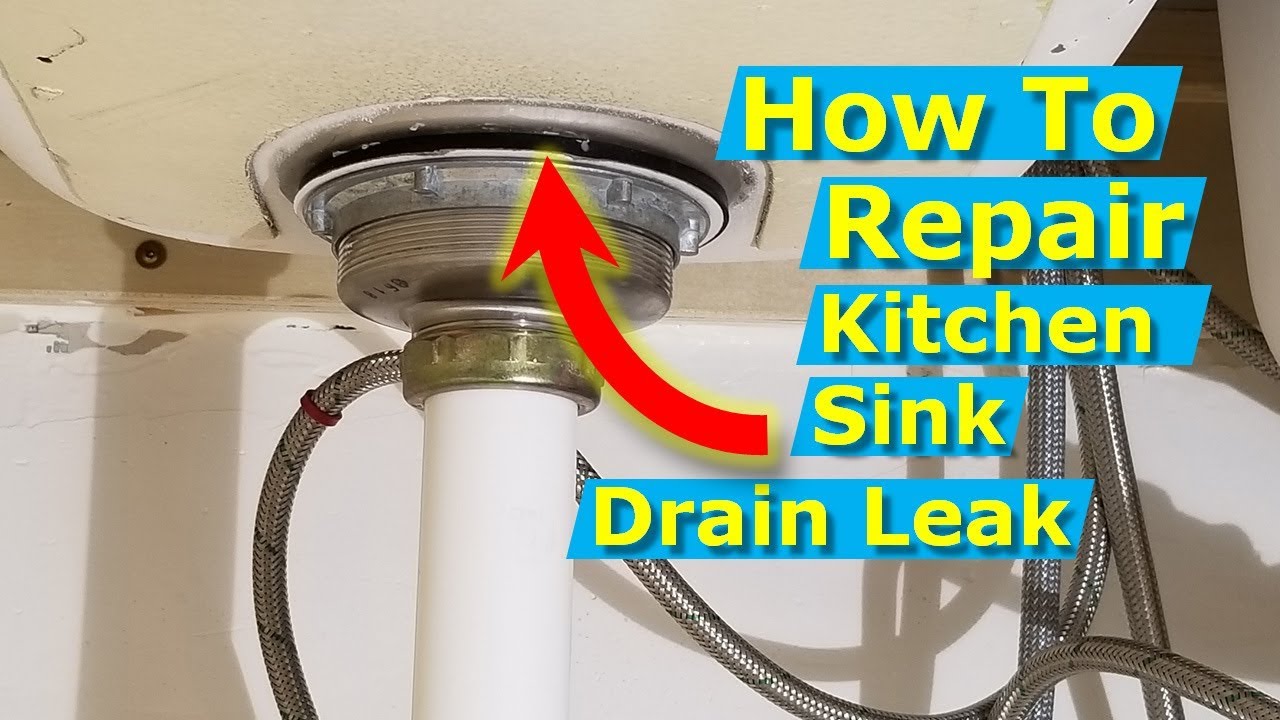
Image Source: i.ytimg.com
Common Causes of Kitchen Sink Clogs
Before we dive into how to fix it, let’s understand why kitchen sinks get blocked. Knowing the culprits can help you avoid future problems.
What Goes Down the Drain?
The kitchen sink is a busy place! Many things that go down it can cause trouble:
- Grease and Fats: When hot grease or oil is poured down the drain, it cools and solidifies. This sticky buildup traps other debris, creating a blockage.
- Food Scraps: Large food particles, coffee grounds, eggshells, and fibrous vegetables like celery or potato peels don’t break down easily. They can accumulate and form a stubborn clog.
- Soap Scum: Over time, soap residue can mix with mineral deposits in the water, forming a hard film that narrows the drainpipe.
- Foreign Objects: Small items like bottle caps, silverware, or even tiny toys can accidentally fall into the drain, causing immediate blockages.
- Hair: While more common in bathroom drains, hair can still find its way into the kitchen sink and contribute to clogs.
Sink Disposal Issues
If you have a garbage disposal, it can also be a source of kitchen sink blockage. While designed to grind food waste, certain items can overwhelm or damage it.
- Fibrous Foods: Stringy vegetables like asparagus or celery can wrap around the disposal blades.
- Hard Materials: Bones, fruit pits, and seeds are too tough for most disposals.
- Grease and Oil: Pouring grease down the disposal is a big no-no. It can coat the blades and pipes.
- Starchy Foods: Rice and pasta expand when wet, turning into a paste that can clog the drain.
- Overloading: Trying to grind too much food at once can strain the motor and jam the unit.
Simple Solutions for a Clogged Kitchen Sink
Most kitchen sink clogs can be fixed with basic tools and a little elbow grease. Start with the easiest methods and work your way up if needed.
Method 1: Boiling Water
This is the simplest and often most effective first step, especially for grease clogs.
What You’ll Need:
- Kettle or pot to boil water
- Heat-resistant gloves (optional)
Steps:
- Boil a full kettle or large pot of water.
- Slowly and carefully pour the boiling water directly down the drain opening.
- Wait a few minutes.
- Run hot tap water to see if the clog has cleared.
Why it Works: The heat helps to melt and dissolve grease and soap scum that might be causing the blockage.
Caution: Avoid using boiling water if you have PVC pipes and suspect a complete blockage, as excessive heat could potentially soften or damage them. If you have metal pipes, this method is generally safe.
Method 2: Plunging a Sink
Plunging a sink is a classic method that uses suction to dislodge clogs. It’s particularly effective for blockages caused by food debris.
What You’ll Need:
- A cup plunger (the kind with a flat bottom, not a toilet plunger with a flange)
- A rag or old towel
Steps:
- Seal the Overflow (if applicable): If your sink has an overflow hole, stuff a wet rag tightly into it. This prevents air from escaping, which is crucial for creating strong suction.
- Create a Seal: Place the plunger over the drain opening, ensuring the rim of the plunger is completely submerged in water. You need enough water to cover the plunger’s cup for effective suction. If there isn’t enough, add some water.
- Plunge Vigorously: Push down and pull up sharply several times (about 15-20 times). The goal is to create a strong push-and-pull motion.
- Check the Drain: Lift the plunger and see if the water drains. You might need to repeat the plunging process a few times.
- Flush with Hot Water: Once the water is draining, flush the drain with hot tap water to clear any remaining debris.
Tips for Success:
- Ensure a good seal between the plunger and the sink.
- Don’t be afraid to use a good amount of force.
- If you have a double sink, you’ll need to seal the other drain with a rag while plunging one side.
Method 3: Baking Soda and Vinegar
This is a popular, eco-friendly alternative to chemical cleaners. The reaction between baking soda and vinegar helps to break down grease and grime.
What You’ll Need:
- 1/2 cup baking soda
- 1/2 cup white vinegar
- Boiling water
- Rag or drain stopper
Steps:
- Clear Standing Water: If there’s a lot of standing water, try to remove as much as possible first.
- Add Baking Soda: Pour the baking soda directly down the drain.
- Add Vinegar: Follow with the white vinegar. You’ll see an immediate fizzing reaction.
- Seal the Drain: Quickly cover the drain opening with a rag or drain stopper to direct the fizzing action downwards into the pipes.
- Wait: Let it sit for at least 15-30 minutes, or longer for tougher clogs (up to an hour).
- Flush with Boiling Water: Pour boiling water down the drain to wash away the loosened debris.
- Run Hot Water: Turn on the hot tap water to check the drainage.
Why it Works: The baking soda is abrasive and alkaline, while vinegar is acidic. When combined, they create a chemical reaction that can help loosen and break apart clogs.
Method 4: Using a Drain Snake (Auger)
A drain snake, also known as a plumbing snake or auger, is a flexible cable that can reach deeper into the drainpipe to break up or pull out clogs. This is a more advanced tool for stubborn blockages.
What You’ll Need:
- A drain snake (manual or electric)
- Gloves
- Bucket
- Rags
Steps:
- Insert the Snake: Feed the end of the drain snake into the drain opening.
- Push and Rotate: Gently push the snake into the pipe. When you encounter resistance (the clog), crank the handle or activate the motor (if electric) to rotate the snake’s tip. This helps it bore into the blockage or hook onto it.
- Retrieve Debris: Once you feel the clog breaking up or you’ve snagged something, slowly pull the snake back out. You might bring debris with it.
- Clean the Snake: Clean the snake thoroughly after use.
- Flush the Drain: Run hot water down the drain to clear any remaining blockage and flush the pipes.
Types of Drain Snakes:
| Type of Snake | Description | Best For |
|---|---|---|
| Manual Drain Snake | A hand-cranked cable with a corkscrew-like end. | Smaller clogs in sink drains, tubs, and showers. Easy to maneuver. |
| Electric Drain Snake | Motorized cable that rotates at high speed. Comes in various lengths. | Tougher, deeper clogs in larger pipes. More powerful for significant blockages. |
| Closet Auger | Specifically designed for toilets but can be used for larger drains if the opening allows. Has a protective sleeve. | Larger diameter pipes, deeper obstructions. |
Method 5: Cleaning the P-Trap
The P-trap is the U-shaped pipe under your sink. It’s designed to hold water to prevent sewer gases from entering your home, but it’s also a common place for clogs to form.
What You’ll Need:
- Bucket
- Adjustable wrench or pliers
- Gloves
- Old towels or rags
- Safety glasses
Steps:
- Prepare for Water: Place a bucket directly under the P-trap to catch any water and debris.
- Loosen the Slip Nuts: You’ll see two large nuts (slip nuts) connecting the P-trap to the vertical pipe and the horizontal pipe. Use an adjustable wrench or pliers to loosen these nuts counter-clockwise. Be gentle, as older pipes can be brittle.
- Remove the P-Trap: Once the nuts are loose, gently wiggle and pull the P-trap downwards.
- Clear the Debris: Empty the contents of the P-trap into the bucket. Remove any accumulated gunk, hair, or food particles from the inside of the pipe. You can use a small brush or your fingers (with gloves!).
- Inspect the Pipes: Look into the pipes that were connected to the P-trap to see if any blockage is visible there.
- Reassemble: Carefully reattach the P-trap, ensuring the seals are properly aligned. Tighten the slip nuts clockwise by hand first, then snug them up gently with the wrench. Do not overtighten.
- Test for Leaks: Run water in the sink for a few minutes and check the P-trap connections for any leaks.
Chemical Drain Cleaners: Use with Caution
Chemical drain cleaner products are readily available and can be effective for certain types of clogs. However, they can also be harsh and pose risks to your pipes and your health.
Types of Chemical Drain Cleaners:
- Caustic Cleaners: Contain lye (sodium hydroxide) or potassium hydroxide. They work by generating heat to break down grease and organic matter.
- Oxidizing Cleaners: Contain bleach or hydrogen peroxide. They work by releasing oxygen to break down clogs.
- Acidic Cleaners: Contain strong acids. These are very powerful but also very dangerous and should generally be avoided by homeowners.
How to Use Them Safely:
- Read Instructions Carefully: Always follow the manufacturer’s instructions precisely.
- Ventilation: Ensure the area is well-ventilated. Open windows and turn on the exhaust fan.
- Protective Gear: Wear rubber gloves and eye protection.
- Use Sparingly: Never mix different drain cleaner products, as this can create dangerous fumes. Do not use them frequently, as they can damage pipes over time.
- Targeted Application: Pour the cleaner directly into the drain.
- Wait Time: Allow the recommended time for the cleaner to work.
- Flush Thoroughly: Flush with plenty of cool or lukewarm water (check product instructions).
When to Avoid Chemical Cleaners:
- Complete Blockages: If the sink is completely blocked, the chemical may just sit in the pipe and damage it.
- Old or Damaged Pipes: Chemicals can corrode and weaken older or already compromised pipes.
- Garbage Disposals: Avoid using chemical cleaners with garbage disposals, as they can damage the unit.
- If Other Methods Failed: If simple methods like plunging or baking soda and vinegar didn’t work, chemicals might not either, and could make a future plumbing repair more difficult.
Preventing Future Kitchen Sink Clogs
Prevention is always better than a cure! Here are some tips to keep your kitchen sink draining freely:
Good Habits for Your Kitchen Sink
- Scrape Plates: Scrape all food scraps into the trash or compost bin before rinsing dishes.
- Avoid Pouring Grease: Never pour grease, oil, or fats down the drain. Collect them in a separate container and dispose of them in the trash once cooled.
- Use a Drain Strainer: Place a mesh drain strainer in your sink to catch small food particles and debris. Clean it regularly.
- Run Cold Water with Disposal: If you use a garbage disposal, always run cold water for about 15-30 seconds before and after using it. Cold water helps solidify grease so the disposal can chop it up more effectively and flush it away.
- Dispose of Coffee Grounds and Eggshells Properly: These can contribute to clogs. Throw them in the trash or compost bin.
- Occasional Flush: Once a week, pour boiling water or the baking soda and vinegar mixture down the drain to help keep it clear.
Regular Maintenance
- Check the Disposal: If you have a garbage disposal, familiarize yourself with its operating manual. Occasionally check for any foreign objects that may have fallen in.
- Deep Cleaning: Every few months, consider a more thorough drain cleaning using a drain snake or a natural enzyme cleaner. Enzyme cleaners use bacteria to break down organic waste and are gentler on pipes.
When to Call a Professional Plumber
While many kitchen sink blockage issues can be resolved with DIY methods, there are times when it’s best to call in a professional plumbing repair service.
Signs You Need a Plumber:
- Persistent Clogs: If you’ve tried multiple methods and the clog still won’t clear, it might be a deeper issue.
- Multiple Drains Affected: If more than one drain in your house is slow or blocked, it could indicate a problem with your main sewer line.
- Foul Odors: Persistent bad smells from the drain, even after cleaning, could signal a serious blockage or sewer line issue.
- Water Backups: If water backs up into your sink or other fixtures when you flush a toilet or run other drains, it’s a sign of a major clog.
- Damaged Pipes: If you suspect your pipes are old, corroded, or damaged, a plumber can assess the situation and recommend repairs.
- Garbage Disposal Problems: If your garbage disposal is making strange noises, won’t turn on, or is leaking, it’s best to let a professional handle it.
What a Plumber Can Do:
Professional plumbers have specialized tools and expertise to handle even the most stubborn clogs. They can:
- Use industrial-grade drain cleaning equipment.
- Perform video inspections of your pipes to pinpoint the exact location and cause of a blockage.
- Safely clear severe obstructions in main sewer lines.
- Repair or replace damaged pipes.
- Diagnose and fix sink disposal issues.
Frequently Asked Questions (FAQ)
Q1: How often should I clean my kitchen sink drain?
A1: It’s a good idea to perform a basic cleaning (like pouring boiling water or a baking soda/vinegar mix) once a week or every other week. A more thorough cleaning with a drain snake or enzyme cleaner can be done every 3-6 months.
Q2: Can I use bleach in my kitchen sink drain?
A2: While bleach can help disinfect and break down some minor grime, it’s not as effective for grease or food clogs as other methods. Using bleach frequently can also damage pipes. It’s generally better to use methods specifically designed for unclogging.
Q3: My garbage disposal is jammed. What should I do?
A3: First, TURN OFF THE POWER to the disposal at the circuit breaker. Never put your hand into the disposal. Use tongs or pliers to remove any visible obstructions. Most disposals have a reset button on the bottom; press it. Some have a hex key slot on the bottom that you can use to manually turn the motor shaft to free it. Consult your disposal’s manual for specific instructions. If you’re unsure, call a plumber.
Q4: What is the best natural way to unclog a drain?
A4: The baking soda and vinegar method followed by flushing with boiling water is a very effective and natural way to unclog many kitchen sink drains.
Q5: How do I know if my clog is in the P-trap or further down the line?
A5: If the water backs up immediately or the sink only drains very slowly, the clog is likely in the P-trap or very close to the sink. If the clog occurs after running water for a while, or if other fixtures are also affected, it might be further down the line. Checking the P-trap first is a good diagnostic step.
By following these tips and methods, you can effectively tackle a clogged kitchen sink, address slow draining kitchen sink issues, and maintain clear pipes for a hassle-free kitchen. Remember, prevention is key to avoiding future kitchen sink blockage and the need for extensive plumbing repair.