
Can you fix a blocked kitchen sink yourself? Yes, you absolutely can! With a few common household items and a bit of know-how, you can tackle most kitchen sink clogs quickly and efficiently without calling a plumber. This guide will walk you through the most effective DIY methods to get your sink draining freely again in no time.
A clogged drain in your kitchen sink can be a frustrating and messy problem. Whether it’s a gradual buildup or a sudden, stubborn blockage, a kitchen sink drain that won’t let water pass through can disrupt your daily routine. Fortunately, many common kitchen plumbing issues are surprisingly simple to resolve with a few readily available tools and materials. We’ll explore various techniques to remove pipe blockage and address a slow draining sink before it becomes a major issue.
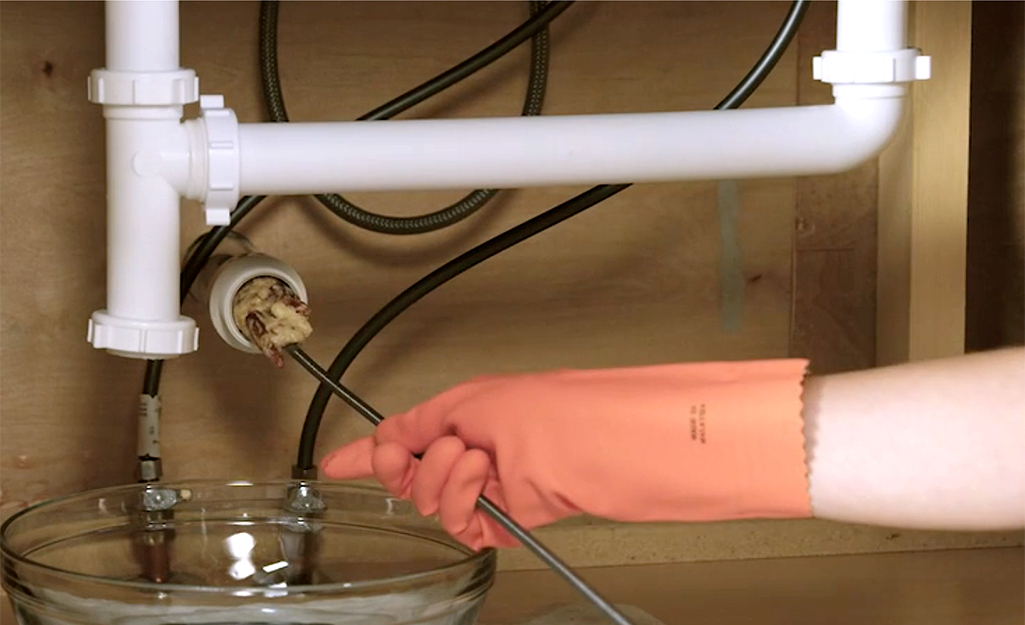
Image Source: contentgrid.homedepot-static.com
Common Causes of Kitchen Sink Clogs
Before we dive into the fixes, let’s talk about why your kitchen sink might be blocked. Knowing the culprit can help you prevent future problems.
- Grease and Oil: This is a major offender. When hot grease or oil is poured down the drain, it cools and solidifies in the pipes. Over time, this creates a thick, sticky layer that traps food debris.
- Food Scraps: Bits of food, especially fibrous ones like celery strings, potato peels, coffee grounds, and eggshells, can accumulate in the U-bend of your pipes, leading to a blockage.
- Soap Scum: Soap, especially bar soap, can leave behind a residue that hardens and traps other debris, contributing to a clogged drain.
- Foreign Objects: Things like dropped utensils, bottle caps, or even small toys can accidentally fall into the drain and cause a significant blockage.
- Hard Water Deposits: In areas with hard water, mineral deposits can build up on the inside of pipes, narrowing the passage and making it easier for other materials to get stuck.
Quick DIY Fixes to Try First
When your sink is backing up, the first step is to try the simplest solutions. These methods are usually effective for minor to moderate clogs and require minimal effort.
1. The Sink Plunger Power
A sink plunger is your first line of defense against a blocked kitchen sink. It works by creating suction to dislodge the blockage.
What you’ll need:
- A sink plunger (make sure it’s a flange plunger or a cup plunger designed for sinks, not toilets)
- A wet cloth or rag
- Optional: Petroleum jelly
How to do it:
- Prepare the Sink: Remove any standing water from the sink if possible. You want enough water to cover the rubber cup of the plunger to create a good seal. If there’s no water, add a few inches.
- Seal the Overflow: If your sink has an overflow drain (a small hole near the top of the sink basin), block it with a wet cloth. This is crucial because if you don’t, the air and suction will escape through the overflow, making the plunger less effective.
- Apply the Plunger: Place the plunger over the drain opening, ensuring the rubber cup creates a tight seal around the entire drain. For a better seal, you can apply a thin layer of petroleum jelly around the rim of the plunger cup.
- Plunge Away: Push down firmly on the plunger handle to push air out of the cup and create suction. Then, pull up sharply to create suction that can pull the clog loose. Repeat this plunging motion vigorously for about 15-20 seconds.
- Check the Drain: Remove the plunger. If the water starts to drain, you’ve likely cleared the blockage. If it’s still slow or blocked, repeat the plunging process a few more times.
- Hot Water Flush: Once you see signs of draining, follow up with a hot water flush.
Why it works: The plunging action creates alternating pressure and suction. The pressure pushes against the clog, and the suction pulls it back, helping to break it apart or dislodge it from the pipe.
2. Baking Soda and Vinegar: The Natural Duo
This classic combination is a safe and effective way to break down grease, soap scum, and other organic matter.
What you’ll need:
- 1 cup baking soda
- 1 cup white vinegar
- Boiling water
How to do it:
- Pour Baking Soda: Pour the cup of baking soda directly into the kitchen sink drain. Try to get as much as possible down the drain opening.
- Add Vinegar: Immediately pour the cup of white vinegar after the baking soda. You’ll hear a fizzing and bubbling sound. This is the chemical reaction that helps to break down the clog.
- Cover the Drain: Quickly cover the drain opening with a plug or a wet cloth to keep the fizzing action contained within the pipes, directing its power towards the blockage.
- Let it Sit: Allow the mixture to work for at least 15-30 minutes, or longer for stubborn clogs (up to an hour).
- Hot Water Flush: After the waiting period, remove the cover and pour a kettle of boiling water down the drain. This hot water flush will wash away the loosened debris.
Why it works: Baking soda is alkaline, and vinegar is acidic. When combined, they create a powerful chemical reaction that produces carbon dioxide gas. This gas creates pressure within the pipes, helping to loosen and break apart the clog. The hot water then rinses everything away.
3. The Hot Water Flush Alone
Sometimes, a simple hot water flush is all that’s needed, especially if the clog is caused by grease or soap scum that has started to solidify.
What you’ll need:
- A kettle or pot to boil water
How to do it:
- Boil Water: Bring a kettle or pot of water to a rolling boil.
- Pour Carefully: Slowly and carefully pour the boiling water directly down the drain. Do this in stages if you have a lot of water.
- Wait and Repeat: Let the hot water sit for a few minutes. If the sink starts to drain, you can repeat the process a couple more times.
Why it works: Hot water can melt solidified grease and oils, allowing them to flow more easily down the drain. It also helps to loosen soap scum buildup.
Important Note: If you have PVC pipes, avoid using boiling water. Very hot tap water or just-below-boiling water is a safer alternative to prevent potential damage to the pipes.
When Simpler Methods Don’t Work: More Advanced DIY Techniques
If the basic methods haven’t cleared your clogged drain, it’s time to bring out the more specialized tools. These can tackle tougher blockages more effectively.
4. Using a Drain Snake (Auger)
A drain snake, also known as a plumber’s snake or drain auger, is a flexible coil of wire that can be fed into the drainpipe to physically break up or pull out a blockage. This is one of the most effective DIY ways to remove pipe blockage.
What you’ll need:
- A drain snake (manual or electric, depending on the severity of the clog)
- Gloves
- A bucket or trash bag
- Rags or paper towels
How to do it:
- Access the Drain: You might need to remove the sink stopper or strainer first.
- Insert the Snake: Gently feed the end of the drain snake into the drain opening.
- Feed and Turn: Push the snake further into the pipe, turning the handle (usually clockwise) as you go. This rotation helps the snake’s coil to navigate bends in the pipe and grab onto the obstruction.
- Detect the Clog: You’ll feel resistance when you reach the blockage. Keep turning the handle and applying gentle pressure to push through or break up the clog.
- Retrieve the Clog: Once you feel the clog breaking up or you’ve snagged something, slowly pull the snake back out. Be prepared for some debris to come with it! Use your bucket or trash bag to collect it.
- Repeat if Necessary: You may need to repeat the process a few times to ensure the pipe is clear.
- Hot Water Flush: After clearing the blockage, run hot water down the drain for several minutes to flush out any remaining debris.
Why it works: The auger’s coil acts like a corkscrew, either drilling through the blockage or snagging it so you can pull it out.
5. Cleaning the P-Trap
The P-trap is the U-shaped pipe under your sink. This is a common place for debris to accumulate and cause a blockage.
What you’ll need:
- A bucket
- Pliers or a pipe wrench
- Gloves
- Rags or paper towels
- Optional: Old newspaper or plastic sheeting to protect the cabinet floor
How to do it:
- Prepare the Area: Place the bucket directly underneath the P-trap to catch any water and debris that will spill out when you disconnect it. Lay down newspaper or plastic sheeting to protect your cabinet floor.
- Loosen the Slip Nuts: The P-trap is typically held in place by two slip nuts. Use pliers or a pipe wrench to carefully loosen these nuts. They usually unscrew counter-clockwise.
- Remove the P-Trap: Once the nuts are loose, gently pull the P-trap away from the pipes. Be prepared for water and gunk to come out.
- Clean the P-Trap: Empty the contents of the P-trap into the bucket. Use a brush or rag to clean out any accumulated debris, grease, and hair from inside the pipe.
- Check the Adjacent Pipes: While the P-trap is off, you can also use your fingers (with gloves on!) or a straightened wire coat hanger to feel for any blockages in the pipes leading to and from the trap.
- Reassemble: Reconnect the P-trap, ensuring the washers are properly seated. Hand-tighten the slip nuts first, then use pliers to tighten them a bit more. Don’t overtighten, as this can crack the plastic.
- Test for Leaks: Run water in the sink and check the P-trap connections for any leaks.
Why it works: This method allows direct access to a common blockage point, enabling you to physically remove the offending material.
6. Dish Soap and Hot Water for Grease
If you suspect grease is the primary cause of your slow draining sink, a potent combination of dish soap and hot water can be very effective.
What you’ll need:
- Dish soap (especially one known for cutting grease)
- Boiling water
How to do it:
- Pour Dish Soap: Squeeze a generous amount of dish soap directly down the drain.
- Add Hot Water: Follow with a kettle of boiling water (or very hot tap water if you have PVC pipes).
- Let it Sit: Let the mixture sit for about 10-15 minutes.
- Flush with More Hot Water: Pour another kettle of hot water down the drain to flush everything through.
Why it works: Dish soap is designed to break down grease. When combined with hot water, it can emulsify and dissolve grease buildup in the pipes.
When to Consider a Drain Cleaner
Drain cleaner products are formulated to dissolve clogs. They can be effective, but they should be used with caution.
What you’ll need:
- A commercial drain cleaner (follow product instructions carefully)
- Gloves
- Eye protection
- Ventilation
How to do it:
- Read Instructions: Before you do anything else, read and follow the manufacturer’s instructions precisely. Different products have different application methods.
- Protect Yourself: Wear gloves and eye protection. Ensure the area is well-ventilated.
- Pour Carefully: Pour the recommended amount of drain cleaner into the drain.
- Wait: Allow the cleaner to sit for the time specified on the product label.
- Flush: Flush the drain with a large amount of cool or lukewarm water as directed. Never mix different drain cleaner products.
Why it works: Drain cleaners contain harsh chemicals (like lye or sulfuric acid) that chemically break down organic matter, grease, and hair.
Important Considerations for Drain Cleaners:
- Chemicals are Harsh: These chemicals can be corrosive to pipes, especially older ones, and can damage certain finishes.
- Environmental Impact: They are not environmentally friendly.
- Safety First: If you don’t use them correctly, they can cause severe burns.
- Last Resort: It’s often best to try the more natural and mechanical methods first before resorting to chemical drain cleaners. If you’ve already used a drain cleaner and it didn’t work, be extremely cautious if you then try to use a plunger or snake, as there could be corrosive chemicals present.
Troubleshooting Persistent Blockages
If you’ve tried multiple methods and your sink is still experiencing a slow draining sink, the blockage might be further down the line or more complex.
Inspecting the Garbage Disposal
If you have a garbage disposal, it could be the source of the clog or contributing to it.
- Check for Obstructions: Ensure the disposal is switched off. Look inside (using a flashlight and tongs if necessary) for any obvious obstructions like silverware, bones, or excessive food waste.
- Reset Button: Many disposals have a reset button on the bottom or side. If the motor hums but doesn’t spin, this button might have tripped. Press it firmly.
- Run with Cold Water: Always run cold water when using the disposal. Cold water helps solidify grease so it can be chopped and flushed away, rather than sticking to the pipes.
- Clear the Disposal: If the disposal seems jammed, turn it off, unplug it, use tongs to remove any visible obstructions, and then try the reset button.
When to Call a Professional
There are times when a DIY fix isn’t enough, and it’s time to call in the experts.
- Recurring Clogs: If your sink clogs frequently, there might be an underlying issue with your kitchen plumbing system that needs professional attention.
- Multiple Fixtures Affected: If toilets are backing up, or other drains in your home are slow, the problem could be with your main sewer line, which requires professional equipment.
- No Success with DIY: If you’ve tried all the above methods and the sink remains blocked, a professional plumber has specialized tools and knowledge to diagnose and fix the problem.
- Old or Damaged Pipes: If you suspect your pipes are old, corroded, or damaged, it’s best to consult a plumber before attempting any forceful DIY repairs.
Preventative Measures for a Healthy Kitchen Sink
The best way to deal with a blocked drain is to prevent it from happening in the first place. Here are some tips:
- Scrape Plates: Scrape all food scraps into the trash or compost bin before rinsing plates.
- Avoid Pouring Grease: Never pour grease, oil, or fats down the drain. Pour them into a container and dispose of them in the trash once cooled.
- Use a Drain Strainer: A good quality drain strainer will catch most food particles and hair, preventing them from entering the pipes. Empty and clean it regularly.
- Run Hot Water Regularly: After using the sink, especially after washing greasy dishes, run hot water for a minute to help keep pipes clear.
- Occasional Baking Soda and Vinegar: Treating your drains to a baking soda vinegar treatment and hot water flush once a month can help prevent buildup.
- Be Mindful of Garbage Disposal Use: Only put appropriate items down the disposal and always run cold water while it’s in use. Avoid fibrous materials like celery, artichokes, and corn husks, as well as potato peels and coffee grounds, which can form a paste that clogs pipes.
Frequently Asked Questions About Blocked Kitchen Sinks
Q1: How do I know if my kitchen sink is clogged?
A: A clogged kitchen sink will typically drain very slowly or not at all. You might also notice a gurgling sound coming from the drain, or a foul odor.
Q2: Can I pour bleach down my kitchen sink to clear a clog?
A: While bleach can help sanitize, it’s not very effective at breaking down grease and food debris that cause most kitchen sink clogs. Furthermore, mixing bleach with other cleaners (especially those containing ammonia or acids) can create dangerous toxic fumes. It’s best to avoid bleach for clogs.
Q3: What is the best way to remove pipe blockage?
A: The best way to remove pipe blockage often depends on what’s causing it. For grease and minor buildup, baking soda and vinegar with hot water, or a sink plunger, are excellent. For tougher clogs, a drain snake is very effective.
Q4: My sink is draining slowly, what should I do?
A: If you have a slow draining sink, try the hot water flush first. If that doesn’t work, try the baking soda and vinegar method, followed by another hot water flush. If it remains slow, use a plunger.
Q5: Is it safe to use a chemical drain cleaner?
A: Chemical drain cleaners can be effective but should be used with extreme caution. They are harsh chemicals that can damage pipes and are hazardous to health and the environment. Always follow instructions carefully, wear protective gear, and consider it a last resort after trying natural or mechanical methods.
By following these steps and preventative measures, you can effectively tackle most blocked kitchen sink issues and keep your kitchen running smoothly.