
Can you build an outdoor kitchen yourself? Yes, absolutely! Building an outdoor kitchen can be a rewarding DIY project, transforming your backyard into a fantastic entertainment hub. What do you need to consider when building an outdoor kitchen? You’ll need to think about design, materials, appliances, and local building codes. This guide will walk you through every step of building your dream outdoor kitchen, from initial planning to the final touches.
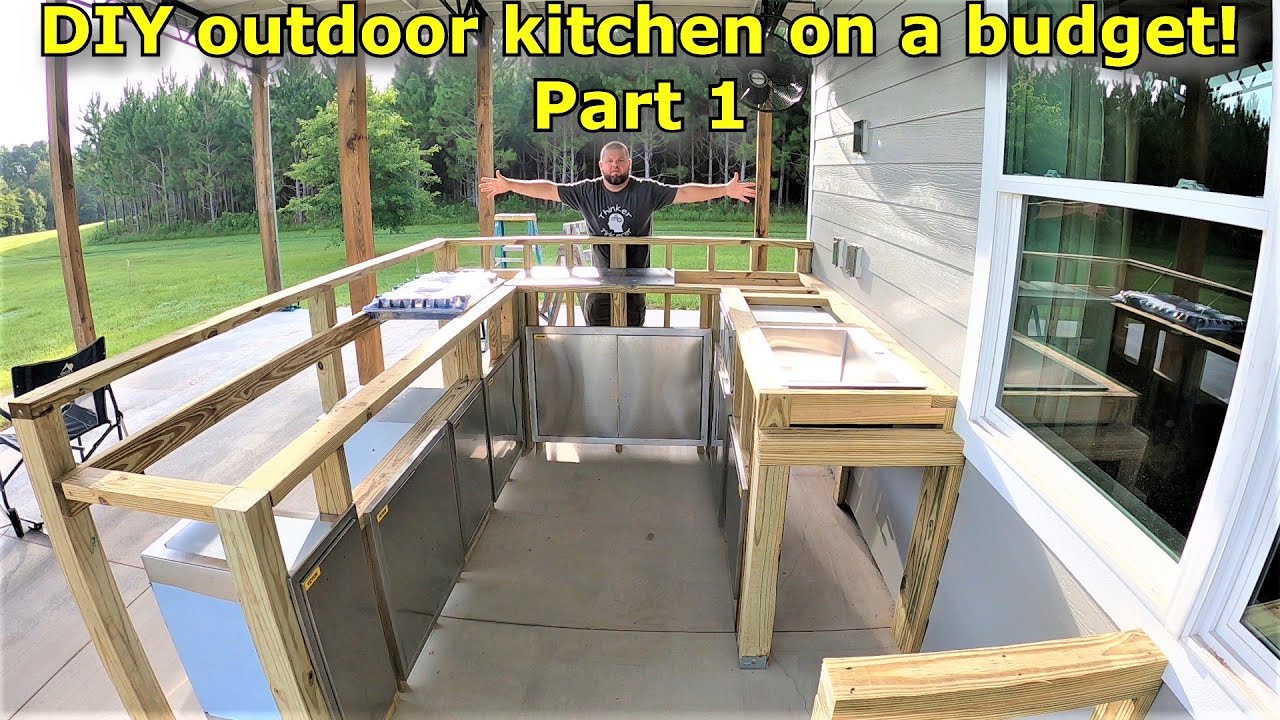
Image Source: i.ytimg.com
Designing Your Backyard Kitchen Oasis
The first step in building an outdoor kitchen is creating outdoor kitchen plans. This is where your vision starts to take shape. Think about how you’ll use the space. Will it be for casual weeknight dinners, big parties, or both? Your backyard kitchen design should reflect your lifestyle and the layout of your yard.
Space and Layout Considerations
- Size and Shape: How much space do you have? Measure your patio or deck area carefully. Consider the flow of traffic and where you want to place the main cooking elements.
- Proximity to the House: Ideally, your outdoor kitchen should be a convenient distance from your indoor kitchen for transporting food and supplies.
- Weather Protection: Will you need a roof, pergola, or awning? Consider how you’ll use the kitchen in different weather conditions.
- Seating and Dining Areas: Plan for comfortable seating and a dining area where guests can gather and enjoy the food.
Essential Outdoor Kitchen Features
What are the must-have outdoor kitchen features? While personal preferences vary, a well-equipped outdoor kitchen usually includes:
The Grill: The Heart of the Operation
- Built-in Gas Grills: These are the most popular choice for their convenience and control.
- Charcoal Grills: For those who love the smoky flavor of charcoal.
- Smokers: If you’re a barbecue enthusiast, a dedicated smoker is a great addition.
Prep and Storage
- Countertops: Durable and weather-resistant countertops are essential for food preparation. Materials like granite, concrete, or tile are excellent choices.
- Sinks: A sink with hot and cold running water makes cleaning and food prep much easier.
- Refrigeration: An outdoor-rated refrigerator or cooler is perfect for keeping drinks and ingredients cold.
- Storage Cabinets and Drawers: Weatherproof cabinets and drawers provide space for utensils, plates, and other kitchen essentials.
Other Desirable Features
- Side Burners: Great for simmering sauces or boiling corn.
- Pizza Ovens: Add a touch of gourmet cooking to your backyard.
- Warming Drawers: Keep food warm before serving.
- Outdoor Lighting: Essential for evening entertaining.
- Sound System: Music enhances the atmosphere.
- Fans or Heaters: Extend the usability of your outdoor kitchen into warmer or cooler months.
Choosing the Right Outdoor Kitchen Materials
The outdoor kitchen materials you select will significantly impact the durability, appearance, and outdoor kitchen cost. Longevity and resistance to the elements are key.
Structural Materials
- Masonry (Brick, Stone, Stucco): These are classic choices offering great durability and a timeless look. They are excellent for building the base and structure of your kitchen.
- Concrete Blocks (CMUs): A sturdy and versatile option for building the framework. They can be finished with various materials like stone veneer or stucco.
- Metal Framing (Steel or Aluminum): Lighter than masonry, metal frames are often used in conjunction with other materials for the exterior finish.
Countertop Materials
- Granite: Highly durable, heat-resistant, and available in many colors. Requires sealing.
- Concrete: Can be custom-molded and colored. Requires sealing to prevent staining.
- Tile: Offers a wide range of styles and colors. Grout lines can be a maintenance concern.
- Stainless Steel: Modern and hygienic, but can get hot in direct sunlight.
- Soapstone: Natural, non-porous, and develops a beautiful patina over time.
Finishing and Cladding Materials
- Stone Veneer: Provides the look of natural stone without the weight and cost.
- Brick Veneer: Similar to stone veneer, offering a classic brick look.
- Stucco: A versatile finish that can be painted any color.
- Outdoor-Rated Wood (e.g., Teak, Cedar): Can be used for accents or specific design elements, but requires regular maintenance.
- Stainless Steel Panels: For a modern, sleek look.
The DIY Outdoor Kitchen Journey: Step-by-Step
For those looking for a DIY outdoor kitchen, tackling this project yourself can save money and offer immense satisfaction. Here’s a breakdown of the process.
Step 1: Planning and Permitting
Before you even pick up a tool, you need to finalize your outdoor kitchen plans.
Site Selection
- Level Ground: Choose a relatively level area for easier construction.
- Proximity to Utilities: Consider access to gas lines, water, and electricity. If you’re not near existing hookups, factor in the cost and complexity of running them.
- Drainage: Ensure the area drains well to prevent water pooling.
Obtaining Permits
- Local Building Codes: Always check with your local municipality about necessary permits and regulations. This might include permits for electrical, plumbing, and structural changes. Ignoring this can lead to fines and the need to dismantle your work.
Step 2: Foundation and Base Construction
A strong foundation is crucial for the longevity of your patio kitchen construction.
Preparing the Site
- Clear the Area: Remove any existing grass, plants, or debris.
- Level the Ground: Use a shovel and tamper to create a stable, level base. You might consider a concrete slab for a more permanent and robust foundation.
Building the Base Structure
- Concrete Blocks: Laying concrete blocks is a common method for building the support structure. Use rebar for reinforcement and mortar to bind them together.
- Steel Framing: Prefabricated steel framing systems are also an option, offering quicker assembly.
- Ensuring Stability: Make sure the base is sturdy and can support the weight of your appliances and countertops.
Step 3: Installing Appliances and Utilities
This is where your kitchen starts to come to life.
Gas and Electrical
- Professional Installation: For gas lines and electrical work, it is highly recommended to hire licensed professionals. Improper installation can be dangerous.
- Outlet Placement: Plan for weatherproof outlets for lights, blenders, and other electrical devices.
- Gas Line Connection: Ensure your grill and any other gas appliances are correctly connected to the gas supply.
Plumbing
- Sink Installation: If you’re including a sink, rough in the water supply and drainage lines according to your outdoor kitchen plans.
- Water Source: You’ll need a connection to your home’s water supply.
Step 4: Countertop Installation
Durable and functional countertops are key.
- Template Creation: If your countertops are custom-fit, you may need to create templates for the fabricator.
- Securing Countertops: Securely attach the countertops to the base structure. Use appropriate adhesives or fasteners depending on the material.
Step 5: Finishing Touches and Aesthetics
This is where you add the style and personality to your custom outdoor kitchen.
- Cladding the Structure: Apply your chosen finishing materials like stone veneer, brick, or stucco to the base structure.
- Installing Cabinets and Drawers: Fit your weatherproof storage solutions.
- Backsplash: A backsplash can add both protection and a decorative element.
- Lighting: Install lighting for functionality and ambiance.
- Seating: Add bar stools or comfortable chairs.
Outdoor Kitchen Cost: What to Expect
The outdoor kitchen cost can vary dramatically based on size, materials, appliances, and whether you hire professionals or go the DIY outdoor kitchen route.
Factors Influencing Cost
- Size of the Kitchen: Larger kitchens require more materials and labor.
- Appliance Selection: High-end grills, refrigerators, and other appliances significantly increase the cost.
- Materials Used: Premium materials like natural stone or high-grade stainless steel are more expensive.
- Labor Costs: Hiring contractors for design, installation, and utility hookups will add to the overall expense.
- Complexity of Design: Intricate designs with custom features will cost more.
- Utility Hookups: The cost of extending gas, water, and electricity lines can be substantial if your desired location is far from existing connections.
Budgeting for Your Dream Space
A basic outdoor kitchen setup might start from a few thousand dollars, while a fully equipped, high-end custom outdoor kitchen could range from $10,000 to $30,000 or more. A DIY outdoor kitchen can help reduce costs, especially if you source materials wisely and have some construction skills.
Here’s a simplified table to give you a general idea of potential costs for various components:
| Feature | Estimated Cost Range (USD) | Notes |
|---|---|---|
| Grill | $500 – $5,000+ | Varies from basic charcoal to high-end built-in gas grills. |
| Countertops | $500 – $3,000+ | Depends on material (granite, concrete, tile) and square footage. |
| Sink and Faucet | $200 – $800+ | Includes basic sink, faucet, and plumbing connections. |
| Refrigerator | $500 – $1,500+ | Outdoor-rated refrigerators are more expensive. |
| Side Burner | $150 – $500+ | For simmering and boiling. |
| Storage (Cabinets) | $500 – $3,000+ | Weatherproof cabinets and drawers. |
| Structure (Masonry) | $1,000 – $5,000+ | Cost of blocks, mortar, rebar, and veneer if used. |
| Labor | Varies | Highly dependent on complexity and professional rates. |
| Permits | $100 – $500+ | Varies by local municipality. |
Important Note: These are rough estimates. Get quotes from local suppliers and contractors for accurate pricing in your area.
Top Outdoor Kitchen Ideas to Inspire You
Exploring different outdoor kitchen ideas can help you refine your backyard kitchen design.
The Minimalist Retreat
- Focus: Simplicity and functionality.
- Features: A high-quality grill, a small prep counter, and perhaps a cooler.
- Aesthetics: Clean lines, natural materials like wood and stone, minimalist seating.
- Best for: Smaller spaces or those who prefer a less elaborate setup.
The Gourmet Entertainment Hub
- Focus: High-end appliances and ample prep space.
- Features: Built-in grill with side burners, pizza oven, warming drawer, outdoor refrigerator, ice maker, professional-grade sink.
- Aesthetics: Sleek stainless steel, granite countertops, integrated lighting, comfortable bar seating.
- Best for: Avid cooks and those who entertain frequently.
The Rustic Charm Kitchen
- Focus: Natural beauty and a cozy atmosphere.
- Features: Stone or brick grill enclosure, wooden countertops or accents, a fire pit nearby, perhaps a smoker.
- Aesthetics: Natural stone, reclaimed wood, warm lighting, comfortable seating around a fire.
- Best for: Creating a warm, inviting space that blends with a natural landscape.
The Compact and Clever Kitchen
- Focus: Maximizing a smaller space with smart design.
- Features: A freestanding grill with a built-in side table, a small prep area, and a portable cooler.
- Aesthetics: Smart storage solutions, efficient layout, bright colors or natural wood tones.
- Best for: Balconies, smaller patios, or those on a tighter budget.
Frequently Asked Questions (FAQ)
What is the best material for outdoor kitchen countertops?
Granite and concrete are generally considered the best materials due to their durability, heat resistance, and ability to withstand outdoor elements. They require proper sealing to prevent staining.
Can I use indoor cabinets outdoors?
No, it’s not recommended to use indoor cabinets outdoors. They are not built to withstand moisture, temperature fluctuations, and UV exposure, and will quickly deteriorate. You need outdoor-rated cabinets made from materials like stainless steel, marine-grade plywood, or specialized outdoor-grade plastics.
How much does it cost to build an outdoor kitchen?
The cost can range from $2,000 for a very basic setup to $30,000 or more for a high-end, fully customized kitchen. The price depends heavily on the size, materials, appliances, and labor involved. A DIY outdoor kitchen will generally be less expensive than hiring professionals.
Do I need a permit to build an outdoor kitchen?
Yes, in most cases, you will need permits, especially if you are running new gas, water, or electrical lines, or if your structure is permanent and large. Always check with your local building department for specific requirements.
What are the most important outdoor kitchen features?
The most essential features are a good quality grill, durable countertops for prep space, and adequate storage. A sink with running water is also highly desirable. Beyond that, features like side burners, refrigerators, and lighting depend on your needs and budget.
How do I prepare the ground for an outdoor kitchen?
You’ll need to clear and level the area. For a permanent structure, pouring a concrete slab is recommended for a stable and durable foundation. Ensure the area has good drainage.
Building your dream outdoor kitchen is an achievable goal. By carefully planning your outdoor kitchen plans, selecting the right outdoor kitchen materials, and considering all the necessary outdoor kitchen features, you can create a beautiful and functional space that will provide years of enjoyment. Whether you opt for a DIY outdoor kitchen or hire professionals, the result will be a fantastic extension of your living space, perfect for cooking, dining, and entertaining al fresco.