
Can you disconnect a kitchen faucet yourself? Yes, with the right tools and a bit of guidance, you can absolutely disconnect a kitchen faucet yourself. This guide will walk you through the process, from shutting off the water to removing the old faucet.
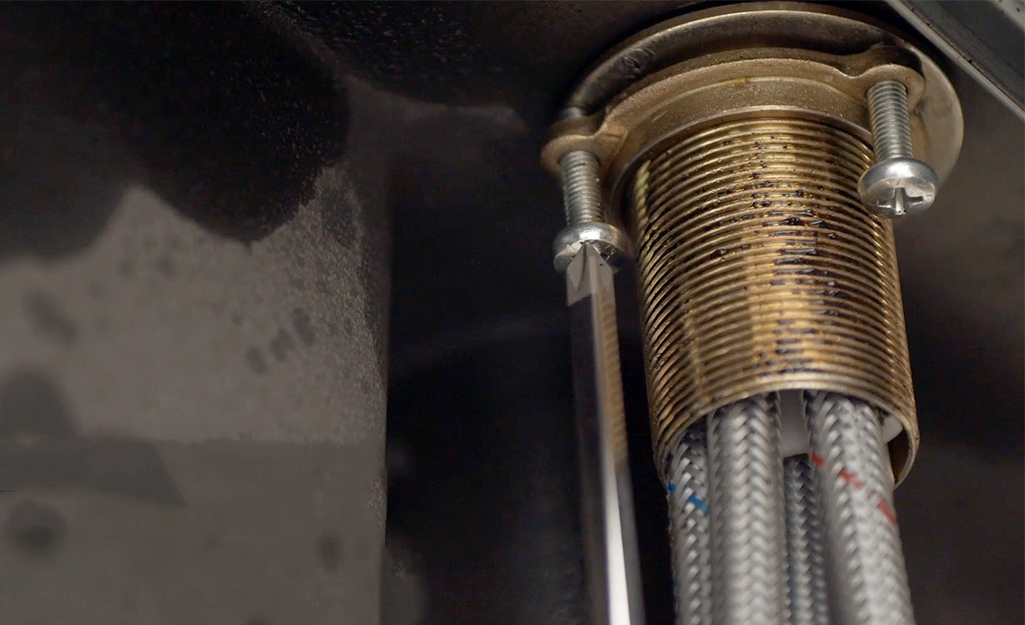
Image Source: contentgrid.homedepot-static.com
Preparing for Faucet Removal
Before you start any work on your plumbing, it’s crucial to gather the necessary tools and materials. This will make the process smoother and prevent frustrating interruptions. Think of it as setting yourself up for success.
Essential Tools and Materials
Having the right equipment at hand is half the battle. Here’s a list of what you’ll likely need for kitchen faucet removal:
- Adjustable Wrench (or two): For loosening and tightening various nuts and fittings.
- Basin Wrench: This specialized tool is a lifesaver for reaching those awkward nuts hidden behind the sink basin. It’s designed specifically for faucet mounting nut removal.
- Pliers (Channel-lock or Slip-joint): Useful for gripping and turning, especially if nuts are stubborn.
- Bucket or Towels: To catch any residual water in the pipes.
- Safety Glasses: Protect your eyes from debris or dripping water.
- Work Gloves: For a better grip and to keep your hands clean.
- Flashlight or Headlamp: It gets dark under the sink, and you need to see what you’re doing.
- Penetrating Oil (like WD-40): If nuts are corroded or stuck, this can help loosen them.
- Scraper or Putty Knife: To remove old plumber’s putty or caulk around the faucet base.
- New Supply Lines (Optional but recommended): If your current lines are old or show signs of wear, it’s a good time to replace them.
- Rags: For cleaning up any spills.
- A Friend (Optional but helpful): An extra pair of hands can be useful for holding things or offering support.
Safety First: Shutting Off the Water
The absolute first step in disconnecting any plumbing fixture is to stop the flow of water. This prevents a messy flood and potential damage to your kitchen.
Locating Water Supply Valves
Most kitchens have water supply valves located directly beneath the sink. These are usually small, oval-shaped knobs or handles attached to pipes coming out of the wall or floor.
- Hot Water Valve: Typically on the left.
- Cold Water Valve: Typically on the right.
What if I can’t find shut-off valves under the sink? If you don’t have individual shut-off valves under your sink, you’ll need to plumbing shut off at the main water supply for your house. This is usually found in the basement, crawl space, utility closet, or sometimes outside near your water meter. Remember to turn off the main valve completely.
Turning Off the Water
- Locate the valves: Find the hot and cold water supply valves under your sink.
- Turn clockwise: Slowly turn the handles of both valves clockwise until they are snug. Don’t overtighten.
- Test the flow: Turn on your kitchen faucet to ensure the water is completely shut off. Let any remaining water drain from the pipes. The faucet should only trickle out a little bit of water, and then stop.
Draining Residual Water
Even after shutting off the valves, there will be some water left in the sink water supply lines.
- Open the faucet: With the valves shut off, open both the hot and cold handles on your faucet.
- Let it drain: Allow any remaining water to drain out. You can place a bucket or some towels underneath the pipes to catch drips.
- Close the faucet: Once the dripping stops, close both the hot and cold handles.
Disconnecting the Supply Lines
Now that the water is off, you can disconnect the flexible hoses that connect your faucet to the water supply valves.
Identifying the Connections
Under your sink, you’ll see two flexible hoses (often braided stainless steel or plastic) running from the bottom of your faucet to the shut-off valves.
Using the Right Tools
- Adjustable Wrench: This is usually the best tool for this job.
- Channel-lock Pliers: Can also be used if an adjustable wrench doesn’t fit well.
Step-by-Step Disconnection
- Position your bucket: Place a bucket or towels directly under the connections to catch any drips.
- Loosen the nuts: Use your adjustable wrench to loosen the nuts connecting the supply lines to the shut-off valves. Turn them counter-clockwise.
- Remove the lines: Once loose, carefully pull the supply lines away from the valves.
- Disconnect from the faucet: Repeat the process for the other end of the supply lines, where they connect to the underside of the faucet. These nuts might be plastic or metal.
Tip: If the nuts are difficult to turn, apply a little penetrating oil and let it sit for a few minutes before trying again.
Removing the Faucet
With the water supply lines disconnected, the next step is to actually detach the faucet from the sink. This is where your basin wrench will be invaluable.
Locating the Faucet Mounting Hardware
Look directly under the sink where the faucet comes through the countertop or sink deck. You’ll see nuts and washers holding the faucet in place.
- Faucet Base Plate: This might be a decorative piece that sits on top of the sink, hiding the mounting hardware. You may need to remove this first, depending on your faucet design.
- Faucet Mounting Nut(s): These are the primary fasteners securing the faucet to the sink. Some faucets have a single large nut, while others have multiple smaller nuts or a bracket system.
Using the Basin Wrench
The basin wrench is designed to reach up and around the sink basin to grip these nuts.
- Position the wrench: Extend the handle and pivot the jaw of the basin wrench to grip the faucet mounting nut.
- Turn counter-clockwise: Slowly turn the handle of the basin wrench counter-clockwise to loosen the nut.
- Remove the nuts: Continue unscrewing the nut until it comes completely off. You may need to reposition the wrench as you go.
- Remove any brackets or washers: There might be other hardware like mounting brackets, rubber washers, or plastic sleeves that also need to be removed. Keep track of these parts, as you might need them for installation or disposal.
Lifting the Faucet Away
Once all the mounting hardware is removed, the faucet should be loose.
- Gently pull upward: From the top of the sink, gently lift the faucet straight up and out of its mounting holes.
- Clean the area: Use a scraper or putty knife to remove any old plumber’s putty or caulk from the sink surface around the faucet holes. This ensures a clean surface if you’re installing a new faucet.
Dealing with the Sink Drain Assembly (If Necessary)
Sometimes, disconnecting a faucet might involve dealing with the sink drain assembly, especially if you’re replacing the entire sink or need more access. This is less common for a simple faucet replacement, but good to know.
When to Address the Drain
You’d typically only need to disconnect the sink drain assembly if:
- You are removing the sink itself.
- The drain pipes are directly interfering with your access to the faucet mounting hardware.
- You are replacing the faucet and the drain components are integrated or in the way.
Basic Drain Disconnection Steps (Brief Overview)
- Loosen the slip nuts: The drain pipes are usually connected with large plastic or metal nuts called slip nuts. Use pliers to loosen these counter-clockwise.
- Remove the P-trap: This is the U-shaped pipe under the drain. Be prepared for residual water to drain into your bucket.
- Remove the strainer: The strainer is the part inside the sink bowl where the water drains. It’s usually held in place by a large nut from underneath. This often requires a basin wrench or large pliers.
Important Note: If you’re only disconnecting the faucet and not the sink or drain, focus on the under sink plumbing directly related to the faucet itself (supply lines and mounting nuts).
Reinstalling or Replacing the Faucet
If you’re installing a new faucet, the process is essentially the reverse of removal. Ensure you have new sink water supply lines, any necessary mounting hardware, and fresh plumber’s putty or silicone sealant.
Key Installation Steps
- Prepare the new faucet: Assemble any parts according to the manufacturer’s instructions.
- Apply plumber’s putty: Roll a rope of plumber’s putty and place it around the base of the new faucet or its base plate to create a watertight seal.
- Position the faucet: Insert the faucet shanks through the mounting holes in the sink.
- Secure from underneath: From under the sink, install any washers, gaskets, and the faucet mounting nut(s). Tighten them firmly but avoid overtightening, which could damage the sink or faucet. A basin wrench is useful here too.
- Connect supply lines: Attach the new sink water supply lines to the faucet shanks and the water supply valves. Tighten securely with an adjustable wrench.
- Turn on water and test: Slowly turn the water supply valves back on (counter-clockwise). Check all connections for leaks. Turn on the faucet and let the water run for a minute to flush out any air and check for leaks again.
Common Issues and Troubleshooting
Even with careful preparation, you might encounter a few snags.
Stubborn Nuts
- Penetrating Oil: As mentioned, this is your best friend for corroded or stuck nuts. Apply it generously and let it work for 15-30 minutes (or longer if needed).
- Heat (Use with Extreme Caution): In very rare cases, a heat gun can help expand metal parts. However, be extremely careful not to damage surrounding materials like plastic pipes, countertops, or sealant. This is usually a last resort for professionals.
Leaks After Installation
- Tighten Connections: Gently tighten any leaking connections a quarter turn at a time.
- Check Seals: Ensure plumber’s putty or sealant was used correctly and is creating a good seal.
- Inspect Supply Lines: Make sure the supply lines themselves aren’t damaged.
Damaged Pipes or Valves
If you notice corrosion, cracks, or damage to the pipes or water supply valves, it’s often best to call a plumber. Attempting to force or replace these parts without experience can lead to bigger problems.
Frequently Asked Questions (FAQ)
How long does it take to disconnect a kitchen faucet?
Typically, disconnecting a kitchen faucet takes about 30 minutes to 1 hour for someone with basic DIY skills. This includes shutting off the water, disconnecting lines, and removing the mounting hardware.
What is the most important step when disconnecting a faucet?
The most important step is shutting off the water supply at the water supply valves under the sink or at the main shut-off. This prevents flooding and water damage.
Do I need a basin wrench to disconnect a faucet?
While it might be possible to use other tools in a pinch, a basin wrench is highly recommended. Its unique design allows you to reach and turn the faucet mounting nut in the tight space behind the sink, making the job much easier and safer.
Should I replace the sink water supply lines when replacing the faucet?
It’s generally a good idea to replace the sink water supply lines when you’re replacing the faucet, especially if the old ones are more than 5-10 years old or show any signs of wear, corrosion, or stiffness. New supply lines ensure a reliable connection and prevent future leaks.
What is plumber’s putty used for?
Plumber’s putty is a pliable, non-hardening sealant used to create a watertight seal around plumbing fixtures, like the base of a faucet or a sink strainer. It prevents water from leaking between the fixture and the sink or countertop. It’s important to use putty specifically designed for plumbing applications.
By following these steps, you can confidently disconnect your kitchen faucet. Remember to work patiently, use the right tools, and prioritize safety by ensuring the water is completely shut off before you begin.