
Can you cut a kitchen countertop yourself? Yes, with the right tools, careful planning, and proper technique, you can cut your own kitchen countertop for a successful DIY installation. This guide will walk you through the essential steps for achieving professional-looking results, whether you’re working with laminate, quartz, or solid surface materials. From choosing the correct blades to ensuring safe operation, we’ll cover everything you need to know for tackling this crucial aspect of countertop fabrication.
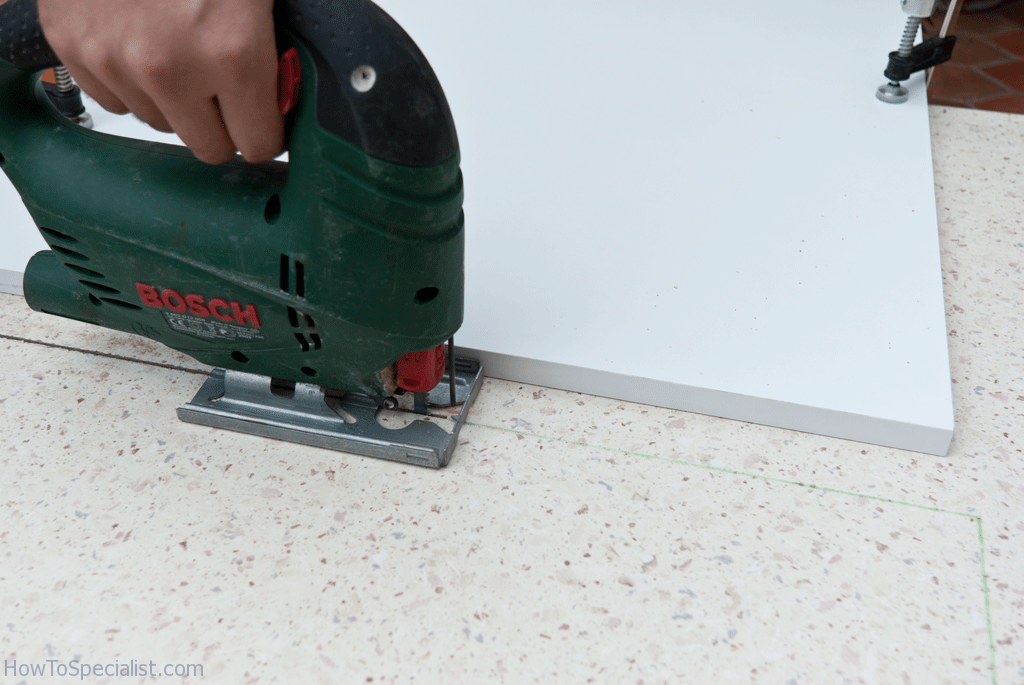
Image Source: howtospecialist.com
Preparing for Your Countertop Cutting Project
Before you even think about making a cut, thorough preparation is key. This involves gathering your materials, ensuring you have the right safety gear, and meticulously planning your cuts. Proper preparation minimizes errors and makes the entire process smoother and safer, leading to a better outcome for your DIY countertop installation.
Essential Tools and Materials for Countertop Cutting
Successfully cutting kitchen countertops requires a specific set of tools and materials. Having everything ready before you begin will prevent interruptions and ensure you can complete the job efficiently.
- Measuring Tape and Pencil: For accurate measuring and marking.
- Straight Edge or Cutting Guide: Crucial for guiding your saw for straight cuts.
- Safety Glasses: To protect your eyes from dust and debris.
- Hearing Protection: Saws can be very loud.
- Dust Mask or Respirator: To protect your lungs from fine particles.
- Utility Knife: For scoring laminate and certain other materials.
- Circular Saw: A versatile tool for many countertop materials.
- Carbide Saw Blade: The correct type of blade is critical for clean cuts.
- Jigsaw: Useful for making curved cuts or cutouts for sinks.
- Router with Straight Bit: For edge finishing and creating clean edges.
- Clamps: To secure the countertop to your work surface.
- Drop Cloths or Tarps: To protect your floors from dust and debris.
- Vacuum Cleaner: For immediate cleanup of dust.
- For Stone Countertops (Granite, Quartzite):
- Wet Saw for Granite: Essential for precise, dust-free stone cutting.
- Diamond Blade: Specifically designed for cutting stone.
- Water Supply: For the wet saw.
- For Quartz Countertops:
- Circular Saw for Quartz: With a specialized diamond-grit blade.
- Coolant or Water: To keep the blade and material cool.
- For Laminate Countertops:
- Fine-Tooth Carbide Saw Blade: For a clean cut on laminate.
- Scoring and Snapping Laminate: An alternative method for straight cuts.
The Importance of Accurate Measuring and Marking Countertops
Precision is paramount when measuring and marking countertops. Even a slight inaccuracy can lead to a poor fit, requiring more extensive (and potentially difficult) rework.
Steps for Measuring and Marking:
- Measure Cabinetry: Measure the length and depth of all base cabinets where the countertop will sit. Account for any overhang you desire.
- Measure Walls: Measure the length of any walls the countertop will butt up against.
- Mark the Cut Lines: Use your measuring tape and a sharp pencil to clearly mark the exact cut lines on the underside of the countertop. It’s often recommended to mark the cutting line on the underside to hide any minor saw marks.
- Account for Sinks and Appliances: Precisely mark the dimensions and locations for sink cutouts, cooktop openings, and any other appliance installations. Double-check these measurements multiple times.
- Use a Straight Edge: For long, straight cuts, use a reliable straight edge clamped firmly to the countertop. This acts as a guide for your saw, ensuring a clean, straight line.
Executing Cuts for Different Countertop Materials
The method for cutting kitchen countertops varies significantly depending on the material. Understanding the unique properties of each material is crucial for selecting the right tools and techniques.
Cutting Laminate Countertops: Precision and Clean Edges
Laminate countertops are common in many kitchens due to their affordability and variety of designs. While they are generally easier to cut than stone or solid surface materials, achieving clean edges requires attention to detail.
Scoring and Snapping Laminate
For simple straight cuts on laminate, the scoring and snapping method can be very effective and produces minimal dust.
Steps for Scoring and Snapping:
- Mark Your Cut Line: Clearly mark the cut line on the top surface of the laminate.
- Score the Laminate: Using a sharp utility knife and a straight edge, score the laminate deeply along the marked line. Make multiple passes to ensure a deep score.
- Score the Back: Flip the countertop over and score the back side along the same line. This helps to weaken the core material.
- Snap the Laminate: Position the countertop so that the scored line is over the edge of a sturdy workbench or sawhorses. Apply firm, steady pressure downwards on the overhang to snap the material cleanly along the score line.
- Trim Any Excess: If there’s any rough edge remaining, you can carefully trim it with the utility knife or sand it smooth.
Using a Circular Saw for Laminate
For more complex cuts or when scoring and snapping isn’t practical, a circular saw is the tool of choice.
Steps for Using a Circular Saw:
- Install the Correct Blade: Use a carbide saw blade with a high tooth count (60-80 teeth). This will ensure a cleaner cut and reduce chipping of the laminate.
- Set Blade Depth: Adjust the circular saw’s blade depth so that it extends just slightly beyond the thickness of the countertop material. This minimizes tear-out on the opposite side.
- Clamp Your Guide: Securely clamp a straight edge or a commercial cutting guide to the countertop, aligning it with your marked cut line. Ensure the guide is positioned so the saw blade will cut precisely on your line.
- Support the Cut-off Piece: It’s crucial to support the piece of countertop that will be cut off. As the blade exits the material, the unsupported piece can break away, causing damage. Use scrap wood or sawhorses to provide support.
- Make the Cut: With the saw’s base plate firmly against the guide, make a smooth, consistent pass. Let the saw do the work; don’t force it.
- Edge Finishing: After cutting, the edge may require minor sanding to smooth any rough spots.
Cutting Quartz Countertops: Heat Management and Diamond Blades
Quartz, being an engineered stone, requires a different approach due to its hardness and susceptibility to heat damage. Using the correct tools and techniques is vital for preventing cracks and achieving a clean finish.
The Circular Saw for Quartz
A standard circular saw, when fitted with the appropriate blade, can effectively cut quartz.
Key Considerations for Cutting Quartz:
- Diamond-Grit Blade: You must use a diamond-grit blade designed specifically for cutting engineered stone or quartz. These blades are designed to handle the abrasive nature of quartz and dissipate heat effectively.
- Blade Speed: Maintain a moderate blade speed. Too fast can generate excessive heat, and too slow can lead to chipping.
- Water Cooling: To prevent overheating, which can crack the quartz, it’s highly recommended to use a water-cooling system. This can be as simple as a steady stream of water from a hose or a dedicated wet-cutting attachment for your saw. This also significantly reduces dust.
- Support: Ensure the countertop is well-supported on both sides of the cut line.
- Controlled Pressure: Apply steady, even pressure. Avoid forcing the saw, as this can cause the blade to bind and damage the material.
- Dust Control: Even with water cooling, quartz dust is hazardous. Always wear a respirator and ensure good ventilation.
Steps for Cutting Quartz with a Circular Saw:
- Measure and Mark: Accurately measure and mark your cut lines on the underside of the quartz slab.
- Set Up Water Cooling: Connect your water source to the saw’s cooling system or have someone carefully direct a stream of water onto the blade as you cut.
- Clamp Your Guide: Securely clamp a sturdy straight edge to the countertop along your cut line.
- Make the Cut: Begin the cut slowly, allowing the water to cool the blade. Keep the saw moving smoothly and steadily through the material.
- Clean Up: After cutting, rinse the area to remove any slurry and dust.
Using a Wet Saw for Granite and Other Stone
For natural stone like granite or quartzite, a wet saw for granite is the preferred tool. This specialized saw uses a diamond blade and a continuous flow of water to keep the blade cool and lubricate the cut, minimizing dust and preventing the blade from overheating.
Steps for Cutting Stone with a Wet Saw:
- Set Up the Wet Saw: Ensure the water reservoir is filled and the pump is working correctly.
- Position the Stone: Place the granite or quartzite slab onto the wet saw’s table.
- Mark Your Cut Line: Transfer your measurements and cut lines to the stone. You can mark with a pencil or a water-resistant marker.
- Align the Blade: Position the stone so the diamond blade is perfectly aligned with your cut line.
- Start the Cut: Turn on the saw and allow the water to flow. Gently feed the stone into the blade.
- Maintain Steady Feed: Keep a consistent, steady feed rate. Don’t rush the cut. The water will carry away the debris and keep the blade cool.
- Sink Cutouts: For sink cutouts, you’ll typically need to make multiple straight cuts to remove the center piece.
Cutting Solid Surface Countertops: Versatility and Clean Finishes
Solid surface materials (like Corian®) are generally easier to cut than stone but still require proper technique for a seamless finish.
Steps for Cutting Solid Surface:
- Use a Fine-Tooth Blade: A carbide saw blade with a high tooth count (preferably 60-80 teeth) is recommended.
- Set Blade Depth: Adjust the blade depth to extend just slightly beyond the material’s thickness.
- Clamp Your Guide: Use a sturdy straight edge clamped firmly to the countertop.
- Support the Material: Ensure the countertop is well-supported, especially the section being cut off.
- Make the Cut: Move the saw smoothly and steadily through the material.
- Sink Cutouts: For sink cutouts, a jigsaw with a fine-tooth blade is ideal. Start the cut by drilling a pilot hole within the cutout area, then insert the jigsaw blade and carefully follow your marked lines.
Safe Countertop Cutting Practices
Safe countertop cutting is paramount. Countertop materials can be heavy, and power tools can be dangerous if not used correctly. Prioritizing safety will prevent injuries and ensure a successful project.
Personal Protective Equipment (PPE)
Always wear the appropriate PPE:
- Safety Glasses: Essential for all cutting operations.
- Hearing Protection: Earplugs or earmuffs are necessary when using power saws.
- Dust Mask or Respirator: Crucial for preventing inhalation of fine particles, especially from quartz and stone.
- Gloves: Can improve grip and protect hands.
- Sturdy Footwear: Protects your feet from dropped materials or tools.
Tool Safety and Maintenance
- Read Tool Manuals: Familiarize yourself with the operating instructions for all your tools.
- Blade Condition: Ensure your saw blades are sharp and free of damage. A dull blade requires more force, increasing the risk of kickback and producing a poorer cut.
- Secure Workpiece: Always clamp down the countertop securely before cutting. Never attempt to cut freehand.
- Kickback Awareness: Be aware of the potential for kickback, where the saw blade suddenly jerks back towards you. This often happens when the blade binds in the material. Maintain a firm grip and proper body positioning.
- Electrical Safety: Ensure power cords are in good condition and avoid working in wet conditions unless using tools specifically designed for wet use.
Dust and Debris Management
- Ventilation: Work in a well-ventilated area, ideally outdoors.
- Dust Collection: If your saw has a dust collection port, connect it to a shop vacuum.
- Water Suppression: For materials like quartz and granite, using water during cutting (wet cutting) drastically reduces airborne dust.
Countertop Edge Finishing: The Final Touches
Once your main cuts are made, the next step in countertop fabrication is countertop edge finishing. This is where you refine the cut edges, ensuring they are smooth, free of imperfections, and ready for installation.
Sanding and Smoothing Edges
- Sanding Blocks and Sandpaper: For laminate and solid surface, use a sanding block with progressively finer grits of sandpaper (starting around 120-grit and moving up to 220-grit or higher) to smooth the cut edge.
- Router and Roundover Bit: For a professional, eased edge on laminate or solid surface, a router with a roundover bit is excellent. This softens the sharp 90-degree angle. Always clamp the countertop securely and use a router guide for smooth, consistent results.
- Diamond Honing Pads: For stone countertops, specialized diamond honing pads are used to smooth and polish the cut edges. These come in various grits, similar to sandpaper.
Sealing Edges (If Applicable)
Some countertop materials, particularly natural stone and some solid surfaces, may require sealing after cutting and edge finishing. Check the manufacturer’s recommendations for your specific material.
Frequently Asked Questions (FAQ)
What is the best blade for cutting quartz countertops?
The best blade for cutting quartz countertops is a diamond-grit blade specifically designed for engineered stone. These blades are formulated to handle the abrasive nature of quartz and often incorporate features for heat dissipation.
Can I cut granite with a regular circular saw?
No, you should not cut granite with a regular circular saw. Granite is extremely hard and abrasive. Attempting to cut it with a standard blade will quickly dull or destroy the blade, create excessive dust, and is unlikely to produce a clean cut. A wet saw for granite with a diamond blade is essential.
How do I prevent chipping when cutting laminate?
To prevent chipping when cutting laminate, use a carbide saw blade with a high tooth count. Ensure the blade is sharp and set to the correct depth. Support the material well, especially the piece being cut off, and use a guide for a smooth, consistent cut. For straight cuts, scoring and snapping laminate is often the best method to avoid chipping.
What is the safest way to cut countertops?
The safest way to cut countertops involves wearing appropriate personal protective equipment (PPE) like safety glasses, hearing protection, and a respirator. Always secure the countertop before cutting, use sharp blades, maintain proper tool control, and ensure good ventilation or use water suppression for dust control.
How do I finish countertop edges after cutting?
After cutting, countertop edge finishing typically involves sanding the edges smooth with progressively finer grit sandpaper or using a router with a specialized bit (like a roundover bit) for a shaped edge. For stone, diamond honing pads are used. Always check manufacturer recommendations for specific finishing techniques.
What is the difference between cutting quartz and granite?
The main difference lies in the tools and techniques required. Granite is a natural stone, best cut with a wet saw for granite and a diamond blade, with water cooling being crucial. Quartz is an engineered stone; while a circular saw for quartz can be used with a specialized diamond blade and water cooling, it’s also very hard and requires similar precautions to natural stone to prevent heat damage and cracking.
This comprehensive guide should equip you with the knowledge and confidence to tackle the crucial step of cutting your kitchen countertops for a successful DIY countertop installation. Remember to prioritize safety, use the correct tools, and take your time for the best results in your countertop fabrication project.