
Image Source: cdn.apartmenttherapy.info
How To Clean Wooden Kitchen Units Effectively
Can you use water on wooden kitchen cabinets? Yes, but sparingly and with the right methods to avoid damage. How do you remove grease from wooden cabinets? Gentle cleaning solutions and specific techniques are key. This guide will show you the best way to clean kitchen units and keep them looking their best for years to come. We’ll cover everything from daily upkeep to tackling tough stains and how to polish wooden kitchen units to a beautiful shine.
Revitalizing Your Wood Kitchen Cabinet Cleaning Routine
Keeping your wood kitchen cabinets clean is essential for both the look and longevity of your kitchen. Over time, cabinets can accumulate grease, food splatters, dust, and general grime. This build-up not only looks unsightly but can also damage the wood finish if left untreated. Mastering wood kitchen cabinet cleaning is an art, and with the right knowledge, you can achieve sparkling results without harming your precious cabinetry.
Daily Touches for Pristine Cabinets
A little effort each day goes a long way in maintaining clean wood cupboards.
- Wipe Down Surfaces: After cooking, a quick wipe-down of nearby cabinet fronts with a soft, damp cloth can prevent grease from setting.
- Address Spills Immediately: Don’t let spills sit. Wipe them up as soon as they happen with a dry or slightly damp cloth.
- Ventilate Your Kitchen: Good ventilation helps reduce grease build-up. Use your extractor fan when cooking.
Weekly Deep Clean for Wood Kitchen Cabinets
Once a week, dedicate a little more time to a more thorough clean. This ensures that even hidden grime is tackled.
- Choose Your Cleaning Solution Wisely: The best way to clean kitchen units depends on the finish and the type of dirt. For most situations, a mild soap and water solution is excellent.
- Gather Your Supplies: You’ll need soft microfiber cloths, a mild dish soap, a bucket, and possibly a natural wood cleaner for cabinets.
- Work Section by Section: This prevents the cleaning solution from drying on the wood. Start at the top and work your way down.
- Gentle Wiping: Dip a microfiber cloth into your cleaning solution, wring it out thoroughly so it’s just damp, not wet. Wipe down the cabinet fronts.
- Rinse and Dry: Use a separate clean cloth, slightly dampened with plain water, to wipe away any soap residue. Immediately follow with a dry, soft cloth to buff the surface dry. This step is crucial to prevent water damage.
Tackling Tougher Challenges: Removing Grease from Wooden Cabinets
Grease is a common enemy of kitchen cabinets, especially those near the hob. Removing grease from wooden cabinets requires a bit more attention.
Effective Grease-Busting Methods
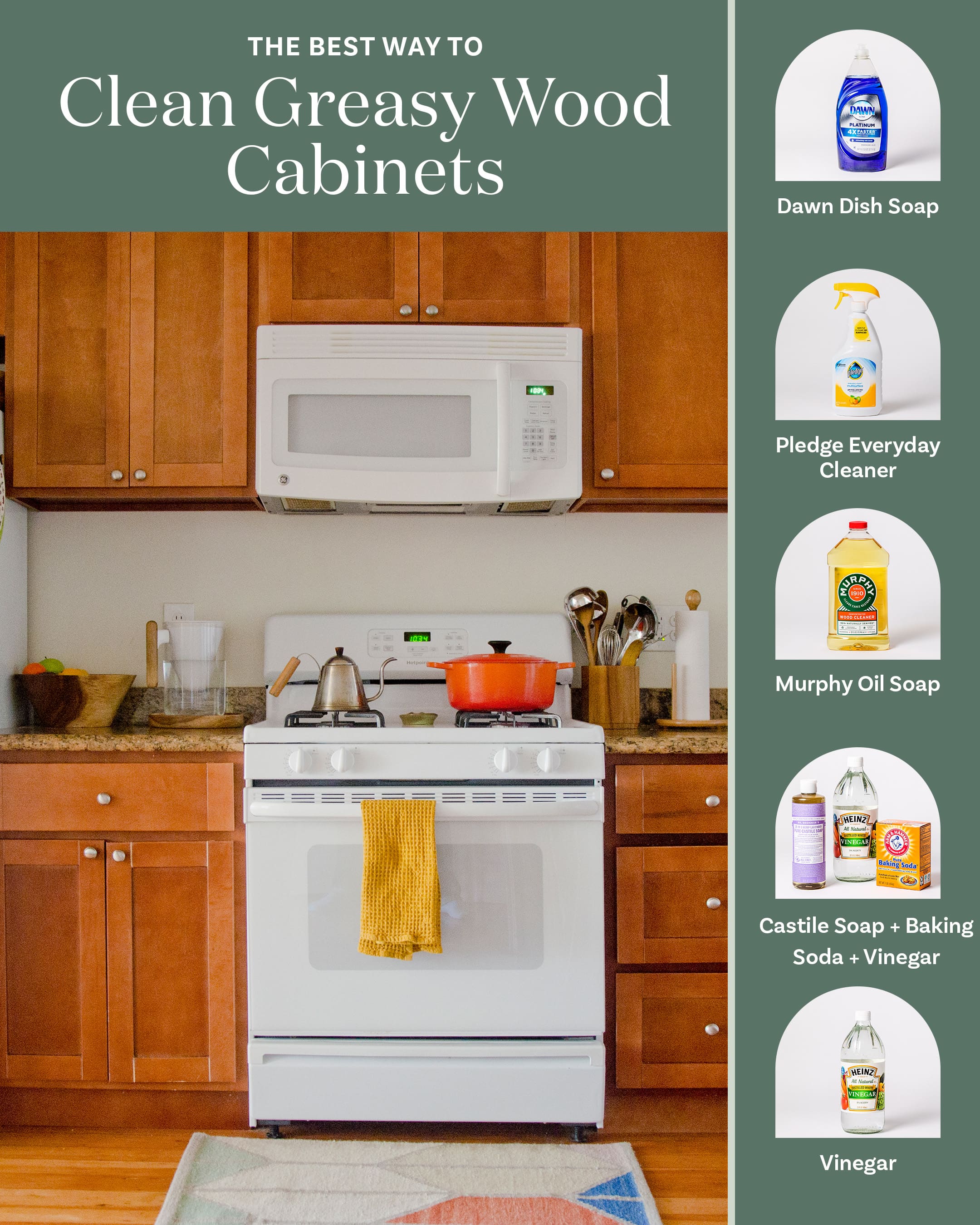
- Mild Dish Soap and Warm Water: This is often the most effective and safest solution. Mix a few drops of mild dish soap with warm water. Dip your cloth, wring it out well, and wipe the greasy areas. You might need to go over it a couple of times.
- Baking Soda Paste: For stubborn grease spots, a paste of baking soda and water can be effective. Apply the paste to the greasy area, let it sit for a few minutes, then gently wipe away with a damp cloth. Be sure to rinse thoroughly and dry immediately. Always test this method on an inconspicuous area first.
- Vinegar Solution (Diluted): White vinegar can cut through grease, but it’s acidic. Always dilute it heavily with water (one part vinegar to three or four parts water). Use sparingly with a well-wrung-out cloth, and rinse thoroughly with plain water afterward, followed by drying. This is best for very greasy areas and not for regular cleaning.
Important Note: Avoid harsh chemicals, abrasive cleaners, or steel wool, as these can strip the finish or scratch the wood.
Cleaning Kitchen Shelves Wood: A Specific Approach
Cleaning kitchen shelves wood requires a similar gentle approach to cabinet fronts, with a focus on preventing moisture damage.
- Empty Shelves: For a thorough clean, remove everything from the shelves.
- Dusting: Start by dusting the shelves with a dry microfiber cloth.
- Wipe Down: Use a slightly damp cloth with mild soap and water to wipe down the shelves. For shelves that are heavily used or prone to spills, ensure you wring the cloth out extremely well.
- Drying: Always dry the shelves completely with a clean, dry cloth immediately after wiping. This is especially important for the undersides of shelves and corners.
- Inside Shelves: For the interior, the same principles apply. A damp cloth followed by immediate drying is best. If you have removable shelves, you might be able to give them a more thorough wipe down, but avoid soaking them.
Natural Wood Cleaner for Cabinets: Gentle and Effective Options
Many homeowners prefer to use natural wood cleaner for cabinets to avoid harsh chemicals. These options are often just as effective and safer for your family and the environment.
DIY Natural Cleaning Solutions
- Mild Dish Soap and Water: As mentioned, this is a go-to natural cleaner.
- Olive Oil and Lemon Juice (for polishing and light cleaning): Mix equal parts olive oil and lemon juice. Apply a small amount to a cloth and buff the cabinets. This can help remove light grime and add a lovely sheen. Test first in a hidden spot. Lemon juice also has mild degreasing properties.
- Cream of Tartar and Water Paste: For stubborn stains, a paste of cream of tartar and water can be effective. Apply, let sit briefly, then gently wipe away and rinse.
Considerations for Natural Cleaners:
- Test First: Always test any new cleaner, natural or otherwise, on an inconspicuous area of your cabinets to ensure it doesn’t damage the finish.
- Rinse and Dry: Even with natural cleaners, thorough rinsing and drying are paramount to protect the wood.
How to Polish Wooden Kitchen Units: Restoring Shine and Protection
Polishing is an excellent way to restore the natural beauty of your wooden kitchen units and provide a protective layer.
The Art of Polishing
- Choose a Wood Polish: Select a good quality furniture polish specifically designed for wood. There are many excellent options available, including beeswax-based polishes which offer great protection.
- Clean First: Always clean your cabinets thoroughly before polishing. Polish applied over dirt and grease won’t achieve the desired effect and can even create streaks.
- Apply Sparingly: Apply a small amount of polish to a clean, soft cloth.
- Buff Gently: Rub the polish into the wood using circular motions. Work in small sections.
- Buff Off: Use a separate clean, dry cloth to buff away any excess polish, following the grain of the wood. This will reveal a beautiful, lustrous shine.
Frequency of Polishing
The frequency of polishing depends on the usage and environment of your kitchen.
- General Recommendation: Once or twice a year is usually sufficient for most kitchens.
- High-Traffic Areas: Cabinets that get a lot of use, especially near the hob or sink, might benefit from polishing every 6-9 months.
- Observe the Finish: If the wood starts to look dull or feel dry, it’s a good time to polish.
Cleaning Wood Worktops: Keeping Your Kitchen Hub Sparkling
Cleaning wood worktops requires a slightly different approach as they are subject to more direct use and moisture.
Best Practices for Wood Worktops
- Daily Wipe-Down: After each use, wipe down your worktops with a damp cloth and mild soap. Dry thoroughly.
- Avoid Soaking: Never leave standing water on wood worktops. This can cause warping and damage.
- Cutting Boards: Use cutting boards to prevent scratches and cuts directly on the wood.
- Hot Pans: Always use trivets or heat pads under hot pots and pans.
- Stubborn Stains: For stains on worktops, you might use a slightly stronger solution. A paste of baking soda and water or a diluted vinegar solution can be tried, but always rinse and dry immediately. Sanding very light stains might also be an option if your worktop is sealed and you are comfortable with it.
- Oiling and Sealing: Regularly oiling (with food-grade mineral oil) or sealing wood worktops is crucial for protection against stains and moisture. This is a form of protecting wooden kitchen surfaces.
Protecting Wooden Kitchen Surfaces: Long-Term Care
Protecting wooden kitchen surfaces is key to ensuring their beauty and durability.
Essential Protective Measures
- Regular Cleaning: Consistent, gentle cleaning prevents grime from accumulating and damaging the finish.
- Prompt Spill Cleanup: Act quickly to wipe up spills, especially acidic liquids like wine, vinegar, or fruit juice.
- Use Trivets and Mats: Protect surfaces from heat and moisture by using coasters, trivets, and placemats.
- Avoid Harsh Chemicals: Stay away from abrasive cleaners, ammonia, bleach, and strong solvents.
- Maintain Finishes: For oiled worktops, re-oil as needed. For lacquered or varnished cabinets, avoid harsh cleaning that could strip the finish.
- Ventilation: Good airflow in the kitchen helps reduce humidity and grease build-up.
- Sunlight: Minimize direct, prolonged sunlight exposure, as this can fade and dry out wood finishes over time.
Deep Cleaning Wood Cupboards: Addressing the Nitty-Gritty
Sometimes, wood cupboards need more than a routine clean. This is when you tackle ingrained dirt and less frequent issues.
Step-by-Step Deep Clean
- Empty Everything: Remove all contents from the cupboards and drawers.
- Dust Thoroughly: Use a soft brush or microfiber cloth to remove all loose dust from shelves, corners, and cabinet interiors.
- Prepare Your Solution: Mix a mild dish soap with warm water. Alternatively, use your chosen natural wood cleaner for cabinets.
- Clean Cabinet Fronts: Dip a soft cloth into the solution, wring it out very well. Wipe down all cabinet fronts, paying attention to handles and edges where grime collects.
- Clean Cabinet Interiors: Wipe down the inside of the cabinets and drawers. For tougher spots, you might need to gently scrub with the cloth.
- Address Shelves: Clean kitchen shelves wood as described earlier, ensuring no excess moisture is left.
- Rinse: Use a separate, clean cloth dampened with plain water to wipe away any soap residue from all surfaces.
- Dry Completely: This is the most critical step. Use dry microfiber cloths to thoroughly dry every surface you cleaned. Get into corners and edges.
- Polish (Optional but Recommended): Once dry, consider polishing your wooden kitchen units to restore shine and add protection.
Table: Common Kitchen Unit Cleaning Challenges and Solutions
| Challenge | Recommended Solution | Notes |
|---|---|---|
| General Grime & Dust | Mild dish soap and warm water solution. | Use a well-wrung-out damp cloth. Dry immediately with a soft cloth. |
| Grease Splatters | Mild dish soap and warm water, or a baking soda paste for stubborn spots. | For baking soda, apply, wait a few minutes, then gently wipe and rinse. Test baking soda first. |
| Food Stains (Non-Greasy) | Mild dish soap and water. For tougher stains, a dilute vinegar solution (1:4 vinegar to water). | Always rinse thoroughly and dry immediately. Vinegar is acidic, so use sparingly and dilute well. |
| Water Marks (Light) | For some finishes, a very dilute vinegar solution or a specialist wood cleaner might help. | Test in an inconspicuous area. Buffing with a dry cloth might also reduce their appearance. Deep water damage may require professional attention. |
| Fingerprints | Microfiber cloth, slightly damp if needed, followed by a dry buff. | Often, just a dry microfiber cloth is enough. |
| Scratches (Minor) | For some finishes, a furniture polish or wax can help camouflage minor scratches. For deeper scratches, professional repair or refinishing might be needed. | Do not try to fill scratches with inappropriate materials. |
| Dull Finish | Wood polish or beeswax-based product. | Ensure cabinets are clean and dry before polishing. |
| Removing Odors from Cupboards | Open cupboards to air out. Place bowls of baking soda or activated charcoal inside. | Ensure cupboards are clean before airing out. |
Frequently Asked Questions About Cleaning Wooden Kitchen Units
Q1: Can I use all-purpose cleaners on my wooden kitchen cabinets?
A: It’s generally best to avoid most all-purpose cleaners. Many contain harsh chemicals that can damage the wood finish, strip away protective layers, or cause discoloration. Stick to mild dish soap and water or specialized wood cleaners.
Q2: How often should I clean my wood kitchen cabinets?
A: A quick wipe-down after cooking daily is ideal. A more thorough clean can be done weekly or bi-weekly, depending on your kitchen’s usage. Polishing can be done once or twice a year.
Q3: My cabinets have a matte finish. How should I clean them?
A: Matte finishes require even more care. Use very little moisture, and always dry immediately. Avoid polishes that can create a shine, and opt for a cleaner that won’t alter the finish. A dry microfiber cloth is often sufficient for daily cleaning.
Q4: What if my cabinets are very old or have a delicate finish?
A: For antique or delicate finishes, it’s always best to consult a professional restorer or conservator. If you must clean them yourself, use the absolute gentlest methods: a dry cloth for dusting, and a barely damp cloth with plain water for minimal cleaning, followed by immediate drying.
Q5: Can I use furniture polish on the inside of my cabinets?
A: It’s generally not recommended to polish the inside of cabinets, especially where food items are stored. Dusting and occasional wiping with a slightly damp cloth are usually sufficient. If you need to clean interior surfaces, ensure they are completely dry before closing the doors.
By following these guidelines, you can effectively clean and maintain your wooden kitchen units, ensuring they remain a beautiful and functional part of your home for many years. Remember, consistency and gentle care are the keys to long-lasting, beautiful wooden cabinetry.