
Grease build-up on kitchen cupboards is a common problem that can make your kitchen look dull and unkempt. Yes, you can effectively clean kitchen cupboards with grease using a variety of methods, from natural solutions to commercial degreasers. This guide will walk you through the best ways to tackle that stubborn, oily film and restore your cabinets to their former glory. We’ll cover everything you need to know to degrease kitchen cabinets, remove oily buildup from cupboards, and even share some fantastic kitchen cabinet cleaning hacks.
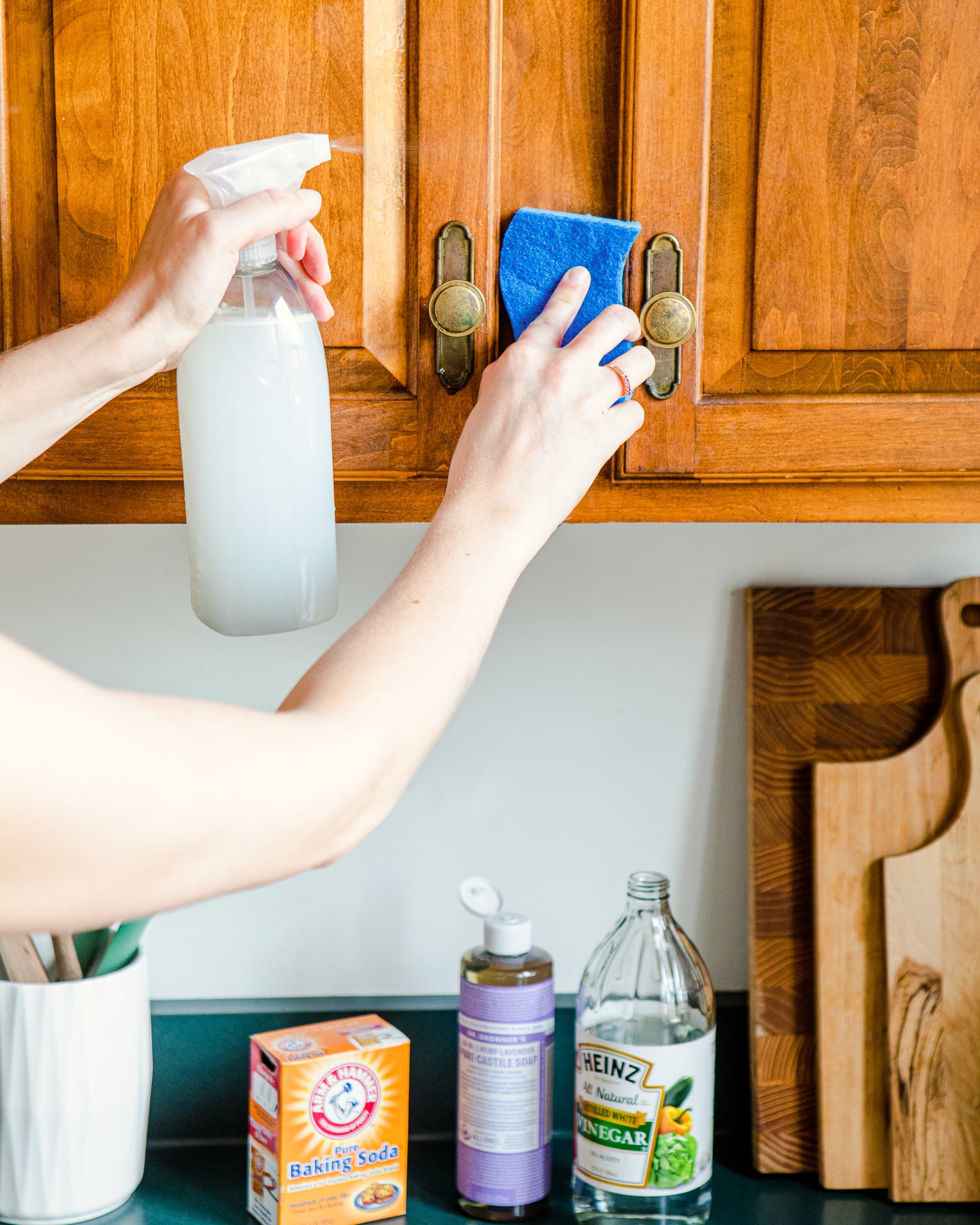
Image Source: cdn.apartmenttherapy.info
Why Grease Accumulates on Kitchen Cupboards
Before we dive into the cleaning process, let’s briefly touch on why this greasy layer forms. Every time you cook, tiny droplets of oil and fat become airborne. These microscopic particles settle on all surfaces in the kitchen, especially those closest to the stove and oven. Over time, these particles combine with dust and food particles, creating a sticky, unsightly film. The heat from cooking can also contribute to this build-up, making it adhere more firmly to your cabinet surfaces.
Preparing Your Kitchen for Cleaning
Proper preparation makes the cleaning process much smoother.
Clearing the Cabinets
- Empty the cupboards: Remove all items from the cabinets you plan to clean. This prevents them from getting dirty and makes accessing the cabinet surfaces easier.
- Wipe down items: As you remove items, give them a quick wipe with a damp cloth to remove any surface dust or grease.
Protecting Your Workspace
- Lay down old towels or newspapers: Place these on your countertops and floor below the cabinets you’ll be cleaning. This will catch any drips and protect your surfaces from cleaning solutions.
- Ensure good ventilation: Open windows or turn on your kitchen exhaust fan. This is especially important when using commercial cleaners.
Choosing Your Cleaning Solution: Natural vs. Commercial
There are numerous options for cleaning greasy kitchen cabinets, offering effective results for different needs and preferences.
Natural Grease Removers for Cabinets
Many common household items can effectively degrease kitchen cabinets without harsh chemicals. These are often safer for your family and the environment.
1. Dish Soap Solution
This is a classic and often the most effective solution for everyday grease.
What you’ll need:
- Warm water
- Mild dish soap (like Dawn)
- Two soft cloths or sponges
- A bowl or bucket
How to use it:
- Fill a bowl or bucket with warm water.
- Add a few drops of mild dish soap. You don’t need a lot; too much soap can leave a residue.
- Dip one cloth or sponge into the soapy water and wring it out well. The cloth should be damp, not dripping wet.
- Gently wipe down the cabinet surfaces, focusing on areas with visible grease.
- Rinse the cloth frequently in clean water and reapply the soapy solution as needed.
- Use the second, clean, damp cloth to wipe away any soap residue.
- Finally, use a dry, soft cloth to buff the cabinets dry and prevent water spots.
Why it works: Dish soap is specifically designed to cut through grease and oil. Its surfactant properties allow it to break down the oily film, making it easy to wipe away.
2. Baking Soda Paste
Baking soda is a mild abrasive that can help lift stubborn grease without scratching most surfaces. It’s a great option for removing oily buildup from cupboards.
What you’ll need:
- Baking soda
- Water
- A small bowl
- A soft cloth or sponge
- A dry cloth
How to use it:
- In a small bowl, mix baking soda with just enough water to form a thick paste.
- Apply the paste directly to the greasy areas on your cabinets.
- Let the paste sit for 5-10 minutes to allow it to work on the grease.
- Gently scrub the area with a damp, soft cloth or sponge.
- Wipe away the paste and loosened grease with a clean, damp cloth.
- Rinse your cloth thoroughly and wipe the cabinets again to remove any residue.
- Dry the cabinets with a soft, dry cloth.
Why it works: Baking soda’s alkaline nature helps to break down grease. Its gentle abrasive quality helps to scrub away stuck-on grime.
3. White Vinegar Solution
White vinegar is a natural degreaser and disinfectant that can be very effective.
What you’ll need:
- White vinegar
- Water
- A spray bottle
- Two soft cloths
How to use it:
- Mix equal parts white vinegar and water in a spray bottle.
- Lightly mist the cabinet surface with the solution. Avoid soaking the cabinets, especially if they are unsealed wood.
- Let the solution sit for a minute or two to start breaking down the grease.
- Wipe the cabinets with a soft, damp cloth, working in the direction of the wood grain if applicable.
- Use a second clean, damp cloth to wipe away the vinegar residue.
- Buff dry with a soft, dry cloth.
Why it works: Vinegar is acidic, which helps to dissolve grease and grime. It also has antimicrobial properties.
Important Note on Wood Cabinets: While vinegar is effective, it’s crucial to use it sparingly on wood cabinets. Prolonged exposure or overly concentrated solutions can potentially damage the finish. Always test in an inconspicuous area first.
4. Lemon Juice Solution
Lemon juice can also act as a natural degreaser and leaves a pleasant, fresh scent.
What you’ll need:
- Fresh lemon juice (or bottled lemon juice)
- Water
- A spray bottle
- Two soft cloths
How to use it:
- Mix equal parts lemon juice and water in a spray bottle.
- Spray the solution onto the greasy areas.
- Let it sit for a few minutes.
- Wipe clean with a damp cloth.
- Use a second damp cloth to remove residue.
- Dry and buff with a soft cloth.
Why it works: The citric acid in lemon juice helps to cut through grease and provides a natural shine.
DIY Kitchen Cabinet Cleaning Solutions
Here are a few DIY kitchen cabinet cleaning solutions for more specific needs:
Table 1: DIY Cabinet Cleaning Recipes
| Problem Area | Ingredients | Method | Notes |
|---|---|---|---|
| Light Grease | 1 cup warm water, 1 tsp mild dish soap | Mix in a bowl. Dampen cloth, wipe, rinse with clean damp cloth, dry. | Good for daily or light build-up. |
| Moderate Grease | 1 cup warm water, 1/4 cup white vinegar | Mix in spray bottle. Spray, wipe with damp cloth, rinse with clean damp cloth, dry. | Effective for more persistent grease. Test on a hidden area first for wood cabinets. |
| Stubborn Grease | 1/4 cup baking soda, 2-3 tbsp water | Make a paste. Apply to grease, let sit 10 mins. Gently scrub with damp cloth, wipe clean, rinse, dry. | Use gentle circular motions. |
| High-Gloss Finishes | 1 cup warm water, 1 tbsp mild dish soap, 1 tbsp olive oil | Mix. Dampen cloth, wipe gently, rinse with clean damp cloth, dry with a separate soft cloth. | The oil helps to restore shine and prevent drying. |
| Painted Cabinets | 1 cup warm water, 1 tbsp mild dish soap | Mix. Dampen a soft cloth, wipe gently. Rinse with a clean damp cloth. Dry immediately with a soft cloth. | Avoid abrasive cleaners or excessive scrubbing to protect the paint. |
Commercial Degreasers
When natural methods aren’t enough, commercial degreasers can be very powerful.
- All-purpose kitchen degreasers: These are readily available at most supermarkets. Look for products specifically labeled for kitchen use.
- Oven cleaners (use with extreme caution): While powerful, oven cleaners are very harsh. They should only be used as a last resort for incredibly stubborn, baked-on grease and only on surfaces that can withstand them. Always follow product instructions carefully and wear protective gear.
Important Considerations for Commercial Cleaners:
- Read the label: Always read and follow the manufacturer’s instructions carefully.
- Test first: Before applying any commercial cleaner to your entire cabinet, test it on an inconspicuous area to ensure it doesn’t damage the finish.
- Ventilation: Ensure the area is well-ventilated.
- Protective gear: Wear gloves to protect your skin and consider eye protection.
How to Deep Clean Kitchen Cabinets
A deep clean involves tackling more than just the surface layer of grease. This is where you’ll really remove oily buildup from cupboards.
Step-by-Step Deep Cleaning Process
-
Clear and Protect: As mentioned earlier, clear out your cabinets and protect your work area.
-
Start with a Degreasing Solution: Choose your preferred degreasing solution (dish soap, vinegar, or a commercial degreaser).
-
Apply and Wipe:
- For most solutions, dampen a soft cloth or sponge. Do not soak the cloth.
- Wipe down the cabinet doors and frames, working in sections.
- For tougher spots, you might need to apply a little more pressure or let the solution sit for a minute.
- Remember to clean hinges and handles too.
-
Tackle Stubborn Grease: If you encounter particularly stubborn spots, you might need to try one of these methods:
- Baking Soda Paste: Apply the paste, let it sit, and gently scrub.
- Second Application: Apply your chosen degreaser again to the problem area and let it sit for a few minutes before wiping.
- Gentle Scrub Brush: For very tough, caked-on grease, a soft-bristled brush or an old toothbrush can be helpful. Use it gently to avoid scratching.
-
Rinse Thoroughly: This is a crucial step to prevent residue build-up that can attract more dirt. Use a clean, damp cloth and wipe down all the surfaces you’ve cleaned. Rinse your cloth frequently in clean water.
-
Dry and Buff: Immediately after rinsing, use a soft, dry cloth to wipe down all surfaces. This prevents water spots and streaks and helps to shine kitchen cabinets after degreasing. For a brilliant shine, buff the cabinets in a circular motion.
Specific Cabinet Materials and Cleaning Techniques
The best way to clean greasy kitchen cabinets often depends on the material they are made from.
Laminate and Vinyl Cabinets
These are generally durable and easy to clean.
- Best method: Mild dish soap and water is usually sufficient.
- What to avoid: Abrasive cleaners, steel wool, or harsh solvents can damage the laminate or vinyl surface.
Painted Cabinets
Painted cabinets require a gentler approach to avoid stripping the paint.
- Best method: A solution of mild dish soap and warm water is ideal. Use a soft cloth and wipe gently.
- What to avoid: Scrubbing too hard, abrasive cleaners, or excessive moisture. Always dry immediately after wiping. If you’re dealing with very tough grease, test a diluted vinegar solution in an inconspicuous spot first.
Wood Cabinets
Wood cabinets can be finished in various ways (varnished, lacquered, painted, or natural).
-
Finished Wood (Varnished, Lacquered):
- Best method: Mild dish soap and water, or a diluted vinegar solution. Wipe with the grain.
- What to avoid: Excessive water, harsh chemicals, or abrasive scrubbing.
- Removing stubborn grease from wood cabinets: For very difficult build-up, a baking soda paste can be used with caution. Apply, let sit for a short time, then gently wipe with a soft, damp cloth, ensuring you rinse and dry thoroughly to prevent moisture damage.
- Restoring shine: After cleaning and drying, you can use a wood polish or a small amount of mineral oil on a cloth to buff the cabinets and restore their luster.
-
Natural Wood (Unfinished or Oiled):
- Best method: Use very mild solutions, like a damp cloth with a tiny bit of dish soap, or specific wood cleaners.
- What to avoid: Water, vinegar, or any strong cleaners that can stain or warp the wood.
- After cleaning: Consider applying a natural wood oil or polish to protect the surface.
Stainless Steel Cabinets
Stainless steel can show fingerprints and grease easily.
- Best method: Mild dish soap and water. Wipe with the grain. For a streak-free shine, use a microfiber cloth.
- Specialty cleaners: Stainless steel cleaners are also available and can be very effective.
- What to avoid: Steel wool, abrasive powders, or cleaners containing chlorine, as they can scratch or damage the finish.
Kitchen Cabinet Cleaning Hacks
Here are some kitchen cabinet cleaning hacks to make the job easier:
- Magic Eraser: Melamine foam sponges (like Mr. Clean Magic Eraser) can be surprisingly effective at lifting grease and grime. Always use them gently and damp, as they are mildly abrasive. Test in a hidden area first, especially on painted or delicate finishes.
- Microfiber Cloths: These are essential for cleaning. They are absorbent, non-abrasive, and excellent for buffing to a streak-free shine. Have several on hand – one for cleaning, one for rinsing, and one for drying/buffing.
- Toothbrushes: An old toothbrush is perfect for getting into crevices, around hardware, and along the edges of cabinet doors where grease tends to accumulate.
- Work Top-Down: If you’re cleaning a bank of cabinets, start with the top ones and work your way down. This way, any drips or splatters will fall onto uncleaned surfaces.
- Regular Maintenance: The best way to clean greasy kitchen cabinets is to prevent excessive build-up in the first place. Wipe down cabinets near the stove regularly with a damp cloth after cooking.
How to Shine Kitchen Cabinets After Degreasing
Once you’ve successfully degreased your cabinets, you’ll want them to shine.
- Buffing: After drying with a soft cloth, buff the cabinet surfaces in a circular motion. This helps to bring out the natural sheen of the material.
- Wood Polish: For wood cabinets, a good quality wood polish or furniture wax can add an extra layer of protection and shine. Apply a small amount to a soft cloth and buff.
- Mineral Oil: For natural wood or to revive the sheen on finished wood, a light application of mineral oil on a cloth can work wonders. Buff it in well.
- Glass Cleaner (for hardware): For metal handles and hinges, a quick spray of glass cleaner and a wipe with a microfiber cloth can make them sparkle.
Frequently Asked Questions (FAQ)
Q1: What is the best way to remove stubborn grease from wood cabinets?
A1: For stubborn grease on wood cabinets, start with a mild dish soap and water solution. If that doesn’t work, try a paste of baking soda and water applied gently with a soft cloth, followed by thorough rinsing and immediate drying. Always test any cleaner in an inconspicuous area first to avoid damaging the wood finish.
Q2: Can I use window cleaner to clean my kitchen cabinets?
A2: Window cleaner can be used on certain cabinet finishes, particularly those with glass inserts. However, for most cabinet materials, especially wood or painted surfaces, it’s not ideal. It can contain ammonia or alcohol, which can potentially dull or damage the finish over time. Stick to milder, specifically formulated or natural cleaners.
Q3: How often should I deep clean my kitchen cabinets?
A3: The frequency of deep cleaning depends on your cooking habits and kitchen environment. If you cook frequently with a lot of splattering, you might need to deep clean every 3-6 months. For lighter use, once or twice a year might suffice. Regular wiping down of high-traffic areas is key to reducing the need for frequent deep cleans.
Q4: Will vinegar damage my kitchen cabinets?
A4: Vinegar is acidic, so it can potentially damage the finish of certain cabinets, especially unsealed wood or delicate paint jobs, if used too frequently, too concentrated, or left to sit for too long. Always dilute vinegar with water (e.g., 1:1 ratio) and test it on a hidden spot first. Wipe clean and dry thoroughly afterward.
Q5: How do I clean the inside of my kitchen cabinets?
A5: For the inside of cabinets, a simple wipe-down with a damp cloth is usually sufficient. If there are spills or sticky residues, use a mild dish soap and water solution. Ensure the insides are completely dry before putting items back to prevent mold or mildew.
Conclusion
Cleaning greasy kitchen cupboards is a necessary chore, but with the right approach and the right solutions, it doesn’t have to be overwhelming. By understanding why grease builds up and employing effective cleaning methods, whether natural or commercial, you can successfully degrease kitchen cabinets and remove oily buildup from cupboards. Remember to always test your chosen cleaner on a small, hidden area first, work gently, and dry thoroughly to protect your investment and maintain the beauty of your kitchen for years to come. With these tips and kitchen cabinet cleaning hacks, you’ll have sparkling, grease-free cabinets in no time!