
Can you remove grease from cabinets easily? Yes, you can remove grease from cabinets easily using common household items and gentle cleaning techniques. What is the best cleaner for greasy cabinets? The best cleaner for greasy cabinets often involves a mild soap or a vinegar-based solution, tailored to the cabinet’s finish. This guide will show you how to effectively degrease wood cabinets and keep your kitchen looking its best.
Greasy kitchen cabinets are a common problem. Cooking, especially frying and sautéing, releases airborne grease that settles on every surface. Wooden cabinets, with their porous nature, can absorb this grease, leading to a sticky, dull appearance. If left unaddressed, this buildup can become difficult to remove and even damage the cabinet finish over time. But don’t worry! With the right approach, you can easily restore your cabinets to their former shine. We’ll explore various methods, from everyday cleaning to tackling tough grime, ensuring your kitchen cabinet maintenance is a breeze.
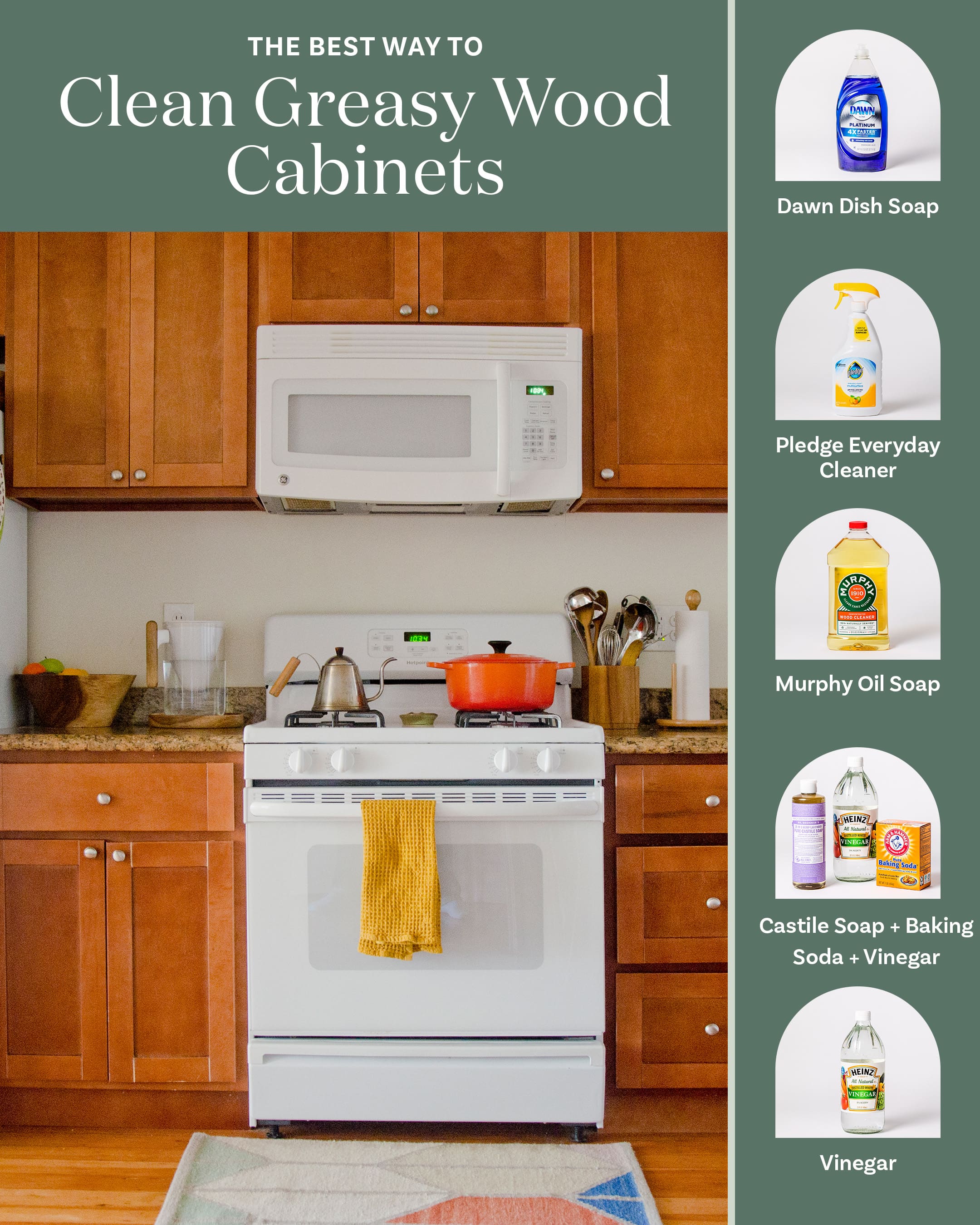
Image Source: cdn.apartmenttherapy.info
The Science Behind Greasy Cabinets
Before we dive into cleaning, let’s briefly touch on why grease is so persistent. Grease is essentially oil and fat. Oil and water don’t mix. This is why plain water often won’t cut through greasy buildup. You need something that can emulsify the grease – break it down into smaller droplets that can then be washed away with water. This is where soap and certain natural cleaners come in.
Why is Grease Tough to Remove?
- Adhesion: Grease molecules are sticky. They bond with surfaces, especially wood, making them hard to dislodge.
- Buildup: Over time, layers of grease accumulate, creating a thick film that’s more resistant to cleaning.
- Heat: Kitchen heat can bake grease onto surfaces, making it even more stubborn.
Preparing Your Cabinets for Cleaning
Before you start any deep cleaning, proper preparation is key. This ensures you don’t spread the grease around or damage your cabinets.
What You’ll Need:
- Two buckets (one for cleaning solution, one for rinse water)
- Soft, lint-free cloths or microfiber towels
- Mild dish soap
- White vinegar
- Warm water
- Optional: Baking soda, olive oil (for certain finishes)
- A soft-bristled brush or an old toothbrush for corners and crevices
- A dry cloth for buffing
Step-by-Step Preparation:
- Clear the Cabinets: Remove everything from the cabinet fronts. This gives you unobstructed access to the entire surface.
- Dust First: Always start by dusting the cabinets. This removes loose debris that could scratch the surface when you start wiping with a wet cloth. A dry microfiber cloth is perfect for this.
- Identify Your Cabinet Finish: Knowing your cabinet’s finish is crucial. Most modern wooden kitchen cabinets have a protective sealant, like lacquer, polyurethane, or varnish. Older cabinets might have a simpler oil or wax finish. Test any cleaning solution in an inconspicuous area (like the inside of a cabinet door) before applying it to the entire surface.
Effective Cleaning Methods to Degrease Wood Cabinets
Now, let’s get down to business! We have several effective ways to remove grease from cabinets, ranging from simple daily wipes to more intensive treatments.
Method 1: The Mild Soap and Water Approach (Best for Light Grease)
This is your go-to for regular cleaning and lighter grease buildup. It’s gentle and safe for most finishes.
How to Wipe Down Greasy Cabinets:
- Mix Your Solution: In one bucket, mix a few drops of mild dish soap (like Dawn) with warm water. You want suds, but not an overwhelming amount.
- Dampen, Don’t Soak: Dip a soft cloth into the soapy water and wring it out thoroughly. The cloth should be damp, not wet. Excess water can damage wood.
- Wipe Gently: Wipe down the cabinet fronts in the direction of the wood grain. Work in small sections.
- Rinse: Dampen a clean cloth with plain warm water and wring it out well. Wipe down the cabinets again to remove any soap residue.
- Dry and Buff: Immediately dry the cabinets with a clean, dry microfiber cloth. Buff gently to restore shine.
Pro Tip: This method is excellent for daily or weekly kitchen cabinet maintenance to prevent heavy buildup.
Method 2: The Vinegar Solution (For Moderate Grease)
White vinegar is a fantastic natural degreaser. Its acidity helps to break down oils and fats.
DIY Wood Cabinet Cleaner:
- Create the Mixture: Combine equal parts white vinegar and warm water in a spray bottle or bucket. For example, 1 cup of vinegar to 1 cup of water.
- Apply Sparingly: Lightly mist a section of the cabinet or apply the solution with a damp cloth. Avoid spraying directly onto the cabinets, especially near hinges or seams.
- Let it Sit (Briefly): For tougher spots, let the solution sit for a minute or two to start breaking down the grease.
- Wipe Clean: Wipe the area with a clean, damp cloth.
- Rinse: Use another clean, damp cloth with plain water to rinse away the vinegar solution.
- Dry Thoroughly: Dry the cabinets immediately with a soft, dry cloth.
Caution: While generally safe, vinegar can be too acidic for some delicate finishes or unsealed wood. Always test in a hidden spot first.
Method 3: Baking Soda Paste (For Stubborn Grease)
Baking soda is a mild abrasive that can help lift tough, baked-on grease without scratching.
How to Remove Grease from Cabinets with Baking Soda:
- Make a Paste: Mix baking soda with a small amount of water to create a thick paste.
- Apply to Grease: Gently apply the paste directly onto the greasy areas.
- Let it Work: Allow the paste to sit for 5-10 minutes.
- Gently Scrub: Using a damp, soft cloth or a soft-bristled brush, gently scrub the paste into the grease. Work with the wood grain.
- Wipe Away: Wipe away the paste with a clean, damp cloth. You may need to rinse the cloth several times.
- Rinse the Cabinets: Use a clean, damp cloth with plain water to remove any baking soda residue.
- Dry and Buff: Dry the cabinets thoroughly with a soft, dry cloth.
This is a good option for cleaning kitchen cabinet fronts where grease is heavily concentrated.
Method 4: Natural Cabinet Cleaner with Dish Soap and Baking Soda
This combination leverages the degreasing power of dish soap and the gentle abrasion of baking soda.
- Combine Ingredients: In a bowl, mix a tablespoon of mild dish soap with a tablespoon of baking soda. Add just enough warm water to form a paste.
- Apply: Apply the paste to a soft cloth or sponge.
- Clean: Gently rub the paste onto the greasy areas of your cabinets.
- Wipe and Rinse: Wipe the cabinets with a clean, damp cloth, rinsing the cloth frequently.
- Dry: Dry with a clean, dry cloth.
Method 5: Oil Residue Cabinet Cleaner (Specialty Cleaners)
For very tough, old grease buildup, you might consider a commercial cabinet cleaner specifically designed as an oil residue cabinet cleaner.
When to Use Commercial Cleaners:
- When DIY methods aren’t enough.
- If your cabinets have a particularly durable finish.
Tips for Using Commercial Cleaners:
- Read Labels Carefully: Always follow the manufacturer’s instructions.
- Test First: Even commercial cleaners should be tested in an inconspicuous area.
- Choose Wisely: Look for products labeled as safe for wood finishes. Avoid harsh chemicals like bleach or ammonia unless specifically recommended for your cabinet type.
Tackling Tough Spots and Specific Finishes
Some cabinet finishes require a bit more care.
For Painted Cabinets:
- Use the mild soap and water method or a very diluted vinegar solution.
- Avoid abrasive cleaners or scrubbing too hard, as this can chip or scratch the paint.
For Stained or Unfinished Cabinets:
- These are more sensitive. Stick to the mildest methods – slightly damp cloth with plain water for light dust.
- For grease, use a very dilute soap solution and wipe immediately.
- Always test any cleaner first. Excessive moisture can stain or warp unfinished wood.
For Deeply Ingrained Grease:
If the grease has penetrated the finish, it might be more challenging. You might need to repeat a cleaning process or use a slightly stronger solution.
- Repeat Application: Don’t be afraid to repeat the cleaning process on stubborn areas.
- Gentle Agitation: For very tough spots, use a soft-bristled brush or an old toothbrush to gently work the cleaner into the grime.
Maintaining Your Clean Cabinets
Preventing future grease buildup is easier than removing it. Good kitchen cabinet maintenance is key.
Daily Habits:
- Wipe Spills Immediately: Kitchen messes happen. Wipe up splatters and spills as soon as they occur.
- Quick Wipe-Down: After cooking, take a minute to wipe down cabinet fronts, especially around the stove and sink, with a dry microfiber cloth. This removes any fresh grease before it sets.
Regular Cleaning Schedule:
- Weekly: A quick wipe-down with a damp cloth (water or very diluted vinegar) can keep light dust and minor grease at bay.
- Monthly: A more thorough cleaning using one of the methods above will prevent significant buildup.
- Quarterly/Bi-Annually: Deep clean and consider applying a wood polish or protectant, depending on your cabinet finish.
Caring for Different Wood Finishes
The best cleaner for greasy cabinets also depends on the finish.
Lacquer and Polyurethane Finishes
These are common and durable.
- Cleaning: Mild soap and water is usually sufficient. A diluted vinegar solution can also be used.
- Avoid: Harsh chemicals, abrasive scrubbers, and excessive moisture.
- Protection: Occasionally buff with a soft cloth. For high-gloss finishes, a specific furniture polish designed for these surfaces can be used sparingly.
Varnish Finishes
Similar to lacquer and polyurethane, but can be slightly more susceptible to damage from strong cleaners.
- Cleaning: Gentle soap and water is best.
- Avoid: Ammonia, strong solvents, and abrasive materials.
Wax or Oil Finishes
These are more natural finishes and require a delicate touch.
- Cleaning: Wipe with a dry or very slightly damp cloth. For grease, try a mild dish soap solution sparingly. Wipe it off quickly.
- Re-waxing/Oiling: These finishes benefit from periodic reapplication of wax or oil to maintain their protective layer. Use products specifically designed for furniture with wax or oil finishes.
Table: Cleaning Solutions and Their Suitability
| Cleaning Solution | Effectiveness for Grease | Suitability for Wood Finishes | Best For | Cautions |
|---|---|---|---|---|
| Mild Dish Soap & Water | Moderate | Most Finishes | Light grease, regular cleaning | Use damp cloth, dry immediately |
| White Vinegar & Water | Good | Most Finishes (test first) | Moderate grease, tougher spots | Can etch some finishes, rinse thoroughly |
| Baking Soda Paste | Very Good | Most Finishes (test first) | Stubborn, caked-on grease | Mildly abrasive, test to ensure no scratching |
| Commercial Cabinet Cleaner | Excellent | Varies (check label) | Heavy buildup, specific oil residue | Follow instructions, test first |
| All-Purpose Cleaners | Variable | Generally NOT recommended | – | Can be too harsh, strip finish, damage wood |
Frequently Asked Questions (FAQ)
Q1: How often should I clean my kitchen cabinets?
A1: For best results and to prevent tough buildup, aim for a quick wipe-down weekly and a more thorough cleaning monthly. How often you need to deep clean depends on your cooking habits.
Q2: Can I use Windex on wooden kitchen cabinets?
A2: It’s generally not recommended to use Windex or other glass cleaners on wooden cabinets. They often contain ammonia, which can damage the finish and dry out the wood over time.
Q3: What about using furniture polish as an oil residue cabinet cleaner?
A3: Some furniture polishes contain mild cleaning agents and can help lift light grease. However, they are primarily for conditioning and adding shine. For significant grease removal, specific degreasers are more effective. Always choose a polish appropriate for your cabinet’s finish.
Q4: My cabinets feel sticky. What can I do?
A4: Stickiness usually indicates grease buildup. Try the vinegar and water solution or the baking soda paste method. Make sure to rinse thoroughly and dry completely.
Q5: Can I use abrasive sponges or scrub brushes?
A5: No. Unless you are dealing with extremely stubborn, caked-on grease on a very durable finish, avoid abrasive materials. They can scratch, dull, or remove the protective coating on your cabinets. Always opt for soft cloths and gentle scrubbing.
Q6: How do I clean the inside of my cabinets?
A6: The interior surfaces can usually be cleaned with mild soap and water or a diluted vinegar solution. Ensure good ventilation and allow the interiors to dry completely before replacing items.
By following these detailed steps and tips, you can effectively clean greasy wooden kitchen cabinets and maintain their beauty for years to come. Happy cleaning!