
What is texture in a kitchen, and can I add it easily? Texture in a kitchen refers to the way surfaces feel and look. Yes, you can absolutely add texture easily to your kitchen! It’s all about using different materials and finishes to create a more interesting and inviting space. Think rough, smooth, bumpy, shiny, or matte – these are all textures.
Your kitchen is often the heart of the home, a place for cooking, gathering, and making memories. But does it feel a little… flat? Adding texture is the secret ingredient to transforming a bland kitchen into a warm, visually appealing, and tactilely interesting haven. It’s not just about aesthetics; texture can impact the mood and functionality of your space. This guide will walk you through simple yet effective ways to introduce texture, making your kitchen a more enjoyable place to be.
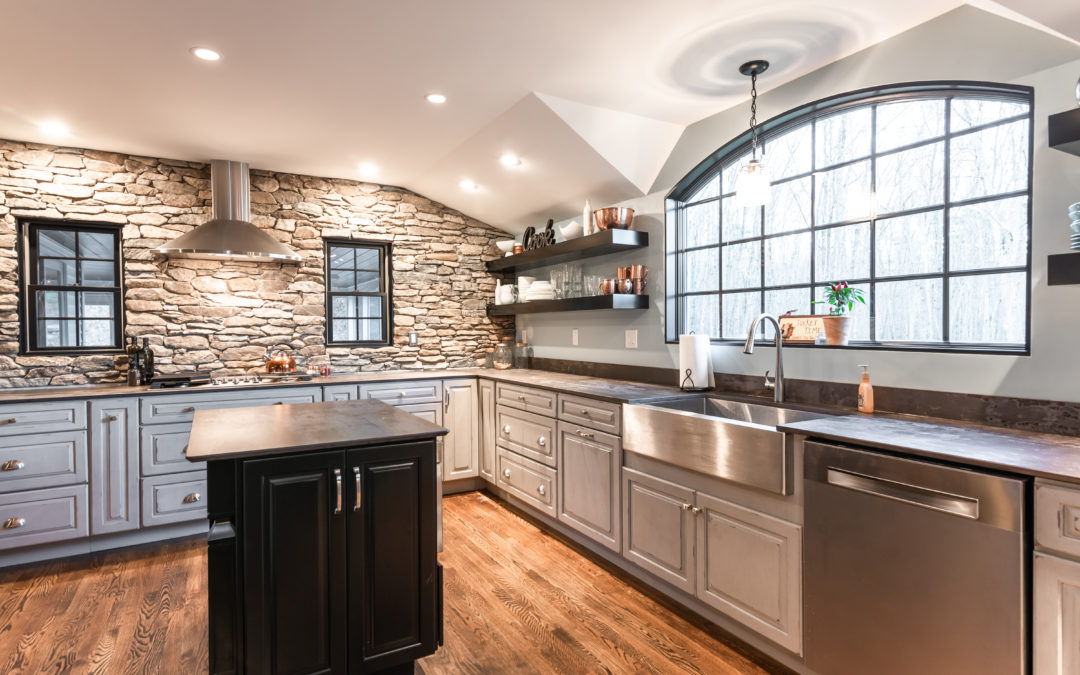
Image Source: fairviewkitchens.com
The Power of Tactile Appeal
Why bother with texture? Because our senses are engaged by more than just sight. When you can feel the difference between a cool, smooth granite countertop and a rustic wooden cutting board, your experience of the kitchen deepens. Texture adds depth, personality, and a sense of comfort. It prevents a room from feeling sterile or monotonous.
Think about it: a kitchen with only flat, shiny surfaces might feel cold and impersonal. But introduce a rough brick backsplash, a woven placemat, or cabinets with a subtle grain, and suddenly the space feels alive, welcoming, and layered. It’s like adding the right spices to a dish – it elevates the whole experience.
Transforming Surfaces: Beyond the Basics
Let’s dive into the specific areas where you can inject texture into your kitchen.
Kitchen Backsplash Ideas: More Than Just a Splash Guard
Your kitchen backsplash is a prime canvas for texture. It’s a vertical surface that gets noticed.
Tile’s Tactile Territory
- Subway Tile with a Twist: While classic, consider textured subway tiles. Look for options with a matte finish, slight beveling, or even a handmade look where the edges aren’t perfectly uniform. The grout lines also add a linear texture.
- Mosaic Magic: Small tiles, whether glass, stone, or ceramic, create intricate patterns and a busy, tactile surface. Consider a mosaic with varying finishes within it – some shiny, some matte.
- Stacked Stone or Ledgestone: These offer a natural, rugged texture. Each piece is unique, creating a dramatic and earthy feel. They can be a bold statement piece or used as an accent.
- Brick and Beyond:
- Exposed Brick: If you’re lucky enough to have exposed brick, clean it up and seal it for an instant industrial or rustic charm.
- Brick Veneer: For a similar effect without structural changes, brick veneer tiles offer the look and feel of real brick.
- Terracotta or Zellige Tiles: These Moroccan-inspired tiles have an uneven, handcrafted glaze that adds a beautiful, artisanal texture and slight imperfections.
Metal and Wood Finishes
- Metal Sheets: Stainless steel is classic, but consider brushed nickel, copper, or even a hammered metal finish for a different tactile and visual effect.
- Wood Paneling: Beadboard or shiplap offers a subtle, linear texture. For a bolder statement, consider reclaimed wood planks for a rustic, weathered look.
Table: Backsplash Texture Examples
| Material | Texture Description | Visual Impact |
|---|---|---|
| Matte Ceramic Tile | Smooth, non-reflective, subtle grain | Modern, clean, gentle visual flow |
| Stacked Stone | Rough, varied, natural undulations | Earthy, organic, strong focal point |
| Hammered Copper | Uneven, metallic, reflective in spots | Warm, artisanal, adds metallic richness |
| Reclaimed Wood | Grainy, distressed, possibly rough patches | Rustic, vintage, full of character |
| Zellige Tile | Irregular glaze, slightly bumpy surface | Handcrafted, artisanal, unique color depth |
Countertop Materials: The Workhorse with Flair
Your countertops are major players in your kitchen’s texture game.
Stone and Solid Surfaces
- Granite: Comes in a huge variety of patterns. Some granites have a very consistent, almost smooth feel, while others have more pronounced veining and speckles that add visual texture. A honed or leathered finish can reduce shine and add a softer, more matte texture than polished.
- Marble: Known for its veining, marble naturally adds visual texture. Polished marble is smooth and cool, while a honed finish offers a softer, more matte surface.
- Quartz: Generally very smooth and uniform. To add texture, consider quartz with a more complex veining pattern or a matte finish option.
- Concrete: Offers a distinctly industrial and subtly rough texture. It can be cast in place or as slabs, and finishes can range from polished smooth to acid-etched.
- Soapstone: Famously develops a patina over time, becoming smoother with use. Its natural, matte finish is inherently tactile.
Wood and Laminates
- Butcher Block: Provides a warm, natural wood grain texture. It’s a very inviting surface. Regular oiling enhances its look and feel.
- Laminate: Modern laminates can convincingly mimic natural textures like wood grain, stone, or concrete. Look for embossed finishes that replicate the feel of the material they represent.
Metal and Other Materials
- Stainless Steel: Smooth and cool, it offers a sleek, modern texture. Brushed finishes can add a subtle directional grain.
- Recycled Glass or Terrazzo: These materials incorporate visible flecks and fragments, creating a visually busy and textured surface.
Deciphering Countertop Textures:
- Polished: High shine, very smooth, reflects light.
- Honed: Matte finish, no shine, feels smoother than rough but not slippery.
- Leathered: Textured surface with pits and valleys, resembling the grain of leather. It has a matte appearance.
- Brushed: Often applied to metal, this creates a subtle directional grain.
Cabinet Finishes: The Backbone of Kitchen Texture
Your cabinets define the largest surfaces in your kitchen. Their finishes are crucial for texture.
Material and Finish Options
- Wood Grain: Natural wood cabinets – oak, maple, cherry, walnut – offer inherent grain textures. The direction and prominence of the grain vary by wood type.
- Painted Finishes:
- Smooth Matte: Offers a soft, velvety texture that absorbs light.
- Satin or Semi-Gloss: Reflects more light, giving a smoother visual appearance.
- Distressed or Antiqued: Achieved through techniques like sanding edges or applying glazes, these finishes add a worn, tactile quality.
- Laminate and Veneer: Modern options can mimic wood grain or offer unique textured patterns. Look for embossed finishes that add a physical dimension.
- Glass Fronts: While the glass itself is smooth, the view into the cabinets adds visual texture and depth. Consider seeded or frosted glass for a softer, more diffused texture.
- Open Shelving: Exposes the items stored on them, creating visual and textural layers with dishes, bowls, and decor.
Cabinet Styles and Details
- Shaker Style: The recessed center panel adds a subtle depth and shadow line, contributing to the overall visual texture.
- Raised Panel: The raised center panel creates a more pronounced dimensional effect.
- Beadboard or Flat Panel: These offer simpler, more linear textures.
- Appliance Garages and Pantry Doors: Consider contrasting textures here. A sleek stainless steel appliance garage against matte painted cabinets, for instance.
Wall Paint Techniques: Adding Depth to Walls
Walls don’t have to be boring flat expanses.
Beyond a Single Coat
- Matte Finish: The most forgiving and softest finish, absorbing light and creating a subtle, velvety texture.
- Eggshell/Satin: Offers a slight sheen, reflecting a bit more light and providing a smooth feel.
- Textured Paints: Some paints contain fine particles (like sand or mica) to create a subtle gritty or shimmering texture.
- Faux Finishes: Techniques like sponging, rag rolling, or Venetian plaster can create a multitude of textures, from subtle mottling to dramatic, layered effects.
- Accent Walls: Consider a wallpaper with a textured pattern – grasscloth, linen, or embossed designs – for a bold textural statement.
Flooring Options: The Foundation of Feel
Your kitchen floor is a large surface that you interact with daily.
Material and Surface Variety
- Natural Stone Tile: Travertine, slate, or tumbled marble offer natural variations in color and surface texture, from smooth to slightly rough.
- Ceramic or Porcelain Tile: Many tiles are designed to mimic natural materials like wood or stone, often with textured surfaces for slip resistance and visual appeal. Consider tiles with a matte, honed, or even slightly distressed finish.
- Hardwood Flooring: The natural grain of wood adds warmth and visual texture. Wide planks or hand-scraped finishes can enhance this.
- Luxury Vinyl Plank (LVP) or Tile (LVT): Modern LVP/LVT can convincingly replicate wood grain or stone textures with realistic embossing for added tactile feel.
- Concrete Flooring: Polished or stained concrete can offer a smooth, modern industrial texture. Consider options with a slight aggregate visible for added interest.
- Linoleum: A natural and eco-friendly option that can come in various colors and patterns, sometimes with subtle textures.
Fathoming Flooring Textures:
- Glossy: High shine, very smooth, can be slippery when wet.
- Matte: No shine, softer appearance, generally offers better grip.
- Honed: A smooth, non-reflective finish, often applied to stone.
- Textured/Embossed: Designed with raised patterns to mimic natural materials, improving grip and visual appeal.
Lighting Fixtures: Illuminating Texture
Lighting isn’t just about brightness; it can highlight and create texture.
Fixture Materials and Styles
- Woven Pendants: Natural materials like rattan, wicker, or seagrass create organic, tactile pendant lights that cast interesting shadows.
- Metal Finishes: Brushed nickel, antique brass, matte black, or oil-rubbed bronze offer different visual textures and warmth.
- Glass Shades: Frosted, seeded, or ribbed glass shades diffuse light and add a subtle visual texture to the fixture itself.
- Ceramic or Concrete Fixtures: These materials can offer a more sculptural, matte texture.
Placement and Effect
- Under-Cabinet Lighting: Highlights the texture of your countertops and backsplash.
- Pendant Lights: Draw the eye and can add textural elements directly above islands or dining areas.
- Sconces: Can wash walls with light, emphasizing any textured paint or wallpaper.
Decorative Accents: The Finishing Touches
These smaller elements pack a big textural punch.
Everyday Objects with Texture
- Woven Baskets: Great for storing produce or utensils, adding a natural, rustic texture.
- Ceramic Bowls and Vases: Look for pieces with interesting glazes, patterns, or unglazed finishes.
- Wooden Cutting Boards: Lean one against your backsplash or display a collection of various sizes and wood types.
- Textile Elements:
- Placemats and Table Runners: Woven materials like jute, linen, or cotton add instant texture.
- Tea Towels: Choose those with waffle weaves, embroidery, or interesting patterns.
- Upholstered Stools or Chairs: Fabric textures (linen, boucle, leather) add comfort and visual appeal.
- Metal Accents: A vintage-style toaster, copper pots, or brass canisters.
- Greenery: Potted plants bring natural textures and life into the space.
Hardware Styles: The Fine Details
Don’t overlook the power of cabinet knobs and pulls.
Finishes and Forms
- Matte Black: Offers a modern, soft texture.
- Brushed Nickel/Stainless Steel: Sleek and smooth.
- Oil-Rubbed Bronze: Can have a slightly textured, aged appearance.
- Hammered or Knurled Finishes: These add a distinctly tactile, often industrial, texture to hardware.
- Ceramic or Glass Knobs: Can introduce color and a smooth, sometimes patterned, texture.
- Leather Pulls: Soft, supple, and highly textural.
Kitchen Island Design: A Central Textural Hub
Your kitchen island is often a focal point, perfect for a strong textural statement.
Material and Finish Integration
- Varying Countertops: Use a different material for the island countertop than your main perimeter counters. A butcher block island on granite perimeter counters, for example.
- Textured Cabinet Finishes: Paint the island a different color or use a more prominent texture (like beadboard or shiplap panels) on the island cabinets.
- Stone Cladding: Apply a natural stone veneer or stacked stone to the sides of the island for a dramatic contrast.
- Wood Accents: Incorporate a wooden countertop, open wood shelving, or wooden legs on the island.
- Open Shelving or Racks: Add visual and textural interest with displayed cookbooks, baskets, or decorative items.
Material Layering: The Art of Depth
The most effective way to add texture is through material layering. This means combining different textures in one space to create visual and tactile richness.
- Combine Smooth and Rough: Pair a smooth, polished quartz countertop with a rough, natural stone backsplash.
- Mix Natural and Man-Made: Integrate wooden elements with sleek stainless steel appliances or matte painted cabinets.
- Contrast Finishes: Place a matte black faucet against a glossy tiled backsplash.
- Add Softness: Introduce textiles like woven placemats, plush rugs (if applicable), or linen tea towels to balance harder surfaces.
Example of Material Layering:
Imagine a kitchen with:
- Cabinet Finishes: Shaker-style cabinets painted a soft matte grey.
- Countertop Materials: Honed white marble with subtle grey veining.
- Kitchen Backsplash Ideas: White subway tiles with a slight bevel and charcoal grout for a subtle linear texture.
- Flooring Options: Natural oak hardwood floors with a matte finish.
- Hardware Styles: Brushed nickel knobs with a simple, clean design.
- Decorative Accents: A woven jute placemat on the island, a ceramic bowl with a textured glaze, and a stack of wooden cutting boards.
This combination creates a sophisticated yet inviting space by layering different visual and tactile experiences.
FAQ Section
Q1: Can I add texture without a full kitchen renovation?
A1: Absolutely! Many of the suggestions above, like changing hardware, adding decorative accents, updating placemats, or even painting an accent wall with a textured technique, can be done easily and affordably without a major renovation.
Q2: What’s the easiest way to add texture?
A2: Start with textiles and decorative items. Woven baskets, textured tea towels, interesting pottery, and even a new set of placemats can make a noticeable difference. Changing cabinet hardware is also a quick and impactful upgrade.
Q3: Should I use a lot of different textures in one kitchen?
A3: Moderation is key. Aim for a balance. Too many contrasting textures can make a space feel chaotic. Choose a few primary textures you love and layer them thoughtfully. A good rule of thumb is to have one or two dominant textures and then add smaller textural accents.
Q4: How do I clean kitchens with textured surfaces?
A4: Cleaning depends on the material. For natural stone, use pH-neutral cleaners. For painted cabinets with textured finishes, a soft cloth and mild soap are usually sufficient. Always check the manufacturer’s recommendations for specific materials. Some heavily textured surfaces might require a bit more effort to keep clean, so consider practicality when choosing.
Q5: What if I have a very small kitchen? Can texture still work?
A5: Yes! In fact, texture can make a small kitchen feel more dynamic and inviting. Focus on smaller-scale textures like detailed tile patterns, interesting hardware, or visually textured accessories. Avoid overwhelming the space with very rough or busy textures on large surfaces. Open shelving can also add a sense of airiness and display space for textural items.