
The standard height for base kitchen cabinets is 34.5 inches, and the typical height for wall cabinets is 30 inches, 40 inches, or 42 inches. These are the most common dimensions you’ll encounter when planning or remodeling your kitchen.
When it comes to kitchen cabinets, size matters. Not just for aesthetics, but for functionality. You need cabinets that fit your space, your workflow, and your height. Let’s delve into the typical dimensions of kitchen cabinets, exploring the standard heights, depths, and widths that make up a functional kitchen. We’ll cover everything from base cabinets to wall cabinets, helping you grasp the nuances of kitchen cabinet dimensions.
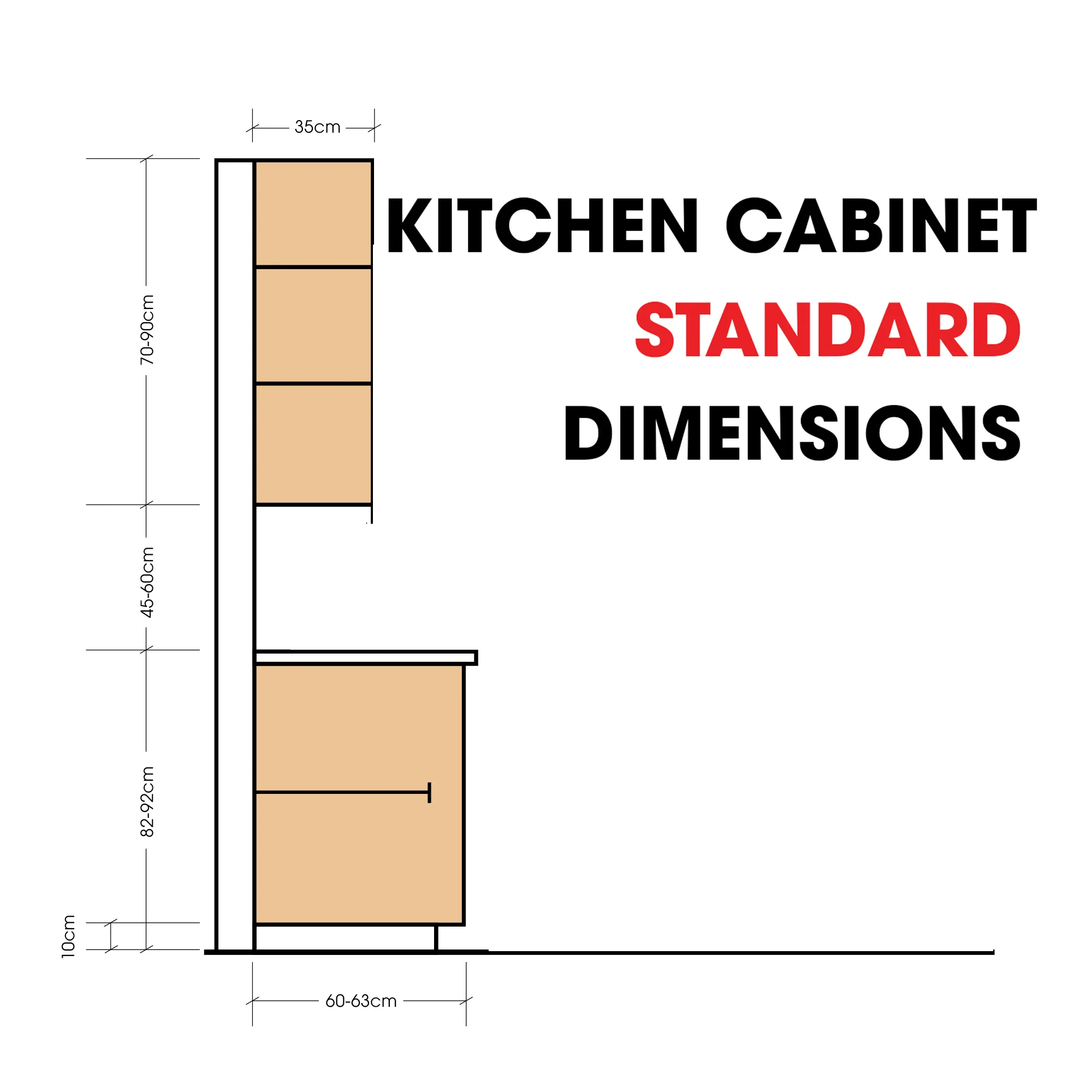
Image Source: guilincabinets.com
Deciphering Base Cabinet Heights
Base cabinets are the workhorses of the kitchen, sitting directly on the floor and supporting your countertops. Their height is crucial for comfortable food preparation.
The Foundation: Standard Base Cabinet Height
The standard base cabinet height is universally set at 34.5 inches (87.6 cm) without the countertop. This measurement is a well-established standard in the cabinetry industry for a good reason. When a standard 1.5-inch thick countertop is added, the total height reaches the widely accepted 36-inch (91.4 cm) counter height. This height is ergonomically designed to allow most adults to work comfortably without excessive bending or reaching.
Why 34.5 Inches? The Ergonomic Advantage
This specific height is not arbitrary. It’s a result of decades of design consideration focused on human ergonomics. Think about common kitchen tasks: chopping vegetables, mixing ingredients, or simply resting your forearms while you think. The 36-inch counter height provides a natural resting place for your elbows, reducing strain on your back and shoulders.
- Comfortable Reach: Most individuals can reach into the majority of their base cabinets without stooping.
- Reduced Strain: The slight bend required for most tasks is minimal, preventing fatigue during extended periods in the kitchen.
- Appliance Integration: Standard dishwashers and other under-counter appliances are designed to fit beneath this 36-inch counter height.
Variations and Customization
While 34.5 inches is the standard, custom kitchens can deviate. Taller individuals might opt for slightly taller base cabinets (e.g., 35 or 36 inches without the countertop) to achieve an even more comfortable workspace. Conversely, shorter individuals might consider slightly lower heights. However, it’s important to remember that significant deviations can impact resale value and the ability to integrate standard appliances.
Base Cabinet Depth: Reaching Deeper
The depth of base cabinets is another important kitchen cabinet measurement. This impacts both storage capacity and workspace.
- Standard Depth: The typical depth for a base cabinet is 24 inches (61 cm). This allows for ample storage space within the cabinet and provides a stable base for the countertop.
- Countertop Overhang: When the countertop is installed, it usually overhangs the cabinet by about 1 to 1.5 inches. This overhang provides a comfortable edge to lean against and prevents drips from running down the cabinet face.
- Custom Depths: In smaller kitchens, or for specific design needs, shallower base cabinets (e.g., 18 or 21 inches) might be used. In contrast, deeper cabinets (e.g., 25 or 27 inches) can offer increased storage but may require custom countertop fabrication.
Base Cabinet Width: From Narrow to Expansive
Base cabinet widths vary significantly, offering flexibility for different kitchen layouts and storage needs.
- Standard Widths: You’ll commonly find base cabinets in widths ranging from 9 inches (for filler or specialized storage) to 36 inches, and even wider for sink bases or large corner units.
- Modular Design: Most cabinet manufacturers offer a modular system, allowing you to combine various widths to create a custom fit for your kitchen walls.
- Key Considerations: The width of your base cabinets will directly influence the layout and flow of your kitchen. Planning these measurements carefully is essential.
Fathoming Wall Cabinet Heights
Wall cabinets, also known as upper cabinets, are mounted on the wall above the base cabinets. Their height, depth, and placement are critical for accessibility and storage.
The Standard Wall Cabinet Height: Reaching for Storage
When discussing standard kitchen cabinet height, wall cabinets present a few more options than their base cabinet counterparts. The most common heights you’ll see are:
- 30 inches (76.2 cm)
- 36 inches (91.4 cm)
- 42 inches (106.7 cm)
The choice of height often depends on ceiling height, the desired aesthetic, and the amount of storage needed.
Why These Heights? Balancing Storage and Accessibility
- 30-inch Height: This is a very common choice, especially in kitchens with standard 8-foot ceilings. It leaves ample countertop to cabinet clearance (explained later) for comfortable working.
- 36-inch Height: This option provides more storage space above the typical countertop height. It’s often chosen for kitchens with slightly higher ceilings or when maximizing storage is a priority.
- 42-inch Height: This is typically used in kitchens with 9-foot or higher ceilings. A 42-inch wall cabinet, when installed with the standard countertop to cabinet clearance, will reach very close to or even touch an 8-foot ceiling. For higher ceilings, it can be paired with a stacked cabinet or a decorative filler piece.
Upper Cabinet Depth: Storing More, Safely
Upper cabinet depth is another crucial kitchen cabinet measurement. It influences how much you can store and how much workspace you have.
- Standard Depth: The most common upper cabinet depth is 12 inches (30.5 cm). This provides a good balance between storage capacity and not encroaching too much on the counter space or workspace.
- Deeper Options: Some manufacturers offer deeper upper cabinets (e.g., 15 or 18 inches). These can provide significant storage but can feel imposing in smaller kitchens and may require adjusting the standard countertop to cabinet clearance.
- Shallower Options: In tight spaces or above certain appliances, shallower cabinets (e.g., 8 or 10 inches) might be used.
Wall Cabinet Widths: Filling the Gaps
Similar to base cabinets, wall cabinet widths vary to accommodate different kitchen layouts.
- Common Widths: You’ll find wall cabinets in widths from 9 inches to 36 inches, with larger sizes available for specific applications like above refrigerators or range hoods.
- Matching Base Cabinets: It’s common for wall cabinet widths to coordinate with the widths of the base cabinets below them, creating a visually harmonious kitchen.
Comprehending Countertop to Cabinet Clearance
The space between your base cabinet countertop and your wall cabinets is arguably the most important measurement for kitchen functionality. This is the countertop to cabinet clearance, and getting it right is essential for comfortable use.
The Magic Number: Standard Clearance
The standard countertop to cabinet clearance is 18 inches (45.7 cm). This measurement is the industry norm and is considered ideal for most people and most kitchen activities.
Why 18 Inches is Key
- Ergonomic Workspace: This clearance allows ample room for preparing food, using small appliances like blenders or toasters, and even for placing larger items temporarily.
- Appliance Freedom: It provides enough vertical space for most common countertop appliances to be used without hitting the wall cabinets.
- Visual Balance: It creates a visually pleasing proportion between the base and wall cabinets, preventing the kitchen from feeling top-heavy or cramped.
Factors Affecting Clearance
While 18 inches is standard, several factors can influence this measurement:
- Ceiling Height: In kitchens with very low ceilings, you might see slightly less clearance to maximize upper cabinet storage. However, this can compromise workspace.
- Appliance Placement: If you plan to install a microwave or range hood above the counter, the cabinet installation height and the appliance dimensions will dictate the required clearance. Many over-the-range microwaves are designed to fit within this 18-inch space.
- User Height: As mentioned earlier, taller individuals might prefer slightly more clearance (e.g., 19-20 inches), though this is less common for standard installations.
- Cabinet Height: The height of your wall cabinets directly impacts the clearance. Taller wall cabinets (like 40 or 42 inches) will naturally result in less clearance if installed at the standard 84-inch mark from the floor.
Typical Kitchen Cabinet Sizes: A Quick Reference
Let’s summarize the typical kitchen cabinet sizes for easy reference.
| Cabinet Type | Standard Height (no countertop) | Standard Depth | Standard Widths |
|---|---|---|---|
| Base Cabinets | 34.5 inches (87.6 cm) | 24 inches (61 cm) | 9″ to 36″+ (modular) |
| Wall Cabinets | 30″, 36″, 42″ (76.2, 91.4, 106.7 cm) | 12 inches (30.5 cm) | 9″ to 36″+ (modular) |
Important Note: These are standard dimensions. Custom cabinetry can be made to virtually any size.
The Nuances of Kitchen Cabinet Spacing
Beyond the height and depth of individual cabinets, the kitchen cabinet spacing between them is also important.
Wall Cabinet Spacing Above the Countertop
The countertop to cabinet clearance of 18 inches is the most critical spacing consideration. However, there are other spacing elements to think about:
- Spacing Between Wall Cabinets: Wall cabinets are typically installed directly next to each other, with minimal or no gap. When filler pieces are used, they are usually integrated into the design to bridge gaps or provide clearance for doors and drawers.
- Spacing Above Wall Cabinets: If you have a taller ceiling, you might have a gap above your upper cabinets. This space can be filled with additional stacked cabinets, decorative molding, or left open as a design feature.
Base Cabinet Spacing on the Floor
- Toe Kick Space: All base cabinets have a recessed area at the bottom called a toe kick. This typically measures about 4 inches high and 3 inches deep. It allows you to stand closer to the counter without bumping your toes against the cabinet face.
- Gaps Between Base Cabinets: Like wall cabinets, base cabinets are usually installed adjacent to each other. Filler strips are often used at the ends of cabinet runs or around corners to allow doors and drawers to open freely.
Cabinet Installation Height: Where the Magic Happens
The cabinet installation height refers to the actual placement of the cabinets on the wall. This is particularly relevant for wall cabinets.
Wall Cabinet Installation Height
- Standard: As discussed, the countertop to cabinet clearance is the primary driver. For an 18-inch clearance, wall cabinets are typically installed so their bottom edge is 54 inches from the finished floor (36-inch counter height + 18-inch clearance).
- Adjustments: This can be adjusted based on the height of the wall cabinets chosen and the overall ceiling height. For instance, if using 42-inch wall cabinets and aiming for a standard 18-inch clearance over a 36-inch counter, the cabinets would be mounted higher on the wall, potentially reaching the ceiling if it’s 8 feet or less.
Base Cabinet Installation Height
Base cabinets are installed directly on the floor. The critical installation consideration here is ensuring they are level and plumb, creating a stable foundation for the countertop.
Kitchen Cabinet Measurements: The Blueprint of Your Kitchen
Accurate kitchen cabinet measurements are the foundation of a successful kitchen design and installation.
Planning and Measurement Tips
- Measure Twice, Cut Once: This adage is especially true for kitchens. Measure the length, width, and height of all walls where cabinets will be installed.
- Account for Obstructions: Note the location of windows, doors, plumbing, electrical outlets, and vents. These will influence cabinet placement and size.
- Consider Appliance Dimensions: Ensure you have the correct measurements for your refrigerator, dishwasher, range, and any other built-in appliances.
- Visualize the Workflow: Think about how you move around the kitchen. Where will you do most of your prep work? Where will appliances be used? This will inform the placement and type of cabinets you need.
- Ceiling Height is Key: Knowing your ceiling height is crucial for selecting appropriate wall cabinet heights and determining if you’ll have space for filler or additional storage above.
Standard Sizes vs. Custom Solutions
Most homeowners find that standard kitchen cabinet sizes meet their needs. They are more affordable and readily available. However, if you have a unique kitchen layout, specific storage requirements, or a desire for a truly bespoke look, custom cabinetry is an option. Custom cabinets allow for precise dimensions, unique depths, and heights tailored to your exact specifications.
Commonly Asked Questions About Kitchen Cabinet Sizes
Here are answers to some frequently asked questions regarding kitchen cabinet dimensions.
What is the standard depth of a kitchen cabinet?
The standard depth for base kitchen cabinets is 24 inches, and the standard depth for wall cabinets is 12 inches.
Can I install wall cabinets higher or lower than the standard?
Yes, you can adjust the installation height of wall cabinets. However, deviating significantly from the standard 18-inch countertop to cabinet clearance can impact usability and aesthetics. Installing them higher can make reaching items difficult, while installing them lower can reduce workspace.
How much space should be between the countertop and the upper cabinets?
The standard and recommended space between the countertop and upper cabinets is 18 inches. This provides adequate clearance for working and using appliances.
What are typical kitchen cabinet measurements for a small kitchen?
In a small kitchen, you might opt for shallower base cabinets (e.g., 18-21 inches deep) or narrower cabinets to maximize floor space. For wall cabinets, 30-inch heights are common, and sometimes shallower depths (e.g., 10-12 inches) are used. Maximizing vertical storage with taller wall cabinets (if ceiling height allows) is also a good strategy.
What is the standard height of a kitchen cabinet base?
The standard height of a base kitchen cabinet, before the countertop is added, is 34.5 inches.
What is the standard height of a kitchen wall cabinet?
The most common standard heights for wall kitchen cabinets are 30 inches, 36 inches, and 42 inches.
How do I determine the right kitchen cabinet spacing?
Proper kitchen cabinet spacing is crucial for workflow. The most critical spacing is the countertop to cabinet clearance, which should be a standard 18 inches. Ensure enough space between base cabinets and island cabinets for comfortable passage (typically 36-42 inches). Filler strips are often used to allow doors and drawers to open without obstruction.
Does cabinet installation height affect anything else?
Yes, cabinet installation height impacts the overall feel of the kitchen, the accessibility of upper cabinets, and the amount of usable wall space above them. It also affects the countertop to cabinet clearance.
In conclusion, knowing the standard kitchen cabinet height and other kitchen cabinet dimensions is fundamental to designing a kitchen that is both beautiful and highly functional. From the base cabinet height to the wall cabinet height and the all-important countertop to cabinet clearance, each measurement plays a vital role. By paying attention to these details and considering your own needs and space, you can create a kitchen that works perfectly for you.