
What is the standard kitchen cabinet height? Standard kitchen cabinets typically measure 34.5 inches for base cabinets and 30, 36, or 42 inches for wall cabinets, although custom heights are common.
Navigating the world of kitchen renovations or new builds often brings up a fundamental question: how tall are kitchen cabinets? The answer, while seemingly straightforward, involves a deeper look into standard measurements, ergonomic considerations, and aesthetic preferences. Understanding these kitchen cabinet dimensions is crucial for creating a functional, comfortable, and visually appealing kitchen. This comprehensive guide will delve into the specifics of standard kitchen cabinet height, exploring base cabinet height, wall cabinet height, and the factors that influence these choices.
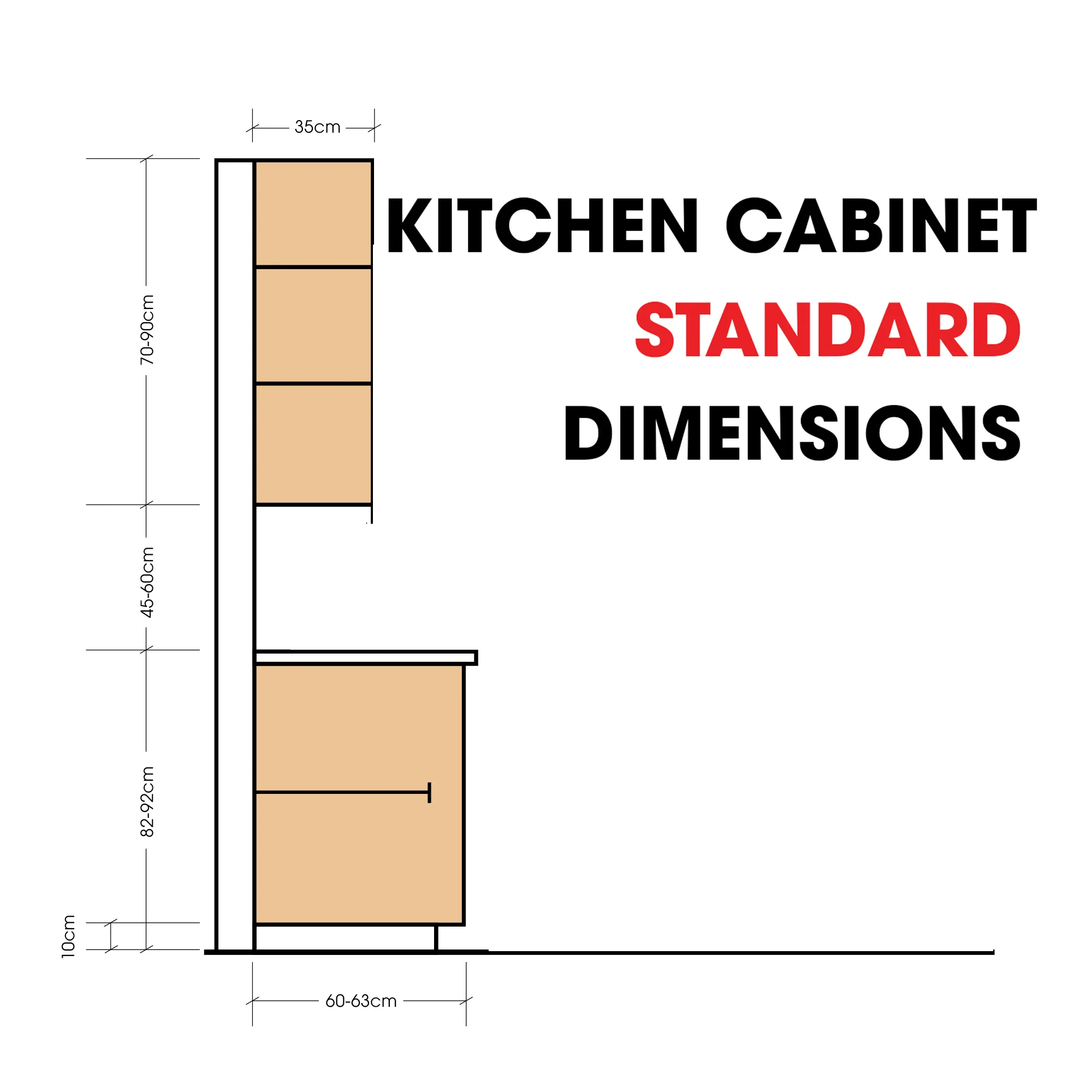
Image Source: guilincabinets.com
Deciphering Base Cabinet Dimensions
Base cabinet height is perhaps the most critical measurement in the kitchen, as it directly impacts your workspace and comfort. The universally recognized standard height for a base cabinet, before countertop installation, is 34.5 inches. This measurement is meticulously chosen to achieve a comfortable working surface when a standard countertop is added.
The Countertop Connection
When you factor in a typical countertop thickness of 1.5 inches, the combined height of the base cabinet and countertop reaches 36 inches. This 36-inch finished height is the ergonomic sweet spot for most people when preparing food, washing dishes, or engaging in other kitchen tasks. It aligns with the average height of users, minimizing strain on the back and shoulders.
Standard Base Cabinet Depth
Beyond height, standard base cabinet depth is also a key dimension. Most base cabinets are 24 inches deep. This depth is ideal for accommodating standard-sized appliances like dishwashers and ovens, as well as providing ample storage space for pots, pans, and other kitchen essentials. The depth also contributes to the overall stability of the cabinetry.
Variations and Considerations
While 34.5 inches is the standard, there are instances where this might be adjusted. For individuals who are exceptionally tall or short, custom base cabinet heights can be fabricated. These customizations ensure optimal ergonomics for everyone who uses the kitchen. For example, taller individuals might opt for slightly higher base cabinets, while shorter individuals might choose slightly lower ones to avoid reaching or stooping.
Exploring Wall Cabinet Heights
Wall cabinet height, also known as upper cabinet dimensions, offers a wider range of standard options. These cabinets are mounted on the wall above the countertop and serve as primary storage for dishes, glasses, pantry items, and decorative pieces. The height of wall cabinets is influenced by factors such as ceiling height, desired storage capacity, and visual balance within the kitchen.
Common Wall Cabinet Heights
The most common wall cabinet height options include:
- 30 inches: A popular choice, especially in kitchens with standard 8-foot ceilings. This height allows for sufficient overhead cabinet clearance while providing a good amount of storage.
- 36 inches: Offering more storage space, 36-inch wall cabinets are often selected for kitchens with slightly higher ceilings or when maximizing storage is a priority.
- 42 inches: These taller cabinets are ideal for kitchens with 9-foot or higher ceilings. They extend closer to the ceiling, creating a grander visual impact and significantly increasing storage capacity.
The Role of Ceiling Height
Your ceiling height is a primary determinant of which upper cabinet dimensions will work best.
- 8-foot Ceilings: For standard 8-foot ceilings, wall cabinets are typically installed with 18 inches of clearance from the countertop. If you use 30-inch wall cabinets, this leaves about 18 inches of space above the cabinets, which can be filled with decorative molding or left as is. Using 36-inch cabinets would leave very little space above, and 42-inch cabinets would likely extend beyond the ceiling.
- 9-foot Ceilings: With 9-foot ceilings, you have more flexibility. 36-inch wall cabinets are a common and practical choice, leaving a comfortable gap for soffits or crown molding. 42-inch cabinets can also be used, often extending almost to the ceiling for maximum storage.
- 10-foot and Higher Ceilings: For taller ceilings, 42-inch cabinets are a popular choice, and in some cases, custom-sized cabinets might be used to fill the entire vertical space, creating a built-in look.
Kitchen Cabinet Spacing Considerations
Proper kitchen cabinet spacing is crucial for both functionality and safety. The distance between the countertop and the bottom of the wall cabinets, often referred to as overhead cabinet clearance, is typically maintained at 18 inches. This space is designed to comfortably accommodate most kitchen activities, from chopping vegetables to using small appliances, without the user hitting their head on the upper cabinets.
However, this spacing can be adjusted based on specific needs. For instance, some designers opt for a 20-inch clearance for a more open feel or to accommodate larger appliances like espresso machines or stand mixers that might be stored on the counter. Conversely, in kitchens with very limited space or for specific aesthetic goals, the clearance might be reduced, but this should be done with careful consideration for usability.
Counter Height Cabinets: A Specialized Option
While not as common as standard base and wall cabinets, counter height cabinets exist and serve a specific purpose. These cabinets are designed to reach the standard countertop height of 36 inches when installed. They are often used in specific kitchen layouts or for particular functions.
Applications of Counter Height Cabinets
- Kitchen Islands: Counter height cabinets are frequently used on kitchen islands, especially on the seating side. They can create a seamless look and provide a convenient surface for guests to rest drinks or plates, effectively acting as a bar or breakfast counter.
- Appliance Garages: In some designs, counter height cabinets are used to enclose appliances like toasters, coffee makers, or blenders, keeping countertops clutter-free while allowing easy access.
- Specialty Workstations: For specific tasks that require a higher work surface, counter height cabinets can be incorporated into a kitchen design.
Design Implications
Incorporating counter height cabinets requires careful planning regarding the overall kitchen layout and workflow. They can break up the monotony of standard cabinetry and introduce visual interest, but it’s important to ensure they complement the rest of the cabinetry and do not impede movement or functionality.
Exploring Variations and Customizations
The world of kitchen cabinetry is not strictly limited to standard heights. Many homeowners opt for custom solutions to perfectly match their needs and aesthetic vision.
Custom Heights for Base Cabinets
While 34.5 inches is standard, custom base cabinet heights can range from 30 inches to over 36 inches. This is often a consideration for:
- Accessibility: For individuals using wheelchairs or those with mobility challenges, lower base cabinets can be essential for independent kitchen use.
- Ergonomics: As mentioned earlier, individuals of significantly different heights may benefit from custom-height base cabinets.
- Specific Appliance Integration: Some specialized appliances might require a different base cabinet height for proper fitting and function.
Custom Heights for Wall Cabinets
Similarly, wall cabinet height can be customized beyond the 30, 36, and 42-inch standards. This allows for:
- Maximizing Ceiling Space: In kitchens with non-standard ceiling heights, custom cabinets can be designed to fill the vertical space perfectly, creating a streamlined, built-in appearance.
- Unique Storage Needs: If you have a collection of oversized items, such as large serving platters or tall appliances, custom wall cabinets can be built to accommodate them.
- Aesthetic Preferences: Some homeowners prefer a very minimalist look with minimal space above the wall cabinets, opting for taller units. Others might prefer a more substantial gap for decorative elements.
Cabinet Height Regulations and Building Codes
While there aren’t typically strict “cabinet height regulations” in the same way there are for electrical or plumbing codes, building codes and accessibility standards do influence cabinet design and installation, particularly in public spaces or for specific residential needs.
Accessibility Standards (e.g., ADA)
In commercial kitchens or accessible residential units, regulations like the Americans with Disabilities Act (ADA) provide guidelines for kitchen design. These often dictate:
- Countertop Heights: ADA standards often recommend countertop heights that are accessible, typically between 30 and 34 inches.
- Clearances: Adequate clear floor space and turning radius are mandated for wheelchair accessibility.
- Reach Ranges: Maximum and minimum reach heights for upper cabinets and shelving are specified to ensure items are within easy reach.
While these regulations might not directly apply to a standard home renovation, they offer valuable insights into ergonomic design principles that can benefit any kitchen user.
Safety Considerations
Kitchen cabinet spacing also plays a role in safety. The 18-inch clearance between base and wall cabinets is a generally accepted practice that balances storage with usability and prevents accidental head bumps. Ensuring adequate lighting within this space also contributes to kitchen safety.
Factors Influencing Cabinet Height Choices
When deciding on the height of your kitchen cabinets, several factors should be considered to ensure a practical and pleasing outcome.
Ceiling Height
As discussed, this is a primary driver. A kitchen with 8-foot ceilings will dictate different wall cabinet choices than one with 10-foot ceilings. The goal is usually to utilize vertical space effectively without making the kitchen feel cramped or leaving excessive, unappealing gaps.
Ergonomics and User Height
The height of the primary kitchen users is paramount. Consider who will be spending the most time in the kitchen and their physical comfort. A kitchen designed for a family with very tall members might benefit from slightly higher base cabinets or more generous spacing above countertops.
Storage Needs
How much storage do you require? Taller wall cabinets offer more capacity. If you have extensive dishware, cookware, or pantry items, you’ll want to maximize storage potential through your cabinet choices.
Aesthetic Style
The desired look and feel of your kitchen will also influence cabinet height decisions. Taller wall cabinets can create a more dramatic, modern feel, especially when they reach close to the ceiling. Standard heights often provide a more traditional and balanced look. The presence or absence of crown molding or decorative trim above the cabinets also affects the overall visual impression.
Workflow and Functionality
The way you use your kitchen is a critical consideration. Think about your typical cooking and prep habits. Do you frequently use small appliances on the countertop? If so, ensuring adequate clearance is important. The placement and size of windows can also influence wall cabinet height and placement.
Common Kitchen Cabinet Dimension Summary
To help visualize the typical kitchen cabinet dimensions, here is a summary table:
| Cabinet Type | Standard Height (Inches) | Standard Depth (Inches) | Typical Clearance Above Countertop (Inches) |
|---|---|---|---|
| Base Cabinets | 34.5 (pre-countertop) | 24 | N/A (forms the base) |
| Wall Cabinets | 30, 36, 42 | 12-13 (standard) | 18 (standard) |
| Counter Cabinets | 36 (finished height) | Varies | N/A |
Note: Depths can vary based on design and functionality, especially for specialty cabinets.
Frequently Asked Questions About Kitchen Cabinet Height
Q1: What is the most common kitchen cabinet height?
The most common base cabinet height is 34.5 inches (before countertop), leading to a standard finished height of 36 inches with a countertop. For wall cabinet height, 30, 36, and 42 inches are the most common options.
Q2: Can I put 42-inch wall cabinets in a kitchen with 8-foot ceilings?
While technically possible, putting 42-inch wall cabinets in a kitchen with 8-foot ceilings would leave very little space (around 6 inches) above the cabinets, which might look cramped and make installation of any decorative molding difficult. It’s generally recommended to use 30-inch or 36-inch cabinets with 18-inch kitchen cabinet spacing for an 8-foot ceiling.
Q3: How much space should be between base cabinets and wall cabinets?
The standard overhead cabinet clearance between the countertop (which sits atop base cabinets) and the bottom of wall cabinets is typically 18 inches. This provides ample space for most kitchen tasks.
Q4: What is the standard depth of kitchen cabinets?
The standard base cabinet depth is 24 inches. Wall cabinet depth is typically around 12 to 13 inches, providing sufficient space for dishes and glasses without protruding too far into the room.
Q5: Are there any regulations for kitchen cabinet heights in homes?
While there are no universal “cabinet height regulations” for private residences in the same way as structural building codes, accessibility standards like ADA guidelines recommend specific heights and clearances for usability and safety, particularly for individuals with disabilities. These guidelines often influence design choices even in standard homes for better ergonomics.
Q6: What are counter height cabinets used for?
Counter height cabinets are typically used on kitchen islands, often on the seating side, to create a bar-like surface. They can also be used in appliance garages or as specialty workstations that require a higher work surface.
Q7: How do I decide on the right kitchen cabinet dimensions for my kitchen?
Consider your ceiling height, the height of the primary users of the kitchen, your storage needs, the desired aesthetic style, and your typical kitchen workflow. Measuring your space accurately and envisioning how you’ll use the kitchen are key steps. Consulting with a kitchen designer can also provide valuable expert advice.