
Wondering how much cabinet refacing costs? You’re not alone! On average, cabinet refacing can cost anywhere from $4,500 to $15,000, with most homeowners spending around $7,500. This price depends heavily on the size of your kitchen, the materials you choose, and whether you hire professionals or go the DIY route.
Refacing your kitchen cabinets is a fantastic way to give your kitchen a fresh, new look without the massive expense and disruption of a full gut renovation. Instead of replacing your entire cabinetry system, you’re essentially giving the existing boxes a facelift. This typically involves covering the visible parts of your current cabinet boxes with a thin layer of wood veneer or laminate, and then replacing the old cabinet doors and drawer fronts with brand new ones. It’s a smart choice for many homeowners looking to update their kitchen’s appearance and functionality.
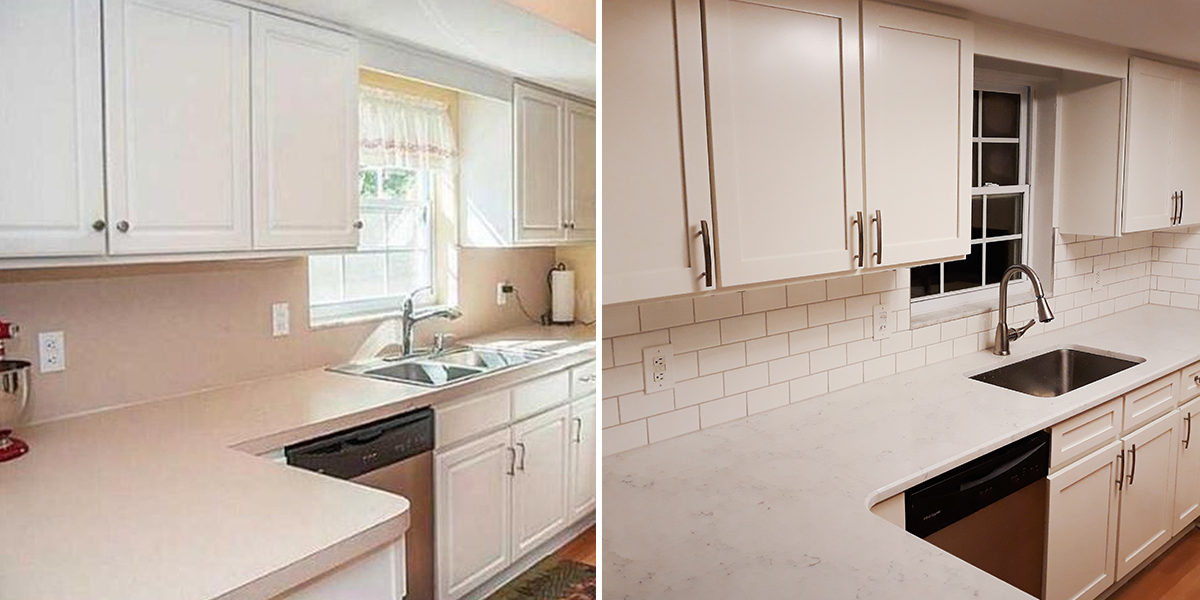
Image Source: premiercabinetpainting.com
Deciphering the Costs: What Influences Cabinet Refacing Prices?
Several factors play a significant role in determining the final price tag for your cabinet refacing project. Thinking about these elements beforehand can help you budget more accurately and make informed decisions.
Kitchen Size and Cabinet Quantity
The most obvious factor affecting cost is the size of your kitchen. A larger kitchen means more cabinet boxes to reface and more doors and drawer fronts to replace.
- Small Kitchens: Typically have fewer cabinets, leading to lower overall costs.
- Medium Kitchens: Moderate number of cabinets, falling into the average price range.
- Large Kitchens: Extensive cabinetry will naturally increase the project’s expense.
The number of doors and drawer fronts is a direct driver of cost. More doors and drawers mean more materials and more labor for installation.
Material Selection: The Look and Feel
The materials you choose for your new doors, drawer fronts, and veneers will have a substantial impact on the cabinet refacing cost. Different materials offer varying aesthetics, durability, and price points.
Door and Drawer Front Styles and Materials
- Wood Veneers: Offer a natural wood look and can be stained to match existing wood tones or create a new aesthetic. Common wood types include maple, oak, cherry, and birch.
- Cost: Mid-range, generally more affordable than solid wood but more expensive than laminate.
- Laminate: A synthetic material that is durable, easy to clean, and available in a wide array of colors and patterns, including wood grain effects.
- Cost: Often the most budget-friendly option.
- Solid Wood: Provides the highest quality and most natural look, but it’s also the most expensive. Popular choices include maple, cherry, and alder.
- Cost: Premium pricing.
- Thermofoil: A vinyl film fused to a composite board. It’s durable and moisture-resistant but can be prone to peeling or damage over time, especially with heat.
- Cost: Generally less expensive than wood veneers or solid wood.
Finishes
Beyond the base material, the finish also adds to the cost.
- Stained Finishes: Applied to wood to enhance its natural grain and color.
- Painted Finishes: Offer a uniform color. Custom paint colors or specialized finishes (like glazes or antiquing) can add to the price.
- Clear Coats: Protect the wood and provide a sheen.
Hardware Choices
While often a smaller part of the overall budget, new hardware can also influence the kitchen cabinet resurfacing prices.
- Knobs and Pulls: Available in countless styles, materials (metal, ceramic, glass), and finishes. Higher-end or designer hardware will cost more.
- Hinges and Drawer Slides: If you opt for upgrades like soft-close hinges or full-extension drawer slides, this will add to the expense.
Labor Costs vs. DIY
This is a major differentiator in the cabinet refacing cost.
- Professional Cabinet Refacing Cost: Hiring experienced professionals will significantly increase the overall cost due to their expertise, tools, and the time involved. This often includes design consultation, precise measurements, careful application of veneers, and expert installation of doors and drawer fronts. The cabinet refacing labor cost can represent a substantial portion of the total.
- DIY Cabinet Refacing Cost: If you have carpentry skills and a good amount of patience, tackling refacing yourself can save money. However, you’ll need to factor in the cost of tools, materials, and the potential for mistakes that might require additional purchases. The DIY cabinet refacing cost is generally lower, but the value of your time and the risk of errors should be considered.
Complexity of Your Existing Cabinets
The design and construction of your current cabinets can also play a role.
- Standard Cabinet Sizes: Are easier and quicker to work with.
- Custom or Specialty Cabinets: May require more intricate work, increasing labor and material costs.
- Obvious Damage: If your existing cabinet boxes have significant damage (like water damage or warping), repair work might be needed before refacing can begin, adding to the expense.
Breaking Down the Cabinet Refacing Cost Estimator
When you get an estimate for cabinet refacing, it will typically include several components. Understanding these can help you compare quotes from different providers.
Material Costs
This is the cost of the actual products used to update your cabinets.
- Veneer or Laminate: The material used to cover the cabinet box frames.
- New Doors and Drawer Fronts: The most visible and often the most expensive component of the refacing process. The cabinet door replacement cost and drawer front replacement cost are key drivers here.
- Hardware: Knobs, pulls, hinges, and drawer slides.
Labor Costs
This covers the work performed by the professionals.
- Preparation: Removing old doors and drawer fronts, cleaning, and preparing the cabinet boxes.
- Application: Attaching the new veneer or laminate to the cabinet frames.
- Installation: Fitting and installing the new doors, drawer fronts, and hardware.
- Cleanup: Removing old materials and cleaning the work area.
Other Potential Costs
- Design Consultation: Some companies offer initial design help.
- Delivery and Installation Fees: Standard for professional services.
- Permits: Usually not required for refacing, but check local regulations.
- Contingency: It’s always wise to have a small buffer for unexpected issues.
Cabinet Refacing vs Replacement Cost: Making the Right Choice
One of the most common questions is how cabinet refacing vs replacement cost stacks up. This comparison is crucial for deciding which option best suits your budget and needs.
Cabinet Refacing
- Pros:
- Significantly less expensive than full replacement.
- Faster turnaround time, less disruption to your kitchen.
- Keeps the existing cabinet box structure, which is often well-built.
- Environmentally friendly, as you’re not discarding perfectly good cabinet boxes.
- Can update the style and color of your kitchen effectively.
- Cons:
- You are limited by the existing cabinet box layout and internal organization.
- If your current boxes are in poor condition, refacing might not be feasible.
- You can’t change the overall dimensions or depth of the cabinets.
Cabinet Replacement
- Pros:
- Complete freedom to redesign your kitchen layout.
- Opportunity to install entirely new, modern cabinet boxes with better internal storage solutions.
- Can address any structural issues with the original cabinets.
- Offers the most significant aesthetic and functional upgrade.
- Cons:
- Considerably more expensive.
- Takes longer, involving more extensive demolition and construction.
- More disruptive to daily life.
Cost Comparison
| Project Type | Average Cost Range (Small-Medium Kitchen) | Average Cost Range (Large Kitchen) |
|---|---|---|
| Cabinet Refacing | $4,500 – $10,000 | $7,000 – $15,000+ |
| Cabinet Replacement | $10,000 – $25,000 | $20,000 – $50,000+ |
Note: These are average figures and can vary widely based on the specific details of your project.
How to Get an Accurate Cabinet Refacing Cost Estimator
To get a reliable estimate, you need to provide contractors with as much detail as possible.
What to Measure and Note:
- Number of Doors: Count all upper and lower cabinet doors.
- Number of Drawer Fronts: Count all visible drawer fronts.
- Cabinet Box Exposure: Note how much of the cabinet box frame is visible (e.g., only the face frame, or the sides as well).
- Style Preference: Do you want simple Shaker doors, raised panels, flat panels?
- Material Preference: Wood veneer, laminate, solid wood?
- Color/Finish: Do you have a specific color or stain in mind?
- Existing Kitchen Layout: A general understanding of the number of cabinets and their configuration.
- Photos: Take clear photos of your current kitchen cabinets from multiple angles.
Getting Multiple Quotes
It’s highly recommended to get at least three quotes from different reputable cabinet refacing companies. When comparing quotes:
- Check Inclusions: Ensure each quote details exactly what is included (materials, labor, hardware, cleanup).
- Ask About Warranties: What guarantees are offered on materials and workmanship?
- Review Company Reputation: Look for reviews, testimonials, and ask for references.
The Cost to Update Kitchen Cabinets Beyond Refacing
While refacing is a popular and cost-effective update, other options exist, each with its own price point.
Cabinet Painting
- Cost: Significantly cheaper than refacing, typically $3,000 – $7,000 for a professional job.
- Pros: Very affordable way to change the look of your cabinets.
- Cons: Durability can be an issue if not done professionally. Can chip or scratch over time. Does not change the style of the doors.
Cabinet Resurfacing (Beyond Veneer)
This term can sometimes overlap with refacing, but it can also refer to:
- Refinishing: Sanding down existing cabinets and applying new stain or paint.
- Cost: $1,000 – $4,000 for professional refinishing.
- Pros: Can restore cabinets to their original beauty or change the color.
- Cons: Doesn’t change the door style. If the wood is damaged, refinishing might not be enough.
Cabinet Door Replacement Cost
Sometimes, homeowners only want to replace their doors and drawer fronts, keeping the existing cabinet boxes and their veneers.
- Cost: This can range from $2,000 to $8,000 or more, depending on the material, style, and number of doors and drawer fronts.
- Pros: A noticeable visual upgrade at a lower cost than full refacing.
- Cons: The cabinet boxes themselves will retain their original look unless they are also refaced or painted.
Drawer Front Replacement Cost
Similar to door replacement, this focuses only on the drawer fronts.
- Cost: Typically $50 – $200+ per drawer front, depending on material and style.
- Pros: Can update the look of drawer banks without touching the doors or boxes.
- Cons: Limited impact on the overall kitchen aesthetic compared to refacing.
The Average Cabinet Refacing Cost Breakdown (Example)
Let’s look at a hypothetical mid-sized kitchen to illustrate potential costs.
Kitchen Size: Medium (approx. 12-15 cabinet boxes)
Materials: Maple veneer for cabinet boxes, Shaker-style solid maple doors and drawer fronts.
Hardware: Standard new hinges and pulls.
| Component | Estimated Cost Range |
|---|---|
| Veneer for cabinet boxes | $1,000 – $2,500 |
| New Doors (10-15) | $1,500 – $4,000 |
| New Drawer Fronts (5-8) | $500 – $1,500 |
| Hardware (Hinges, Pulls) | $300 – $1,000 |
| Labor (Preparation, Application, Install) | $2,000 – $4,000 |
| Total Estimated Cost | $5,300 – $13,000 |
Note: This is a simplified example. Actual costs will vary.
The DIY Cabinet Refacing Cost Considerations
If you’re contemplating a DIY approach, here’s what to factor into your budget and time commitment.
Materials You’ll Need:
- Veneer or Laminate Sheets: For covering cabinet boxes.
- New Doors and Drawer Fronts: Often purchased pre-made from woodworking shops or online suppliers.
- Adhesive: Contact cement or appropriate wood glue.
- Tools:
- Measuring tape, level, speed square
- Utility knife or laminate trimmer
- Sander (orbital or block)
- Screwdrivers, drill
- Putty knife, caulk gun (for filler)
- Clamps
- Safety gear (gloves, eye protection, dust mask)
- Finishing Supplies: If you need to stain or seal the new doors/drawer fronts.
- Hardware: Hinges, drawer slides, knobs, pulls.
Potential Savings:
- You save on cabinet refacing labor cost.
- You can shop around for the best prices on materials.
Potential Pitfalls and Hidden Costs:
- Mistakes: Incorrectly applied veneer or misaligned doors can lead to costly replacements of materials.
- Time: DIY projects often take much longer than anticipated, consuming valuable weekend hours.
- Tool Investment: If you don’t have the necessary tools, their purchase adds to the cost.
- Quality: Achieving a professional-level finish can be challenging without experience.
Frequently Asked Questions About Cabinet Refacing Costs
Q1: Is cabinet refacing cheaper than replacing cabinets?
A1: Yes, generally cabinet refacing is significantly cheaper than a full cabinet replacement, often costing 40-60% less.
Q2: What is included in cabinet refacing?
A2: Cabinet refacing typically includes covering the exposed frames of your existing cabinets with a new veneer or laminate and replacing all of your cabinet doors and drawer fronts with new ones. New hardware like hinges and pulls are usually included or optional additions.
Q3: How long does cabinet refacing take?
A3: Professional cabinet refacing usually takes 3-7 days to complete, depending on the size of your kitchen and the complexity of the job. DIY projects can take several weekends.
Q4: Can I reface my own cabinets?
A4: Yes, if you have the necessary DIY skills, tools, and patience, you can reface your own cabinets. However, it requires precision and attention to detail for a professional-looking result.
Q5: What are the most expensive parts of cabinet refacing?
A5: The most expensive components are typically the new cabinet doors and drawer fronts, especially if you choose high-quality wood or custom designs. The cabinet door replacement cost is a major factor.
Q6: Does refacing add value to my home?
A6: Yes, updating your kitchen cabinets through refacing can increase your home’s appeal and value. It’s a cost-effective way to modernize a kitchen, which is a key selling point for many buyers.
Q7: What is the difference between refacing and resurfacing?
A7: The terms are often used interchangeably, but “refacing” specifically implies replacing doors and drawer fronts and covering the cabinet boxes with a new material. “Resurfacing” can sometimes refer to just painting or refinishing the existing surfaces without replacement. The kitchen cabinet resurfacing prices can vary depending on what this entails.
Q8: What is the average cost for cabinet door replacement?
A8: The cabinet door replacement cost alone can range from $2,000 to $8,000 or more for a typical kitchen, depending on the number of doors, their size, material, and style.
Q9: How much is cabinet refacing labor cost?
A9: The cabinet refacing labor cost can vary widely, but it often makes up 30-50% of the total project cost, reflecting the skill and time required for precise application and installation.
Q10: Can I use a cabinet refacing cost estimator online?
A10: Yes, many companies offer online cabinet refacing cost estimator tools. These provide a rough idea of the potential cost but should be followed up with in-home consultations and detailed quotes for accuracy.
Choosing to reface your kitchen cabinets is a smart investment that can dramatically improve your kitchen’s appearance and feel without the financial strain of a full renovation. By carefully considering the materials, labor, and your own capabilities, you can accurately estimate the cost and achieve the kitchen of your dreams.