
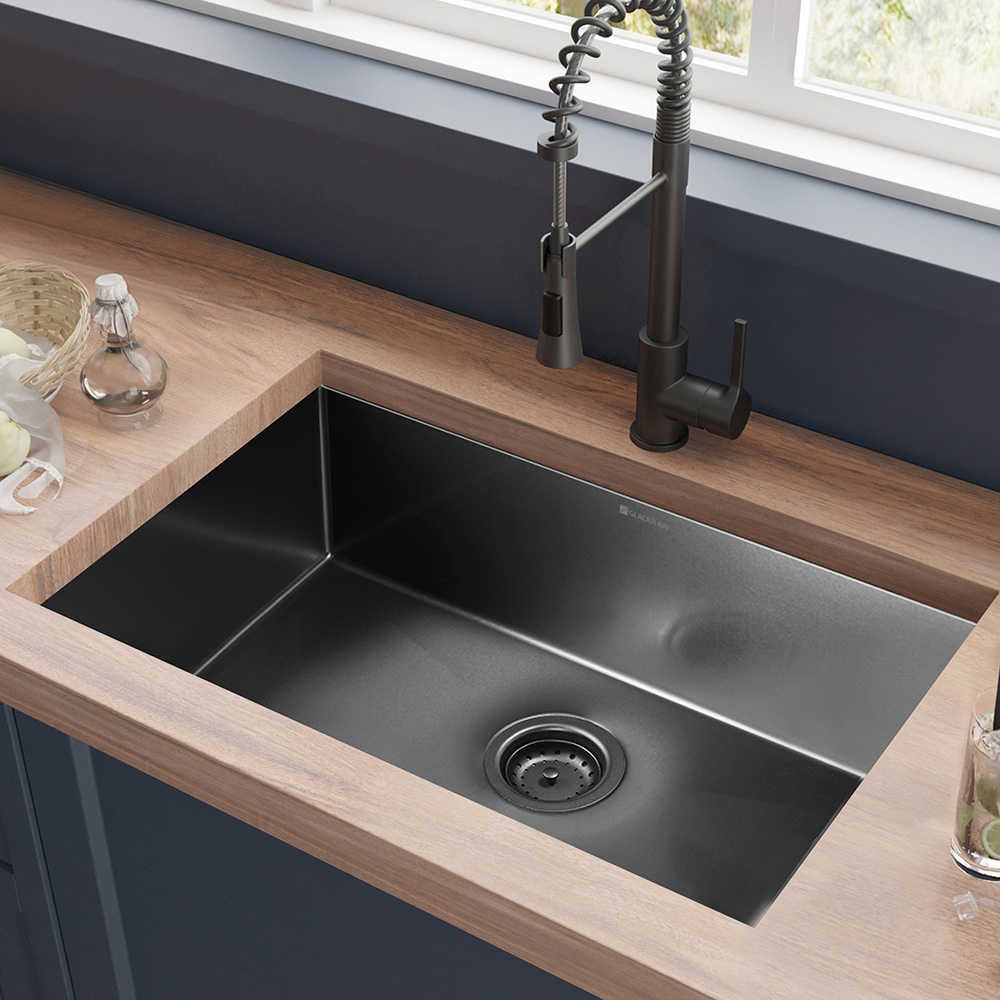
Image Source: contentgrid.homedepot-static.com
DIY: How Do I Replace A Kitchen Sink Step-by-Step
Can I replace a kitchen sink myself? Yes, with the right tools and a bit of patience, you can absolutely replace your kitchen sink yourself. This guide will walk you through the entire process, from preparing for the removal to the final touches of your brand-new sink installation.
Replacing a kitchen sink might seem daunting, but it’s a manageable DIY project. Whether your old sink is damaged, outdated, or you simply want a new look for your kitchen, this comprehensive guide will cover everything you need to know about kitchen sink removal and sink installation. We’ll explore different new sink types, detail how to handle plumbing fixtures, manage the drain assembly, tackle faucet installation, and even discuss disposal unit removal if applicable.
Preparation: Gathering Your Tools and Materials
Before you dive in, having everything ready makes the job much smoother. Here’s a list of what you’ll need:
- New Kitchen Sink: Choose one that fits your existing countertop cutout.
- New Faucet and Accessories: If you’re upgrading.
- Plumber’s Putty or Silicone Sealant: For sealing the sink to the countertop.
- Adjustable Wrenches (2): For loosening and tightening pipe connections.
- Pipe Wrench: For stubborn pipe fittings.
- Screwdrivers (various sizes): For clamps and mounting brackets.
- Bucket or Basin: To catch any residual water.
- Towels and Rags: For cleaning up spills.
- Safety Glasses: To protect your eyes from debris.
- Work Gloves: For a better grip and protection.
- Putty Knife or Scraper: To remove old sealant.
- Utility Knife: For cutting sealant.
- Pliers: For various gripping tasks.
- Flashlight or Headlamp: To see under the sink.
- New Drain Assembly (if needed): The part that connects the sink to the drainpipe.
- Supply Line Connectors (if needed): For connecting the faucet to the shut-off valves.
- Teflon Tape (Plumber’s Tape): For sealing threaded pipe connections.
- Trash Bags: For disposing of old parts.
Choosing Your New Sink
The world of kitchen sinks offers a variety of styles, materials, and configurations. Selecting the right one for your home is a crucial first step.
- Material: Stainless steel is popular for its durability and ease of cleaning. Granite composite sinks offer a modern, robust look. Fireclay and porcelain provide a classic, elegant aesthetic. Copper sinks add a warm, unique touch.
- Mounting Type:
- Top-mount (Drop-in): These are the easiest to install. They rest on top of the counter and have a rim that covers the cutout edge.
- Undermount: Mounted from beneath the countertop, these offer a sleek, seamless look and make countertop cleaning easier. They require a solid countertop material like granite or quartz.
- Farmhouse (Apron-front): These sinks have a distinctive exposed front panel and can be top-mount or undermount.
- Number of Basins: Single-bowl sinks offer maximum space for large pots and pans. Double-bowl sinks allow you to wash and rinse simultaneously or separate tasks.
Consider your existing countertop material, your budget, and your personal style when making your choice.
Step 1: Shutting Off Water and Draining Lines
Safety first! Before touching any plumbing fixtures, you must shut off the water supply.
- Locate Shut-Off Valves: Under the sink, you’ll find two valves connected to the water supply lines leading to your faucet – one for hot water and one for cold. Turn these valves clockwise until they are completely closed. If you can’t find these specific valves, you’ll need to shut off the main water supply to your house. This is usually located in the basement, garage, or near your water meter.
- Open the Faucet: Turn on both the hot and cold handles of your kitchen faucet to release any remaining water pressure in the lines. Let the water run until it stops dripping.
- Disconnect Supply Lines: Place a bucket or basin under the water supply lines where they connect to the faucet. Use an adjustable wrench to loosen the nuts connecting the supply lines to the faucet. Be prepared for a small amount of residual water to drip out.
Step 2: Disconnecting the Drain and Disposal Unit (If Applicable)
Now it’s time to tackle the drainage.
Disconnecting the Drain Assembly
- Position Bucket: Place a bucket directly beneath the P-trap, which is the U-shaped pipe under your sink. This will catch any water trapped in the drain.
- Loosen Slip Nuts: You’ll see large plastic or metal nuts on the pipes connected to the sink’s drain assembly. Use your hands or an adjustable wrench to loosen these nuts. Unscrew them carefully.
- Remove P-Trap: Once the nuts are loose, gently pull the P-trap away from the pipes. Empty any water and debris into your bucket.
- Detach Tailpiece: The pipe that comes directly down from the sink’s drain is called the tailpiece. This will likely be connected to the P-trap with another slip nut. Unscrew this and remove the tailpiece from the old sink’s drain assembly.
Disposal Unit Removal (If You Have One)
If you have a garbage disposal unit, this adds an extra step.
- Turn Off Power: Crucially, ensure the power to the disposal unit is turned off at the breaker box. Then, unplug the unit if it has a plug.
- Disconnect Drainpipe: The dishwasher drain hose, if connected to the disposal, needs to be detached. Loosen the clamp and pull the hose off. Also, disconnect the main drainpipe from the disposal’s outlet.
- Loosen Mounting Ring: Most garbage disposals are attached to the sink flange with a mounting ring. You may need a special disposal wrench (often called a jam-buster tool) or a large screwdriver to loosen this ring by turning it counter-clockwise.
- Support and Lower Disposal: Once the mounting ring is loosened, the disposal will detach from the sink. Support its weight as you carefully lower it. These units can be surprisingly heavy.
Step 3: Removing the Old Sink
With all connections detached, you can now remove the old sink.
Detaching the Sink from the Countertop
The method for detaching the sink depends on how it was installed.
- Top-Mount Sinks: These are usually held in place by clips from underneath. Look for metal clips around the rim of the sink that are screwed or clamped to the underside of the countertop. Use a screwdriver or pliers to loosen and remove these clips.
- Undermount Sinks: These are typically secured with adhesive and clips. Remove any visible clips first. Then, use a utility knife to carefully cut through the sealant around the edge of the sink where it meets the countertop. You might need to gently pry the sink away from the countertop.
Lifting Out the Old Sink
- Clear Debris: Ensure no pipes or wires are still attached.
- Lift Carefully: Grab the edges of the sink and lift it straight up and out of the countertop opening. If it’s heavy (like cast iron), you might need a helper. Be mindful of any remaining sealant that might be sticking.
Step 4: Preparing the Countertop for the New Sink
Once the old sink is out, you need to clean the area.
- Clean the Opening: Use your putty knife or scraper to remove any old plumber’s putty, silicone sealant, or grime from the countertop around the sink opening. A clean surface is essential for a good seal with the new sink.
- Inspect for Damage: Check the countertop edge for any damage that might need repair before installing the new sink.
Step 5: Installing the New Faucet and Drain Assembly
It’s often easier to install the faucet and the drain assembly onto the new sink before you place the sink into the countertop.
Installing the Faucet
- Read Manufacturer Instructions: Each faucet is slightly different. Always refer to the specific instructions that came with your new faucet.
- Apply Plumber’s Putty/Sealant: Place a rope of plumber’s putty or a bead of silicone sealant around the base of the faucet where it will sit on the sink.
- Mount Faucet: Insert the faucet through the designated holes in the new sink.
- Secure from Below: From the underside of the sink, place any washers and mounting nuts provided with the faucet. Tighten these nuts snugly with an adjustable wrench or the tool provided, ensuring the faucet is straight. Be careful not to overtighten.
- Connect Supply Lines: Attach the new water supply lines to the faucet shanks. Hand-tighten first, then use an adjustable wrench for a quarter-turn. Avoid overtightening, which can damage the fittings.
Installing the Drain Assembly
- Apply Plumber’s Putty/Sealant: Apply a generous amount of plumber’s putty or silicone sealant around the underside of the sink drain opening.
- Insert Drain Flange: Push the drain flange (the metal piece that sits inside the sink) into the opening from the top.
- Attach Drain Body: From the underside, slide any rubber gaskets and the metal locking nut onto the drain flange. Tighten the locking nut securely using pliers or the appropriate tool. Wipe away any excess putty that squeezes out around the flange inside the sink.
- Assemble Tailpiece and P-Trap: Attach the tailpiece to the drain body. Connect the P-trap to the tailpiece, ensuring all rubber gaskets are in place. Hand-tighten the slip nuts.
Installing the Garbage Disposal (If Applicable)
- Mounting Flange: Apply plumber’s putty to the underside of the sink’s disposal opening and insert the disposal’s mounting flange.
- Secure with Ring: From underneath, attach the snap ring and the mounting bracket assembly to the flange.
- Mount Disposal: Lift the disposal unit into place, aligning its mounting lugs with the mounting bracket. Twist the mounting ring to lock the disposal onto the bracket. You may need to use the disposal wrench to fully secure it.
- Reconnect Drain and Dishwasher Hose: Attach the drainpipe to the disposal outlet and reattach the dishwasher drain hose with its clamp.
Step 6: Placing the New Sink
With the faucet and drain assembly installed, it’s time to put the sink in place.
- Apply Sealant: Apply a continuous bead of silicone sealant or plumber’s putty around the underside edge of the sink rim or the lip that will contact the countertop.
- Lower Sink: Carefully lower the new sink into the countertop opening. For undermount sinks, ensure it’s centered and level. For top-mount sinks, the rim should rest evenly on the countertop.
- Secure the Sink:
- Top-Mount: Reinstall the mounting clips you removed earlier, tightening them to secure the sink firmly against the countertop.
- Undermount: Ensure the sink is properly supported from below while the adhesive cures.
- Clean Excess Sealant: Immediately wipe away any excess sealant that squeezed out around the sink’s edge using a damp cloth or paper towel. This makes cleanup much easier.
Step 7: Connecting the Plumbing
This is where you reconnect everything.
Connecting the Drain Assembly
- Align Pipes: Position the P-trap and tailpiece to align with the drainpipe coming from your wall.
- Tighten Slip Nuts: Hand-tighten the slip nuts on the P-trap and tailpiece connections. Then, use pliers or an adjustable wrench for a snug fit. Ensure all connections are firm but not overtightened.
Connecting the Water Supply Lines
- Connect to Shut-Off Valves: Align the water supply lines with the hot and cold shut-off valves.
- Tighten Fittings: Hand-tighten the nuts onto the valves, then use an adjustable wrench to tighten them a quarter-turn past hand-tight. Again, avoid overtightening.
Connecting the Garbage Disposal (If Applicable)
- Electrical Connection: If your disposal has a plug, plug it in. If it’s hardwired, ensure the power is still off at the breaker and reconnect the wiring according to the manufacturer’s instructions.
- Drainpipe Connection: Connect the main drainpipe to the disposal’s outlet.
Step 8: Testing for Leaks
This is a critical step to ensure your work is watertight.
- Turn Water Back On: Slowly turn the shut-off valves under the sink (or the main water supply) back on by turning them counter-clockwise.
- Check Faucet: Turn on the faucet, letting both hot and cold water run for a minute or two.
- Inspect All Connections: Carefully check every pipe connections, faucet base, and drain assembly for any signs of dripping or leaks. Use a dry paper towel to wipe down each connection; it makes small leaks easier to spot.
- Run Water Through Drain: Fill the sink partially with water and then let it drain. Check the P-trap and all drain connections for leaks. If you have a garbage disposal, run it briefly with cold water and check its connections.
- Tighten as Needed: If you find any leaks, gently tighten the offending connection slightly. Sometimes, a connection might just need an extra quarter-turn. If a leak persists, you may need to disassemble the joint, reapply Teflon tape to threaded connections, and reassemble.
Step 9: Final Touches and Cleanup
- Clean Up: Wipe down the new sink, faucet, and surrounding countertop. Remove any remaining sealant residue.
- Reinstall Accessories: Reattach any strainers, grids, or other accessories that came with your new sink.
- Dispose of Old Sink: Take the old sink and any discarded plumbing parts to a proper disposal or recycling center.
Frequently Asked Questions (FAQ)
Q1: How long does it take to replace a kitchen sink?
A: For a DIYer with basic plumbing knowledge, replacing a kitchen sink typically takes between 2 to 4 hours. If you’re also replacing the faucet or dealing with a garbage disposal, it might take a bit longer, perhaps 4 to 6 hours.
Q2: Do I need to shut off the main water supply or just the under-sink valves?
A: It’s best practice to shut off the under-sink shut-off valves first. If you don’t have them or they don’t work, then you must shut off the main water supply to your house. Always confirm the water is off by opening the faucet before you start disconnecting any pipes.
Q3: What type of sealant should I use?
A: For sealing the sink rim to the countertop, you can use plumber’s putty or 100% silicone sealant. Plumber’s putty is traditional and works well for most materials, but it can stain porous surfaces like granite. Silicone sealant is waterproof and provides a flexible seal, making it a good choice for all countertop types, especially undermount sinks.
Q4: My new sink has a different number of holes than my old one. What do I do?
A: This is common when upgrading. If your new sink has more holes than your old faucet requires, you can purchase hole covers or blanking plugs to fill the unused openings. If your new sink has fewer holes and you have separate hot/cold handles and a sprayer, you might need a new faucet designed for fewer holes, or a faucet with an integrated sprayer.
Q5: Can I replace a sink without a garbage disposal?
A: Yes, it’s generally simpler without a disposal. You’ll just need to disconnect the standard drain assembly (tailpiece and P-trap) from the old sink and then reconnect it to the new sink’s drain assembly.
Q6: What if my old pipes are corroded or difficult to disconnect?
A: If you encounter heavily corroded pipes or fittings that won’t budge, do not force them excessively, as you could break them. You might need to use a penetrating lubricant spray to help loosen them. In some cases, you may need to cut the old pipes and replace those sections as well. If you’re not comfortable with this, it’s a good time to call a plumber.
Replacing a kitchen sink is a rewarding DIY project that can significantly update your kitchen’s look and functionality. By following these steps carefully, you can achieve a professional-looking result and enjoy your new sink for years to come.