
Can you uninstall a kitchen faucet yourself? Yes, with the right tools and a little patience, you can definitely uninstall a kitchen faucet yourself. This guide will walk you through the process step-by-step.
Replacing an old, leaky, or just plain outdated kitchen faucet can significantly improve the look and functionality of your kitchen. While calling a plumber is an option, learning to uninstall your current faucet and install a new one is a rewarding DIY project that can save you money. This comprehensive guide will equip you with the knowledge and confidence to tackle this task. We’ll cover everything from shutting off the water to removing the old faucet and preparing the sink for its new counterpart.
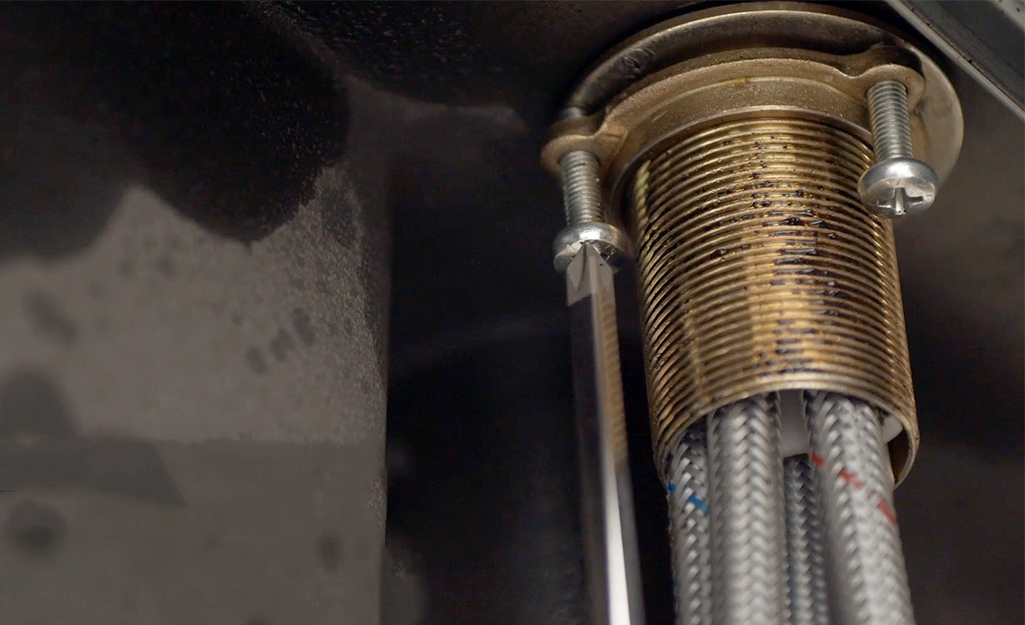
Image Source: contentgrid.homedepot-static.com
Gathering Your Tools and Supplies
Before you begin, it’s essential to have all the necessary tools and supplies readily available. This will make the process smoother and prevent frustrating trips to the hardware store mid-project.
Here’s a list of what you’ll likely need:
- Adjustable Wrenches (2): These are crucial for loosening and tightening various nuts and fittings. Having two allows you to hold one part steady while turning another.
- Basin Wrench: This specialized tool is designed to reach those awkward spots under the sink where faucet mounting nuts are located. It’s almost indispensable for this job.
- Plumber’s Putty or Silicone Sealant: This is used to create a watertight seal between the new faucet and the sink surface.
- Bucket or Towels: To catch any residual water that may drain from the pipes when you disconnect water supply.
- Safety Glasses: Protect your eyes from falling debris or splashing water.
- Work Gloves: To protect your hands.
- Flashlight or Headlamp: The area under the sink is often dark, so good lighting is essential.
- Scrub Brush or Old Toothbrush: For cleaning any grime or residue around the faucet base.
- Rag or Sponge: For wiping up spills and cleaning.
- Optional: Penetrating Oil (like WD-40): If fittings are old and corroded, a penetrating oil can help loosen them.
Step-by-Step Guide to Uninstalling Your Kitchen Faucet
Let’s get started on the process of removing your old kitchen faucet.
1. Shut Off the Water Supply
This is the most critical first step to avoid any unexpected floods. You need to shut off water supply to the faucet.
- Locate Shut-Off Valves: Look for the two shut-off valves located directly beneath your sink. These are typically connected to the hot and cold water supply lines that feed your faucet. They usually have small, round or oval handles.
- Turn Off the Valves: Turn the handles clockwise until they are snug. Don’t overtighten, as this could damage the valve.
- Test the Faucet: Turn on the faucet in your sink to release any remaining water pressure in the lines and to confirm that the water is indeed shut off. Water should stop flowing after a few seconds. If it continues, the shut-off valves may not be working correctly, and you may need to shut off water supply at the main house valve.
2. Disconnect the Water Lines
Once the water is shut off, you can disconnect water supply lines from the faucet’s supply tubes.
- Position Your Bucket: Place your bucket or a thick layer of towels directly under the connections to catch any water that might drip out.
- Loosen Connections: Using an adjustable wrench, carefully loosen the nuts connecting the flexible water supply lines to the shut-off valves. Remember the “lefty loosey” rule. You might need to use a second wrench to hold the shut-off valve steady while you turn the connector nut to prevent putting stress on the plumbing.
- Remove Supply Lines: Once loosened, you can unscrew the nuts completely and pull the supply lines away from the valves. Some residual water may still come out, which is why the bucket is important.
3. Remove the Faucet Handles
This step varies slightly depending on the type of faucet you have. For most standard faucets, you’ll need to remove faucet handles.
For Single-Handle Faucets:
- Locate the Set Screw: Look for a small set screw, usually on the side or back of the handle, often hidden beneath a decorative cap or plug.
- Remove the Decorative Cap: Gently pry off any decorative cap with a flathead screwdriver or a utility knife.
- Loosen the Set Screw: Use an Allen wrench (hex key) of the appropriate size to loosen the set screw. You don’t need to remove it completely, just loosen it enough to slide the handle off.
- Lift Off the Handle: Once the set screw is loose, lift the handle straight up and off the faucet stem.
For Two-Handle Faucets:
- Remove Decorative Caps: Similar to single-handle faucets, look for decorative caps on top of the handles. Pry these off gently.
- Unscrew the Handle Screw: Beneath the cap, you’ll find a screw holding the handle onto the valve stem. Use a screwdriver to remove this screw.
- Lift Off the Handles: Once the screw is removed, the handles should lift straight off the valve stems.
4. Detach the Sprayer Hose (if applicable)
If your faucet has a pull-out or side sprayer, you’ll need to detach mounting nuts and hoses related to it.
- Locate the Sprayer Hose Connection: Under the sink, find where the sprayer hose connects to the main faucet body or a diverter valve.
- Unscrew the Hose: This connection is usually a threaded fitting. Use an adjustable wrench to unscrew it. Be prepared for a small amount of water to escape.
- Remove the Hose Weight: Most pull-out sprayers have a weight attached to the hose that helps it retract. You may need to unclip or unscrew this weight.
5. Detach the Faucet Body
This is where you’ll typically need your basin wrench to detach mounting nuts. The faucet is secured to the sink from underneath by one or more mounting nuts.
- Access the Nuts: Get under the sink with your basin wrench and flashlight. Identify the nuts that hold the faucet in place. These are often large and made of plastic or metal.
- Loosen the Mounting Nuts: Fit the basin wrench onto the nuts and turn them counterclockwise to loosen. This can be the most challenging part due to the confined space and potentially corroded nuts. If they are particularly stubborn, a little penetrating oil might help.
- Remove Other Fasteners: Some faucets may also have mounting screws or clips in addition to nuts. Make sure you locate and remove all securing hardware.
- Loosen Retaining Nuts for Supply Lines: You might also need to loosen retaining nuts that secure the faucet’s internal supply lines to the faucet body itself. These are typically smaller than the main mounting nuts.
6. Lift Out the Old Faucet
With all connections disconnected and mounting nuts removed, the old faucet should be loose.
- Carefully Pull Up: From the top of the sink, gently try to lift the faucet straight up and out.
- Break the Seal: If the faucet is stuck, it’s likely due to old plumber’s putty or sealant creating a bond. You may need to gently wiggle it or carefully use a putty knife to break the seal from the top. Be careful not to scratch your sink’s surface.
- Lift Out Old Faucet: Once free, lift out old faucet from the sink’s mounting holes.
7. Clean the Faucet Base Area
After removing the old faucet, you’ll notice residual plumber’s putty, sealant, or grime around the mounting holes on your sink or countertop.
- Scrape Away Residue: Use a putty knife or scraper to carefully remove any old putty or sealant.
- Clean the Surface: Use a mild cleaner and a rag or sponge to thoroughly clean faucet base area. Ensure the surface is clean and dry before proceeding with the installation of the new faucet. This will ensure a good seal for your new fixture.
Preparing for the New Faucet
With the old faucet gone and the area clean, you’re ready to install new faucet. Before you begin the installation process, take a moment to familiarize yourself with the new faucet’s components and the instructions provided by the manufacturer. It’s also a good time to ensure you have all the parts and any necessary additional supplies, like plumber’s putty or silicone sealant, depending on the faucet’s design.
Frequently Asked Questions (FAQ)
Q: How long does it typically take to uninstall a kitchen faucet?
A: For a DIYer with all the tools, uninstalling a kitchen faucet usually takes anywhere from 30 minutes to 2 hours, depending on the complexity of the faucet and how easily the nuts and connections loosen.
Q: What if the shut-off valves under my sink don’t work?
A: If the shut-off valves are corroded or don’t turn off completely, you’ll need to shut off water supply at the main water valve for your house. This is usually located in the basement, crawl space, or utility closet. Remember to open a faucet on a lower floor to drain the system before proceeding.
Q: My mounting nuts are really stuck. What can I do?
A: If the nuts are stubborn, try applying a penetrating oil (like WD-40) to them and let it sit for 15-20 minutes. You can also try gently tapping the nuts with the handle of your wrench to help loosen them. If they still won’t budge, you might need to consider using a pipe wrench or, as a last resort, a hacksaw to cut them off, being very careful not to damage the sink.
Q: Do I need a basin wrench?
A: While it’s possible to try and reach the mounting nuts with a standard adjustable wrench, a basin wrench is highly recommended. Its unique design allows it to grip nuts in tight spaces where regular wrenches can’t fit, making the job significantly easier and less frustrating.
Q: What type of sealant should I use?
A: Most new faucets come with rubber gaskets that create a seal. However, many manufacturers still recommend using plumber’s putty or silicone sealant around the base of the faucet before mounting it to ensure a watertight fit and prevent water damage. Check your new faucet’s installation instructions for specific recommendations.
Q: Can I reuse the old water supply lines?
A: It’s generally not recommended to reuse old supply lines. They can become brittle over time and are a common source of leaks. It’s best to purchase new supply lines that are compatible with your new faucet and the shut-off valves.
Conclusion
Uninstalling a kitchen faucet is a manageable DIY task with the right preparation and tools. By following these steps, particularly ensuring you shut off water supply correctly, disconnect water supply lines safely, remove faucet handles, detach mounting nuts with care, and lift out old faucet cleanly, you’ll be well on your way to a fresh new look for your kitchen. Remember to clean faucet base thoroughly before you install new faucet, reconnect water lines properly, and always test for leaks after completing the installation. Happy plumbing!