
Is your kitchen sink draining slower than a sloth on vacation? You’ve come to the right place! This guide will show you how to tackle that stubborn kitchen drain blockage without resorting to harsh chemicals. We’ll cover everything from simple DIY fixes to when you might need a little extra help.
What is the best way to unclog a kitchen sink? The best way to unclog a kitchen sink is often with simple, natural methods that don’t involve harmful chemicals. These can include using hot water, baking soda and vinegar, or a plunger.
Let’s dive into how to get your kitchen sink flowing freely again.
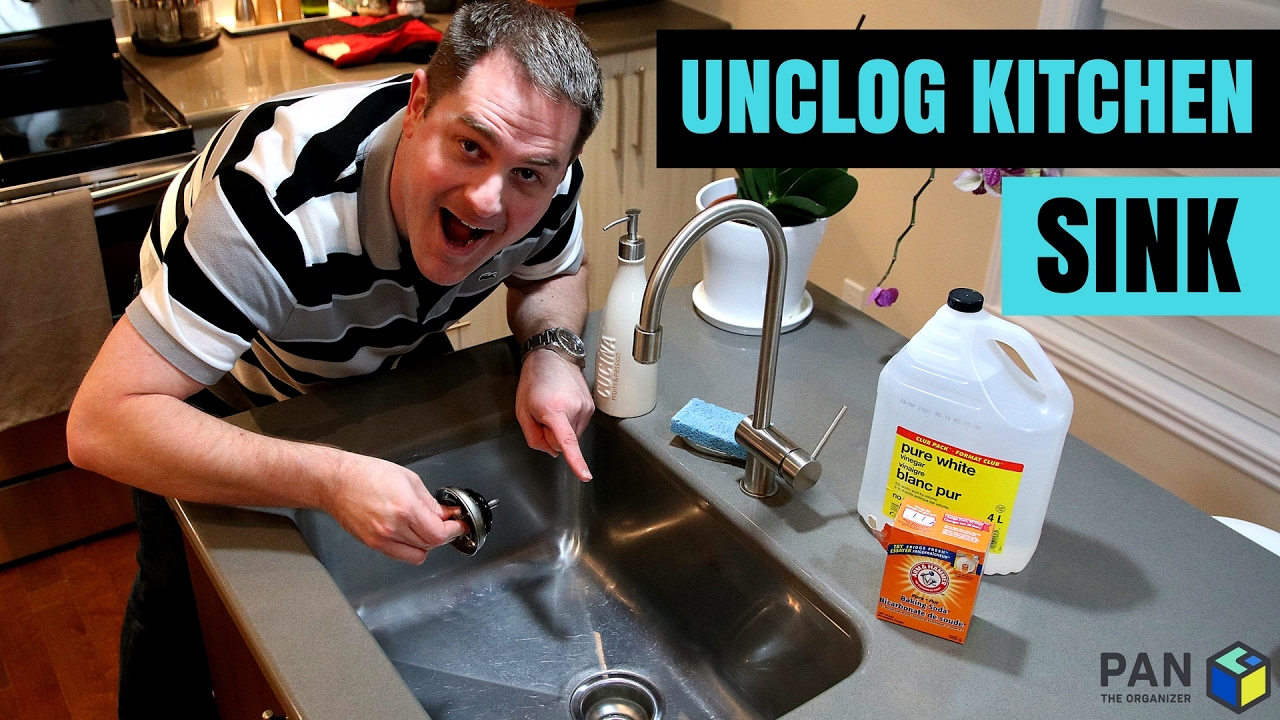
Image Source: i.ytimg.com
Why Kitchen Drains Clog
Kitchen sinks are workhorses. They handle everything from greasy leftovers to coffee grounds, soap scum, and food scraps. Over time, these items build up inside your kitchen sink pipe, creating a kitchen drain blockage. This buildup narrows the pipe, slowing down water flow and eventually leading to a full clog.
Common culprits include:
- Grease and Oil: When hot grease cools, it solidifies, coating the inside of your pipes.
- Food Scraps: Small bits of food, especially starchy ones like rice or pasta, can stick together and block the drain.
- Coffee Grounds: These are abrasive and can settle in the pipes, trapping other debris.
- Eggshells: They don’t break down easily and can create a gritty sludge.
- Soap Scum: The fats in soap combine with minerals in water to form a sticky residue.
Simple Solutions to Try First
Before you reach for any tools, try these easy, chemical-free methods. They are surprisingly effective for minor clogs.
1. The Hot Water Flush
This is the simplest method, great for grease clogs.
What to do:
- Boil a kettle or pot of water.
- Carefully pour the hot water directly down the drain in stages.
- Wait a few minutes between pours.
- Run your tap to see if the water drains better.
Why it works: Hot water can melt away solidified grease and oil, helping to clear the blockage.
2. Baking Soda and Vinegar Fizz
This classic combination creates a powerful reaction that can help loosen debris.
What to do:
- Pour about half a cup of baking soda down the drain.
- Follow with about half a cup of white vinegar.
- You’ll hear a fizzing sound – that’s the reaction working!
- Cover the drain with a plug or cloth to keep the reaction contained.
- Let it sit for at least 30 minutes, or even overnight for tougher clogs.
- Flush with hot water.
Why it works: The baking soda is alkaline, and the vinegar is acidic. When they mix, they create carbon dioxide gas, which causes bubbling. This agitation can break up gunk.
3. Salt and Baking Soda Power
Salt can add a scrubbing effect to the baking soda and vinegar mix.
What to do:
- Mix half a cup of baking soda with half a cup of salt.
- Pour this mixture down the drain.
- Let it sit for at least 30 minutes.
- Flush with hot water.
Why it works: The salt acts as a mild abrasive, helping to scour the pipe walls as the baking soda loosens the clog.
When You Need a Little More Muscle
If the simple methods don’t do the trick, it’s time to bring out the tools. These are still very effective and don’t involve chemicals.
4. Using a Kitchen Sink Plunger
A kitchen sink plunger is a classic tool for a reason. It uses suction and pressure to dislodge blockages.
What to do:
- Create a Seal: Make sure there’s enough water in the sink to cover the plunger cup. If you have a double sink, block the other drain with a wet rag to ensure the suction is focused.
- Position the Plunger: Place the plunger cup firmly over the drain opening, ensuring a good seal.
- Plunge Vigorously: Push down and pull up with quick, strong strokes. You’re trying to create suction to pull the clog loose.
- Check the Drain: After several plunges, lift the plunger. If the water drains, you’ve succeeded! If not, repeat the plunging.
- Flush: Once the water is draining, run hot water to clear any remaining debris.
Pro Tip: A flat-rimmed cup plunger is generally best for sink drains.
5. The Bent Wire Hanger Trick
This is a quick fix for clogs that are close to the drain opening.
What to do:
- Straighten a Wire Hanger: Untwist a wire coat hanger and straighten it out as much as possible.
- Create a Hook: Bend a small hook at one end.
- Insert and Fish: Carefully insert the hooked end into the drain. Try to feel for the clog.
- Pull Out Debris: Gently twist and pull the hanger to snag hair, food particles, or other gunk. Dispose of what you pull out.
- Repeat and Flush: Repeat this process, clearing out any debris you can reach. Then, flush with hot water.
Caution: Be gentle to avoid pushing the clog further down the pipe or damaging your pipes.
6. The Drain Snake or Kitchen Sink Auger
A drain snake, also known as a kitchen sink auger, is a flexible metal cable with a corkscrew tip. It’s designed to reach deeper into pipes and break up or retrieve clogs.
What to do:
- Insert the Auger: Feed the snake into the drain opening.
- Push and Crank: As you push the snake down, crank the handle. The corkscrew end will rotate and either break up the clog or hook onto it.
- Feel for Resistance: When you feel resistance, you’ve likely hit the clog.
- Retrieve or Break: Continue cranking to hook the clog and pull it out, or to break it up.
- Withdraw Carefully: Slowly pull the auger back out, cleaning off any debris.
- Flush Thoroughly: Run hot water to clear the pipes.
Important: Always follow the manufacturer’s instructions for your specific drain snake.
Tackling Clogs with a Kitchen Sink Disposal
If your kitchen sink has a kitchen sink disposal, clogs can sometimes be related to it. Disposals are designed to grind up food waste, but they can still get jammed or overwhelmed.
What to do if your disposal is clogged:
- Turn Off Power: Crucially, turn off the power to the disposal at the circuit breaker box. This prevents accidental activation while you’re working.
- Check for Jamming: Shine a flashlight into the disposal opening. If you see large food particles jamming the grinding plates, use tongs (never your hands!) to remove them.
- Use the Reset Button: Most disposals have a small red reset button on the bottom or side. Press this button. If the disposal was overloaded, this might fix the issue.
- Use an Allen Wrench: Many disposals come with a special Allen wrench. Insert this into the hole on the bottom of the unit and turn it back and forth to manually rotate the grinding plates and dislodge the jam.
- Run Cold Water: Once you believe the jam is cleared and power is restored, run cold water and then turn on the disposal for a few seconds to clear any remaining debris.
- If Still Clogged: If the disposal is still not working, the clog might be further down the drainpipe, and you’ll need to use the methods described above (plunger, snake) to unclogging kitchen drain pipes.
What NOT to put down the disposal:
- Grease, oil, and fats
- Fibrous vegetables (celery, corn husks, asparagus)
- Starchy foods (pasta, rice)
- Eggshells
- Coffee grounds
- Fruit pits and seeds
- Non-food items
Dealing with Stubborn Kitchen Drain Blockages
Sometimes, a clog is deep in the pipes or particularly stubborn. Here are a few more advanced clogged kitchen sink methods:
7. The Wet/Dry Vacuum Method
A wet/dry vacuum can be surprisingly effective at sucking out a clog.
What to do:
- Set to Wet Mode: Ensure your vacuum is set to the wet vacuum function.
- Create a Seal: Create a tight seal around the drain opening with the vacuum hose. You might need to use a plunger head attachment or wrap a wet towel around the hose and drain.
- Turn On: Turn on the vacuum for about 30 seconds to a minute.
- Check: Turn off the vacuum and see if the water drains.
- Repeat if Necessary: You may need to repeat this a few times.
Why it works: The powerful suction can pull the debris out of the pipe and into the vacuum canister.
8. Clearing the P-Trap
The P-trap is the U-shaped pipe under your sink. This is where many clogs tend to accumulate.
What to do:
- Prepare: Place a bucket or large bowl directly underneath the P-trap to catch any water and debris.
- Loosen the Slip Nuts: You’ll see two large nuts (slip nuts) holding the U-shaped pipe in place. Loosen these by hand or with pliers if they’re too tight.
- Remove the Trap: Carefully slide the P-trap off the pipes. Empty its contents into the bucket.
- Clean the Trap: Use a brush or wire hanger to remove any gunk from inside the P-trap. Rinse it thoroughly.
- Check Pipes: While the trap is off, peer into the pipes leading away from and towards the trap. You might be able to dislodge or remove debris with a wire hanger or your fingers.
- Reassemble: Reattach the P-trap, tightening the slip nuts snugly but not so tight they crack the plastic.
- Test: Run water to check for leaks and ensure the drain is clear.
When to Call a Professional
If you’ve tried several of these methods and your sink is still draining slowly or not at all, it’s time to call a plumber. There could be a more serious issue, such as:
- A clog deep within your main drain line.
- A blockage in your vent pipe, which affects drainage throughout your home.
- A problem with your plumbing system that requires professional tools and expertise.
Table: Common Kitchen Sink Cloggers and How to Avoid Them
| Clog Culprit | How to Avoid |
|---|---|
| Grease & Oil | Never pour grease, oil, or fats down the drain. Wipe greasy pans clean first. |
| Food Scraps | Scrape plates thoroughly into the trash before rinsing. |
| Coffee Grounds | Dispose of coffee grounds in the trash or compost. |
| Eggshells | Place eggshells in the trash or compost. |
| Starchy Foods | Avoid putting large amounts of pasta, rice, or potato peels down the drain. |
| Fibrous Veggies | Compost or trash items like celery stalks and corn husks. |
Maintaining Clear Drains: Preventative Measures
The best way to deal with a clog is to prevent it from happening in the first place! Consistent maintenance can save you a lot of headaches.
Regular Flushing
- Hot Water Flush: Once a week, pour a kettle of hot water down the drain. This helps melt away any grease that’s starting to build up.
- Baking Soda & Vinegar: Once a month, use the baking soda and vinegar method as a preventative measure. It cleans and deodorizes your pipes.
Proper Disposal Habits
- Scrape, Scrape, Scrape: Always scrape food scraps into the trash or compost bin before rinsing dishes.
- Use the Disposal Wisely: If you have a garbage disposal, run plenty of cold water while using it and for a minute afterward. Feed food into it gradually.
- Avoid Problematic Foods: Be mindful of what goes into your disposal. Avoid grease, coffee grounds, eggshells, and fibrous vegetables.
Using a Drain Strainer
- Catch Debris: A good drain strainer will catch food particles, hair, and other debris before they can enter the pipes.
- Empty Regularly: Make sure to empty the strainer into the trash or compost bin frequently.
Avoid Harsh Chemical Drain Cleaners
While tempting for their advertised speed, chemical drain cleaners can be harmful.
- Corrosive Nature: They use strong chemicals that can damage your pipes over time, especially older or plastic ones.
- Environmental Impact: These chemicals can be detrimental to the environment when flushed into waterways.
- Safety Risks: They can cause severe burns if they come into contact with skin or eyes.
- Ineffectiveness: Sometimes, they only push the clog further down, leading to bigger problems later.
The methods we’ve discussed are safer, often more effective for common clogs, and better for your plumbing and the planet. Learning how to remove sink clog without chemicals is a valuable skill.
Frequently Asked Questions (FAQ)
Q1: How often should I clean my kitchen sink drain?
A1: For preventative maintenance, a hot water flush weekly and a baking soda/vinegar treatment monthly is a good routine. If you notice slow draining, address it immediately.
Q2: Can I use bleach to unclog my sink?
A2: It’s generally not recommended. Bleach is a harsh chemical that can damage pipes and is harmful if mixed with other substances like vinegar.
Q3: My sink is completely blocked, what now?
A3: If you can’t clear it with the plunger or auger, it’s time to call a professional plumber. The blockage might be too severe or located too deep in the pipes for DIY methods.
Q4: What’s the difference between a sink plunger and a toilet plunger?
A4: Sink plungers typically have a flat, cup-shaped head, which creates a better seal on sink drains. Toilet plungers have a flange that extends from the cup, designed to fit the shape of a toilet bowl.
Q5: My garbage disposal is humming but not grinding. What’s wrong?
A5: This usually means the disposal is jammed. Turn off the power at the breaker, check for obstructions with tongs, and try the reset button or Allen wrench method described earlier.
By employing these straightforward techniques, you can effectively tackle most kitchen sink pipe blockages, keeping your kitchen sink flowing smoothly and odor-free. Remember, regular preventative care is key to avoiding frustrating clogs!